Libraries are built on trust. They open their doors to everyone, ask for no purchase, and offer knowledge freely. Yet that same openness creates a vulnerability that has existed for as long as libraries themselves have. Theft from libraries of books, historical documents, maps, and other materials is considered a significant problem. The question of which books disappear most often reveals something surprisingly candid about human desire, desperation, curiosity, and shame. The titles that walk out the door without being checked out tell a story no bestseller list ever could.
The Guinness World Records – A Trophy Nobody Can Resist
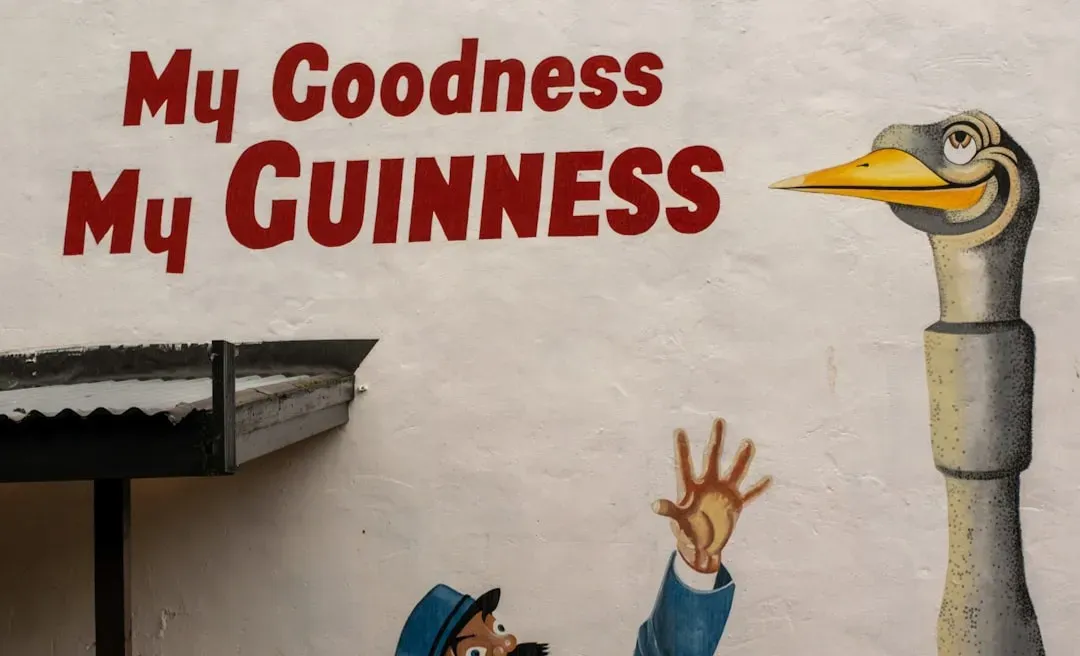
According to researchers, one of the most frequently stolen library books is the Guinness Book of World Records. It’s colorful, endlessly browsable, and packed with the kind of trivia that makes kids want to keep it forever. The Guinness World Records book is a top candidate for library theft, and it’s easy to see why – colorful, packed with fascinating facts, and updated every year, it’s basically a magnet for curious minds, especially kids and teens. The annual updates also play a role, since every new edition feels like a fresh reason to grab one off the shelf.
Many young readers are drawn to the excitement of breaking records or just reading about the wildest human achievements, and the book also becomes a status symbol – something to show off to friends or siblings. Some libraries report spikes in thefts around the holidays, possibly because kids want their own copy as a gift. The combination of novelty, competition, and sheer fun makes this title one of the most frequently stolen. Libraries sometimes even keep these books behind the counter to slow down the losses.
The Bible – Sacred Text, Secular Crime

It may seem shocking, but the Bible is one of the most commonly stolen books from libraries across the world. Many people assume that spiritual texts like the Bible should be freely available to anyone who needs them, and this belief can make some feel justified in simply taking a copy instead of checking it out properly. The moral contradiction doesn’t seem to register for everyone. For others, the need for comfort or spiritual guidance becomes so urgent that the rules seem less important. In communities where religious texts are not easily accessible, the temptation to keep a library copy can be especially strong.
In the United States, how-to books are more often the targets of thieves, as are books about witchcraft, the occult, UFOs or astrology, according to Larra Clark, a spokeswoman for the American Library Association, who asked members which books were most often stolen. The Bible sits in this same category of deeply personal reading – the kind people want to own rather than borrow. This shows just how deeply people value these texts, even if it means breaking the rules. The act isn’t always about malice; sometimes, it’s about hope or desperation.
Addiction Recovery Books – Stolen Out of Desperation

One of the most striking and recent revelations in library theft data came from San Francisco in early 2024. The most stolen books from San Francisco public libraries’ shelves are not new novels – they are books about recovering from addiction. This discovery prompted a city-wide response. After determining the books most frequently stolen from San Francisco public libraries focused on recovering from addiction, city officials moved to provide universal access to free drug recovery books, including Alcoholics Anonymous’ 12-step recovery book. San Francisco City Supervisor Matt Dorsey introduced legislation to create a program to distribute addiction recovery books for free at the city’s 27 public libraries.
If approved, San Francisco would be the first city in the nation to do so as communities coast to coast confront an unprecedented fentanyl crisis. Dorsey said library workers noticed they had to keep replenishing books about recovering from substance abuse, especially Alcoholics Anonymous’ 12-step program, known as the “Big Book.” The three libraries in the pilot program have about 75 substance use recovery books available at any given time. The two branches ask for more every few months, but the main library has to replenish them every six weeks. The data makes clear these thefts were not about profit – they were about survival.
Test Prep Books – Academic Anxiety Drives Theft

Test preparation books hold a unique place among the most stolen library items. For students facing the SAT, GRE, or LSAT, these resources can make the difference between success and disappointment. The high cost of buying these guides – many of which run well over $30 each – creates a powerful incentive for students to simply take rather than borrow. People steal these because they require extensive practice at home, and many times it takes longer than the library checkout period allows.
Several urban library systems report that test prep guides are stolen more often than almost any other non-fiction title. This reflects just how competitive the academic world has become, with some students feeling they have no choice but to steal to get ahead. The phenomenon highlights the sometimes unseen costs of educational inequality. Notably, law enforcement officers’ training manuals are among the most commonly stolen exam prep books – a detail that adds an almost ironic layer to the entire situation.
Graphic Novels and Manga – Small, Desirable, Easy to Hide
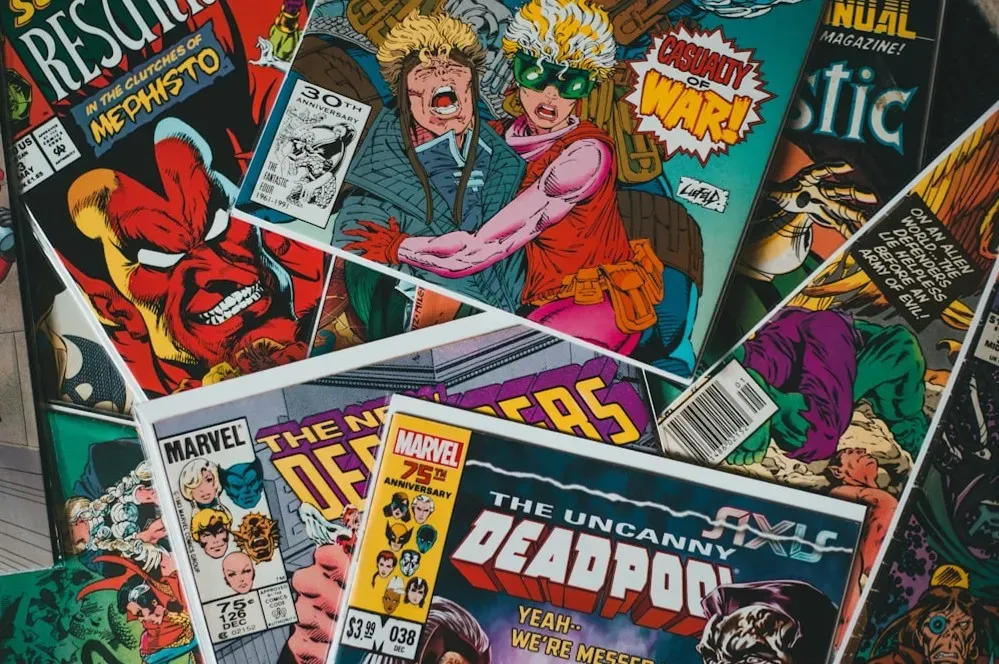
After surveying a number of secondary librarians, researchers found that the most stolen books fit into three categories, and these three main genres repeated from school to school: mystery, poetry, and graphic novels and manga were the hardest-hit areas on the shelves. The format itself contributes to the problem. Graphic novels and manga volumes tend to be slim, visually appealing, and easy to slip inside a bag. In addition to graphic novels, comic books may also be targeted by thieves.
Generally speaking, whatever is popular or trendy is at risk for being stolen, and the size of the book also matters, because a small book is easier to conceal than a large one. Manga series like Naruto, with their multi-volume formats, are particularly vulnerable because readers want complete runs. Some librarians suspected that books featuring marginalized characters – including LGBTQ+ characters and characters with disability representation – might be among the most commonly stolen, taken by students who needed them or who didn’t want to check them out under their name. The reality is more layered, but the impulse toward private ownership of a deeply resonant title remains a strong thread throughout.
Books on Taboo Topics – Privacy Over Procedure

In public libraries, librarians have noticed common themes in what subjects are most frequently stolen. Books on topics such as sex and witchcraft are popular with thieves, as are guides for General Educational Development testing. The reason is almost always the same: embarrassment. People who want to educate themselves on intimate or stigmatized subjects don’t want to be seen at the checkout desk. Books about sex and relationships often disappear from library shelves in a hush of embarrassment. Many people who want to educate themselves on intimate topics don’t want to be seen checking out these books, and the worry about being judged can feel overwhelming, especially in smaller communities.
Library theft leans more toward the practical than the popular, whereas bookstore theft leans toward the popular. That observation, frequently cited by library researchers, explains a great deal. One study commissioned in the UK estimated the average loss rate of libraries to theft at 5.3%. Whether the book is about overcoming addiction, acing a professional exam, exploring sexuality, or connecting with a forbidden spiritual practice, the common thread is a reader who felt they couldn’t – or wouldn’t – ask for help. The social and emotional difference between stealing from a business and stealing from a public library can feel significant, and thefts from a library can affect many people throughout society.