Some of the most revolutionary breakthroughs in human history weren’t planned in boardrooms or laboratories. They happened because someone noticed something strange, left a window open, or dropped something on a hot stove. These accidental discoveries didn’t just solve problems – they created entirely new industries and changed the way we live.
Let’s be real: most of us think innovation is the result of meticulous research and careful planning. It can be, sure. Still, some of history’s most transformative inventions came about through sheer luck, curiosity, and a willingness to investigate the unexpected.
Penicillin – The Mold That Saved Millions

In 1928 Dr Alexander Fleming returned from a holiday to find mould growing on a Petri dish of Staphylococcus bacteria. He noticed the mould seemed to be preventing the bacteria around it from growing. What could have been dismissed as a contaminated experiment instead became one of medicine’s most important discoveries, according to the Science Museum in London. Penicillin is estimated to be responsible for saving over 500 million lives since its discovery, as documented by UVA ChemSciComm.
Fleming’s initial observation was only the beginning. The simple discovery and use of the antibiotic agent has saved millions of lives, and earned Fleming – together with Howard Florey and Ernst Chain, who devised methods for the large-scale isolation and production of penicillin – the 1945 Nobel Prize in Physiology/Medicine. The accidental contamination of a petri dish became the foundation for modern antibiotics and fundamentally changed how humanity fights bacterial infections.
The Microwave Oven – When Chocolate Became a Clue
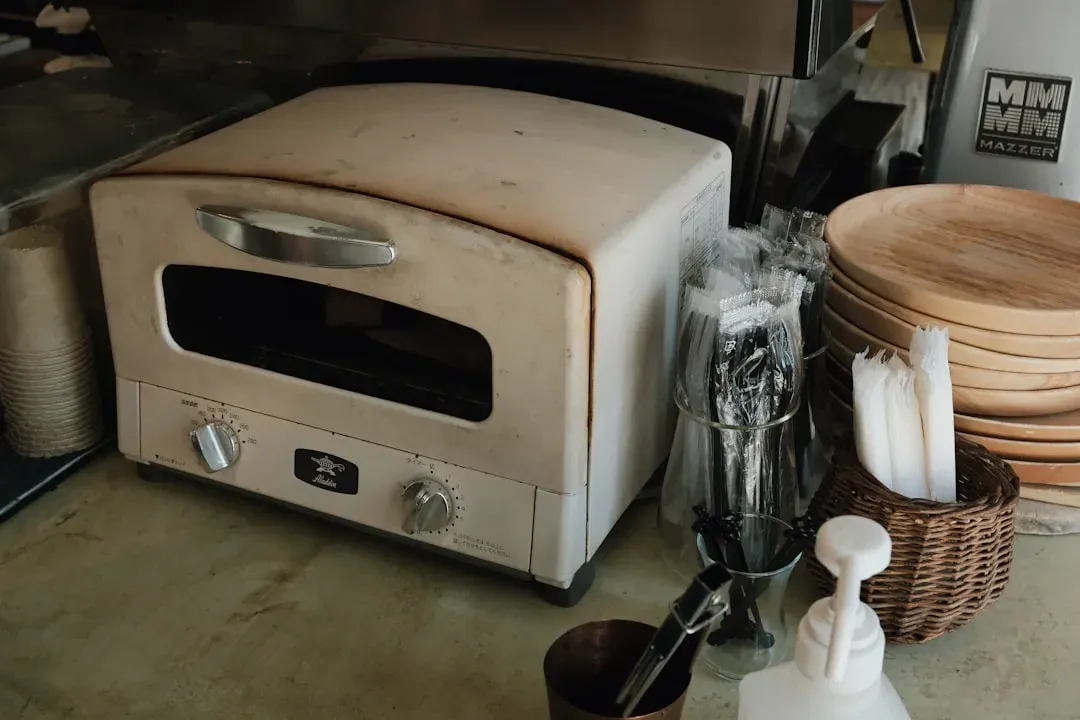
In 1945, Spencer noticed that a candy bar in his pocket had mysteriously melted while testing an active magnetron. Percy Spencer, a self-taught engineer at Raytheon, could have ignored this odd occurrence. Instead, he investigated further, as reported by History.com.
Raytheon filed a U.S. Patent application on October 8, 1945, for a microwave cooking oven. In 1947, the first commercially produced microwave oven was about 6 feet tall, weighed about 750 lbs, and cost about $5,000, according to records from his biography. Today, over 90 percent of U.S. households own a microwave oven, a device born from a melted candy bar and an engineer’s curiosity.
Post-it Notes – The Adhesive That Failed Perfectly

In 1968, Spencer Silver was a senior scientist working to develop new classes of adhesives at 3M when he discovered an acrylic adhesive with unique properties. It was formed of tiny spheres that provided a pressure-sensitive adhesive with a high level of tack but a low degree of adhesion. The invention seemed like a failure at first, as documented by the National Inventors Hall of Fame.
According to inventor folklore, in 1974, Silver’s 3M colleague Art Fry realized he could use a bookmark with the adhesive to mark his place in his hymnal during church-choir practice. Today, 3M produces over 50 billion Post-it Notes annually, with more than 600 variations sold in over 100 countries. What began as a “weak” adhesive became one of the most iconic office products in history.
X-Rays – The Invisible Light That Changed Medicine
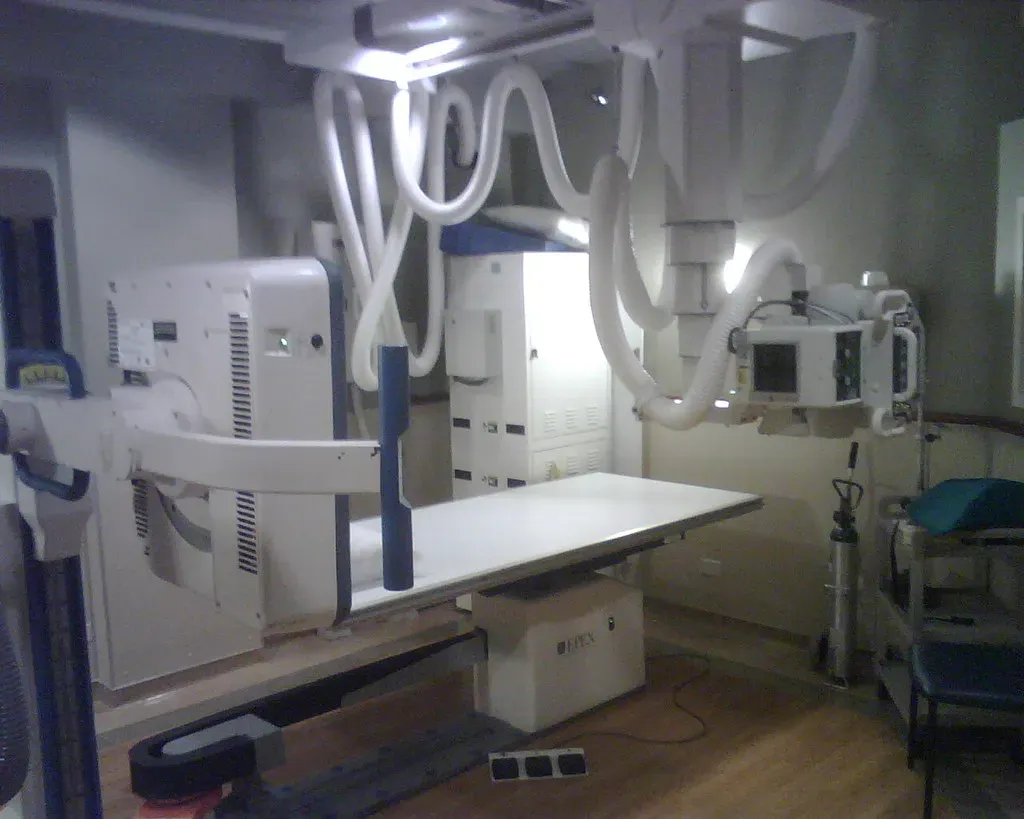
Wilhelm Roentgen, Professor of Physics in Wurzburg, Bavaria, discovered X-rays in 1895 – accidentally – while testing whether cathode rays could pass through glass. His cathode tube was covered in heavy black paper, so he was surprised when an incandescent green light nevertheless escaped and projected onto a nearby fluorescent screen.
Few scientific breakthroughs have had as immediate an impact as Wilhelm Conrad Roentgen’s discovery of X-rays, a momentous event that instantly revolutionized the fields of physics and medicine. The X-ray emerged from the laboratory and into widespread use in a startlingly brief leap: within a year of Roentgen’s announcement of his discovery, the application of X-rays to diagnosis and therapy was an established part of the medical profession. According to the American Physical Society, doctors could suddenly see inside the human body without invasive surgery, fundamentally transforming medical diagnostics. Roentgen was awarded the first Nobel Prize in physics in 1901 for his discovery.
Vulcanized Rubber – A Hot Stove Mishap
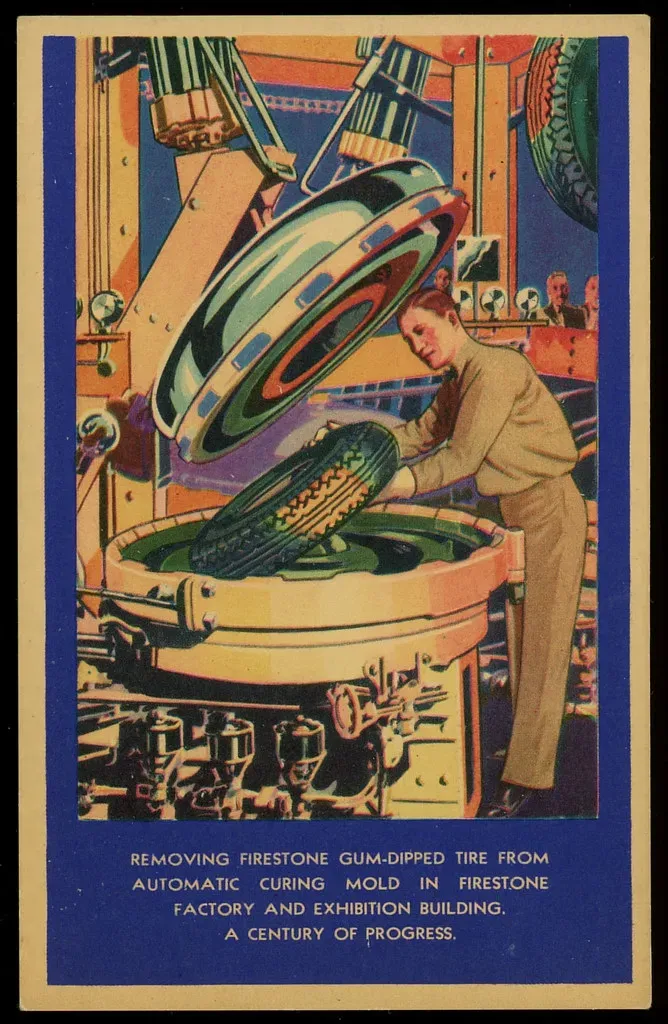
According to biographers, while working at the Eagle India Rubber Company, Goodyear accidentally combined rubber and sulfur upon a hot stove. Much to Goodyear’s surprise, the rubber didn’t melt. And, when he raised the heat, it actually hardened. Charles Goodyear’s 1839 accident, documented by Connecticut History, solved one of the greatest industrial puzzles of the 19th century.
Prior to vulcanization, rubber products melted in summer heat and cracked in winter cold, making the material nearly useless for commercial applications. It would take Goodyear several more years to recreate the chemical formula and perfect the process of mixing sulfur and rubber at a high temperature; he patented the process in 1844, according to historical records. Though Goodyear himself died in debt, his accidental discovery enabled the modern tire industry and countless rubber products we rely on daily.
The Pacemaker – A Wrong Resistor’s Right Result
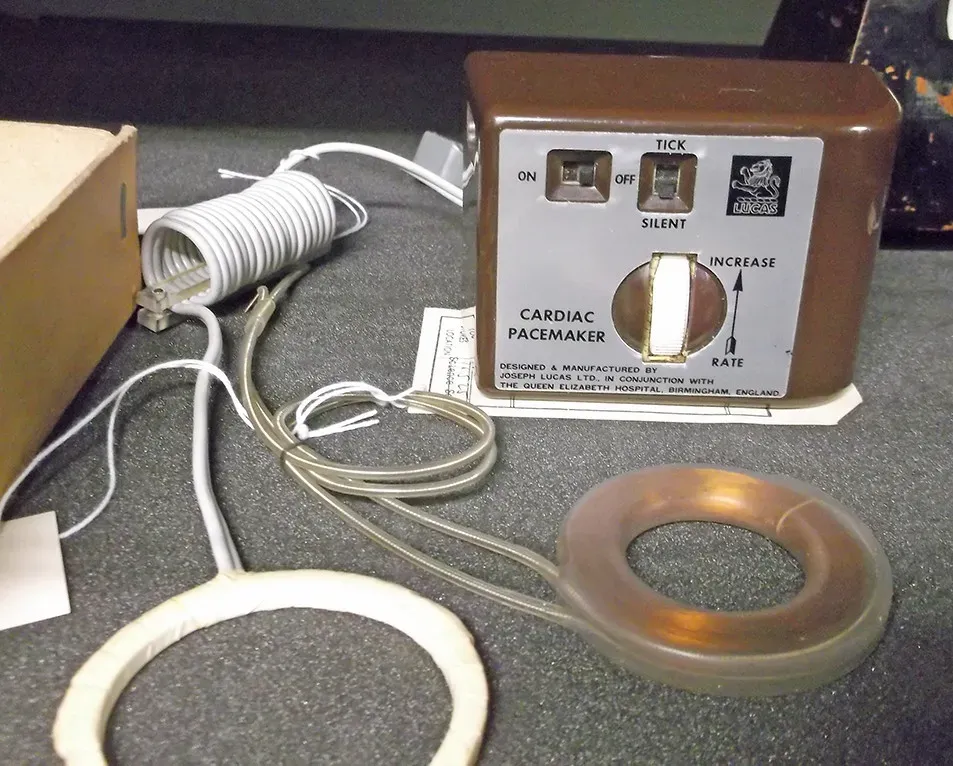
The first implantable pacemaker emerged from an engineering error in 1956 when Wilson Greatbatch installed the wrong resistor while working on a device to record heart rhythms. Instead of recording, the circuit produced electrical pulses that mimicked the heart’s natural rhythm. Greatbatch immediately recognized the potential, according to the American Heart Association and Smithsonian Magazine records.
This mistake revolutionized cardiac care. Millions of people with irregular heartbeats now live normal lives thanks to pacemaker technology that traces back to a single misplaced component. The device has been refined over decades, yet its origin remains one of medicine’s most fortunate accidents.
Safety Glass – A Dropped Flask’s Silver Lining

In 1903, French chemist Édouard Bénédictus accidentally dropped a glass flask in his laboratory. Instead of shattering into dangerous shards, the glass cracked but held together. Bénédictus discovered that plastic residue coating the inside of the flask had created an unexpected protective layer, as documented by the Science History Institute.
This observation led to the development of laminated safety glass, which would become standard in automobile windshields and countless other applications. What could have been a moment of frustration over broken equipment became a breakthrough in safety technology that has prevented countless injuries.
Chocolate Chip Cookies – When Chocolate Wouldn’t Cooperate
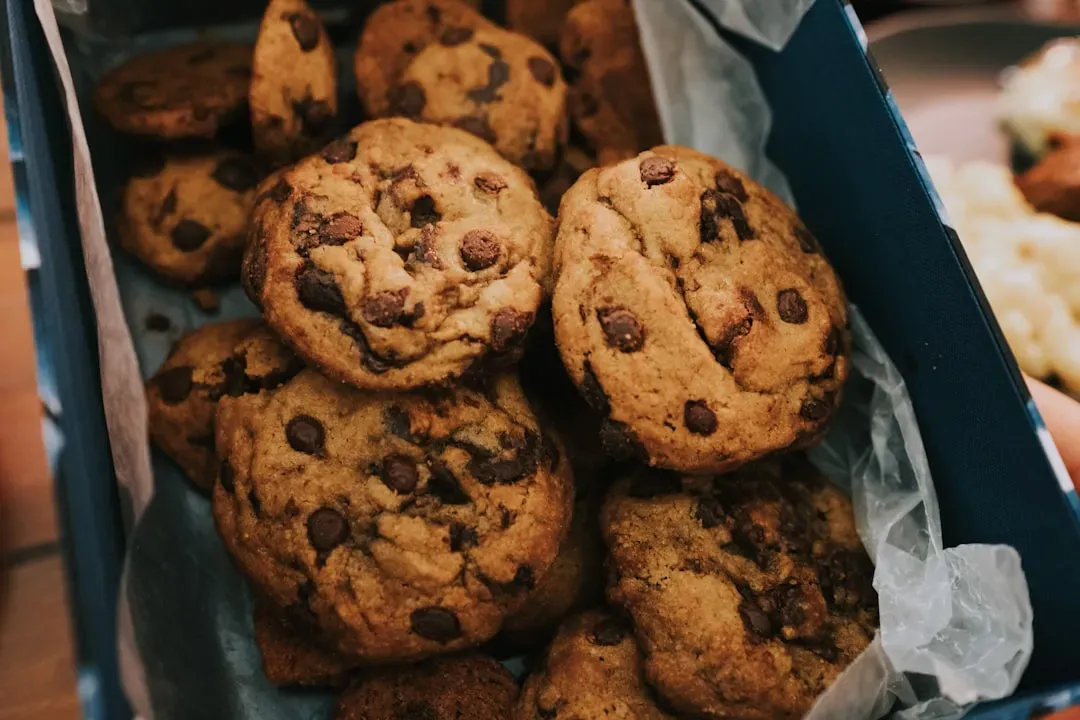
Ruth Wakefield was running the Toll House Inn in Massachusetts during the 1930s when she made a culinary assumption that turned out wonderfully wrong. She chopped up a Nestlé chocolate bar and added it to cookie dough, expecting the chocolate to melt and spread throughout, according to records at the Smithsonian National Museum of American History.
Instead, the chocolate pieces held their shape, creating an entirely new type of cookie that became an instant sensation. The chocolate chip cookie wasn’t engineered in a test kitchen – it emerged from a baker’s miscalculation. Today, it’s arguably America’s most beloved cookie, born from chocolate that refused to behave as expected.
Teflon – The Slippery Surprise
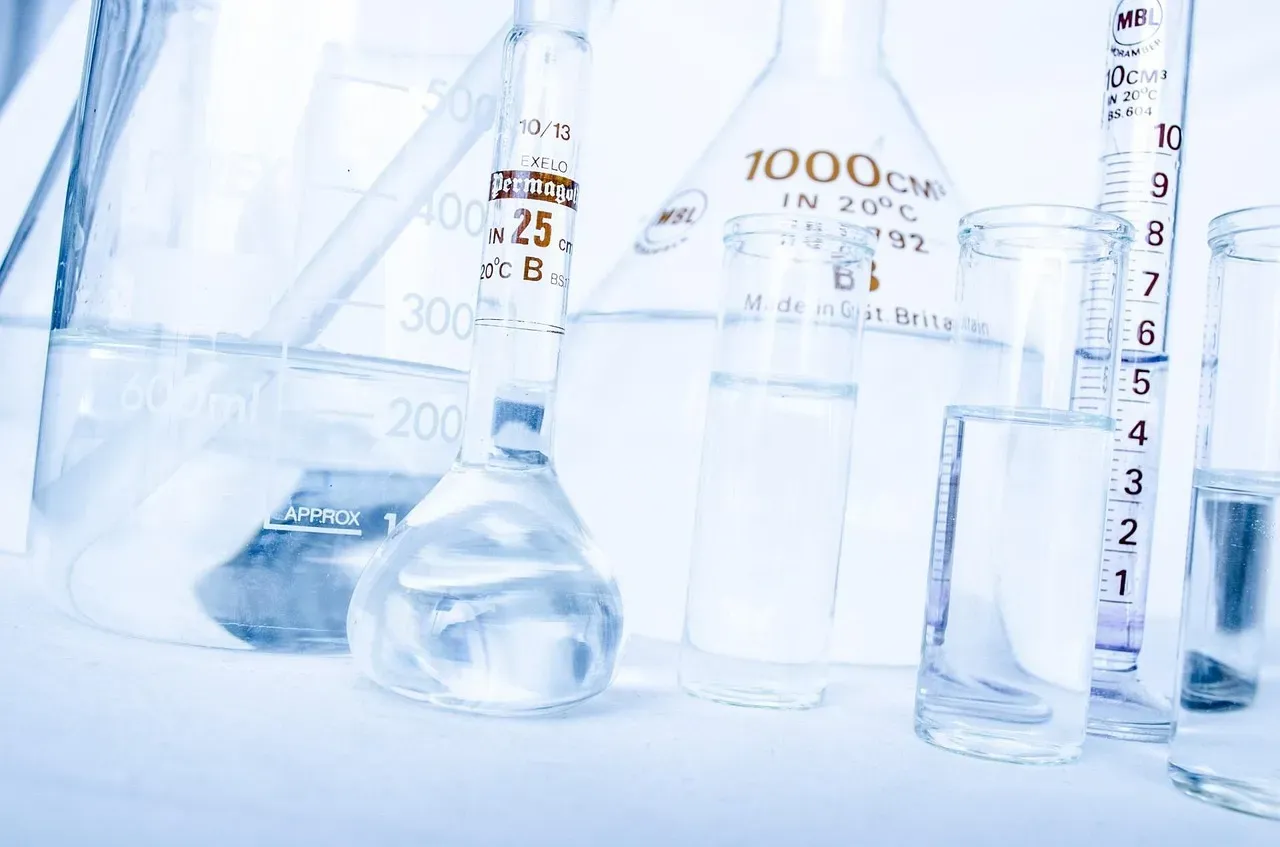
In 1938, chemist Roy Plunkett was working with refrigerant gases for DuPont when he opened a pressurized canister and found nothing came out. Instead of discarding the tank, he investigated and discovered a waxy white substance coating the interior. This mysterious material was polytetrafluoroethylene, later known as Teflon, according to DuPont historical records and Britannica.
The substance proved incredibly slippery and heat-resistant. Initially used in military applications during World War II, Teflon eventually revolutionized cookware and found applications in everything from spacecraft to medical devices. Plunkett’s curiosity about an “empty” canister led to one of the most versatile synthetic materials ever created.
Super Glue – The Adhesive Nobody Wanted at First
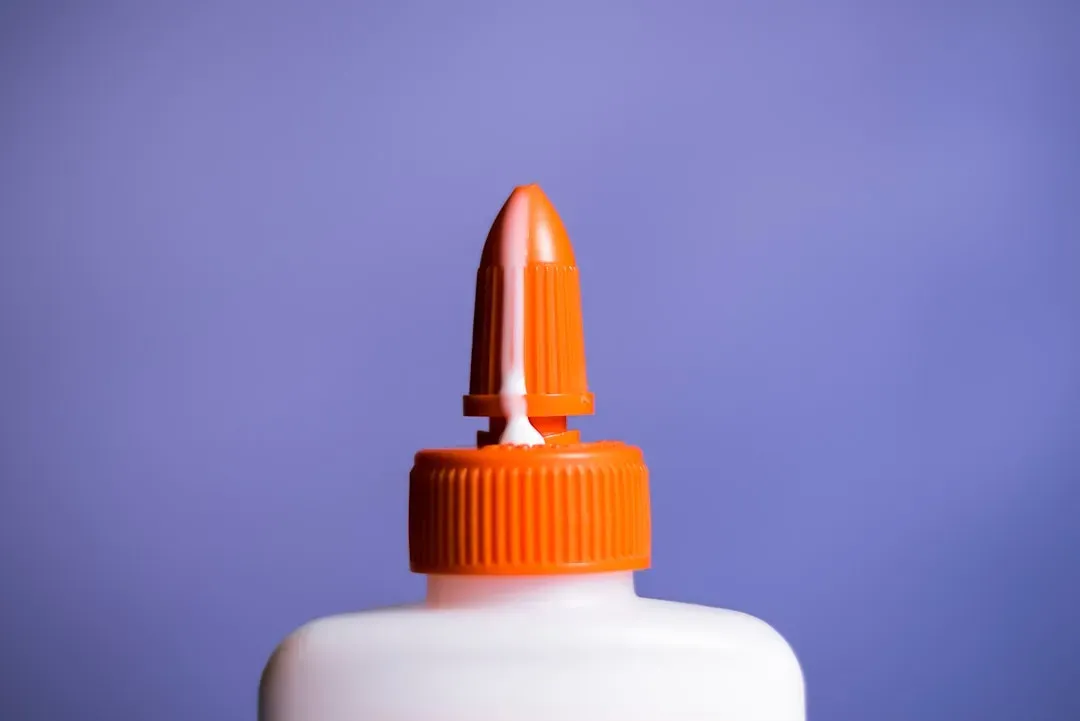
Cyanoacrylate was first discovered in 1942 by chemist Harry Coover during World War II weapons research. The incredibly sticky substance was initially rejected because it adhered to everything – exactly the opposite of what researchers needed at the time. Years later, Coover recognized its potential as a commercial adhesive, according to Smithsonian Magazine and National WWII Museum documentation.
Super Glue was finally marketed in the 1950s and became an instant success. The same property that made it useless for wartime optics made it perfect for quick repairs and bonding. Sometimes the “wrong” invention just needs to wait for the right application, and Super Glue proved that rejected experiments can find new life decades later.
Human progress doesn’t always follow a straight line from hypothesis to discovery. Sometimes the most important breakthroughs happen when we’re looking for something else entirely, or when we’re brave enough to investigate what went “wrong.” These accidental inventions remind us that curiosity, observation, and a willingness to explore the unexpected can be just as valuable as careful planning. What do you think – which of these accidents changed your life the most?