


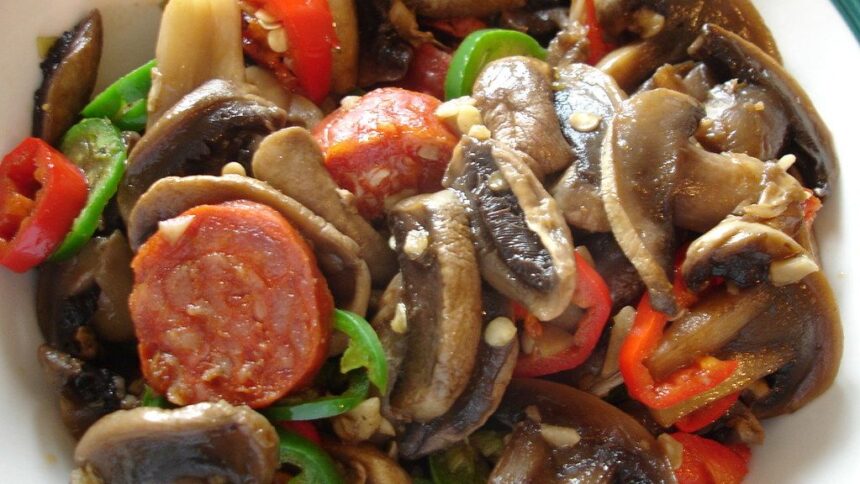
Ever noticed how what we eat can change almost overnight? One minute we’re sticking to our tried and trusted dishes, the next we’re dipping pickles in chocolate or eating seafood made entirely from plants. It’s wild out there in the food world right now. The landscape shifts constantly, influenced by everything from TikTok videos racking up millions of views to growing concerns about what’s actually good for us and the planet. Let’s explore what’s actually happening in kitchens and restaurants across the globe in 2025.
Freeze-Dried Candy Takes Over Snack Culture

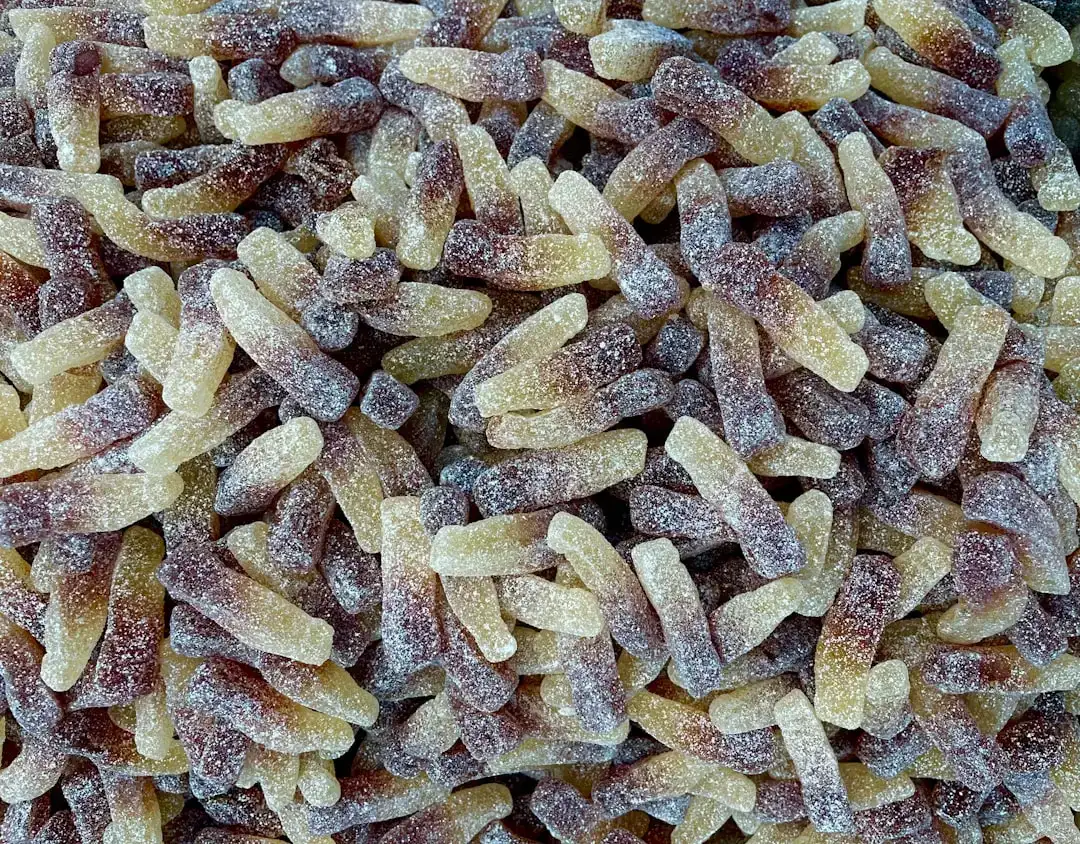
Thanks to advancements in freeze-drying technology that make it more energy efficient and affordable, treats ranging from freeze-dried gummy bears and peach rings from TikTok viral company Sweety Treaty Co to cheesecake bites from the company Freezecake are emerging. The process removes all moisture from food, imparting a Lucky Charms marshmallow-like crunch and enlarging the food while concentrating its flavor, and people are craving these new, affordable experiences. Think of your favorite childhood candy, but transformed into something that cracks and melts differently on your tongue. It’s not just nostalgic, it’s fundamentally different.
The Dubai chocolate bar, with decadent milk chocolate encasing luxurious pistachio butter and crispy knafeh filling became a viral sensation in summer 2024, and there are now over 140,000 posts tagged with #dubaichocolate on TikTok. What started as a Middle Eastern specialty became a global obsession, proving that luxury treats from specific regions can absolutely explode into mainstream consciousness.
GLP-1 Medications Are Reshaping What We Eat


Here’s something I honestly didn’t see coming. GLP-1 drugs have received significant social media attention as medications originally developed to treat type 2 diabetes but now widely used for weight management, making users feel fuller after eating and reducing hunger overall. Research has found that GLP-1 users report decreased cravings for high-fat, sugary foods, and dairy, and some brands now target this consumer group with advertisements and labels such as “GLP-1 friendly” on their high protein and fiber products.
In late 2024, Nestle launched a frozen meals line for GLP-1 users called Vital Pursuit which includes protein, fiber and essential nutrient-packed meals in small portions. This isn’t about a passing fad. We’re talking about how medication is fundamentally altering food consumption patterns and forcing manufacturers to respond. Bites evolved into a separate menu category this year, a result of the surge in snacking and GLP-1 weight-loss drugs which decrease appetites, with consumers seeking value also gravitating toward downsized portions that had price tags to match.
Exotic Citrus and Tropical Flavors Go Mainstream

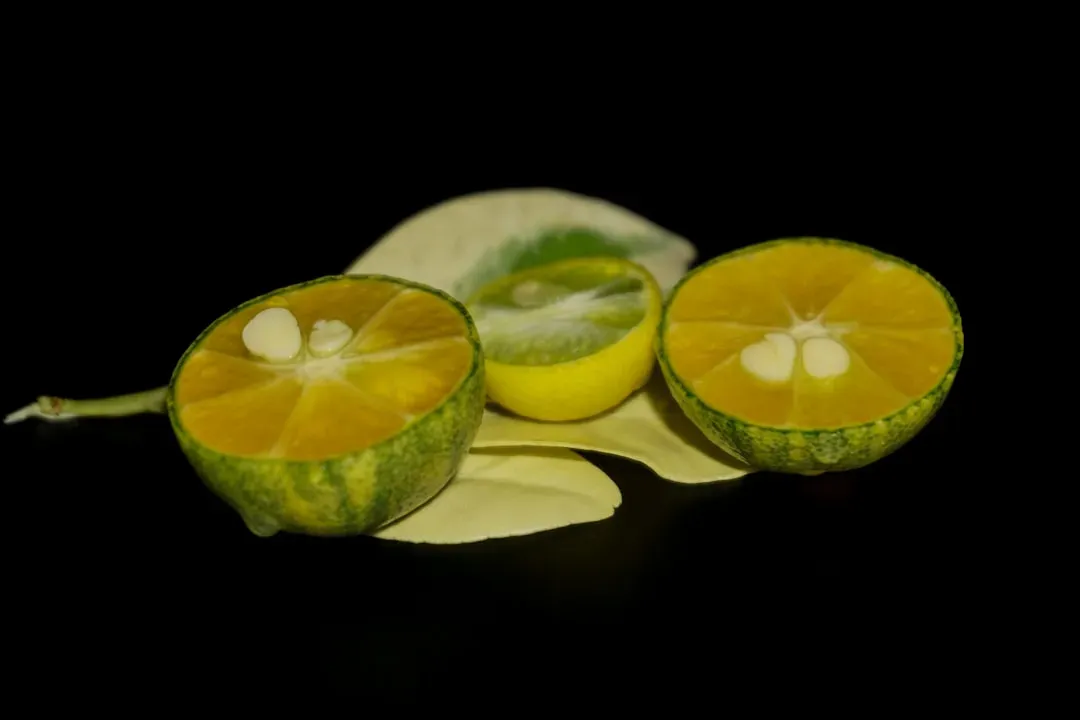
Calamansi, also known as calamondin or Philippine lime, is a staple of Filipino and Southeast Asian cooking that tastes like a very tart combination of lemon, lime and orange, and recently has been popping off as a popular flavor in supermarket goodies such as Trader Joe’s Calamansi and Mango Sorbet and high-end dining across the country. It’s the kind of ingredient that five years ago you’d struggle to find outside specialty Asian markets. Now? It’s showing up at mainstream chains.
Honestly, the whole tropical movement feels like we’re collectively trying to escape somewhere sunnier. Ingredients such as sumac, preserved lemon, and black lime provide both tanginess and depth, appealing to those seeking exotic flavors with a health-conscious edge. These aren’t just random additions. They’re deliberate choices that layer complexity into what might otherwise be ordinary dishes.
Sourdough Is Having Another Moment

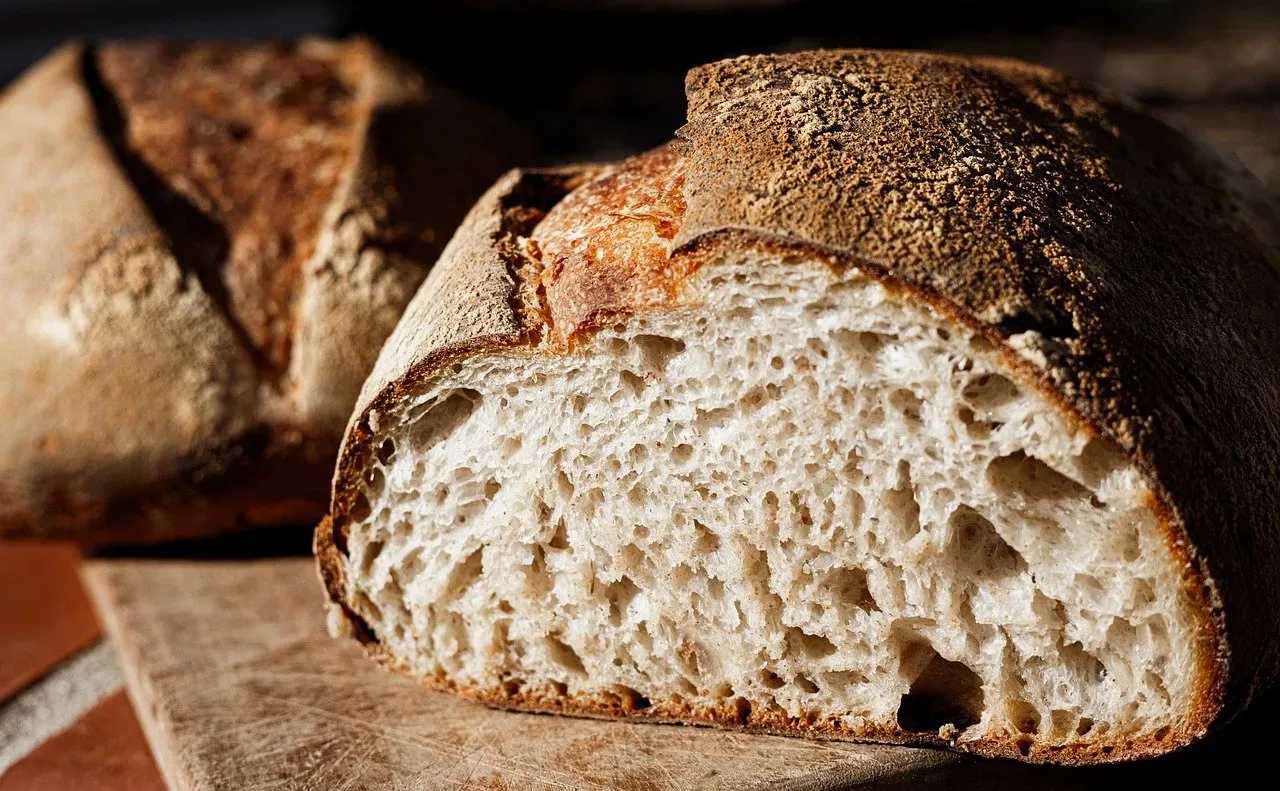
In 2024, only a few years since the pandemic when there was a noticeably increased interest in sourdough starters and baking, Google Trends noted a three times resurgence in searches for sourdough, and globally the sourdough market is anticipated to increase by nearly one-tenth between 2024 and 2029. Yeah, we’re doing this again. The bread that dominated lockdown is back, but this time people are actually getting good at it.
Fermentation creates prebiotics which are what feed the healthy bacteria in your gut, and sourdough bread may be easier to digest than white bread for some people. It’s not just trendy. There are legitimate reasons why fermented foods keep circulating back into our diets. Our ancestors figured out fermentation for preservation, but we’re rediscovering it for gut health and flavor complexity.
Vegetables Become the Main Event

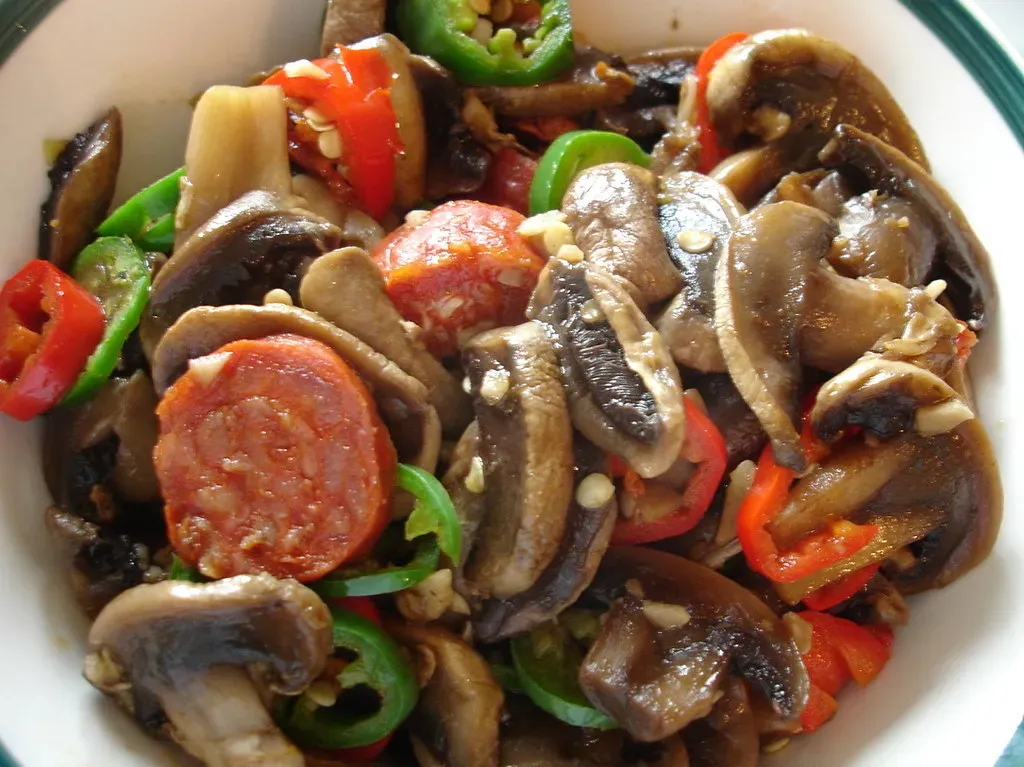
Another big flavor trend in 2025 and beyond is vegetables being highlighted as the hero ingredient, with eggplant tarte tatin, broccoli empanadas, and ube-based pastries all appearing on new restaurant and bakery menus. Finally, we’re treating vegetables with the respect they deserve instead of relegating them to sad side dishes. Chefs are roasting, charring, fermenting, and otherwise transforming them into centerpiece ingredients.
Vegetables represent an untapped area of exploration that’s essentially been under our noses this whole time, and consumers today are lucky to have been exposed to more and more global and regional cuisine, dishes, ingredients, and flavors through social media, television, and their own travels. It’s not about deprivation. It’s about exploration.
What strikes me most about these trends is how contradictory they are. We want health but also indulgence. We crave authenticity while embracing lab-created proteins. We’re simultaneously becoming more adventurous with global flavors and retreating to comforting classics like sourdough. Food culture right now reflects our collective confusion about what we want from our meals, and that tension is creating some genuinely exciting innovations. What do you think? Are these trends actually improving how we eat, or are we just chasing novelty?


