


The music industry witnessed something extraordinary in 2024. Social media platforms became launchpads for cultural phenomena, transforming songs into global conversations almost overnight. Honestly, it felt like every month delivered a new viral explosion that dominated timelines and playlists alike. TikTok, Spotify, and streaming platforms didn’t just influence what we listened to anymore; they literally dictated which artists soared to superstardom and which tracks became unavoidable soundtracks to our daily lives.
What made 2024 particularly fascinating was how viral moments created lasting impact rather than fleeting trends. Artists who went viral this year didn’t just capture attention for a week before disappearing. They built foundations for what we’re seeing unfold in 2026. Looking back now, those viral explosions were more than entertainment; they were seismic shifts shaping the future of music consumption, fan culture, and artist development.
Sabrina Carpenter’s Espresso Became an Inescapable Phenomenon

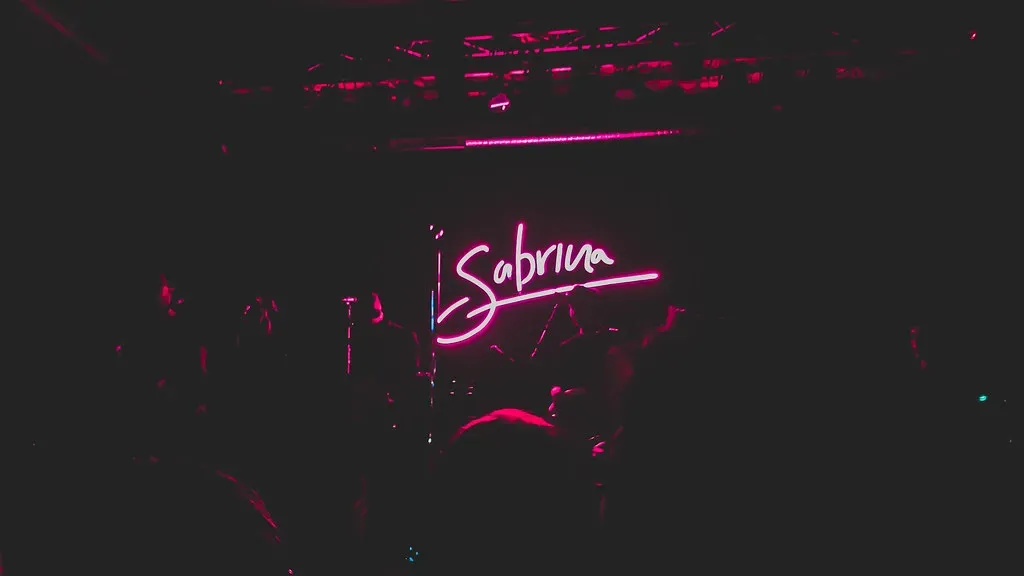
The track garnered over 1 billion streams on Spotify, making it one of the defining singles of the year. “Espresso” pulled in more than 1.6 billion streams since its release in April, ultimately finishing as the most-streamed song of 2024 on both Spotify and Apple Music according to multiple reports. The song’s quirky lyrics like “that’s that me espresso” became instant meme material, spreading across social media faster than the caffeine buzz it referenced.
What made this track particularly interesting was its timing and execution. Carpenter debuted the song at Coachella, creating immediate buzz that carried through the entire summer season. The former Disney Channel star wasn’t competing at the same level as established pop queens, which actually worked in her favor. She could take risks with playful, nonsensical lyrics that more established artists might avoid due to expectations.
In the United States, “Espresso” debuted at number seven on the Billboard Hot 100 chart and later rose to number three. The cultural impact extended beyond streaming numbers. References to the song appeared everywhere from casual conversations to brand marketing campaigns. It’s hard to say for sure, but Espresso might have been the perfect storm of catchy melody, confident energy, and impeccable release strategy.
Charli XCX’s Brat Summer Created a Cultural Movement

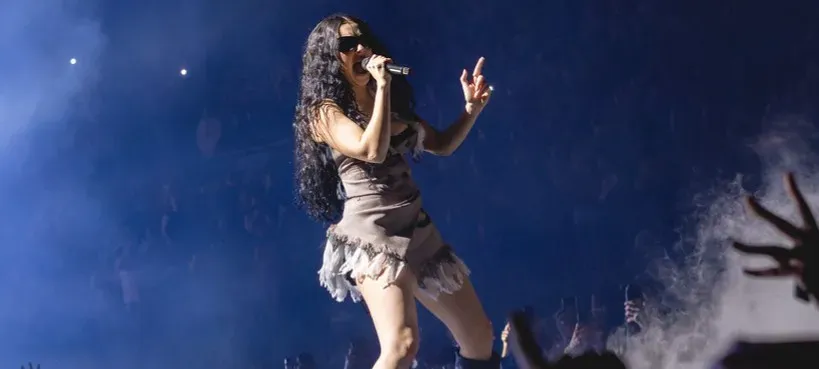
Charli xcx’s “Apple” made BRAT a neon-green omnipresence for much of the year. The album didn’t just drop; it became an entire aesthetic and attitude that permeated pop culture in ways few albums achieve. The track garnered over 252 million streams on Spotify and 13 million views on YouTube, yet the numbers barely captured the full cultural saturation.
The heartfelt song, which details Charli’s fraught relationship with her parents, proved to be a sleeper hit, yielding a viral dance craze on TikTok and across social media. What started as a single evolved into a phenomenon where fans, celebrities, and even Charli herself participated in the viral choreography. The hyperpop mainstay finally broke through to mainstream consciousness after years of critical acclaim and cult following.
Here’s the thing: BRAT represented more than music. XCX’s Brat became the UK artist’s biggest Billboard debut, famously leading to an array of endorsements and a campaign co-sign from Kamala Harris. The neon green aesthetic infiltrated fashion, social media filters, and everyday conversations. Looking back from 2026, BRAT Summer established a blueprint for how album rollouts can transcend music and become full cultural moments.
Kendrick Lamar’s Not Like Us Dominated Hip-Hop Discourse

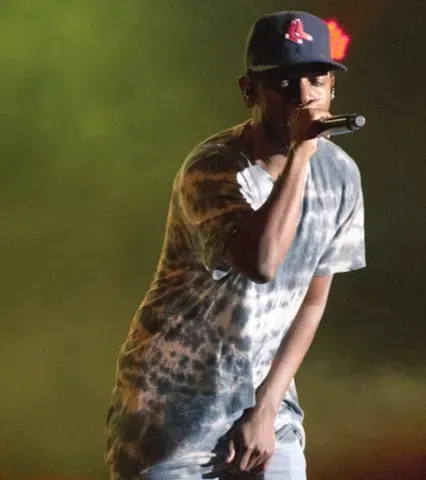
The feud between Canadian pop rapper Drake and Compton wordsmith Kendrick Lamar kicked off in March when Lamar took swipes at his rival in a guest verse on Future’s “Like That”. What followed became one of the most talked-about musical confrontations in recent memory, with both artists releasing multiple diss tracks. By popular consensus, Kendrick Lamar was crowned the winner. After a series of escalating, heated, and increasingly personal diss tracks, Lamar dropped “Not Like Us,” roasting Drake’s entire life, from his social circle, allegations of misconduct, and his music.
The cultural impact rippled far beyond hip-hop circles. Streaming numbers exploded as fans dissected every lyric for hidden meanings and references. Social media became a battleground where listeners took sides, created memes, and analyzed every bar. The intensity of the moment reminded everyone that rap beefs still hold massive cultural weight in 2024, even with the rise of other genres.
The hip-hop beef ignited a competitive spirit that caused conversation and amplified sales across the genre. Looking at the landscape in 2026, that moment reignited mainstream interest in lyricism and competitive rap culture that had somewhat faded in recent years.
Beyoncé Shattered Country Music Boundaries with Cowboy Carter

Cowboy Carter moved 407,000 units in its first frame, a solid 75k higher than the 332,000 moved by Renaissance in its debut week. The album arrived with 407,000 equivalent album units, giving Beyoncé her eighth topper on the chart and marking the biggest sales debut of 2024. What made this particularly groundbreaking was the genre itself.
Cowboy Carter is the first country album by a Black artist to top the main album chart, according to the Official Charts Company. Beyonce’s “Cowboy Carter” broke a record on its debut day becoming the most streamed album on a single day in 2024 so far on Spotify. The album featured collaborations with country legends Willie Nelson and Dolly Parton alongside rising Black country artists, creating a bridge between traditional country and contemporary sounds.
“COWBOY CARTER” spent four weeks at No. 1 on Billboard’s Top Country Albums chart, and helped Beyoncé become the first Black woman to top that chart. Let’s be real: this was more than commercial success. The album sparked necessary conversations about race, genre boundaries, and who gets to claim space in country music. Despite controversy and some resistance from traditional country circles, Beyoncé’s venture opened doors for other artists of color in the genre.
TikTok Proved Its Dominance as Music’s Primary Launchpad

According to TikTok, 13 of the 16 tracks that reached No.1 the US Billboard Hot 100 were in some way linked to a trend on the platform. That statistic alone demonstrates the platform’s staggering influence over mainstream music success. Additionally, 10 of the 11 tracks to hit No.1 on the UK’s Official Singles Chart were boosted by TikTok popularity, showing the global reach of viral trends originating on the app.
The reggaeton hit Gata Only by Chilean artists FloyyMenor and Cris Mj was the platform’s top track globally. The track saw 50 million creations on TikTok and accumulated 1.3 billion streams on Spotify, having reached No.2 on Spotify’s Global Chart. Independent artists suddenly had pathways to global success that would have been impossible just years earlier.
“In 2024 TikTok truly became the music industry’s primary launchpad for music, artists and creativity”, stated TikTok’s Global Head of Music Development. The platform’s impact on 2024 fundamentally altered how record labels approach artist development and marketing strategies heading into 2026.
Conclusion

Looking back from the vantage point of 2026, the viral music moments of 2024 weren’t just fleeting trends. They fundamentally reshaped how music gets discovered, consumed, and celebrated. Artists who embraced social media platforms, took genre risks, and connected authentically with audiences found unprecedented success. The influence of TikTok solidified its position as the most important discovery platform for new music, while traditional metrics like album sales evolved alongside streaming dominance.
The cultural conversations sparked by these moments continue reverberating through the industry today. Genre boundaries feel more fluid than ever, independent artists have viable pathways to mainstream success, and viral moments can launch careers that sustain for years rather than weeks. What happened in 2024 set templates for artistic rollouts, fan engagement, and cultural impact that artists and labels are still studying and replicating. What was your favorite viral music moment from 2024? Did any of these tracks become part of your daily rotation?


