Las Vegas has always been a city of high stakes. Most people think about the casino floor when they hear that phrase. But right now, the real gamble is happening in the rental market, and you do not even need to set foot on the Strip to lose thousands of dollars.
Fraudsters have been quietly zeroing in on desperate home-seekers in Southern Nevada, exploiting a tight housing market and people’s genuine need for a roof over their heads. The tactics are slick, convincing, and getting harder to detect. So if you are hunting for a rental in Vegas right now, this article could save you a painful lesson. Let’s dive in.
The Scale of the Problem Is Bigger Than You Think

New analysis from the Federal Trade Commission shows that since 2020, consumers reported nearly 65,000 rental scams, many of which originated from fake listings on sites like Facebook and Craigslist. That number is staggering when you sit with it for a moment. We are talking about tens of thousands of real people, most of them just trying to find a decent place to live.
According to the FBI’s Internet Crime Complaint Center, rental scams cost victims over $350 million in 2023, with the average loss per person sitting at around $1,400. For someone trying to put a deposit on a new home, losing that amount of money is not just frustrating. It can be genuinely devastating.
Many victims lose at least $1,000, and some lose over $5,000. Those are not small figures. Think of it this way: that could be two months of groceries, a car payment, or the exact deposit you had been saving for six months straight.
Las Vegas Is a Prime Target for Rental Fraud
The Nevada Attorney General’s Office reports rising rental fraud cases targeting Southern Nevada residents through fake Facebook Marketplace and Craigslist listings. This is not a national trend that happens to brush past Vegas occasionally. It is landing squarely on the city’s doorstep.
Rental scams are surging across Southern Nevada as fraudsters exploit the housing crisis by posting fake listings on Facebook Marketplace and Craigslist. A booming population, high rental demand, and plenty of newcomers who have never set foot in the city before create the perfect storm for this type of fraud.
The problem has become so widespread that it even targeted a North Las Vegas Councilman. Scammers took his home, listed it for sale, and reposted it on Facebook Marketplace as a $1,200 rental, complete with fake credit checks to appear legitimate. Honestly, if it can happen to a local elected official, it can happen to absolutely anyone.
Red Flag #1: The Rent Is Suspiciously Cheap
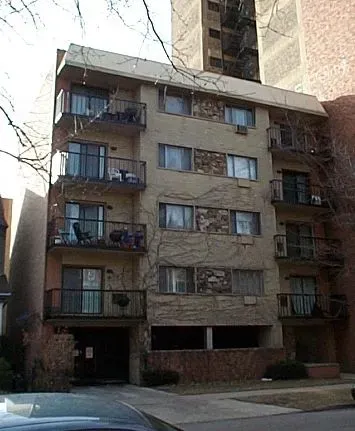
The scams typically follow a familiar pattern: attractive photos of real homes listed at below-market rent prices, followed by pressure tactics demanding immediate deposits before potential renters can view the property in person. The cheap price is the hook. Everything else is the trap closing around you.
If the rent for an apartment is well below the going market rate, consider it a red flag. Scammers love to draw people in with claims that sound too good to be true. In a competitive market like Las Vegas, a dramatically discounted rent is not a lucky break. It is almost certainly bait.
Think of it like a poker tell. The moment a rental looks far cheaper than every other property on the same street, your instinct should not be excitement. It should be suspicion. The best deals in a tight housing market do not usually stay hidden in an unlabeled Facebook post.
Red Flag #2: The Photos Are Stolen From Real Listings

In perhaps the most common type of fraud involving rentals, scammers simply copy the photo and description of a property, post it online with their own contact information, and try to get a deposit and first month’s rent from the victim. It takes them minutes to do this, and the results can look completely convincing.
BBB Scam Tracker reports indicate that many scammers steal online rental listings, including the photos of the house or apartment and the property description, and create their own listings which look legitimate but contain the scammer’s contact information instead of the property owner’s or rental agent’s. You could be looking at a real home on a real street, just one that the fraudster has absolutely no connection to.
A reverse image search on Google takes about thirty seconds and can expose a stolen listing almost instantly. If those same property photos appear on Zillow, Redfin, or another platform with a completely different contact name, walk away immediately. The BBB confirms this simple step catches a huge number of cloned listings before any money changes hands.
Red Flag #3: The Landlord Refuses to Meet or Show the Property

BBB reports indicate that scammers will work out a deal with potential renters over the phone, insisting that because of an emergency or circumstances outside of their control, they are not able to meet in person or show the property. The excuse changes, but the pattern is always the same. Overseas work trip. Family emergency. Keys are with a neighbor who is conveniently unavailable.
A landlord refusing to meet in person or show the property in person is a major red flag. A legitimate property owner almost always wants to vet a potential tenant face to face. The idea that they would hand over a deposit without ever meeting you in the flesh makes zero sense from a real landlord’s perspective.
Here is the thing: if someone is genuinely renting out a property they own, they have every incentive to show it off. A scammer, on the other hand, cannot show you a home they do not own or do not have access to. The excuse of being “out of the country” has become so common in rental fraud that consumer protection agencies now list it as one of the most consistent warning signs in reported cases.
The Facebook Marketplace Pipeline

About half of reports from the twelve months ending June 2025 indicated the scam began with a fake ad on Facebook, while another sixteen percent traced back to Craigslist. That is nearly two thirds of all rental scam encounters originating from just two platforms. Let that sink in before you scroll through your next Facebook housing group.
The FTC’s latest Consumer Protection Data Spotlight highlights that rental scams often involve fake listings that mimic legitimate ones by copying photos, descriptions, and details from real properties. Scammers replace contact information with their own and post the ads on various platforms. The forgery is designed to be invisible at first glance.
Social media makes distribution effortless. A scammer can post the same fake listing in dozens of Las Vegas Facebook housing groups within an hour. It reaches thousands of people actively looking for rentals, all of whom are already emotionally invested in finding something quickly. That emotional urgency is exactly what fraudsters count on.
Young Adults Are the Most Vulnerable Group

People ages 18 to 29 were three times more likely than other adults to report losing money to a rental scam. The FTC points out that young adults frequently use online platforms, including college-focused Facebook groups for sublets and off-campus housing. This makes newcomers, students, and young professionals moving to Vegas particularly exposed.
The share of reports indicating a monetary loss filed by the 18-29 age group represented forty-six percent of all cases, compared to twenty-three percent for the 30-39 group and thirteen percent for the 40-49 group. Nearly half of all financial losses reported to the FTC fell on people under thirty. It is a sobering statistic.
It is not that younger adults are naive. It is more that they have grown up doing everything online, which naturally builds a kind of digital confidence that scammers exploit. Renting an apartment through an app or a Facebook post feels as normal as ordering takeout. That normalcy is the vulnerability.
AI Is Making Fake Listings More Convincing Than Ever
Scammers are now generating fake landlord profiles, complete with believable bios, photos, and property details, and some even create full websites. This is a significant escalation. It is no longer just a copy-pasted listing with bad grammar. It can look like a fully operational rental business.
AI-generated documents are producing fake income records and IDs, synthetic identities are built from a mix of real and fabricated details, and fraud-as-a-service platforms are selling falsified documents online. The technology has lowered the barrier for entry into this kind of fraud dramatically.
In minutes, applicants can forge bank statements, pay stubs, or references that look authentic, and standard background checks often miss these high-quality fakes. I know it sounds crazy, but we are genuinely at a point where a scammer with a laptop and a free AI tool can produce a fake landlord persona that is nearly indistinguishable from a real one.
What Payment Methods Scammers Demand – and Why It Matters

A landlord asking for non-traceable payment methods only, such as wire transfers, gift cards, or cryptocurrency, is a major warning sign. These methods have one thing in common: once the money leaves your hands, it is almost certainly gone for good.
Listings that pressure you to book quickly or require unusual payment methods like wire transfers, gift cards, or cryptocurrency should raise immediate caution. The combination of urgency and untraceable payment is the scammer’s two-step. One creates panic, the other locks in the loss.
No legitimate landlord in Nevada needs you to wire money or send a gift card before seeing a lease agreement. Full stop. If someone insists on that kind of payment, treat it as confirmation you are dealing with fraud, not an eccentric landlord with unconventional preferences.
How to Protect Yourself Before Sending a Single Dollar
Search the listing online as well as the associated phone number and email address. If you find another listing for the same property in a different city, you have spotted a scam. Reverse image searches can also be helpful, as can searching the alleged landlord’s name along with the word “scam.” These steps take maybe five minutes and can save you thousands.
Using public records, scammers will identify owners of real estate that is free of a mortgage or other liens, most often targeting vacant lots and investment, vacation, or rental properties not occupied by the owner. That means checking county property records to verify whether the person contacting you actually owns the home they claim to rent is not paranoia. It is just smart due diligence.
For scams involving licensed professionals, reporting to the Nevada Real Estate Division can result in potential disciplinary action. The FTC also advises reporting suspected scams at ReportFraud.ftc.gov, which feeds into the Consumer Sentinel Network for tracking trends. Reporting matters. Every case filed helps build a clearer picture of who is targeting Nevada renters and how.
The Bottom Line: Slow Down and Verify Everything
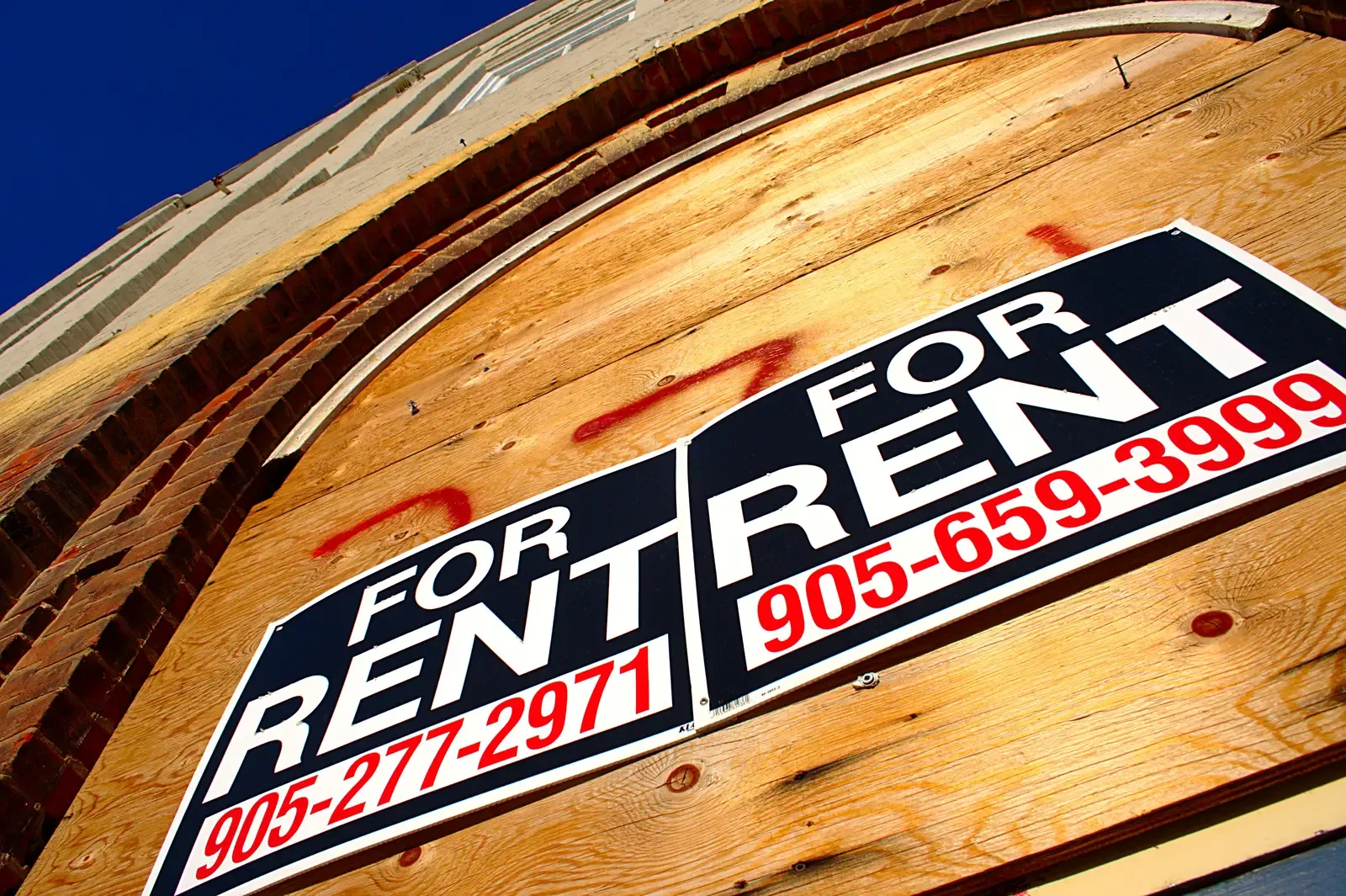
Rental fraud in Las Vegas is not a fringe problem. It is a well-organized, increasingly high-tech operation targeting everyday people at a vulnerable moment in their lives. The housing market’s pressure cooker environment is exactly what gives scammers their leverage.
The three red flags are always the same: a price that seems impossibly low, photos that belong to someone else, and a landlord who will never show you the property in person. Spot any one of those, and your alarm bells should be ringing loudly.
The single most powerful protection you have is simply slowing down. Scammers rely on urgency. The moment someone tells you a deal will disappear if you do not pay within the next few hours, that urgency itself is the real red flag. Take your time, check the records, and always see the property in person before any money changes hands. What would you have done if you had received one of these listings today? Tell us in the comments.