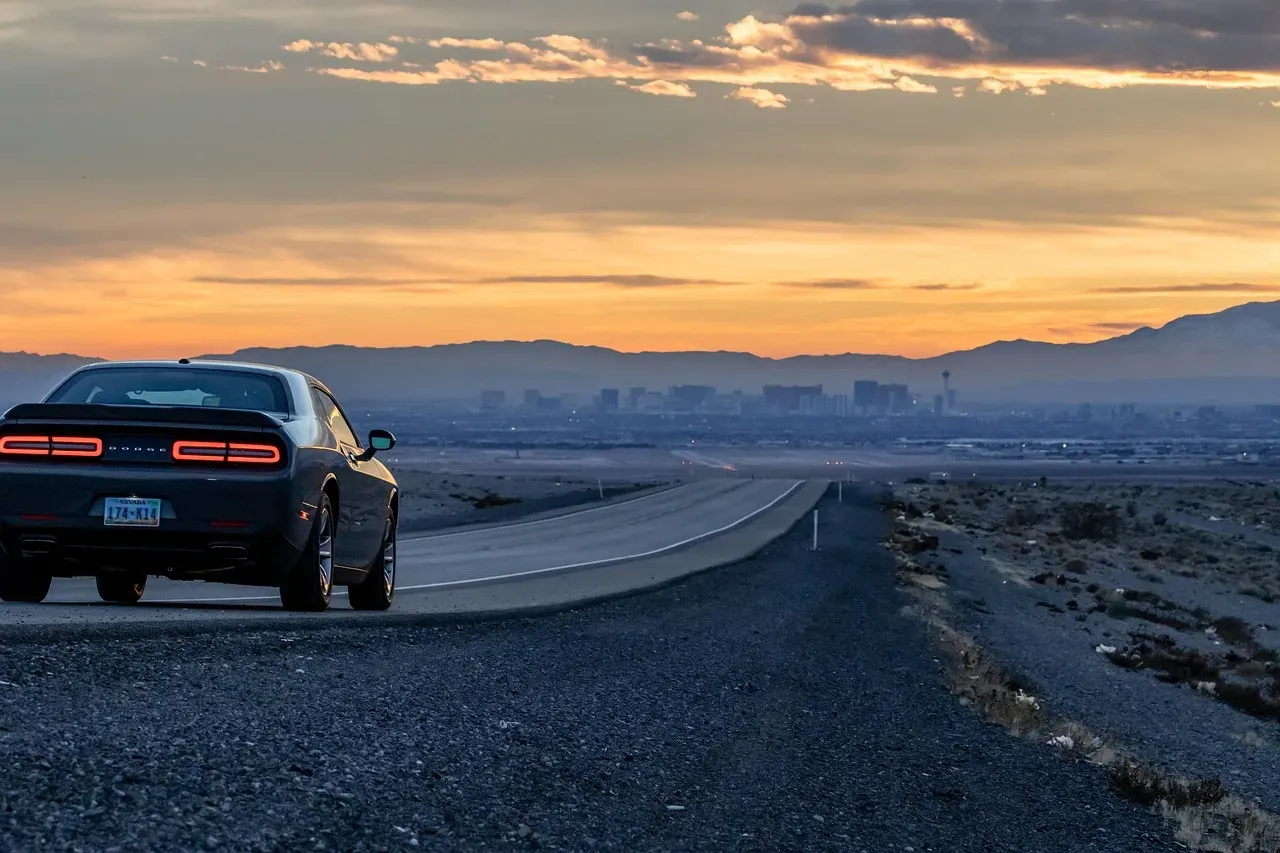
When the Tropicana came down in October 2024, people stood outside the exclusion zone in the dark at 2:30 in the morning just to watch it fall. The last true mob-era structure on the Las Vegas Strip collapsed to fireworks, drones, and a crowd that had no real reason to be there at that hour – except that grief, even for a building, has its own pull. Old Vegas wasn’t just a city. For millions of people, it was a feeling. And every implosion on the Strip is really a question: what exactly are we mourning, and does the thing we miss even exist the way we remember it?
A City Built to Forget Itself

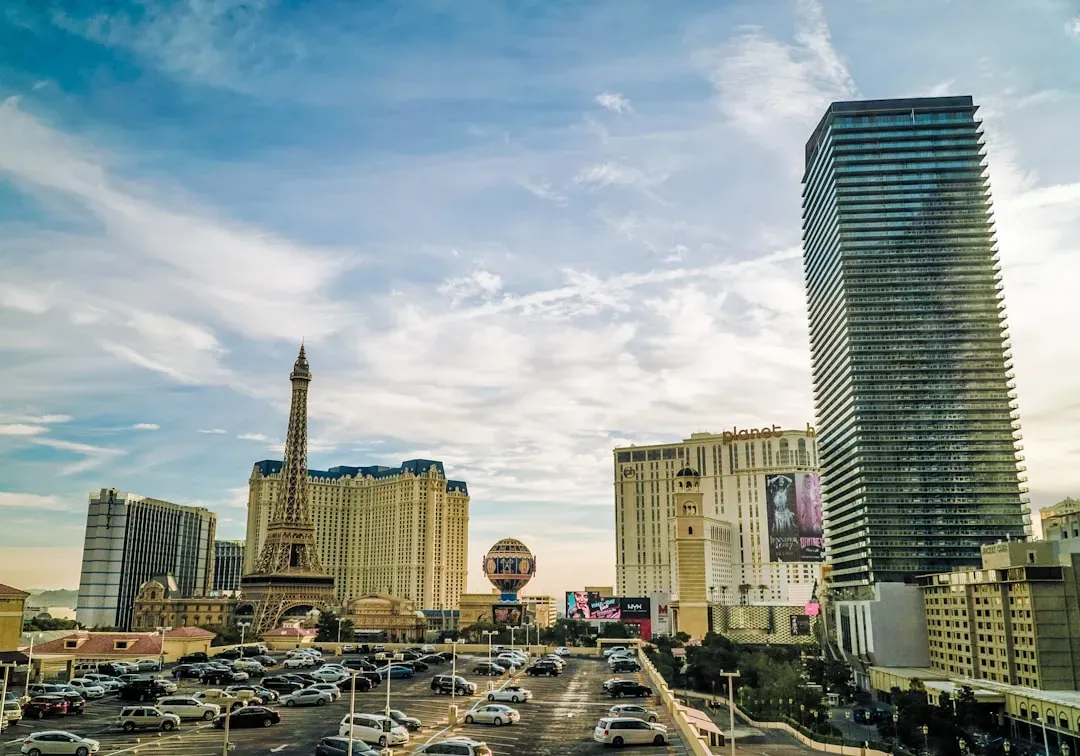
Las Vegas is a city known for its constant evolution, with old hotels and casinos often making way for new projects. Over the years, many iconic properties have been demolished for various reasons. The pace of that destruction has been relentless. Las Vegas is famous for constantly reinventing itself, tearing down the old to make room for the new. Over the decades, some of the most legendary casinos that helped define the city’s glitzy reputation have been reduced to rubble in dramatic implosions.
Each loss reflects the same forces: skyrocketing land values, shifting tourist tastes, and the relentless push toward bigger and flashier resorts. These weren’t just business decisions – they were cultural turning points that reshaped the city’s identity. A city that was never designed around memory keeps generating an unusual amount of it.
The Implosion as Public Ritual


Former casino mogul Steve Wynn changed the way Las Vegas blows up casinos in 1993 with the implosion of the Dunes to make room for the Bellagio. Wynn thought not only to televise the event but created a fantastical story for the implosion that made it look like pirate ships at his other casino across the street were firing at the Dunes. That moment essentially invented a new civic ceremony for the city.
It soon became the norm – minus some of the theatrics – as 13 additional casinos on and around the Strip have been imploded. It was the first implosion in nearly a decade for a city that loves fresh starts and that has made casino implosions as much a part of its identity as gambling itself. That last detail is telling. Destruction, properly staged, becomes entertainment.
The Tropicana and the End of Something Real

The Tropicana, the third-oldest casino on the Strip, closed in April after welcoming guests for 67 years. Once known as the “Tiffany of the Strip” for its opulence, it was a frequent haunt of the legendary Rat Pack, while its past under the mob has long cemented its place in Las Vegas lore. Its closing hit harder than most because something genuinely original was leaving.
In 1979, the casino’s beloved $1 million green-and-amber stained glass ceiling was installed above the casino floor. The Tropicana’s original low-rise hotel wings survived the many renovations, however, making it the last true mob structure on the Strip. Many locals and historians view the Tropicana’s disappearance as the true end of old Vegas. Its storied past and mob connections gave it a mystique that newer resorts simply can’t replicate.
While the demolition has elicited feelings of nostalgia from locals and historians, it signals the start of a new chapter for the city. This time, the implosion cleared land for a $1.5 billion baseball stadium for the relocating Oakland Athletics, part of the city’s latest rebrand into a sports hub. The math of progress is never sentimental.
Why Our Brains Are Wired for This Kind of Longing


Nostalgia is an ambivalent emotion involving sentimental longing for a past that no longer exists. Although this fondness for the past feels mostly positive, it also involves a yearning for things that no longer can be, adding sadness to one’s emotional canvas. That bittersweet quality is precisely what gives it power. It doesn’t feel like ordinary sadness because it isn’t.
Nostalgia functions like an emotional immune system, deploying positive memories to fight off feelings of loneliness or sadness. When we feel down, disconnected, or uncertain, our brain retrieves these meaningful memories to restore feelings of social connection, self-worth, and stability. As psychologist Andrew Abeyta explains, the link isn’t that nostalgia makes us sad, but that sadness makes us nostalgic. This understanding of nostalgia as a psychological rescue tool, triggered by present-day struggles, directly challenges the next common myth: that it’s an unhealthy fixation on the past.
The Brain Science of “Old Vegas” Memories

Existing studies have shown that nostalgia involves brain structures known to be engaged in self-reflection, autobiographical memory, emotion regulation, and reward processing. When someone recalls the Copa Room at the Sands or the Stardust marquee, those aren’t just pleasant thoughts. They’re activating multiple deep-wired systems at once.
Perhaps the most beneficial and simple aspect of nostalgia is its ability to bring joy to our lives. Reliving some of our favorite memories releases dopamine in our brains, which can give us a quick boost in the mood department. Nostalgia boosts self-esteem, increases meaning in life, fosters social connectedness, enhances psychological health and well-being, and attenuates dysphoric states such as loneliness, boredom, stress, or death anxiety. The chemistry of nostalgia, in other words, is genuinely rewarding.
Memory Is Not a Recording – It’s a Story We Tell Ourselves


We tend to think that our favorite old song is simply a “good song” or that a beloved movie from our youth is objectively a classic. But research reveals a more complex reality: nostalgia actively changes our cognition, creating stronger attitudes toward things from our past. Research by psychologists LaCount J. Togans and Allen R. McConnell has identified that nostalgic things are viewed more positively.
Nostalgia has been described as a “form of self-deception” in which we tend to erase the pieces that were boring or difficult in favor of a more romanticized view. Old Vegas, for many visitors, was also a city of loan sharks, skimmed casino earnings, environmental damage from nearby nuclear tests, and deeply segregated hotel floors. As Marcel Proust observed, “the remembrance of things past is not necessarily the remembrance of things as they were.” Nostalgia curates.
The Sands, the Stardust, and the Myth of the Rat Pack City
The Sands Hotel and Casino, forever linked to Frank Sinatra and the Rat Pack, was imploded in 1996 to clear space for The Venetian. The Sands became closely associated with classic Las Vegas glamour during the 1950s and 1960s. Stars performed in its Copa Room, drawing guests who wanted refined nightlife instead of simple gambling halls. The mythology of that era has only grown more vivid as the physical evidence has vanished.
Opening its doors in 1958, the Stardust quickly became a Vegas icon with its enormous scale and dazzling entertainment. Lavish productions like Lido de Paris drew crowds from around the world. Big names such as Wayne Newton, Siegfried and Roy, and Don Rickles all performed on its stages. By the early 2000s, though, the Stardust couldn’t compete with flashy new megaresorts popping up everywhere. Boyd Gaming shut it down on November 1, 2006. The gap between the legend and the late-period reality was already vast before the building fell.
The Neon Museum: Nostalgia Given a Physical Address

In the past 12 years, the museum has gone from pulling in 20,000 visitors a year to attracting over 200,000. That tenfold growth isn’t coincidental. It tracks almost exactly with the acceleration of demolitions on the Strip and a broader cultural turn toward preservation. As of 2023, the museum received 200,000 visitors annually, with 30,000 turned away that year as a result of sold-out tours.
A Tropicana Las Vegas Casino Resort sign from 1978 that has been part of the Neon Boneyard collection since 2010 was brought back to its glory in early 2024. Made possible thanks to a collaboration between The Neon Museum and Tropicana to preserve the legacy of the iconic property after its April 2 closure, this marked the first time the sign had been re-illuminated since becoming part of the collection. The sign outlived the building by years, and somehow that makes it more moving.
Tearing down these legendary hotels means losing more than bricks and mortar – it erases stories, memories, and pieces of Vegas’s soul. Each casino had unique architecture, dazzling signage, legendary shows, and local tales that gave the city its one-of-a-kind character. Thankfully, the Neon Museum preserves signs and artifacts, keeping visual history alive for future generations.
Place Nostalgia and What We Actually Miss

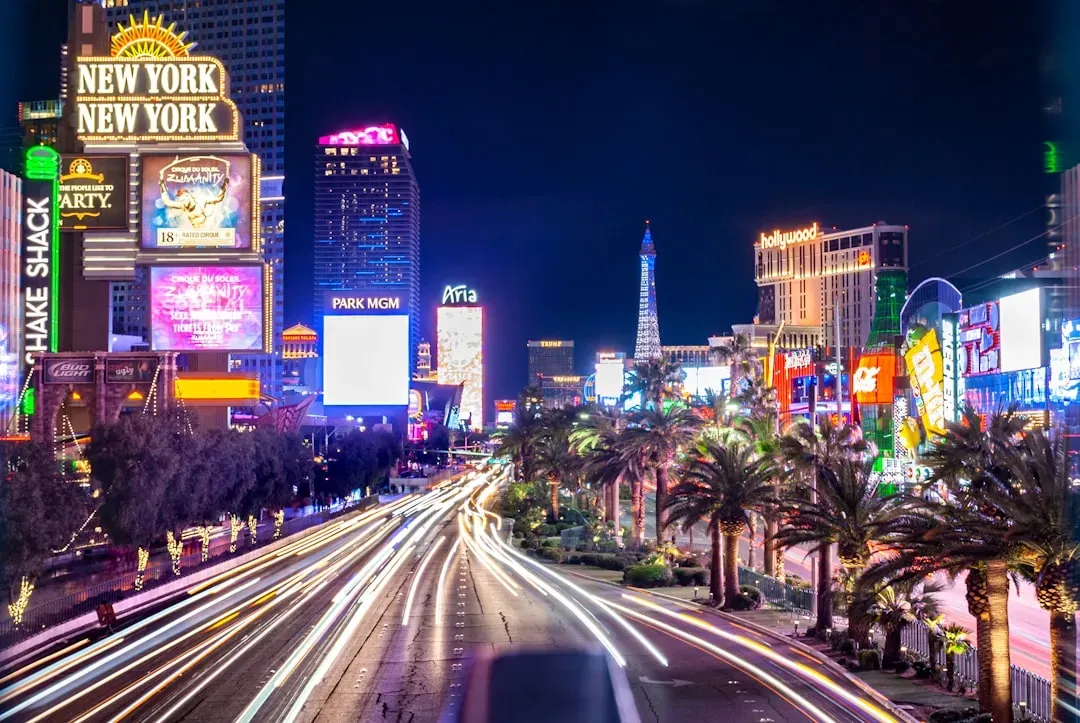
Nostalgic places are further away from one’s current location, yet they appear psychologically closer than ordinary ones. Place nostalgia furthermore increases social connectedness, meaning in life, self-continuity, self-esteem, and authenticity. Las Vegas, for many people, is exactly this: a place they visited during formative moments – a honeymoon, a bachelor trip, a weekend that felt briefly outside of ordinary time.
Times of adversity can trigger nostalgia because remembering who we were helps with our identity continuity. The Strip in the 1970s or 1980s had nothing to do with most people’s actual lives. What it offered was a stage where personal memories were made, and those memories attach themselves to the setting. When the setting disappears, a version of the self disappears with it.
The Nostalgia Trap: When Longing Becomes Selective


In a time of rapid social and technological change, nostalgia motivates the rehearsal of past experiences that can remind us of our authentic self. In the midst of a kaleidoscope of social and personal transformation, nostalgic reminiscence grounds us with the reminder of the one constant – we are the source of our thoughts, actions, and feelings across time and change. By maintaining a relationship with old parts of our self, we can measure our development and sustain a sense of continuity.
When we become too attached to certain memories, it can be hard to embrace the present, leaving us stagnant in certain areas of our lives. In the case of Las Vegas, that stagnation has a particular flavor: longing for a city that was, in many ways, more exclusive, more dangerous, and more morally complicated than the place it has become. One of the most startling scientific findings is that nostalgia is fundamentally a future-oriented experience. Rather than trapping us in what was, it equips us for what’s to come. The trap, then, isn’t the longing itself. It’s mistaking that longing for a factual verdict on the past.
What “Old Vegas” Nostalgia Really Tells Us
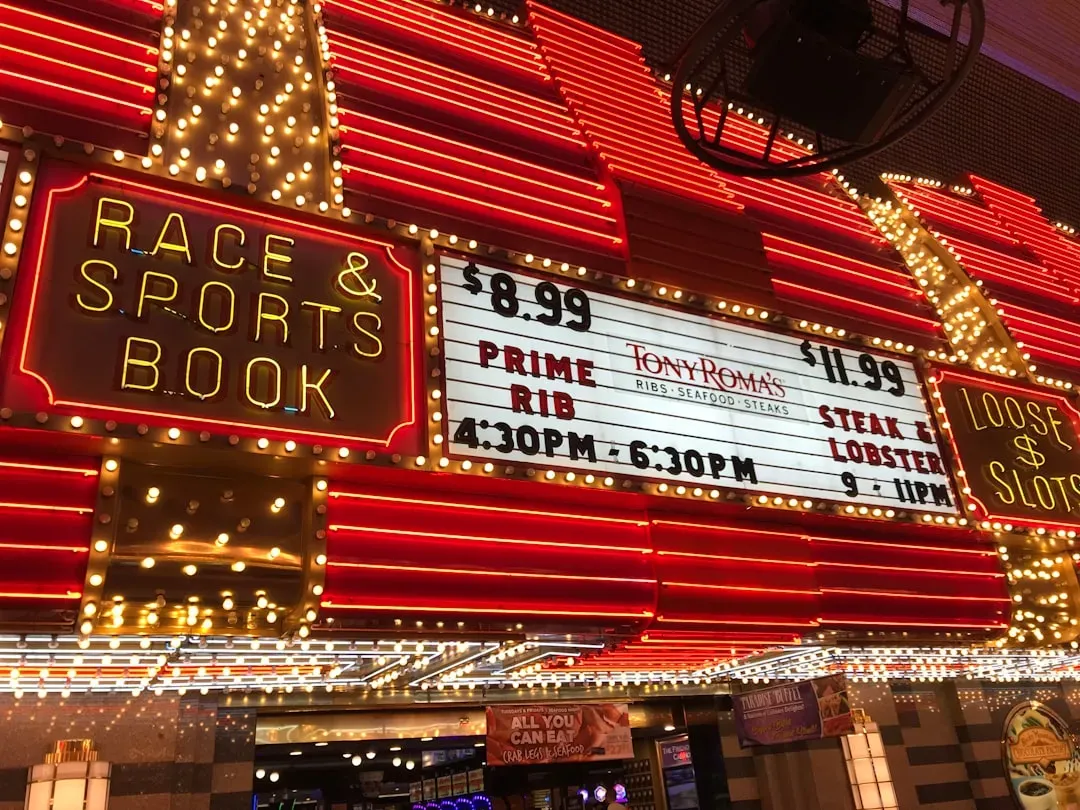
Consuming nostalgic media of all types gives us a way of thinking about who we are, and helps us make sense of our purpose in life. The same is true of nostalgic places and the stories attached to them. When we mourn Old Vegas, we’re partly mourning younger versions of ourselves. We’re mourning simplicity, or the illusion of it.
Contrary to the negative stereotype of nostalgia as escapist or as a retreat to an idealized nonexistent past, nostalgia proneness is not related to dysfunctional coping strategies such as denial, disengagement, self-blame, or substance abuse. Nostalgic reverie is not just an attempt to live in the past or a search for solace in fantasy. It is a visit to our past to find strength and insights that will help us overcome adversity and forge ahead.
There is something genuinely worth honoring in the impulse to mourn what’s been lost. The Dunes, the Sands, the Stardust, the Tropicana – these places carried real human history inside them. The feeling that something irreplaceable keeps disappearing from the Strip isn’t a delusion. It’s a reasonable response to something real. The trap is only in believing the past was cleaner, simpler, or more magical than it was. Las Vegas has always been a city selling you a story about itself. Nostalgia just means the story stuck.