Most writers spend a career building a shelf of books. A few are remembered for just one, and that one book often ends up bigger than the writer behind it. Some of these authors died young, some got stuck, and some simply said what they had to say.
The eight below are real cases, though the details vary a lot. Some wrote other kinds of work, such as poems, essays and plays. Others left behind unfinished or posthumous material. What ties them together is that a single novel carries their reputation.
Margaret Mitchell and Gone with the Wind


Margaret Mitchell published Gone with the Wind in 1936, after years of writing it in secret in Atlanta. It sold in huge numbers and won the Pulitzer Prize for the novel in 1937. The film adaptation followed in 1939 and cemented its place in popular culture.
She never published another novel. Mitchell died in 1949 after being struck by a car in Atlanta. The book remains her whole public legacy, and it is still discussed today for both its reach and its romanticized portrait of the Old South.
Emily Brontë and Wuthering Heights

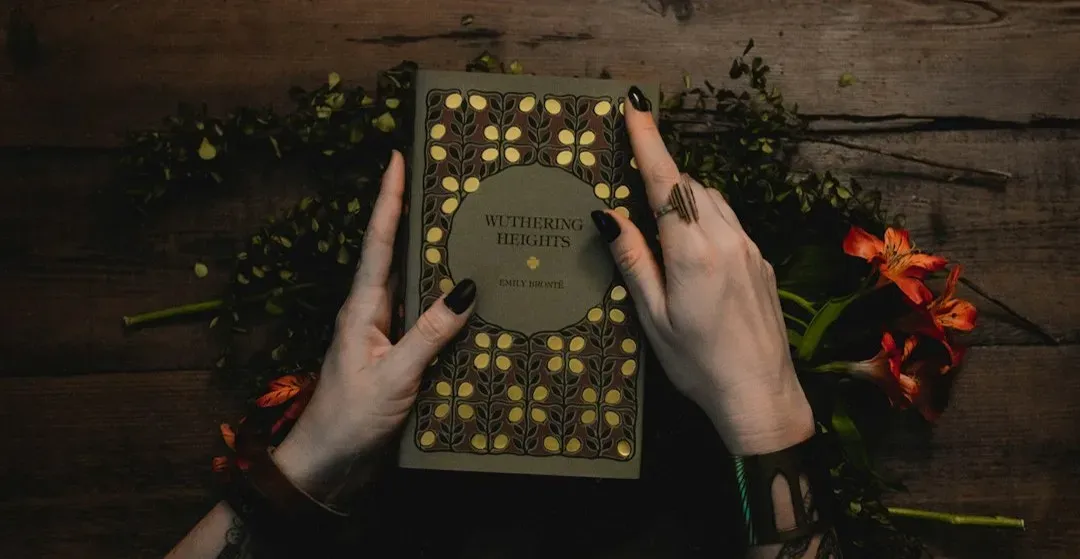
Emily Brontë published Wuthering Heights in 1847 under the pseudonym Ellis Bell. Early reviewers were unsure what to make of its harsh characters and stormy plot. Over time it settled into the English literary canon.
She died in December 1848, barely a year after the book appeared. Her other published writing was poetry, so the novel is the only one she left. Its reputation grew long after she was gone.
Anna Sewell and Black Beauty

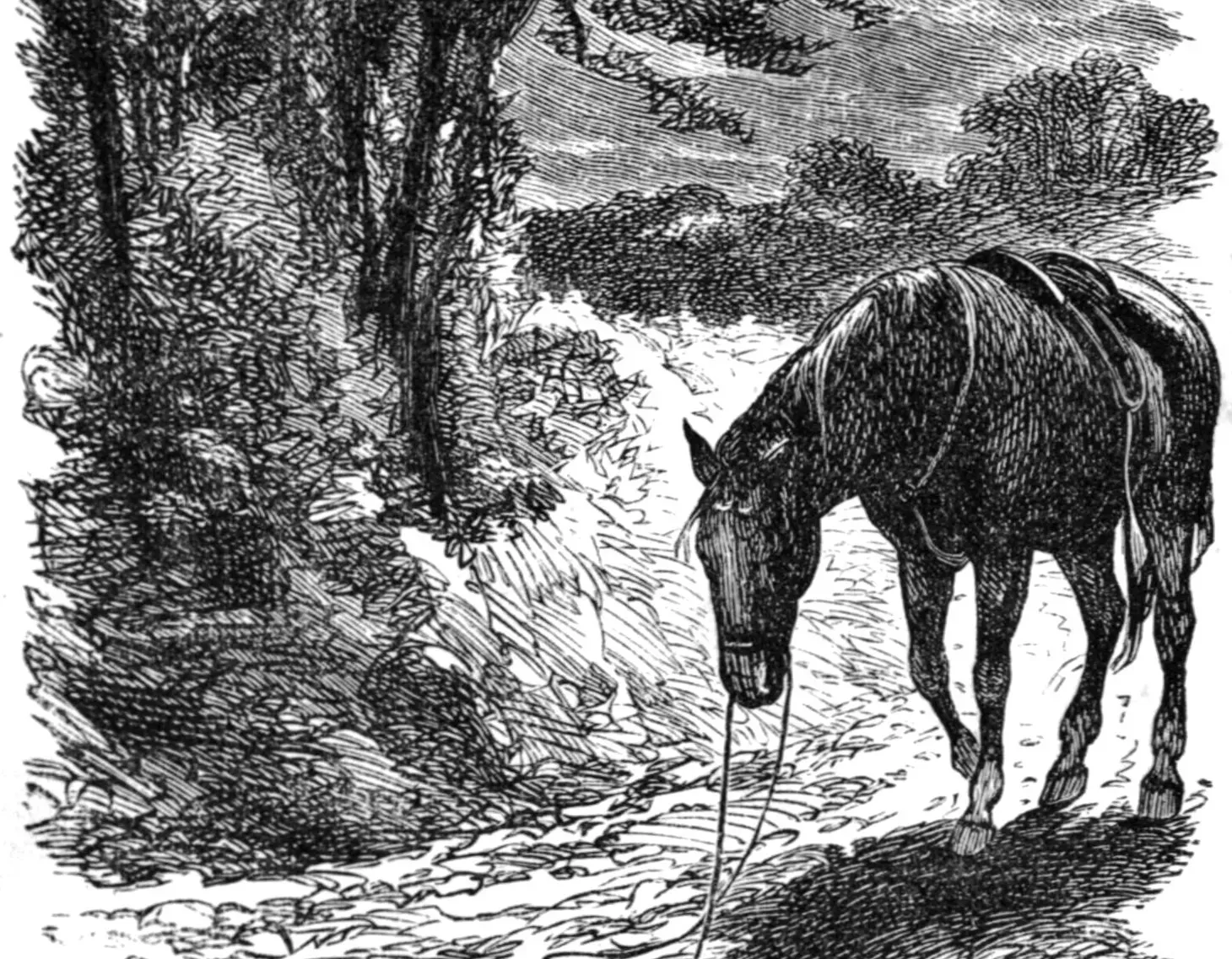
Anna Sewell wrote Black Beauty during years of poor health that limited her mobility. The book, told from the point of view of a horse, came out in 1877. It was meant to encourage kinder treatment of working animals.
Sewell died in 1878, only months after publication. She saw the early success but not the book’s long life. It has stayed in print for generations and remains one of the best known animal stories in English.
Oscar Wilde and The Picture of Dorian Gray

Oscar Wilde is famous for plays, essays and poems, yet he wrote only one novel. The Picture of Dorian Gray first appeared in Lippincott’s Monthly Magazine in 1890. A longer book version followed in 1891 with added chapters and a preface.
The story drew criticism for its perceived immorality, and its themes were later raised against Wilde in his trials. Because he was so productive in other forms, he is an unusual entry here. Still, on the novel front, Dorian Gray stands alone.
Partner offer

Boris Pasternak and Doctor Zhivago
Boris Pasternak was already respected as a poet when Doctor Zhivago appeared in 1957. Soviet authorities refused to allow its publication at home, so it first came out in Italy. The novel then spread through translations across the world.
Pasternak was awarded the Nobel Prize in Literature in 1958. Soviet pressure forced him to decline it. Doctor Zhivago is his only novel, and its publication history is as famous as its plot.
Ralph Ellison and Invisible Man

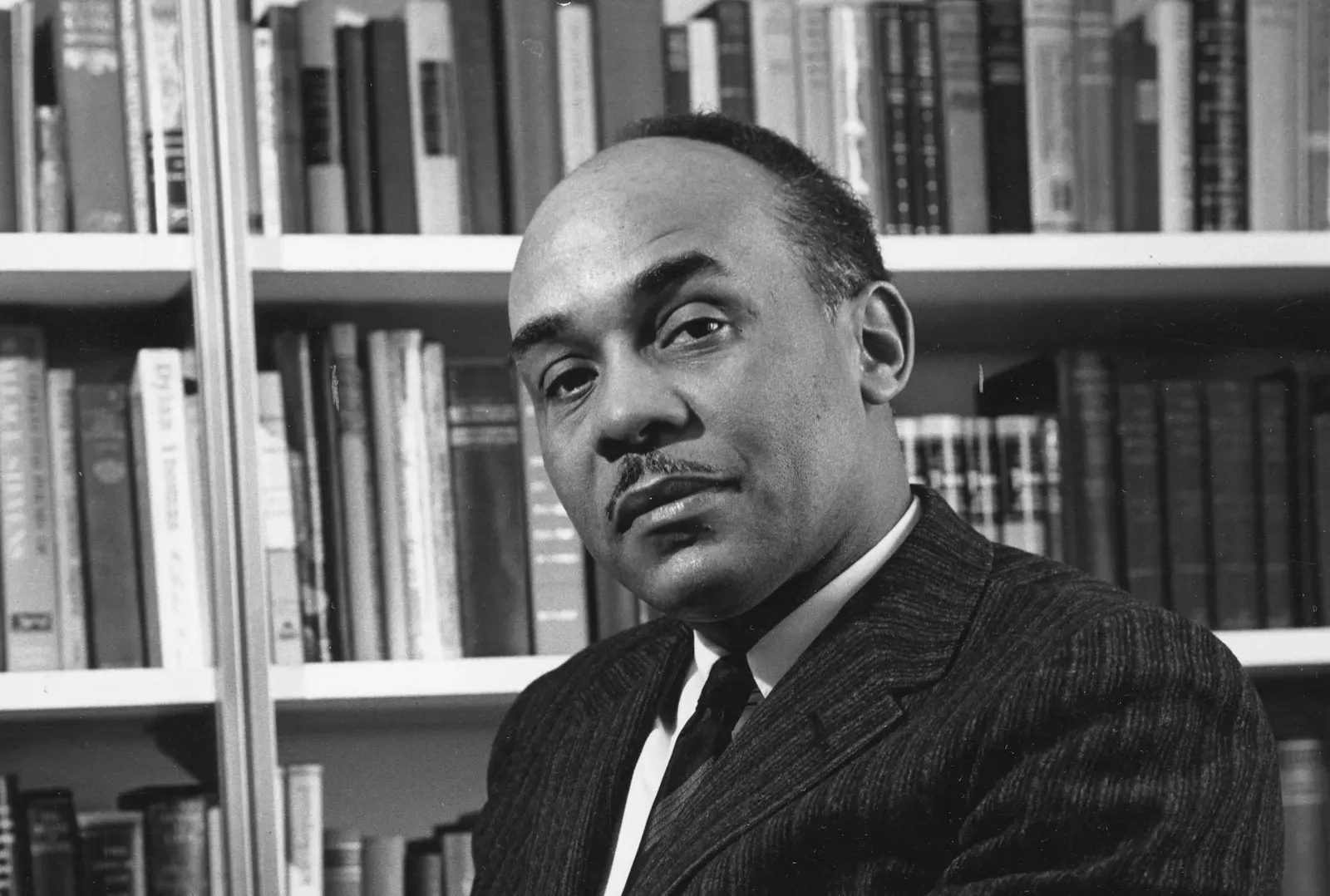
Ralph Ellison published Invisible Man in 1952. The novel follows an unnamed Black narrator through American society and won the National Book Award in 1953. It is regularly counted among the major American novels of the twentieth century.
Ellison spent decades on a follow up but never finished it in his lifetime. A fire at his Massachusetts home in 1967 reportedly destroyed part of his work in progress. After his death, Juneteenth appeared in 1999 and Three Days Before the Shooting in 2010, both edited from his papers, so he is a one novel author only in the sense of what he published himself.
Sylvia Plath and The Bell Jar

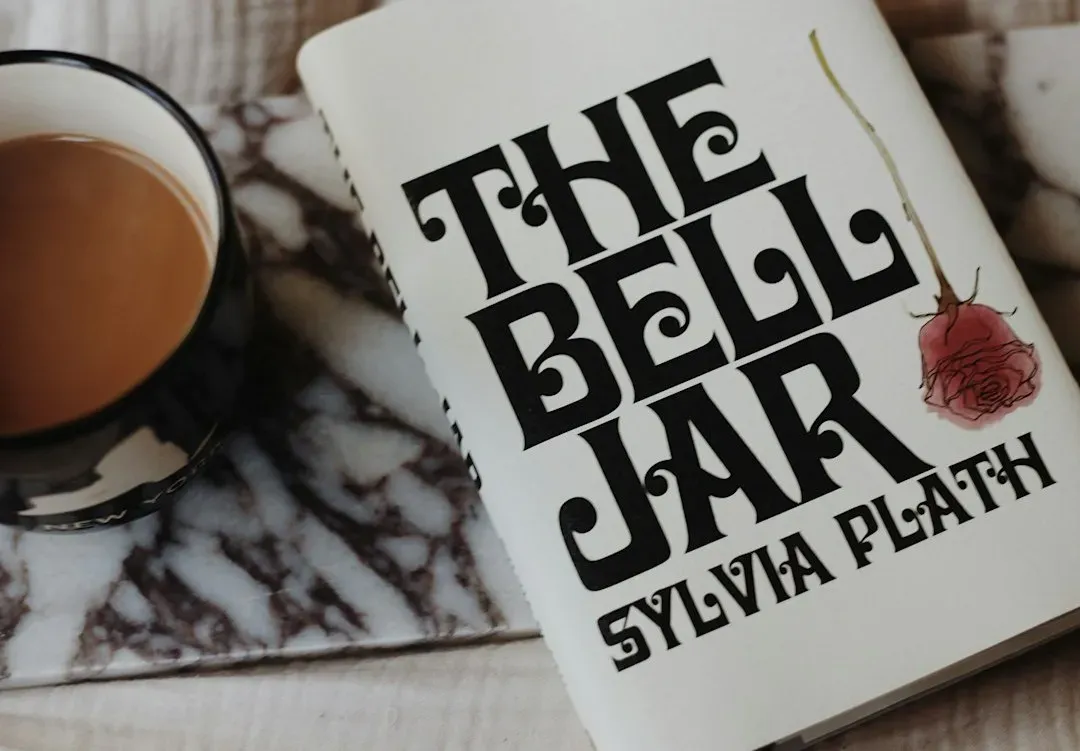
Sylvia Plath is best known as a poet, but The Bell Jar is her only novel. It was first published in Britain in January 1963 under the pseudonym Victoria Lucas. The book draws on her own experiences with depression and a breakdown.
Plath died a month after it came out. The novel was published in the United States in 1971 under her own name. It has since become a staple of reading lists and remains widely read.
John Kennedy Toole and A Confederacy of Dunces


John Kennedy Toole wrote A Confederacy of Dunces in the early 1960s, but publishers rejected it. He died in 1969, and the manuscript looked destined to vanish. His mother, Thelma, kept pushing it until novelist Walker Percy agreed to read it.
Louisiana State University Press published the book in 1980. It won the Pulitzer Prize for Fiction in 1981. Toole also wrote an earlier novel, The Neon Bible, released in 1989, but Confederacy is the work that made his name.
A Note on Where to Begin

If you want the shortest path in, Black Beauty and Wuthering Heights are compact by classic standards. The Bell Jar is also a fairly quick read. Gone with the Wind and Doctor Zhivago demand more time.
Most of these books are in the public domain or widely available in libraries and affordable editions. Check which translation or edition you are getting, especially for Doctor Zhivago. Editions of Ellison’s and Toole’s work differ in what extra material they include.
Partner offer
Planning a trip to Vegas?
Compare hotel rates and show tickets on VEGAS.com.