Every book that eventually becomes a classic has a messier, less certain history behind it than readers usually realize. Manuscripts get trimmed, editors push back, and authors argue over pages that later turn out to matter enormously, or not at all. Somewhere in a drawer, a filing cabinet, or an old set of galley proofs, there is almost always a chapter that never made it, or barely survived a fight to stay in the book. What makes these stories interesting isn’t just trivia for literature buffs. They show how fragile the final shape of a beloved novel actually was, and how close some of the most famous scenes came to disappearing entirely before anyone ever got to read them.
Dracula’s vanished final chapter

Bram Stoker’s 1897 novel almost ended very differently. The final chapter was taken out by Stoker at the last minute, and in the deleted chapter, Dracula’s castle falls apart as he dies, to hide the fact that vampires were ever there. It was a much more theatrical, almost gothic-disaster ending than the quieter one Stoker settled on.
Scholars still debate why he pulled it so close to publication. There are several theories as to why Stoker excised it very close to its publication, including that he might have been envisioning a sequel and wanted to hedge his bets, or that he might have worried about being accused of stealing the concept from Edgar Allan Poe. Whatever the true reason, the cut chapter still circulates today under the title “Dracula’s Guest,” published separately after Stoker’s death.
The Picture of Dorian Gray’s scrubbed passages

Oscar Wilde’s only novel didn’t lose a single chapter so much as it lost entire threads running through it. Wilde’s only novel originally contained a great deal of homosexual imagery, sexual allusions, and other edgy material that made his publisher’s head explode, so his editor forced him to cut a great deal of this objectionable material. The changes were substantial enough that Wilde effectively wrote two different versions of the same book.
Even after those cuts, the novel still caused an uproar. The book created a stir upon publication, as it still contained passages that outraged a lot of people, and Wilde revised the book a second time in an effort to make it acceptable, ultimately producing a novel that people are still reading today. The fuller, uncensored text wasn’t widely available to readers until well over a century later.
The Great Gatsby’s missing backstory

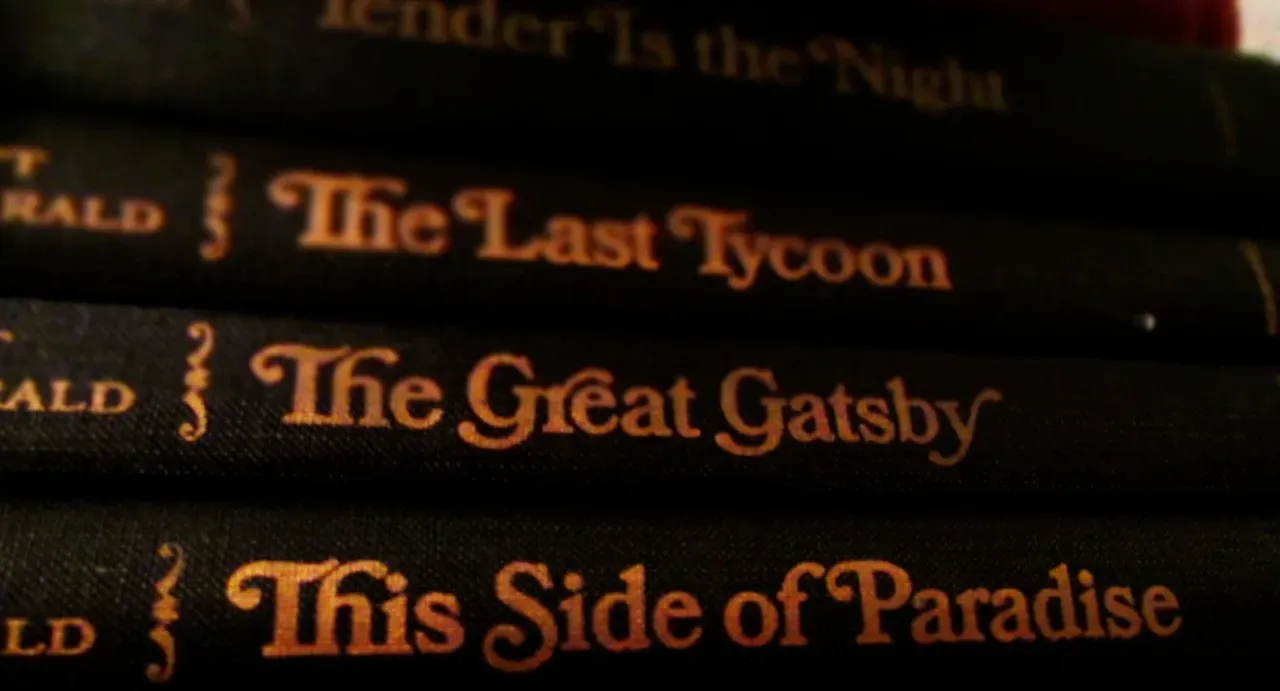
Before it became the compact, glittering novel we know now, F. Scott Fitzgerald’s manuscript carried far more weight around Gatsby’s early life. The novel Fitzgerald was writing was far longer, but he removed a lot of material, including a long story called Absolution that was cut from the Gatsby narrative. That excised material became its own short story rather than staying folded into the novel.
Editor Maxwell Perkins still felt something was missing once he read the trimmed draft. Perkins wrote that the title character was somewhat vague, noting that a reader’s eyes could never quite focus upon him, and he suggested Fitzgerald sketch in more detail about Gatsby’s mysterious past and the sources of his wealth. Fitzgerald responded not by restoring the cut chapter but by rewriting around its absence, which is arguably why Gatsby feels so mysterious on the page today.
The Time Machine’s grim addition that got dropped

H.G. Wells’ pioneering science fiction novel almost included a much darker detour into the far future. During the editing stage, wanting more of the ultimate degeneracy of man, Wells’ editor ordered an extra chapter in which the traveller visits an even more distant future of the Eloi and Morlocks, discovering an evolved form of the Eloi which he kills because he doesn’t recognize it. It was an odd request, essentially demanding Wells make his already bleak vision even bleaker.
Wells never warmed to the addition and eventually won the argument to leave it out. Wells was not happy with the addition, and after much back and forth it became a deleted chapter, though the cut text is available in print today as The Grey Man. Readers who track it down get a glimpse of a much colder, more nihilistic ending than the one Wells ultimately chose to publish.
Charlie and the Chocolate Factory’s lost children


Roald Dahl’s classic once had a much larger and much more violent cast of doomed children. A very short chapter entitled “Spotty Powder,” removed during editing because it seemed too gruesome for younger readers, featured the elimination of Miranda Piker, a teacher’s pet with a headmaster father, one of several other children Dahl originally created but had to cut due to size constraints. The chapter wasn’t discovered again until decades later, tucked away among Dahl’s papers.
It wasn’t the only casualty from those early drafts. The Guardian later revealed Dahl had cut another chapter from an early draft titled “Fudge Mountain,” a passage deemed too wild, subversive and insufficiently moral for the tender minds of British children almost fifty years ago. Between the two lost chapters, Dahl’s original vision for the factory tour was noticeably darker and far more crowded than the version that made it to shelves.
Picnic at Hanging Rock’s missing explanation


Joan Lindsay’s haunting Australian novel about vanished schoolgirls owes part of its mystery to an editorial decision rather than authorial intent alone. The book was originally ended with a fairly elaborate explanation of everything that happened, but the publisher suggested the story might do better without that explanatory material, so the final chapter was deleted, meaning the story simply stops with no explanation offered. That missing chapter has become something of a cult curiosity among fans who track down the excised ending separately.
Partner offer

The decision changed the entire character of the book. What might have been a solved mystery with a tidy, if strange, resolution became instead one of literature’s most famous unresolved puzzles, and much of the novel’s lasting reputation rests on that very ambiguity.
The Sun Also Rises and its abandoned opening


Ernest Hemingway’s debut novel started life with a much slower, more conventional introduction to its characters. F. Scott Fitzgerald read an early draft and advised Hemingway to cut the first two chapters, which he did. Those opening chapters had offered background on the characters in a more leisurely, traditional style before the story properly began.
The cut fundamentally reshaped how readers meet the novel’s world. Rather than trim the chapters down, Hemingway eliminated the first sixteen pages entirely, so the published version now begins with the line about Robert Cohn having once been middleweight boxing champion of Princeton. That blunt, in-media-res opening became one of the signatures of Hemingway’s spare style, even though he reportedly resented the suggestion for years afterward.
Why authors fight so hard to keep certain chapters


Across nearly all of these examples, a pattern emerges. The chapters authors resist cutting are often the ones carrying the emotional or thematic weight they cared about most while writing, even if that material slows the pacing or distracts from the main plot. Editors, meanwhile, are usually thinking about the reader’s experience first, which sometimes means sacrificing a passage the writer loves for the sake of the book as a whole.
This tension between authorial attachment and editorial discipline shows up again and again in publishing history, not because writers are stubborn for no reason, but because they can rarely see their own work with the same distance an editor brings. The results, as these examples suggest, tend to vindicate the editors more often than not, even when the author disagreed at the time.
What these lost chapters reveal about editing today


Modern publishing still wrestles with the same basic question these historical cases raise: how much of an author’s original vision should survive contact with an editor’s red pen. Contemporary editors continue to push writers to cut prologues, trim backstory, and remove chapters that slow momentum, following much the same logic that shaped Gatsby, Dracula, and The Sun Also Rises decades or even a century earlier.
What’s changed is how visible this process has become. Archives, scholarly editions, and publisher tie-in books now regularly resurrect these deleted chapters for curious readers, turning what used to be private editorial arguments into public literary curiosities. Readers today can compare the published book against its earlier, unpolished self in a way earlier generations rarely could.
Final thoughts

None of the novels discussed here would necessarily have failed with their original chapters intact. Some might have simply been different books, longer, stranger, or more explicit than the versions that eventually found their audience. What’s striking is how often the cut actually sharpened the book rather than diminishing it, whether that meant a tighter opening for Hemingway or a more mysterious protagonist for Fitzgerald.
These stories are a reminder that the books we consider finished and untouchable were, at some point, unfinished arguments between what an author wanted to say and what a story actually needed. The chapter that almost stayed, or almost got cut, is often the clearest window into that process still available to us.
Partner offer
Planning a trip to Vegas?
Compare hotel rates and show tickets on VEGAS.com.