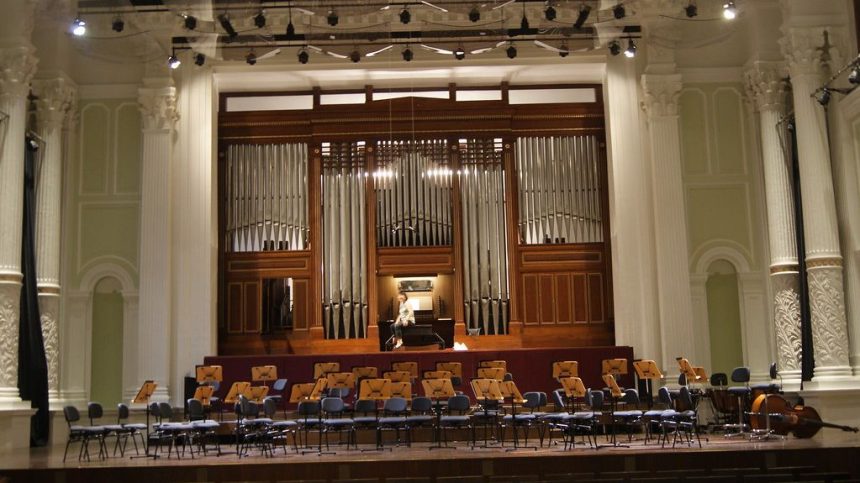
Ever walked into a concert hall and felt the music wash over you in a way that made your spine tingle? That’s not just great acoustics – it’s pure physics at work. Some venues seem to breathe life into every note, while others feel flat and lifeless. The difference comes down to how sound waves bounce, bend, and blend inside these architectural masterpieces.
What makes one hall enchanting and another mediocre isn’t magic or luck. It’s a carefully orchestrated dance between geometry, materials, and invisible wavelengths. Let’s dive into the science that turns ordinary spaces into sonic cathedrals.
The Shape of Sound
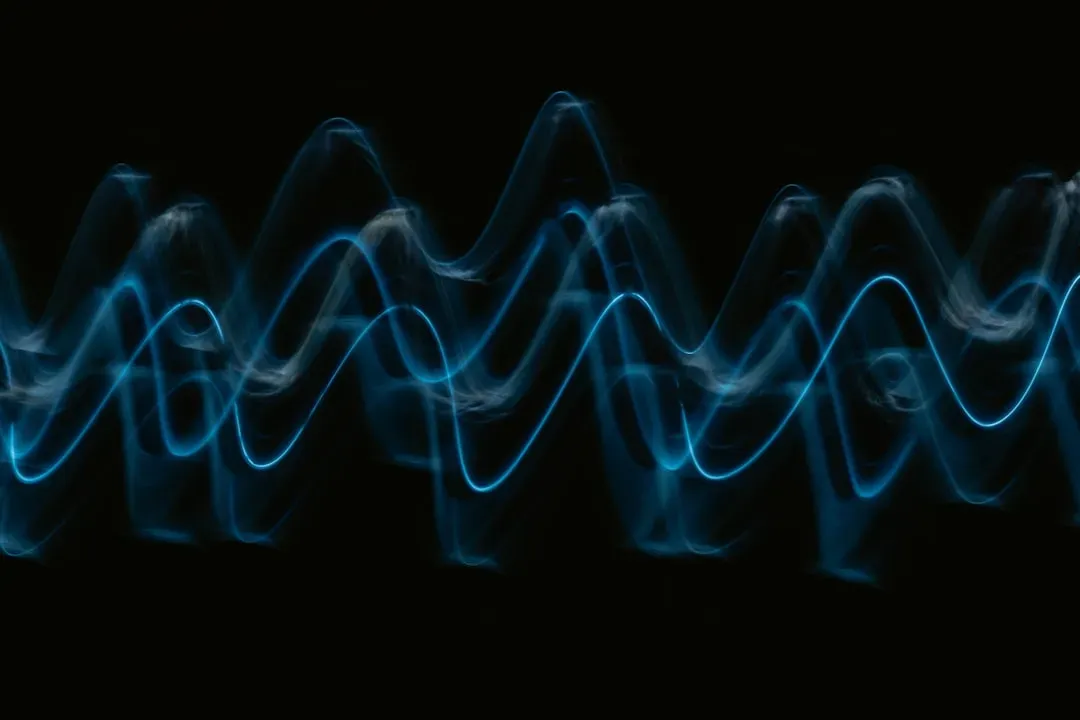
The geometry of a concert hall dictates how sound travels through space. Think of sound waves like ripples in a pond – they spread out in all directions from the source. In a well-designed hall, the ceiling and walls are angled to redirect these waves toward the audience, not away from them. Curved surfaces can focus sound like a lens focuses light, creating sweet spots where everything sounds crystal clear.
Rectangular rooms might seem straightforward, but they can create standing waves – areas where sound gets stuck bouncing back and forth. That’s why many legendary halls feature irregular shapes or asymmetrical designs. The Boston Symphony Hall, for instance, uses a shoebox shape that’s been perfected over centuries of trial and error.
Even the height matters tremendously. Too low, and the sound feels compressed and stuffy. Too high, and voices get lost in the void above. The best halls strike a balance that feels spacious yet intimate at the same time.
Reverberation Time and the Goldilocks Zone

Reverberation is what happens after a sound is produced – it’s the lingering echo that fills the space. Too much reverb, and notes blur together into muddy chaos. Too little, and the music sounds dry and lifeless, like performing in your living room. The magic happens in between.
Scientists measure this in seconds, and for orchestral music, the sweet spot is usually around 1.8 to 2.2 seconds. Opera needs a bit more – up to 2.5 seconds – because singers need that extra resonance to project their voices. Rock concerts? They prefer less reverb so the beat stays tight and punchy.
Vienna’s Musikverein nails this perfectly. When an orchestra plays there, each note decays naturally, blending with the next in a way that feels effortless. It’s hard to say for sure, but many musicians claim it’s the finest acoustic space on Earth.
Materials That Absorb and Reflect
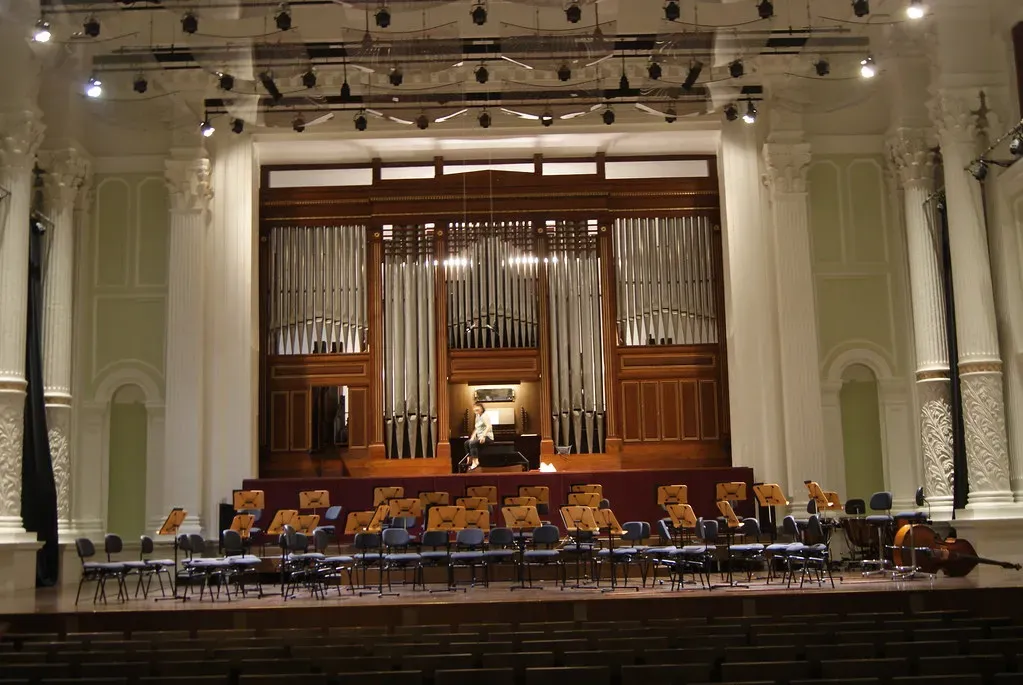
Not all surfaces treat sound equally. Hard materials like marble, concrete, and polished wood reflect sound waves, bouncing them around the room. Soft materials like fabric, carpet, and even human bodies absorb sound, dampening those reflections. The ratio between absorption and reflection determines the overall character of the space.
Here’s the thing: Even the audience changes the acoustics. An empty hall sounds completely different from a packed one because people soak up high frequencies like sponges. That’s why acoustic engineers often test venues with the seats filled, or at least simulate human presence with absorptive materials.
Wood is the secret weapon in many iconic halls. It reflects mid and high frequencies beautifully while absorbing just enough bass to prevent boominess. Carnegie Hall’s wooden interior contributes to its warm, inviting sound that musicians rave about. The panels aren’t just decorative – they’re functional instruments themselves.
Early Reflections and Your Brain’s Trick
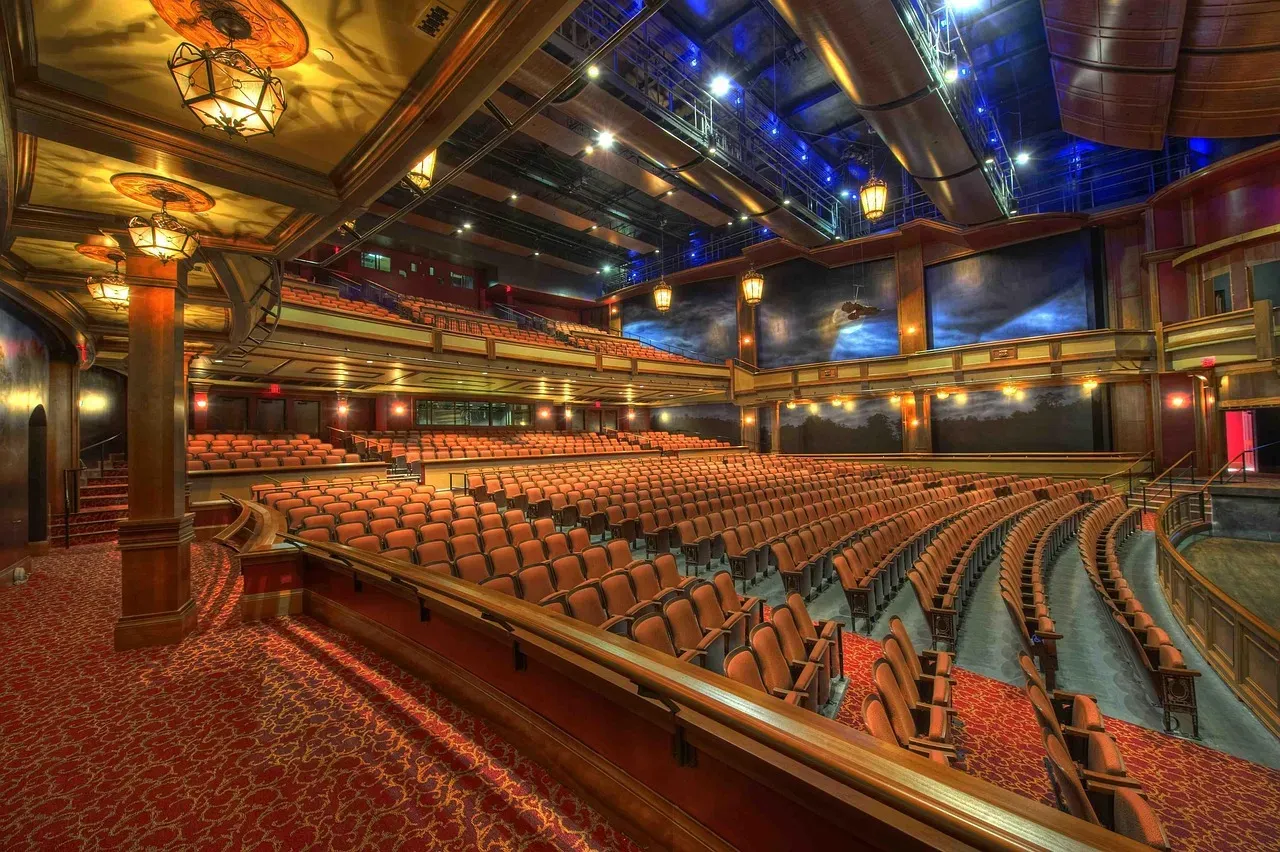
Your brain is surprisingly smart about processing sound. When direct sound from the stage reaches your ears, you perceive it as the “real” music. But reflections that arrive within about 50 milliseconds after the direct sound get merged by your brain, making the music sound richer and fuller without feeling like an echo.
This is called early reflection, and it’s crucial for creating that sense of envelopment. Side wall reflections are particularly important – they give you spatial awareness and make you feel surrounded by sound. Reflections coming from behind can be distracting, though, so designers often add absorption in those areas.
The ceiling plays a huge role here too. Angled reflectors hanging from above can direct early reflections down to the audience, strengthening the sound without muddying it. It’s like having invisible speakers scattered throughout the room, all working in perfect harmony.
Bass Frequencies and the Challenge of Low End
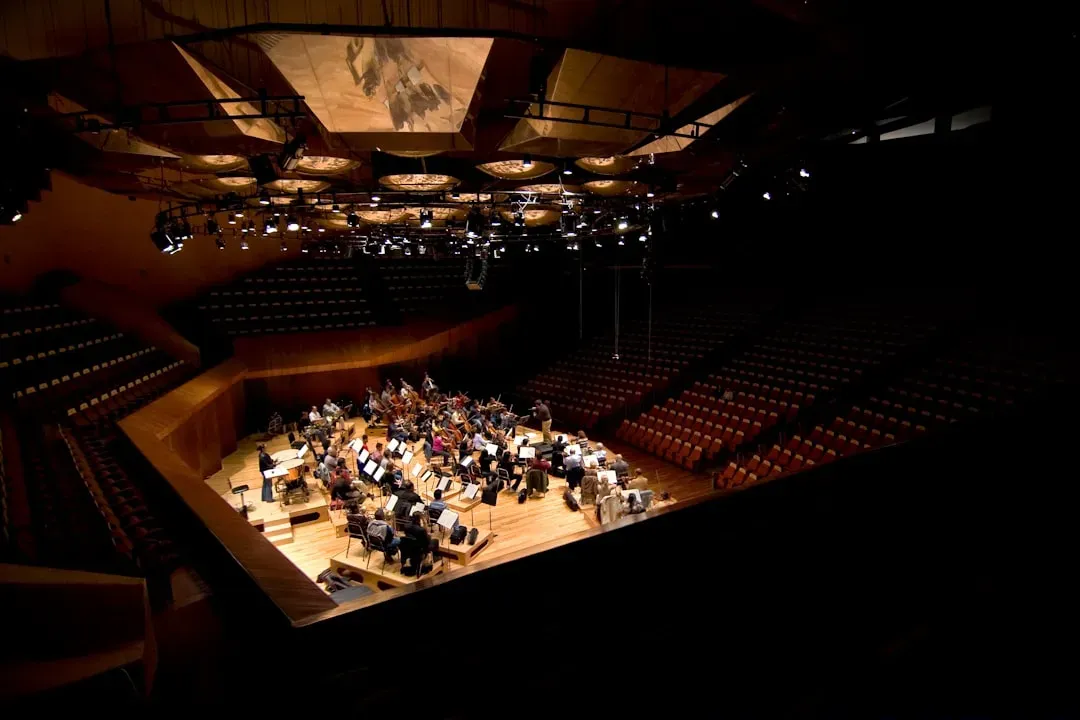
Low frequencies are notoriously difficult to control. Bass waves are huge – sometimes dozens of feet long – and they don’t care about your carefully angled walls. They pass right through most obstacles and pool in corners, creating boomy spots that sound terrible.
To combat this, acoustic designers use bass traps and resonators built into the architecture. These are essentially cavities tuned to specific frequencies, absorbing problematic bass notes before they can wreak havoc. Some halls even have adjustable acoustic elements – curtains, panels, or doors that can be opened or closed to tune the space for different performances.
The challenge is finding balance. You want enough bass to feel the timpani in your chest, but not so much that it overwhelms everything else. Large concert halls naturally support lower frequencies better because they have more volume to work with.
Diffusion and the Beauty of Scattered Sound

Diffusion is what happens when sound scatters in multiple directions instead of reflecting cleanly like a mirror. Ornate decorations, statues, and architectural details that might seem purely aesthetic actually serve an acoustic purpose. They break up sound waves, spreading them evenly throughout the space.
Without diffusion, you get hot spots and dead zones – areas where the sound is either too loud or eerily quiet. Good diffusion creates uniformity, ensuring that every seat gets roughly the same experience. That’s why historic concert halls often look so elaborate and detailed. Those columns, reliefs, and moldings aren’t just pretty – they’re functional.
Modern designers sometimes use mathematical patterns called Schroeder diffusers, which look like abstract sculptures but are precisely calculated to scatter sound waves optimally. It’s a blend of art and science that would have amazed the architects of centuries past.
The Role of Volume and Cubic Space

A hall’s total volume affects how sound develops and decays. Larger spaces can sustain longer reverb times naturally, while smaller venues feel more immediate and intimate. But volume alone doesn’t guarantee great acoustics – it’s how that space is shaped and treated that matters.
The Berlin Philharmonie features a vineyard-style seating arrangement with the audience surrounding the orchestra. This design maximizes the cubic volume per person while keeping everyone relatively close to the stage. It creates an immersive experience where you feel like part of the performance rather than a distant observer.
Interestingly, some of the world’s greatest halls aren’t particularly huge. It’s more about proportions than raw size. A well-proportioned smaller hall can sound more magical than a poorly designed arena, no matter how grand.
Conclusion

The physics behind concert hall acoustics is a delicate balance of reflection, absorption, diffusion, and geometry. When everything aligns – the shape, materials, volume, and atmospheric conditions – the result is pure auditory magic. These spaces don’t just amplify sound; they transform it into something greater, creating moments that resonate long after the final note fades.
Next time you’re in a venue that sounds incredible, take a moment to appreciate the invisible forces at work. It’s not luck or chance – it’s physics, architecture, and human ingenuity working in perfect harmony. What’s your favorite concert hall experience been? Tell us in the comments.