Have you ever noticed how a certain song can instantly change your mood? Maybe it lifts your spirits after a rough day or helps you unwind when stress takes over. Music has this almost magical quality that transcends language and culture, reaching into our minds and bodies in ways that scientists are only beginning to fully understand.
The connection between music and mental health isn’t just anecdotal anymore. Over the past few years, research has exploded in this area, revealing fascinating insights into how melodies, rhythms, and harmonies can genuinely transform our psychological well-being. Let’s dive into the real science behind music’s therapeutic power.
Music Therapy Reduces Depression Symptoms Significantly

Studies show that music therapy combined with treatment as usual produces large effects in reducing clinician-rated and patient-reported depressive symptoms. It’s honestly kind of remarkable when you think about it. Research involving a total of 421 participants across multiple studies demonstrated that people suffering from depression experience measurable improvements when music therapy is added to their standard treatment.
What makes this even more compelling is the range. Music therapy appears to reduce depressive symptoms and anxiety while helping people improve functioning in maintaining involvement in jobs, activities, and relationships. Think of it like this: medication might address the neurochemical imbalance, but music seems to reach something deeper, something that touches our emotional core in a way pills alone cannot.
Anxiety Levels Drop When You Listen to Music

Here’s something surprising. Music therapy, particularly receptive methods or combinations of receptive and active approaches, offers effective interventions for reducing anxiety symptoms. The research from 2025 is pretty convincing on this front. A multilevel meta-analysis containing 47 studies and nearly 2,747 participants showed an overall medium to large effect of music therapy on stress-related outcomes.
Music listening is strongly associated with stress reduction through decreased cortisol levels, lowered heart rate, and decreases in mean arterial pressure. These aren’t just subjective feelings of calm. We’re talking about measurable biological changes happening in your body when you press play on the right track. The nervous system responds directly to musical input.
Your Brain Releases Dopamine When Music Moves You
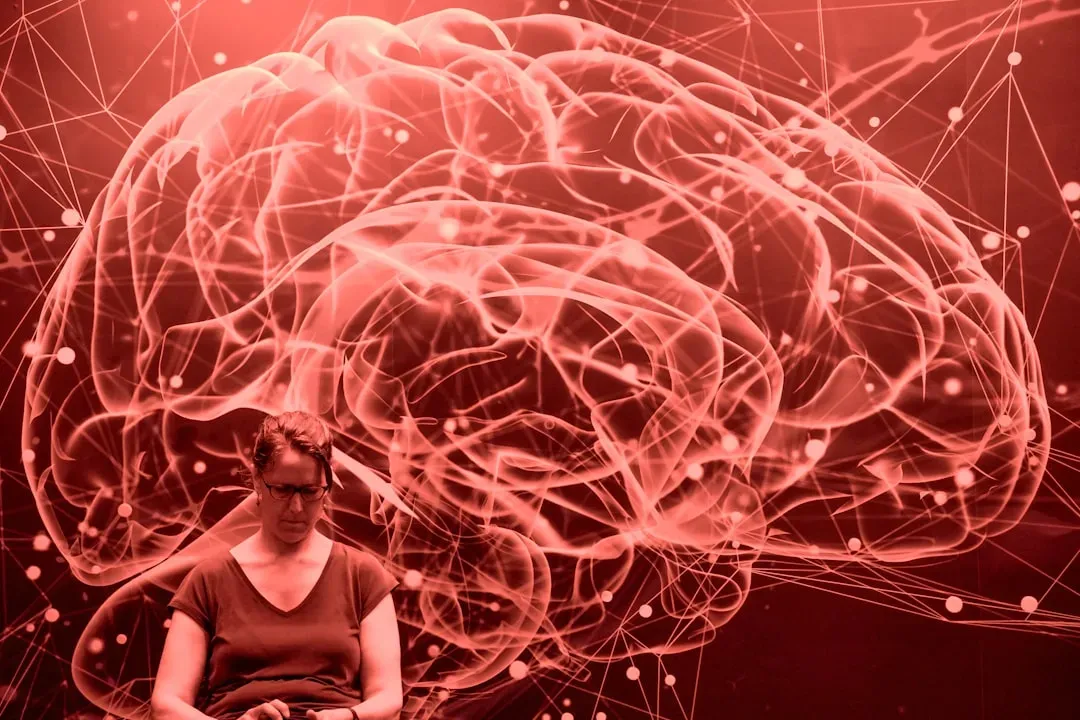
Let’s be real, this is where things get truly fascinating. Research using positron emission tomography scanning found endogenous dopamine release in the striatum at peak emotional arousal during music listening. Dopamine, that crucial neurotransmitter associated with pleasure and reward, floods your brain when you hear music that resonates with you.
Scientists directly manipulated dopaminergic synaptic availability while healthy participants engaged in music listening by administering a dopamine precursor, a dopamine antagonist, and a placebo in three different sessions. The findings showed for the first time a causal role of dopamine in musical pleasure and motivation, where enjoying a piece of music, deriving pleasure from it, wanting to listen to it again, and being willing to spend money for it strongly depend on the dopamine released. That’s your brain’s reward system lighting up, making you crave that next melody.
Brain regions associated with reward, motivation, arousal, and emotions such as ventral striatum, midbrain, amygdala, orbitofrontal, and ventral medial prefrontal cortices become activated with increasing intensity of music-evoked pleasure. Essentially, music hijacks the same neural pathways as food, relationships, and other fundamental pleasures, yet it requires no survival necessity. It’s pure emotional nourishment.
Music Listening Helps You Recover From Daily Stress

Studies have suggested that listening to music may be beneficial for stress reduction, making music listening a promising method to promote effective recovery from exposure to daily stressors. Still, the evidence here gets a bit complicated. A random effects meta-regression demonstrated a non-significant cumulative effect of music listening on stress recovery, which reminds us that not all research tells a simple story.
However, context matters enormously. The most profound effects were found when relaxation was stated as the reason for music listening, with subsequent decreases in subjective stress levels and lower cortisol concentrations. In other words, intention plays a role. If you deliberately choose music to unwind, your body responds differently than if you’re just passively hearing background noise.
Music interventions show an overall significant effect on stress reduction in both physiological outcomes and psychological outcomes, according to a comprehensive analysis of over 9,600 participants. That’s a substantial body of evidence suggesting that strategic use of music can genuinely help you manage the pressures of modern life.
Sleep Quality Improves With Music Interventions
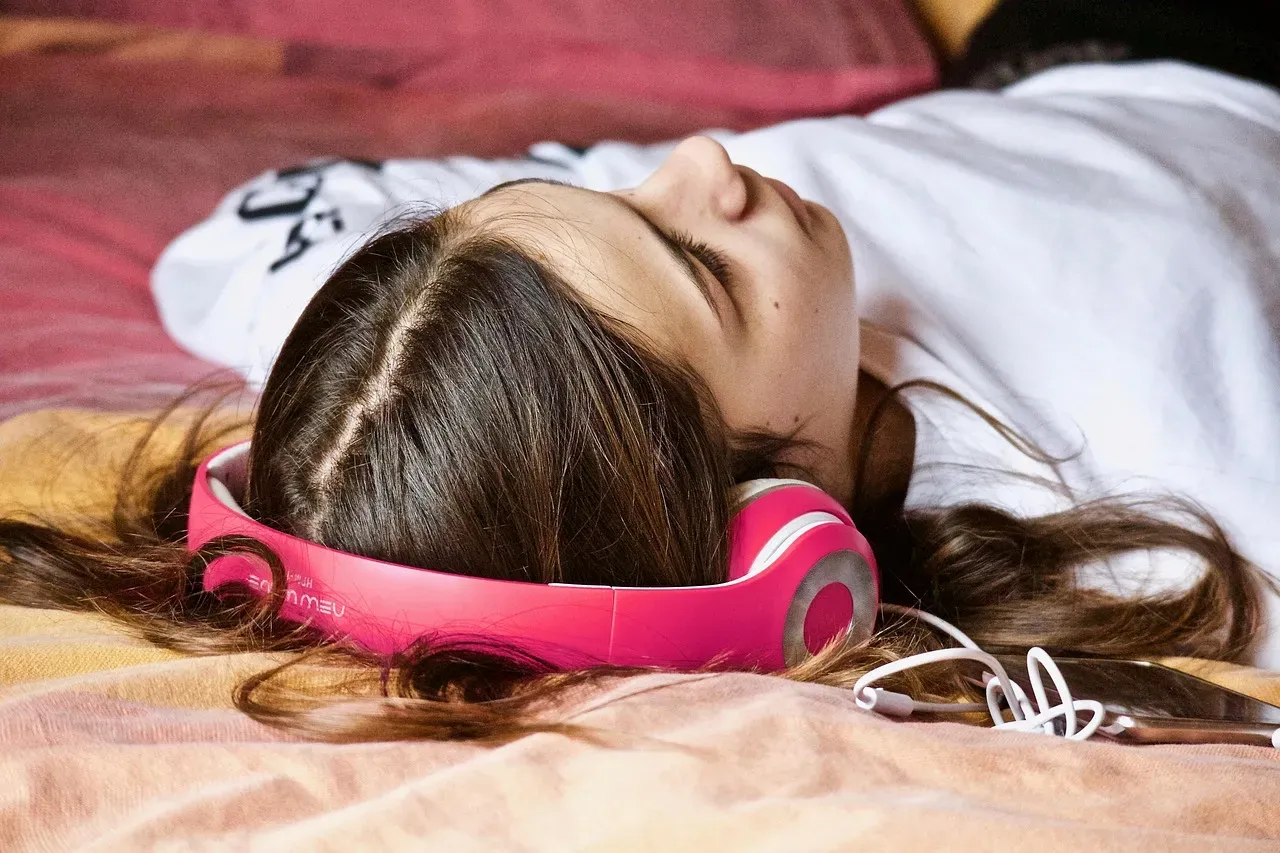
According to a World Health Organization survey, roughly about 27 percent of the global population suffers from sleep disorders, making this a massive public health concern. Music therapy, which is low-cost and free of side effects, has been demonstrated to improve sleep quality through its calming effect on the parasympathetic nervous system, which can reduce anxiety, blood pressure, heart rate, and respiratory frequency.
At the end of interventions, studies found improved sleep quality measured with the Pittsburgh Sleep Quality Index in music groups compared to no intervention, with the size of the effect indicating an increase in sleep quality of about one standard deviation in favor of the intervention. That’s a substantial improvement, especially considering the alternative often involves medication with side effects.
Music improved subjective sleep quality and resulted in reduced amounts of sleep stage N1 during naps, while significantly increasing the amount of slow-wave sleep and the low to high frequency power ratio. Slow-wave sleep is when your body does its deepest restoration work, so increasing this phase has real implications for recovery and health.
Research Shows Academic Interest Has Surged Recently
If you’re wondering whether this is just a passing trend, consider this. PubMed shows a threefold increase in music and health titled publications from 2014 to 2024, enhancing understanding of music’s potential as a non-pharmacological, non-invasive and cost-effective tool to support health and wellbeing. That’s an explosion of scientific interest in less than a decade.
Music training can bring about structural and functional changes in the brain, with studies showing positive effects on social bonding, cognitive abilities, and language processing. The neuroplasticity angle is huge here. Your brain physically changes in response to musical engagement, strengthening neural networks that support various cognitive and emotional functions. It’s hard to say for sure, but these findings suggest music might offer protective benefits as we age.
What Does This Mean for Your Daily Life

The implications of all this research are pretty straightforward. Music isn’t just entertainment or background filler. It’s a legitimate tool for managing your mental health, with measurable effects on depression, anxiety, stress, and sleep. The evidence base continues growing year after year, with researchers identifying specific mechanisms and optimal delivery methods.
What strikes me most is how accessible this intervention is. You don’t need expensive equipment or specialized training. The music is already there, waiting in your pocket on your phone. The key seems to be intentionality: choosing music deliberately for specific purposes like relaxation, paying attention to how different styles affect your mood, and giving yourself permission to use music as genuine self-care.
So next time you reach for that favorite playlist when you’re feeling overwhelmed or restless, know there’s solid science backing up what you’ve probably felt all along. Your brain really is responding, your stress hormones really are dropping, and your mental state really is shifting. That’s the power of music working its quiet magic on your wellbeing. What music helps you feel better when life gets heavy?