There’s something deeply strange about settling onto the couch after a long day, snack in hand, and pressing play on a documentary about a murder. Yet millions of people do it every single night, and honestly, most of them can’t fully explain why. The pull is real, it’s powerful, and it goes far deeper than a simple love of drama.
True crime isn’t just entertainment anymore. It’s a cultural phenomenon woven into our podcasts, our social media feeds, our dinner table conversations. The question isn’t just why people watch it. The question is what it reveals about the human mind itself. Let’s dive in.
A Genre That Has Gripped a Nation
The scale of true crime’s popularity is genuinely staggering. A YouGov poll finds that roughly 57% of Americans say they consume true crime content. That’s more than half the country voluntarily tuning into real stories of violence, betrayal, and human darkness on a regular basis.
A 2024 YouGov poll found that about 30% of Americans engage with true crime content every week. Think about that for a second. Weekly. Like a ritual. It’s the kind of loyalty usually reserved for sports teams or beloved TV dramas.
According to data from Edison Research’s True Crime Consumer Report, the number of Americans aged 18 and older who listen to true crime podcasts on a weekly basis has tripled since 2019, surging from 6.7 million to over 19.1 million by 2024. That kind of growth doesn’t happen by accident. Something deep in the human psyche is responding to this content.
Morbid Curiosity and the Brain’s Reward System
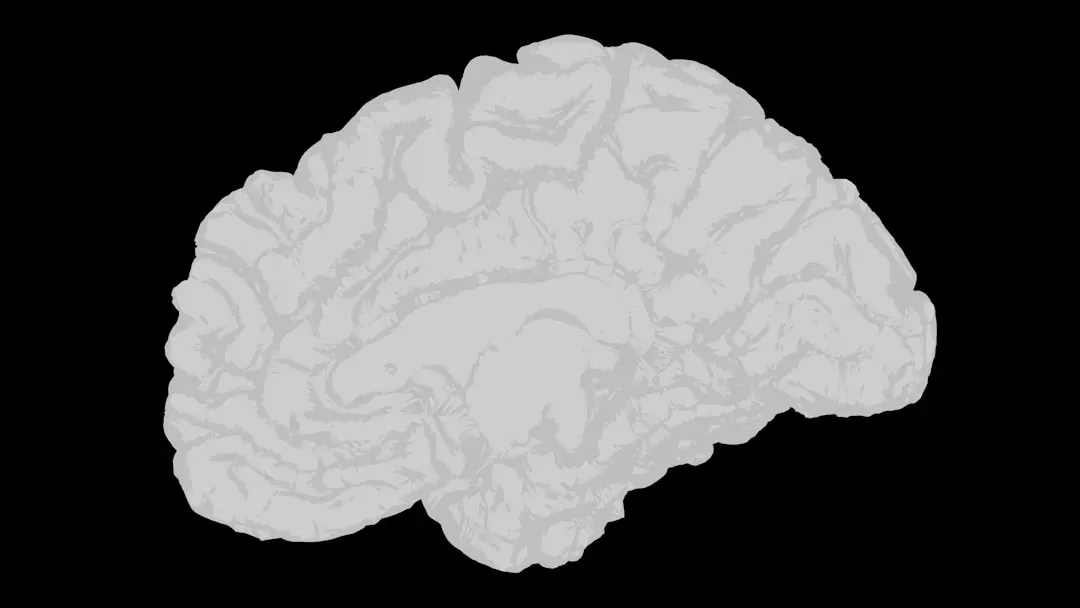
At its core, the true crime obsession stems from morbid curiosity, a fascination with the taboo that lights up our brain’s reward centers. Neuroscientists link this to the amygdala, the fear-processing hub that evolved to keep us alive by fixating on threats. In other words, your brain isn’t broken for being fascinated by crime stories. It’s doing exactly what it was designed to do.
Think of it like a fire alarm. The amygdala doesn’t distinguish between a real threat outside your door and a dramatized one on your screen. It fires up the same neural circuits either way, flooding you with adrenaline and sharp focus. It remains an open question why humans deliberately seek out negative information and even enjoy being scared or unsettled, as this seems at odds with the idea that human information seeking is inherently reward driven.
Behavioral scientist Coltan Scrivner segments morbid curiosity into four distinct archetypes: the Mind, which involves an interest in understanding psychological aspects of morbid phenomena; the Body, a fascination with the physical aspects of death and injury; the Supernatural, a desire to explore paranormal occurrences; and Violence, an interest in witnessing or learning about acts of physical aggression. Most true crime fans, I’d argue, fall heavily into the Mind category.
The Mystery Factor: Our Hunger for Puzzles

Here’s the thing about true crime that people don’t always acknowledge. It isn’t really about violence at all. It’s about the puzzle. A 2024 YouGov survey of 1,000 Americans identified the primary motivations for true crime consumption to be “interest in mystery,” “watching cases being solved,” and “interest in psychology.” Nobody is scrolling through podcasts for the gore alone.
True crime is very different from the typical shows you normally have on in the background. They are the sort of stories you need to put your phone down and actually pay attention to. It’s a big puzzle and we don’t want to be left without a vital piece of information because we were checking social media. That right there explains the binge-watching spiral perfectly.
The appeal of true crime podcasts and TV shows is partly attributed to their typical structure as a mystery with the killer’s identity being revealed at the end. It’s the same satisfaction as finishing a jigsaw puzzle or cracking a riddle. The brain craves resolution, and true crime promises it, eventually.
Fear as a Survival Tool
There is a deep and surprisingly practical reason why humans are drawn to stories about danger. True crime appeals to our natural instinct to survive. It eases our fears about the same thing happening to us. Understanding what the victims did or didn’t do in these situations helps us feel more in control. Many believe that watching these shows will help them know how to act if they are ever in these situations themselves.
It’s almost like a psychological fire drill. You watch someone navigate a nightmare scenario, your brain records the patterns, and somewhere in your subconscious, you file it away as survival data. It speaks to why people go into haunted houses or ride a roller coaster. There’s something about facing danger when it’s not real, it’s not personal. People like to be scared or like to see the dark recesses of someone’s mind.
A significant majority of Americans say that true crime entertainment makes people more vigilant and safety-conscious. Whether that vigilance is always warranted is a separate debate, but the impulse itself is profoundly human.
Why Women Are the Genre’s Most Devoted Audience
Walk into any true crime fandom online and the demographic reality hits fast. Women dominate. Overall, about a third of U.S. adults who have listened to a podcast in the past year say they regularly listen to true crime podcasts. Among U.S. podcast listeners, women are almost twice as likely as men to regularly listen to true crime podcasts. The gap is striking.
While men are more likely to be a victim of a crime, women are more often victims of specific, violent crimes typically featured in true crime content. For instance, roughly 70% of victims killed by a partner are women. So the content, at its core, speaks directly to a very real vulnerability that many women carry with them daily.
For women, who statistically face a higher risk of violent crimes, true crime media can serve as a form of psychological rehearsal. By hearing others’ stories, they can gain a sense of control, feeling better equipped to recognize warning signs or respond to risk. This is not fear-mongering, but a form of threat management. That reframing, honestly, changes how you see the entire genre.
Partner offer
The Comfort of a Controlled Scare
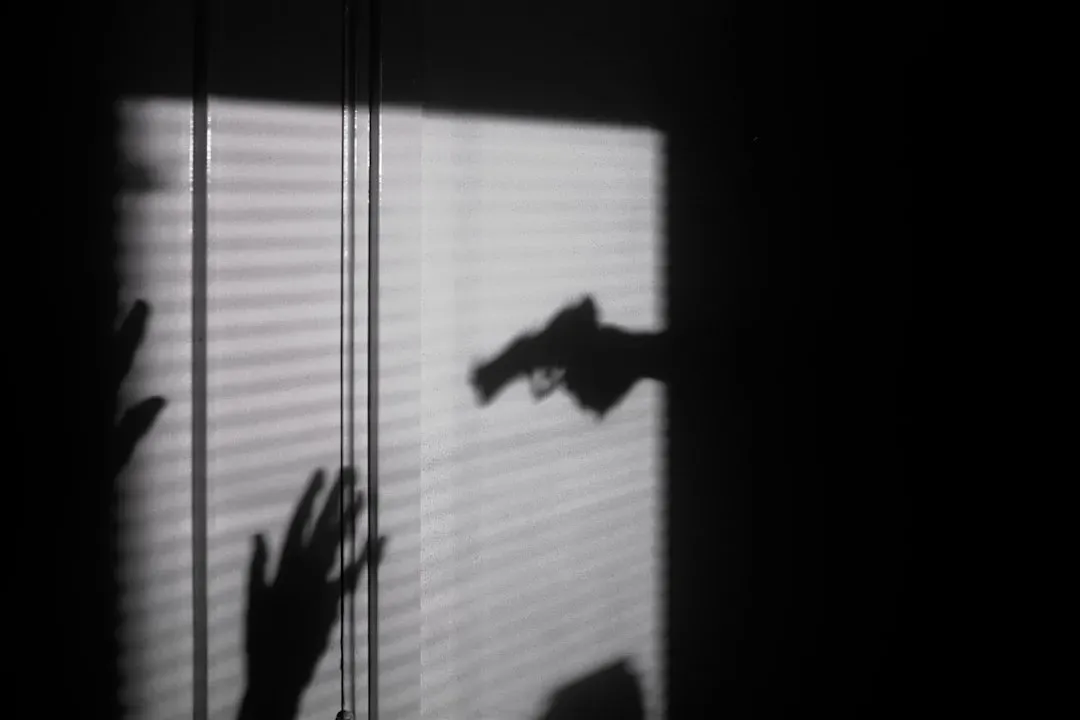
Let’s be real. There’s a specific kind of pleasure in being frightened when you know you’re safe. It’s the same reason haunted houses sell out every October. While the actions of a serial killer may be horrible to behold, many people simply can’t look away due to the thrill of the spectacle. Serial killers allow us to experience fear and horror in a controlled environment, where the threat is exciting, but not real.
Engagement with horror content may provide training opportunities for emotion regulation in the face of aversive stimuli, leading to more resilient responding in daily life. In other words, scaring yourself on purpose might actually make you tougher emotionally. Who knew Netflix was secretly a self-improvement tool?
True crime offers a sanctuary of control. Unlike the randomness of a stock crash or a viral scandal, these stories have structure, a crime, an investigation, a verdict. In a world that often feels chaotic and unpredictable, that structure is quietly reassuring.
The Social Glue of True Crime Communities

True crime is rarely a solo obsession. Watching a series alone might be where it starts, but for enormous numbers of people, it quickly becomes something communal. Online hubs like Reddit’s r/TrueCrime with 3 million members and TikTok’s #TrueCrimeTok with 30 billion views buzz with debates, memes, and virtual watch parties. Thirty billion views. Let that sink in.
True crime also has a strong social dimension. Communities formed around true crime provide spaces for women to share their own stories, feel seen, and connect with others who understand. These communities offer a platform to explore vulnerability, justice, and identity, transforming true crime from mere entertainment into a tool for coping, connection, and collective healing.
A 2024 Media Psychology study showed fans experience notably less isolation, thanks to what researchers call “shared vulnerability.” It sounds surprising until you think about it. Bonding over darkness is still bonding. Grief shared is, in some small way, grief halved.
True Crime’s Effect on Anxiety and Real-World Behavior
There’s a flip side to all this fascination, and it’s worth looking at honestly. Researchers report that nearly half of Americans say true crime content has made them more anxious. Even more, about 61% said true crime has made them more suspicious of others, while 78% said it has made them more conscious of their surroundings than before. That’s a significant psychological footprint for a genre most people call “entertainment.”
It works a bit like weather forecasting for danger. The more storms you watch on the news, the more you start checking the sky. True crime rewires your sense of what’s normal, subtly expanding the category of “things that could happen to me.” Availability heuristics describe the mental shortcuts we take when making decisions – we tend to make judgements based on what we see most often represented, rather than what is statistically true.
Studies suggest that excessive watching of negative news, including crime content, increases stress in consumers. Despite this, some research found true crime consumption unrelated to negative affectivity when controlling for other factors. So the effect isn’t uniform. It really depends on how much you consume and why you’re watching.
True Crime’s Impact on Justice and the Legal System
This is where things get complicated in genuinely fascinating ways. At least half of Americans agree that true crime improves understanding of the criminal justice system, increases empathy with victims of crime, and helps to solve cases that wouldn’t have been solved otherwise. That’s a real and meaningful social value.
Social media transforms passive consumers into active participants. Platforms like Reddit and TikTok are filled with amateur sleuths who analyze cold cases and form global justice communities. In some documented cases, crowd-sourced online investigation has genuinely contributed to renewed attention on cold cases and brought pressure on law enforcement to act.
Yet the picture isn’t entirely rosy. The proliferation of sensationalized stories also means that juries have preconceived notions about how crimes happen, how investigations unravel, and how justice is delivered. The glorification of criminals, some of whom are elevated to near-celebrity status, can undermine public understanding of crime as harmful and traumatic, perpetuate harmful myths, bias juries, and reduce the likelihood of impartial justice. The same genre that enlightens can also distort.
The Ethical Edge of Obsession
There’s a question that serious true crime fans eventually have to sit with. When does consuming stories about real suffering cross a line? A Boston University media researcher asked 280 adults about their social media use and online engagement with crime stories. She found that true crime followers often get sucked into cases, compulsively using and posting on social media, developing one-sided relationships with the characters, and experiencing negative feelings surrounding the stories they follow.
As true crime content floods podcasts, streaming platforms, and social media feeds, the line between storytelling and sensationalism has become dangerously blurred. A lot of money is made from dramatized documentaries that are often heavily scripted and stylized, leaving the viewer with little ability to distinguish fact from fiction. These blurred lines can desensitize audiences to real-life atrocities, shifting the focus from justice and truth to entertainment value.
A 2024 YouGov poll found that over 60% of U.S. adults believed creators should get consent from victims and their families before producing content. The audience is clearly aware of the ethical weight involved. True crime podcasts and books may feature more empathic, victim-focused narrations, while TV and movies may more strongly rely on sensationalized, violent, and voyeuristic elements. True crime podcasts specifically may be a unique phenomenon in their own right, given their high personalizability and the offer of strong parasocial relationships. Format, in other words, is everything.
The psychology of true crime is ultimately a mirror held up to something we’d rather not admit: that human beings are deeply, enduringly curious about darkness. Not because we’re broken, but because understanding what frightens us has always been one of the ways we survive it. What do you think draws you to the genre? Tell us in the comments.
Partner offer
Planning a trip to Vegas?
Compare hotel rates and show tickets on VEGAS.com.