Every so often, a film disappears from public memory not because audiences forgot it, but because the studio responsible quietly wished they could make the whole thing vanish. These aren’t just box office disappointments. Some were pulled before anyone could see them. Others made it to theaters and became permanent cautionary tales, reshaping entire studio strategies in their wake.
The history of Hollywood is dotted with these uncomfortable entries, films that cost fortunes, sparked controversies, or were simply deemed less valuable alive than written off on a tax ledger. Here are seven cases studios would rather not discuss at shareholder meetings.
Batgirl (2022): The Film That Never Got to Be a Film


In 2022, Warner Bros. announced they were no longer planning to release Batgirl, a new entry in the DC Extended Universe made for their streaming service HBO Max. Despite the film having a budget of around ninety million dollars and entering post-production, Warner Bros. shelved it entirely, citing cost-cutting measures and a refocus on theatrical releases as the main factors.
The string of cancellations at Warner Bros. in recent years angered fans and disappointed cast and crew members who had worked on the projects, and highlighted the significant power Hollywood studios hold to call off projects that are partially or even entirely finished. Batgirl had completed principal photography. It had a cast, a director, and a finished cut. None of that mattered in the end.
Coyote vs. Acme (2023): A Completed Film Treated Like a Liability

Warner Bros. shelved and took a tax write-off on a completed Looney Tunes live-action and animated movie called Coyote vs. Acme, starring John Cena. The move was considered more unusual than even the Batgirl debacle because Coyote vs. Acme was reportedly one hundred percent complete and had received very high test screening scores. The film was finished, liked by those who saw it, and still buried.
Warner Bros. Discovery initially shelved the film in November 2023 to obtain a tax write-off, but later reversed its decision and allowed the filmmakers to seek other distributors following public backlash, and Ketchup Entertainment ultimately acquired the rights for fifty million dollars in March 2025. Coyote vs. Acme is now scheduled to be released in the United States on August 28, 2026, making it one of the stranger redemption arcs in recent studio history.
John Carter (2012): Disney’s Most Expensive Lesson

John Carter grossed around two hundred and eighty-four million dollars at the worldwide box office, resulting in a two hundred million dollar writedown for Disney, becoming one of the biggest box office bombs in history. With a total cost of three hundred and fifty million dollars, including an estimated production budget of two hundred and sixty-three million, it remains one of the most expensive films ever made.
Not only did Disney have to fire its studio chief as a direct result, but it had to take a substantial write-off that affected its earnings and creative output for years to come. John Carter remains Disney’s most significant financial loss to date. Originally titled John Carter of Mars, the title was shortened to just John Carter after Disney didn’t want any association with their earlier flop Mars Needs Moms. That change turned out to make almost no difference.
Heaven’s Gate (1980): The Film That Killed a Studio


This Western featuring Kris Kristofferson, Christopher Walken, and Jeff Bridges became a colossal failure that bankrupted its studio, United Artists. Written and directed by Michael Cimino fresh off the success of The Deer Hunter, Heaven’s Gate would ruin his reputation and see the Western genre vanish from cinema for a full decade.
Heaven’s Gate cost forty-four million dollars to make and would have a worldwide gross revenue of just three and a half million dollars, and the film’s name became a byword for box-office failure. However, in 2012, a re-edited version of Heaven’s Gate was met with enthusiasm by critics and received a standing ovation at the Venice Film Festival, suggesting that somewhere inside the disaster was a film worth watching.
Mars Needs Moms (2011): The Animated Film Disney Quietly Buried

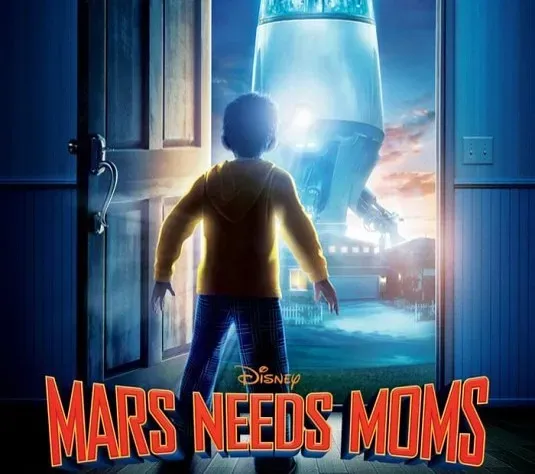
Disney’s 2011 animated film Mars Needs Moms seemed like a safer bet given its family-friendly appeal and technological ambition, but audiences weren’t interested. The movie cost a hundred and fifty million dollars to produce, and after weak reviews, it earned just thirty-nine million dollars worldwide.
Disney has since essentially buried the film and these days the studio acts as if it never existed. The film’s motion-capture animation style, which gave characters an unsettling, waxy appearance, was singled out by many viewers as a core reason audiences stayed away. It quietly disappeared from Disney’s promotional universe almost immediately after release.
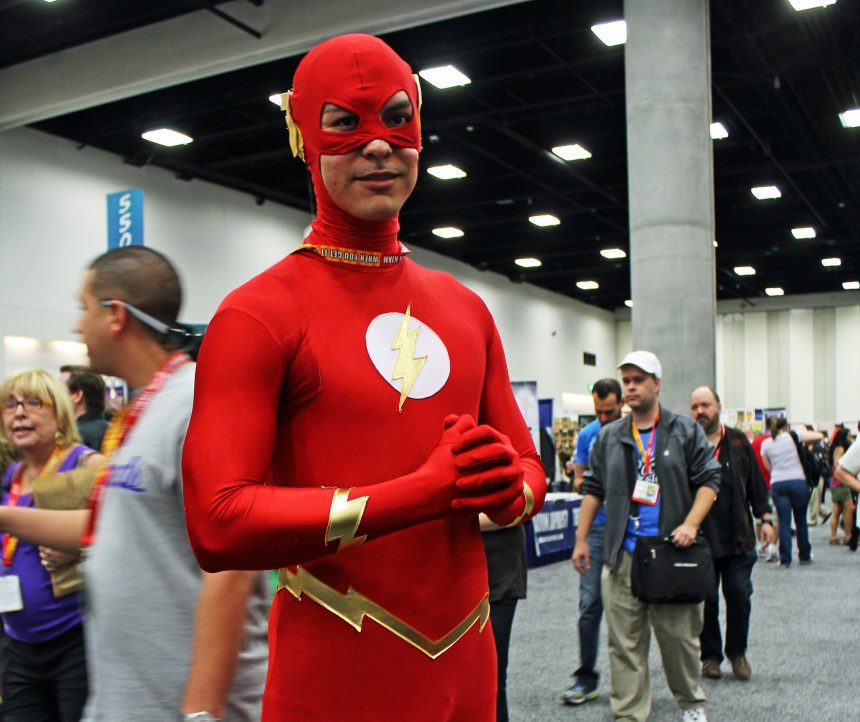
The Flash (2023): A Superhero Film Undermined Before It Opened

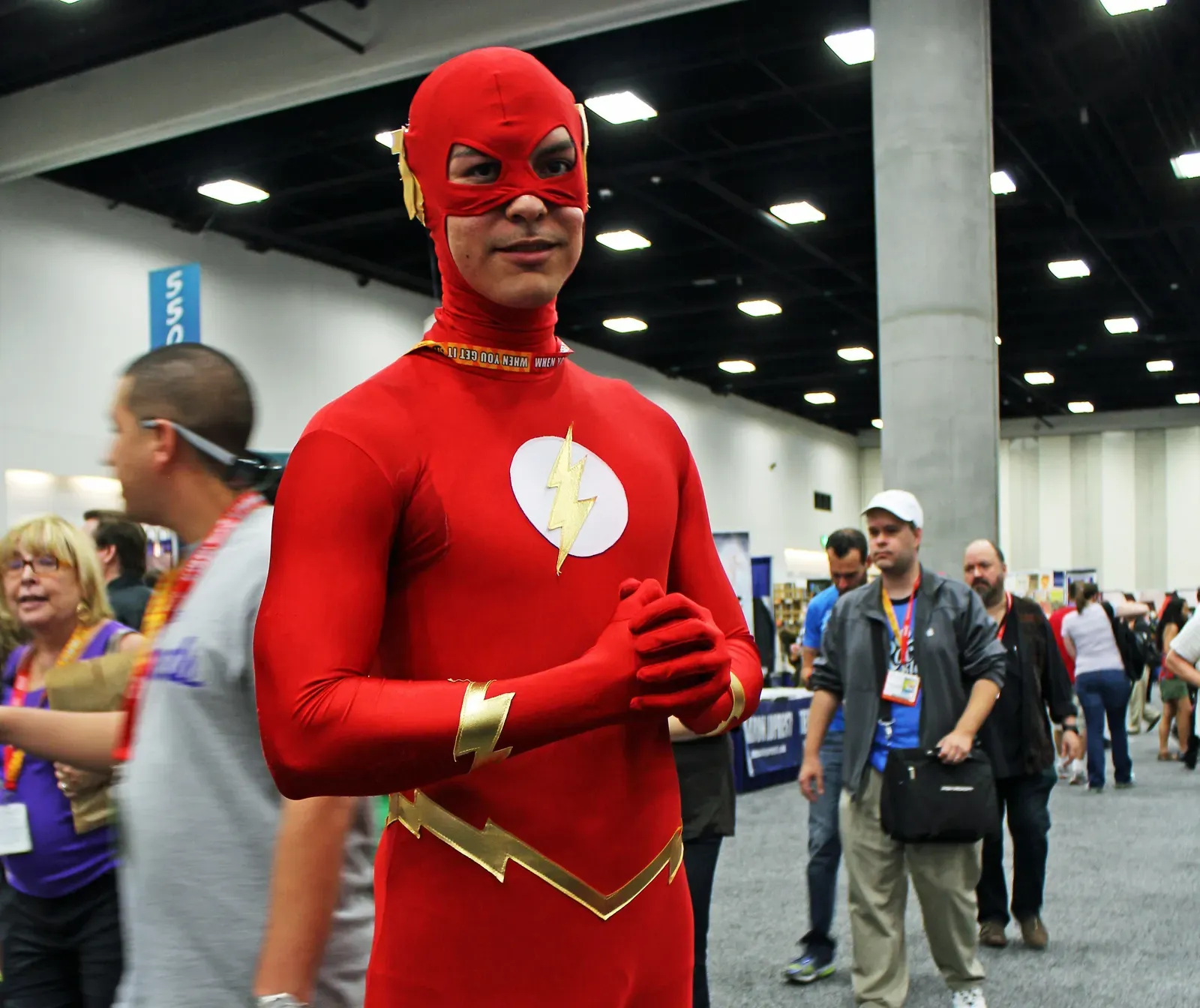
Despite Warner Bros.’ best efforts to convince the moviegoing public that it was one of the greatest comic book movies ever made and the cinematic event of 2023, The Flash became one of the biggest flops in the studio’s history. The film cost two hundred million dollars to make and grossed just two hundred and sixty-eight million dollars worldwide.
The nostalgic appeal of the film’s eighties franchise connections was massively overestimated, and negative reviews combined with lead actor Ezra Miller’s many public controversies certainly didn’t help, either. The result was a film that Warner Bros. had publicly championed as a turning point for the DC universe, now quietly removed from the studio’s promotional timeline and rarely referenced in official communications.
Cutthroat Island (1995): The Pirate Film That Sank Its Studio

Cutthroat Island is remembered less for its adventure and more for its disastrous finances. Starring Geena Davis and Matthew Modine, the pirate tale faced constant production chaos and endless rewrites before limping into theaters, with costs soaring close to a hundred million dollars while the film brought in only ten million dollars domestically and sixteen million dollars worldwide.
In the film industry, when a film released in theaters fails to break even by a large amount, it is considered a box office bomb, thus losing money for the distributor, studio, or production company that invested in it, and due to the secrecy surrounding costs and profit margins, figures of losses are usually rough estimates at best. Cutthroat Island was no estimate. It was a verified catastrophe that effectively ended Carolco Pictures, the production company behind it, and set back the entire pirate genre for nearly a decade until Pirates of the Caribbean revived it in 2003.