
Plenty of retirees still picture Las Vegas as the place where fixed incomes stretch furthest, where winter never really bites, and where a comfortable home costs half of what it would in California. That picture isn’t entirely wrong. It’s just a lot more complicated in 2026 than it was even five years ago. The city has changed. Prices have climbed, mortgage rates are still elevated, and new questions about climate, water, and market volatility hang over purchase decisions in ways they didn’t before. This article digs into what the data actually shows for retirees weighing Las Vegas real estate right now.
Where Home Prices Stand in 2026


In March 2026, Las Vegas home prices were down a marginal fraction compared to last year, with a median sale price of roughly $448,000. That’s a notable contrast with the frenzied peaks of 2022, but it’s still more than double where Las Vegas homes sat just a decade ago.
Median prices in the range of $500,000 to $529,000 and stabilizing mortgage rates between roughly five and a half to six and a half percent are helping give buyers more leverage and transparency as 2026 gets underway. The market has genuinely cooled from its most competitive phase.
Realtor.com forecasts home sales dropping around two and a half percent in 2026, with price growth coming in close to flat at just above half a percent for the Las Vegas Valley. For retirees who bought years ago, that’s stability. For those buying today, it means modest or near-zero short-term appreciation.
The Tax Case for Nevada Is Still Compelling


Nevada is one of nine states that does not impose state income taxes, meaning retirement income, including withdrawals from a 401(k) or IRA, is exempt from state-level taxation. For retirees drawing from multiple income sources, that distinction adds up quickly over the years.
Nevada’s average effective property tax rate on owner-occupied homes sits at just 0.49 percent, well below the national average, making homeownership meaningfully more affordable for retirees looking to preserve their savings. There are also caps in place to prevent large year-over-year jumps in assessed value.
Low property taxes combined with no estate or inheritance taxes benefit not just current homeowners but their heirs as well. That’s a detail retirees focused on legacy planning tend to appreciate.
The 55-Plus Community Landscape

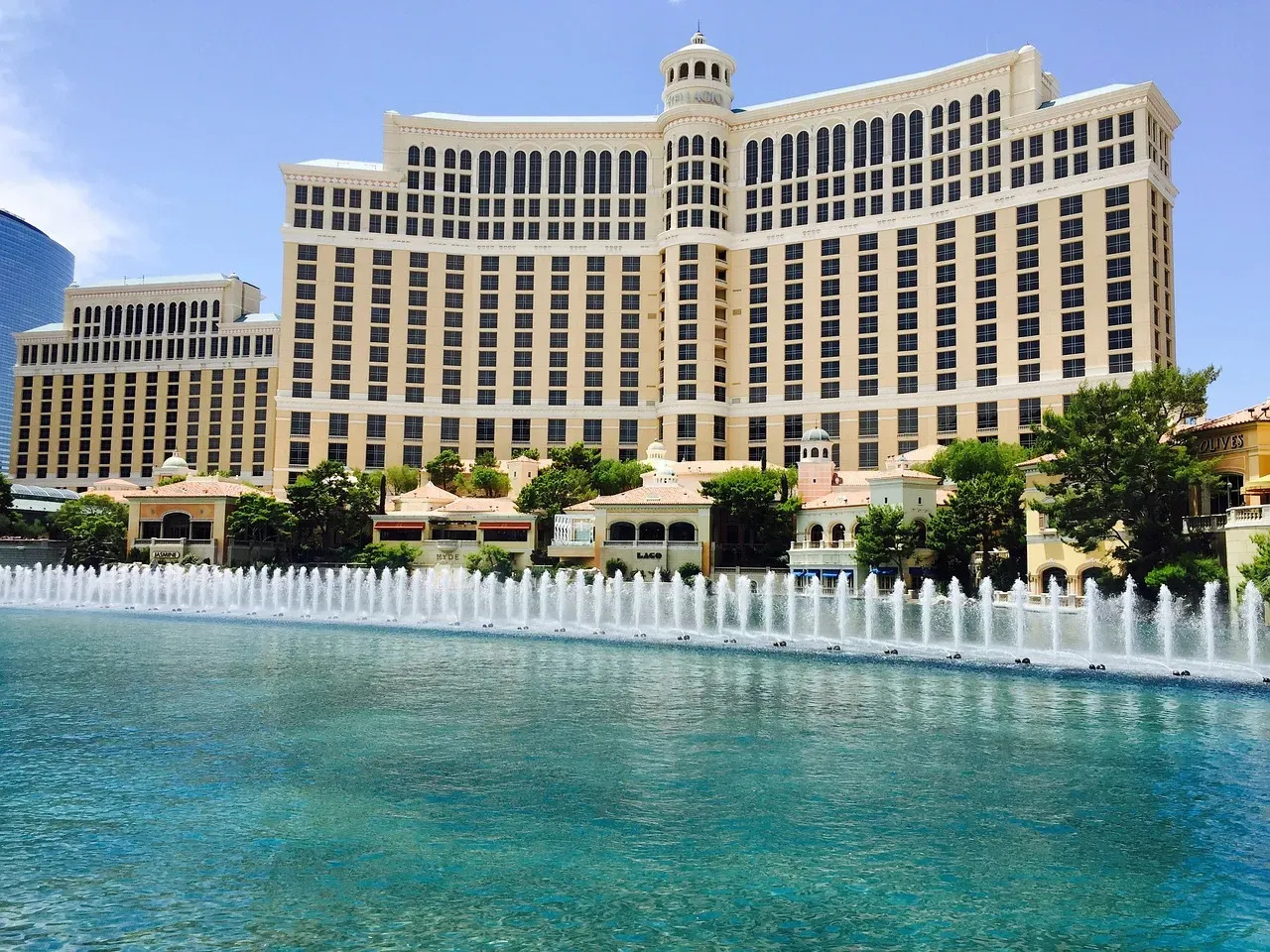
Las Vegas has become one of America’s top retirement destinations, with over a dozen active adult communities offering resort-style living, no state income tax, and more than 300 days of sunshine annually. The options span a wide range of price points and lifestyles.
Sun City Summerlin remains the heavyweight in the 55-plus space. It is the largest active adult community in Nevada, established in the 1990s, with over 7,700 homes. Amenities include three golf courses, four community centers, and indoor and outdoor pools, along with hobby clubs ranging from stained glass making to pickleball leagues.
Sun City Anthem in Henderson offers approximately 7,100 homes, two golf courses, and three recreation centers, and is considered slightly more upscale due to Henderson’s reputation for safety and quieter surroundings. At the more accessible end, Sun City Aliante in North Las Vegas offers homes ranging from $275,000 to $500,000, making it the most affordable Del Webb option in the valley.
What Retirees Are Actually Paying Each Month


Most 55-plus communities carry their own HOA fees to cover gates, clubhouses, and pools, ranging from roughly $200 to $500 per month depending on the luxury level. Master plan communities like Summerlin often add a modest additional fee on top of that. These costs matter on a fixed income.
Electricity rates run at around 14.20 cents per kilowatt-hour, and the extended cooling season means summer bills can be significantly higher than winter months, especially in older homes with less efficient HVAC systems. This is not a trivial expense in a city that reaches well above 100 degrees Fahrenheit for months at a stretch.
Air conditioning is essentially a necessity in summer, but the mild winters mean heating costs are minimal for roughly half the year, which partially offsets the summer electricity burden.
The Inventory Picture Is Shifting

As of mid-April 2026, inventory in Las Vegas and Henderson had risen modestly to around 7,050 homes, while closed sales ticked up slightly to around 2,100. Months of supply held steady at about 3.35 months. That’s a relatively balanced market by historical measures.
Inventory in late 2025 showed a roughly 37 percent increase compared to the same period a year earlier, giving buyers more selection than they’ve had in years. More choices generally translates to more negotiating room, which is useful for retirees who don’t face the same urgency as buyers relocating for work.
What’s changing is not so much underlying demand but buyer behavior. Today’s buyers are more selective and increasingly price-sensitive, taking more time and comparing options before committing. That shift actually benefits patient retirees who can afford to wait for the right property.
Out-of-State Demand Is Keeping a Floor Under Prices


No state income tax and strong employment access support household budgets, while roughly 35 to 40 percent of active buyers are relocating from California and other high-cost states, attracted by lower median prices and improved affordability compared to West Coast metros. That persistent inflow is a meaningful support for property values.
Key drivers include a diverse employment base, affordability relative to neighboring metros like Los Angeles and San Diego, and ongoing inward migration from higher-cost states. Retirees with California equity can often buy in Las Vegas with cash or a very small mortgage, which changes the financial calculus considerably.
Partner offer

California-to-Nevada migration remains strong, providing a consistent floor of housing demand that supports the market even through slower periods. That structural backstop is something Las Vegas shares with few other Sun Belt markets at the same price point.
The Climate and Heat Reality


Summer temperatures regularly exceed 100 degrees Fahrenheit for extended periods, making outdoor activity during peak heat hours genuinely challenging. Air conditioning is a non-negotiable expense, and electricity bills climb significantly through the summer months.
Las Vegas is projected to see a substantial increase in the number of days exceeding 105 degrees Fahrenheit over the next 30 years, according to climate modeling. For retirees with health conditions sensitive to extreme heat, this is a real consideration that belongs in any honest assessment of long-term living costs and comfort.
Some utilities offer senior rate programs or budget billing plans that smooth monthly costs, and efficiency upgrades such as programmable thermostats, window treatments, and attic insulation can reduce peak demand without major capital outlay. Choosing the right home with energy efficiency in mind can take the edge off this risk.
Water Scarcity Is a Long-Term Watch Item


Las Vegas draws from Lake Mead, which has been at historically low levels. The Southern Nevada Water Authority has invested heavily in conservation, and per-capita usage has dropped significantly. Water is a long-term concern rather than an immediate crisis.
The Colorado River basin’s water compact is being renegotiated in 2026. The river supplies drinking water to nearly 40 million people across seven states, and research shows the region is likely to experience more intense and longer-lasting droughts due to climate change. That’s a structural challenge that won’t resolve quickly.
Under moderately high emissions scenarios, climate change could lead to extreme water scarcity conditions in Las Vegas that are not manageable through demand-side conservation alone. This doesn’t mean immediate disruption to daily life, but it is a factor worth weighing for anyone buying property with a 20 or 30-year horizon in mind.
Market Volatility and Investment Risk
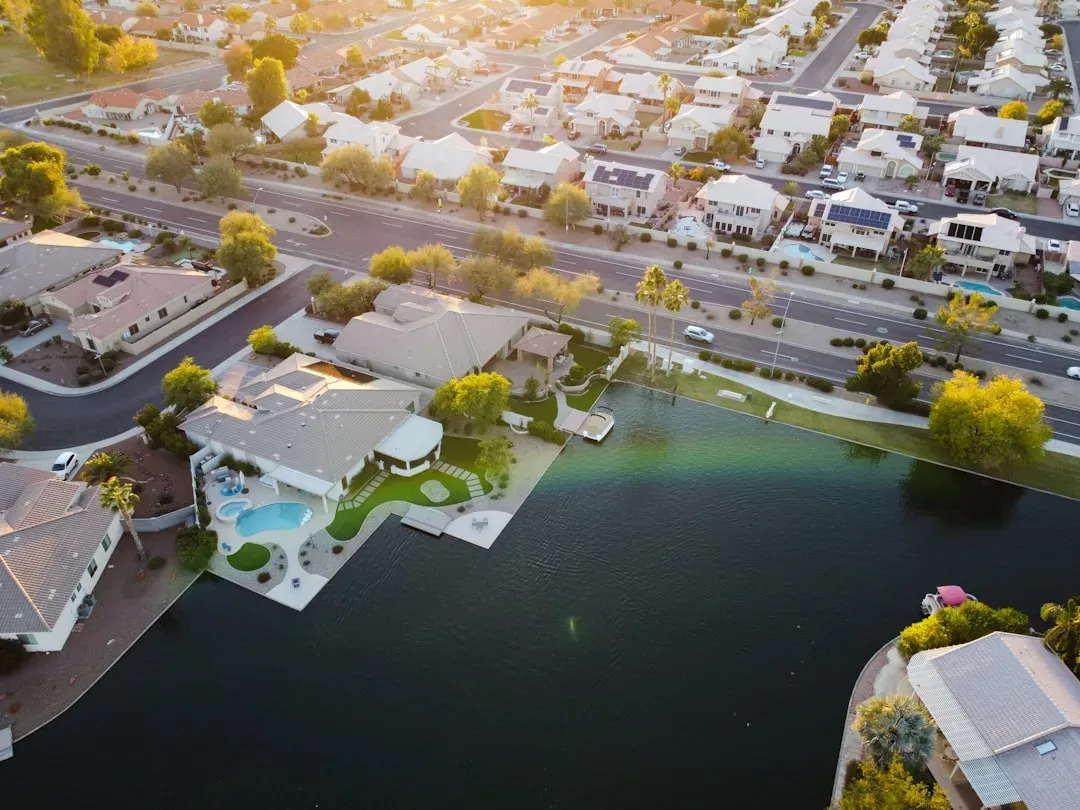
A Redfin report described Las Vegas as “historically volatile,” noting that the city has tended to grow strongly when markets are hot and lose value when they cool. That pattern has played out multiple times over the past two decades.
Nationally, home prices are expected to rise around two percent while Las Vegas is forecast to come in below that national average in both price growth and home sales volume in 2026, according to Realtor.com projections. That below-average forecast doesn’t signal collapse, but it does temper any assumption that Vegas always outperforms.
For the remainder of 2025 and into 2026, analysts expect continued slow appreciation of roughly one to three percent annually, with no significant crash anticipated given the fundamentals of job growth, migration, and limited developable land. Retirees buying for stability rather than speculation are in a more defensible position than those banking on rapid appreciation.
Economic Diversification Is Reducing Old Vulnerabilities


The narrative that Las Vegas is “just tourism” is increasingly outdated. The region’s GDP reached $178.4 billion in fall 2025, a 40 percent increase since 2019. Healthcare, logistics, advanced manufacturing, lithium technology, and film production are all contributing to higher-wage employment beyond hospitality.
Major infrastructure projects including the Brightline West high-speed rail connecting Las Vegas to Southern California, multiple resort corridor expansions, and the Henderson Apex Industrial Park, which carries projected investment of around $7 billion and over 73,000 jobs, are transforming the region’s long-term economic profile.
Las Vegas is surrounded by federal land and mountains that limit sprawl, unlike Phoenix or Texas markets that can expand endlessly. Those geographic constraints provide longer-term support for property values. That’s a structural advantage that won’t change regardless of market cycles.
The Honest Bottom Line for Retirees


Las Vegas real estate has strong long-term investment potential due to geographic constraints, continued population migration, no state income tax attracting remote workers and retirees, and economic diversification including professional sports, healthcare, technology, and logistics sectors. For buyers planning to stay five or more years, these fundamentals support stable long-term value.
Nevada’s lack of state income tax is one of the most tangible advantages for retirees. Social Security benefits, pension distributions, and IRA withdrawals are not taxed at the state level, which can meaningfully reduce annual tax liability. For retirees drawing from multiple income streams, this structural difference compounds over time.
The honest picture is that Las Vegas offers real advantages for retirees who are financially prepared, realistic about summer heat and utility costs, and not counting on rapid price appreciation to fund their retirement. The mirage isn’t the city itself. It’s the assumption that it’s a one-size-fits-all answer. Done carefully, with an honest accounting of climate risks, monthly costs, and long-term market behavior, a Vegas purchase can still make a lot of sense. Done casually, it can surprise in the wrong direction. The difference usually comes down to how well a buyer understands what they’re actually buying into.
Partner offer
Planning a trip to Vegas?
Compare hotel rates and show tickets on VEGAS.com.