



Nursery rhymes have kept children entertained for centuries, but the cheerful melodies and silly words often disguise stories that are anything but innocent. While many of these rhymes seem, at first glance, like innocent childhood entertainment, simple, silly verses passed down through generations to delight young ears, they often have surprisingly complex backstories. Despite being aimed at children, many classic nursery rhymes are far darker, and in some cases more subversive, than they may appear, touching on everything from medieval taxes to religious persecution. Most nursery rhymes date from the 16th, 17th, and, most frequently, the 18th centuries, and apparently most were originally composed for adult entertainment. The gap between what these rhymes appear to say and what they may actually mean has fascinated historians, folklorists, and ordinary parents alike for generations.
The Ancient Tradition Behind Nursery Rhymes


The oral tradition of nursery rhymes goes back to at least the 13th century, but the golden age came in the 18th century, when many of the most famous verses emerged and became established in the colorful and sometimes creepy canon of classics we still hear today. From the mid-16th century, nursery rhymes began to be recorded in English plays, and most popular rhymes date from the 17th and 18th centuries. The first English collections, Tommy Thumb’s Song Book and a sequel, Tommy Thumb’s Pretty Song Book, were published by Mary Cooper in 1744.
These rhymes seem to have come from a variety of sources, including traditional riddles, proverbs, ballads, lines of Mummers’ plays, drinking songs, historical events, and, it has been suggested, ancient pagan rituals. One of the earliest rhymes ever officially recorded was “Pat-a-cake, pat-a-cake, bakers man,” in a 1698 play by Thomas d’Urfey, and nursery rhymes are thought to be instrumental in helping children develop an ear for language. The short, rhythmic style of nursery rhymes helps children to sound out unfamiliar words, aiding them in vocabulary expansion as they begin learning how to read.
Ring Around the Rosie: Plague Theory or Pure Playground Fun?


Ring a Ring o’ Roses, also known as Ring Around the Rosie, is a nursery rhyme, folk song, and playground game. Descriptions first appeared in the mid-19th century, though it is reported to date from decades earlier. In the mid-20th century, it was suggested that the song reflects the Great Plague or earlier outbreaks of bubonic plague in England, with the plague’s rash, protective posies of herbs, symptoms of sneezing, and finally falling down dead. However, the symptoms do not align closely with the song, the explanation emerged centuries after the plague, and European and 19th-century versions of the song do not match the interpretation either.
The Library of Congress notes that the first mention of “Ring Around the Rosie” and the plague comes in the middle of the 20th century, 700 years after the bubonic plague. The origins of the song seem to be in Germany in the late 18th century, with other versions also found in Switzerland and Italy. More likely, “Ring Around the Rosie” is actually from the Victorian era, when many Protestants banned dancing, and children found a way around the ban by having “play parties,” which is how the game originated. Folklore scholars consider the popular explanation linking it to the Great Plague, which has been common since the mid-20th century, to be unfounded.
Humpty Dumpty: Not an Egg, but a Cannon?

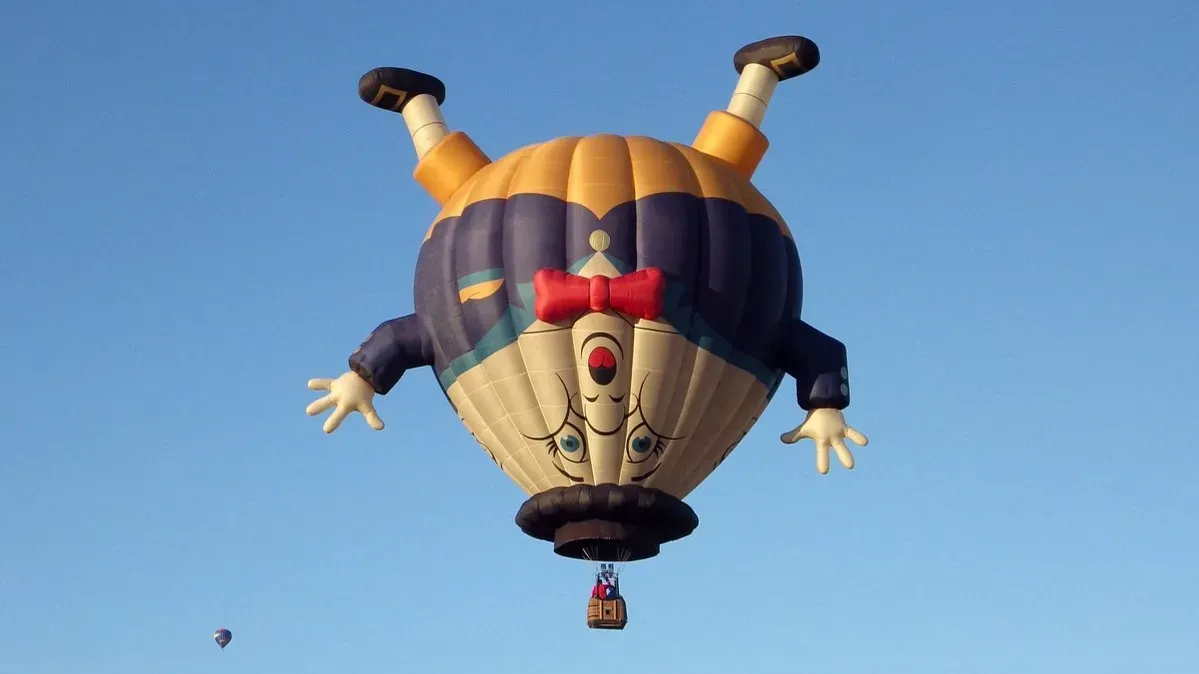
Humpty Dumpty is a character in an English nursery rhyme, probably originally a riddle, and is typically portrayed as an anthropomorphic egg, though he is not explicitly described as such. The first recorded versions of the rhyme date from late 18th-century England, and the tune is from 1870. Its origins are obscure, and several theories have been advanced to suggest original meanings. Several historians believe Humpty Dumpty was actually the nickname of a cannon used during the English Civil War of 1642 to 1649, and in 1648 the English city of Colchester was under the control of a group known as the Royalists.
From 1996, the website of the Colchester tourist board attributed the origin of the rhyme to a cannon recorded as used from the church of St Mary-at-the-Walls by the Royalist defenders in the siege of 1648. The Royalists, or Cavaliers, “all the King’s men,” attempted to raise Humpty Dumpty onto another part of the wall, but the cannon was so heavy that “All the King’s horses and all the King’s men couldn’t put Humpty together again.” Scholars don’t think the historical cannon story is definitively proven, and as noted in previous analyses of nursery rhymes, people often make up fanciful stories to explain their favorite rhymes, and these stories enter the oral tradition themselves, circulating as traditional tales about traditional rhymes.
Baa, Baa, Black Sheep and the Medieval Wool Tax

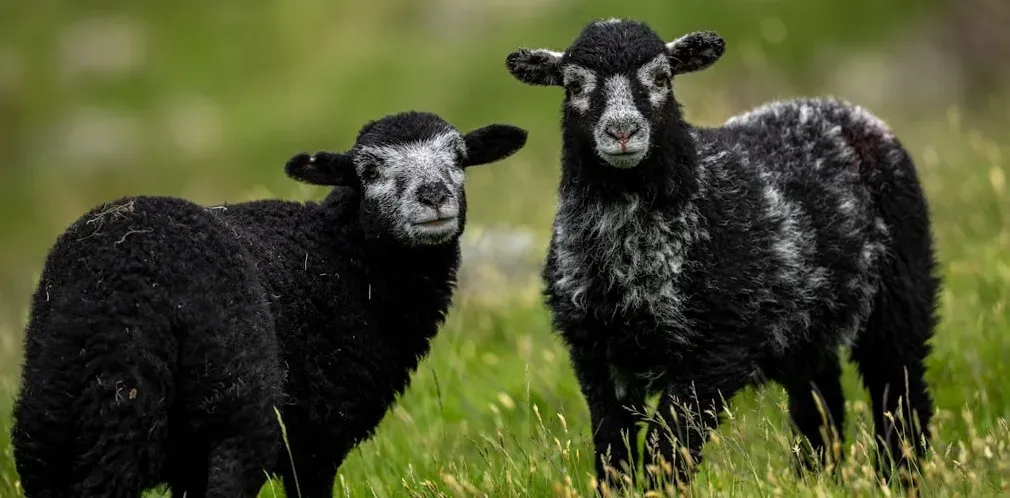
“Baa, Baa, Black Sheep” is an English nursery rhyme, the earliest printed version of which dates from around 1744, and the words have barely changed in two and a half centuries. It is believed the story alludes to a medieval wool tax that was in existence in England from 1275, up to the 1500s, which demanded shepherds and sheep keepers deliver a third of their wool to the estate of reigning King Edward I, who was short of funds after fighting in the Crusades. The tax saw the church scooping up another third, with the reference to the church being “the dame,” leaving the farmer with the final third.
Though most scholars agree that “Baa, Baa, Black Sheep” is about the Great Custom, a tax on wool introduced in 1275, its use of the color black and the word “master” led some to wonder whether there was a racial message at its center. Its political correctness was called into question yet again in the latter part of the 20th century, with some schools banning it from being repeated in classrooms, and others simply switching out the word “black” for something deemed less offensive. The racial explanation was advanced during debates over political correctness in the 1980s, but has no supporting historical evidence. Rather than being negative, the wool of black sheep may have been prized, as it could be made into dark cloth without dyeing.
Three Blind Mice and Bloody Mary’s Reign of Terror

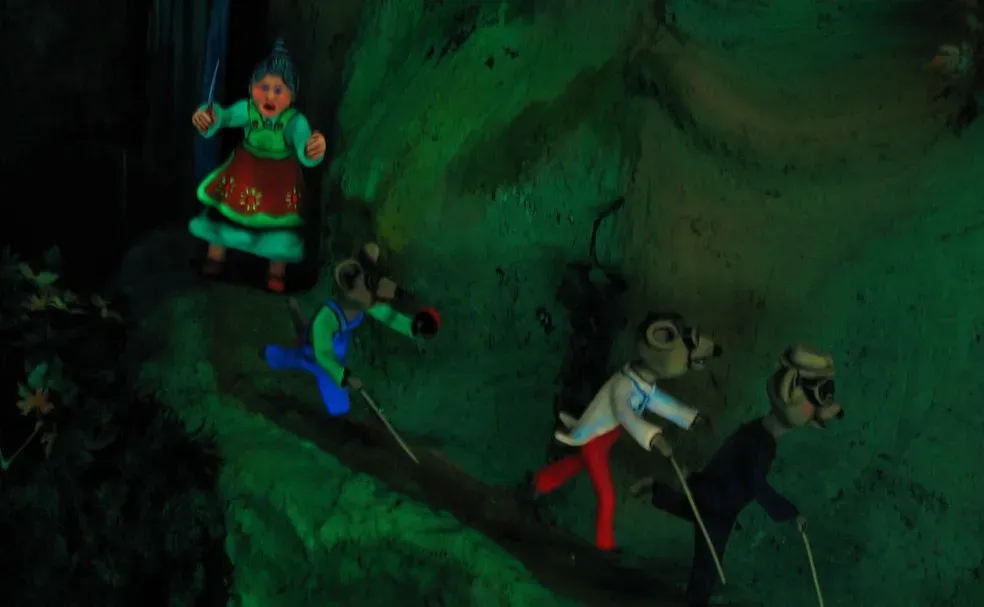
According to historical interpretation, “Three Blind Mice” refers to Queen Mary I’s order to have three Protestant bishops viciously tortured, possibly including blinding, and burned to death at the stake. This rhyme is thought to be about Queen Mary I, who was also known as “Bloody Mary,” and in her religious zeal, Mary executed hundreds of Protestants during her reign. The “silver bells and cockle shells” in the poem are actually said to be names for medieval torture devices.
The origins of nursery rhymes can be traced back to medieval times, and many of these rhymes originated as folk songs and traditional ballads that were passed down through generations by word of mouth. Some of the oldest known examples of nursery rhymes include “Ding Dong Bell,” “Three Blind Mice,” and “Foxy’s Hole.” Many of the ideas about the links between rhymes and historical persons, or events, can be traced back to Katherine Elwes’ book The Real Personages of Mother Goose (1930), in which she linked famous nursery rhyme characters with real people, on little or no evidence. She posited that children’s songs were a peculiar form of coded historical narrative, propaganda, or covert protest.
Jack and Jill: Taxes, Tragedy, and a Somerset Love Story


The small village of Kilmersdon in north Somerset claims to be the home of the Jack and Jill rhyme. Local legend recalls how in the late 15th century, a young unmarried couple regularly climbed a nearby hill in order to conduct their liaison in private, away from the prying eyes of the village. Jill fell pregnant, but just before the baby was born Jack was killed by a rock that had fallen from their hill. A few days later, Jill died whilst giving birth to their love child.
Another more likely story attributes the rhyme to the 17th-century king of England, Charles I, who apparently attempted to increase taxes on alcohol, which were generally measured in units known as jacks and gills. After that failed, he instead reduced the size of a jack, about one-eighth of a pint, and in turn the gill, which is twice the size of a jack. One further popular theory links the rhyme to a Scandinavian myth about Hjuki and Bil, a brother and sister who were taken by the moon while fetching water, possibly explaining the celestial imagery of “Jack fell down and broke his crown.” The sheer number of competing theories around this deceptively simple rhyme says a great deal about how rich and layered the hidden history of nursery rhymes truly is.


