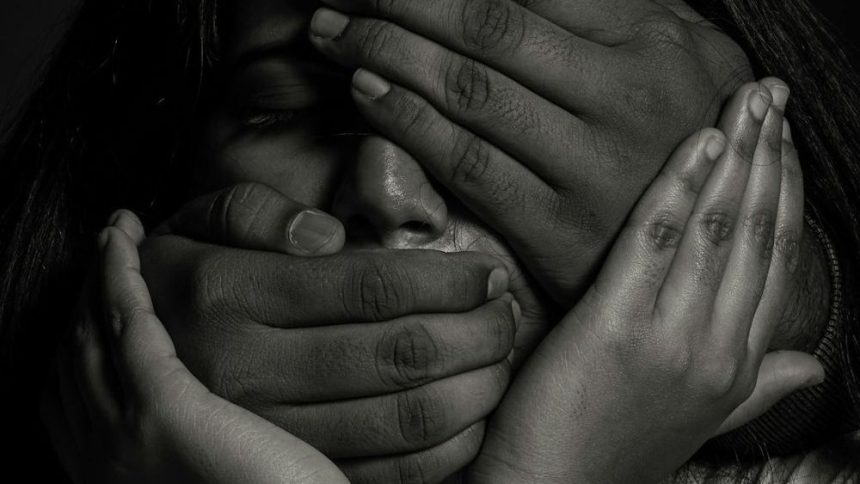
Las Vegas attracts tens of millions of visitors every year. The neon lights, the constant noise, the anonymity of the crowd – it’s all part of the appeal. Yet underneath the spectacle, something far darker operates in plain view.
Human trafficking is not just a problem in back alleys or border towns. It happens in hotel lobbies, resort corridors, and guest rooms in cities just like Las Vegas. The more you understand about how it works, the better equipped you are to help stop it. Let’s get into it.
Nevada’s Alarming Ranking: A State That Can’t Ignore the Numbers
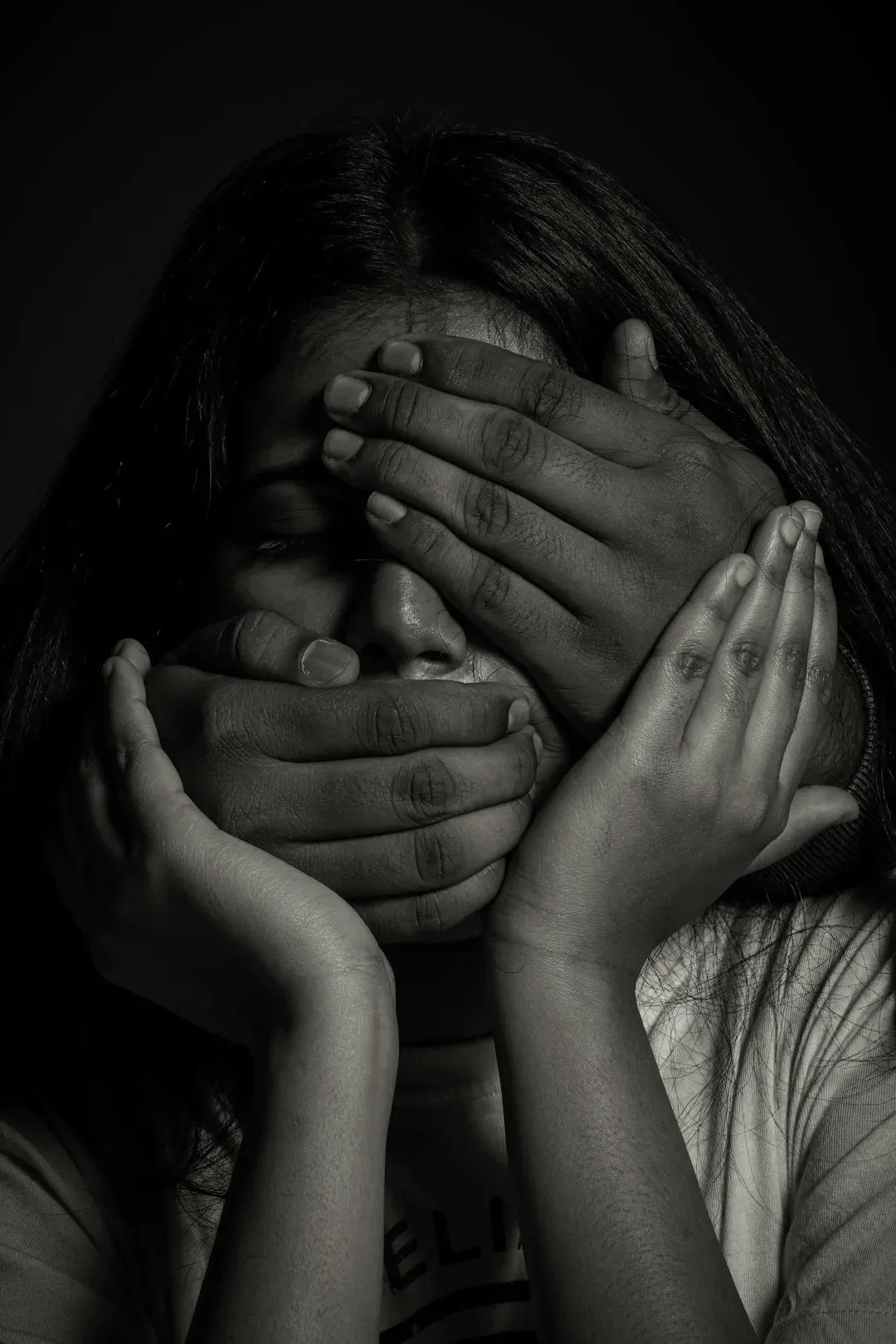
Here’s a number that should stop you cold. In the U.S., Nevada has the second-highest number of human trafficking cases per 100,000 residents. That’s not a margin of error. That’s a persistent, documented crisis concentrated in a state that welcomes the world.
According to Polaris’ National Human Trafficking Hotline, Nevada ranked among the top 10 states for reported cases of human trafficking. In 2020 alone, the hotline received 228 calls and identified 83 cases of human trafficking in the state, with a significant portion of these cases concentrated in the Las Vegas metropolitan area.
In 2024, the National Human Trafficking Hotline received 418 signals from Nevada, and 194 of those signals were from victims or survivors of human trafficking themselves. Those are the ones who managed to reach out. The ones who couldn’t remain invisible.
Why Vegas Resorts Are a Prime Target for Traffickers

Human trafficking, frequently referred to as a ghost crime, occurs in plain sight within casino and resort properties, but it remains largely unseen because the indicators of this crime are invisible to most. That invisibility is the trafficker’s greatest weapon.
With people coming and going constantly, it’s easier for illegal behaviors like human trafficking to happen under the radar. With low-security measures at most locations and the commonality of cash payments, traffickers and buyers can easily stay anonymous.
The famous Las Vegas Strip, lined with hotels, casinos, and entertainment venues, is not only a hotspot for tourists but also a prime area for human traffickers. The anonymity afforded by large crowds allows traffickers to blend in easily while targeting potential victims. Nearby motels and low-cost hotels have been identified as locations where trafficking activities frequently occur, as they offer privacy and affordability.
The Scale of Sex Trafficking in Hotel Environments
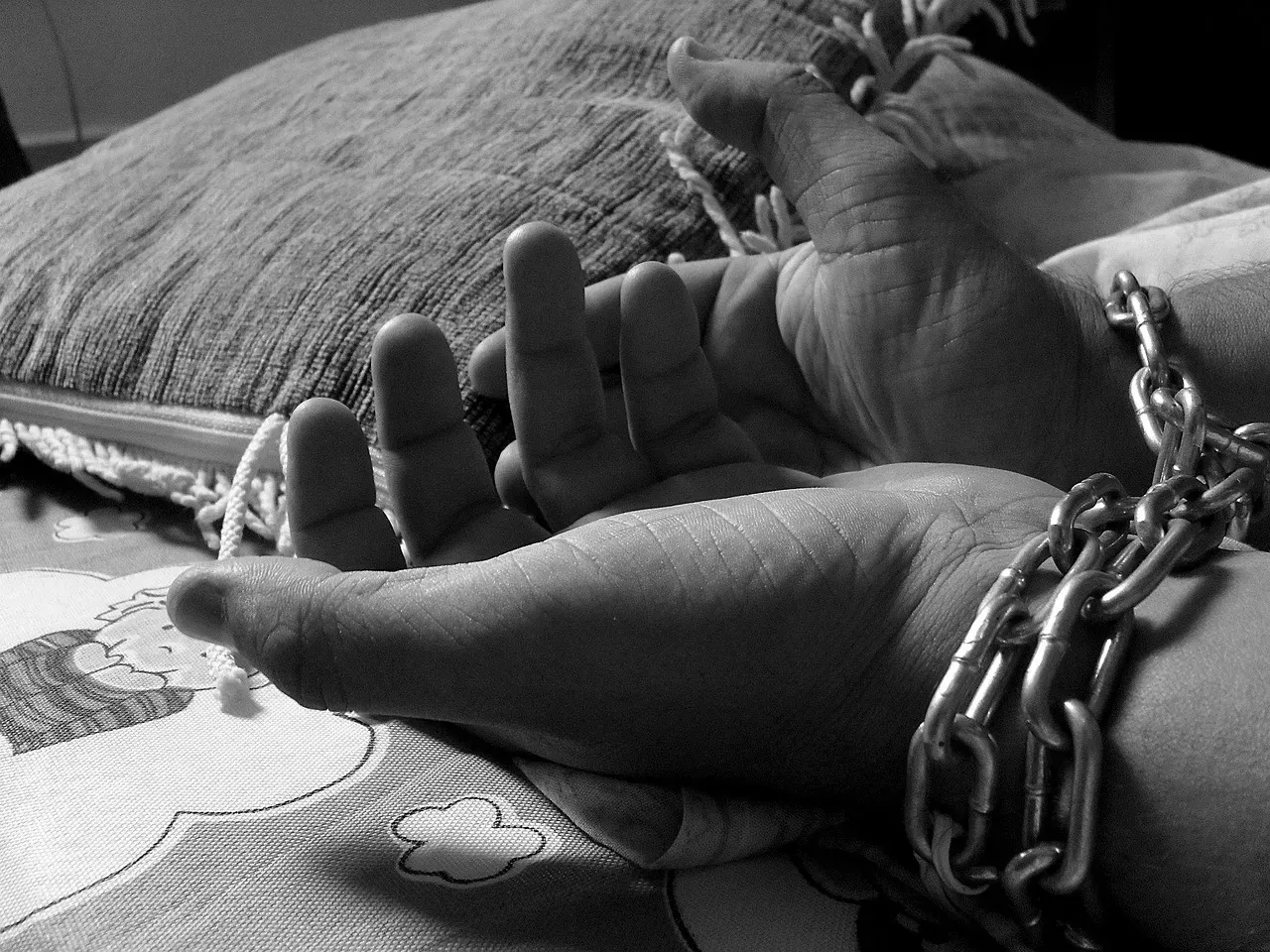
Honestly, the sheer concentration of sex trafficking inside hospitality venues is something most people aren’t aware of. In one recent year, the nonprofit Polaris Project identified 201 trafficking cases involving 296 survivors in Nevada. Most cases of sex trafficking in Nevada include victims who are trafficked at motels, hotels, casinos, escort services, strip clubs, or through street prostitution.
The Las Vegas Metropolitan Police Department reported that from 2021 to 2023 there were 507 sex trafficking investigations, 219 sex trafficking arrests, and 264 juvenile sex trafficking investigations. Those juvenile numbers are especially sobering. These are children.
According to Arizona State University’s Office of Sex Trafficking Intervention Research, victims identified in its studies ranged in age from about 11 to 58, while traffickers ranged from teenagers into their 70s. There is no single profile. That’s what makes this so difficult to confront.
Real Cases, Real Resorts: When Hotels Looked Away
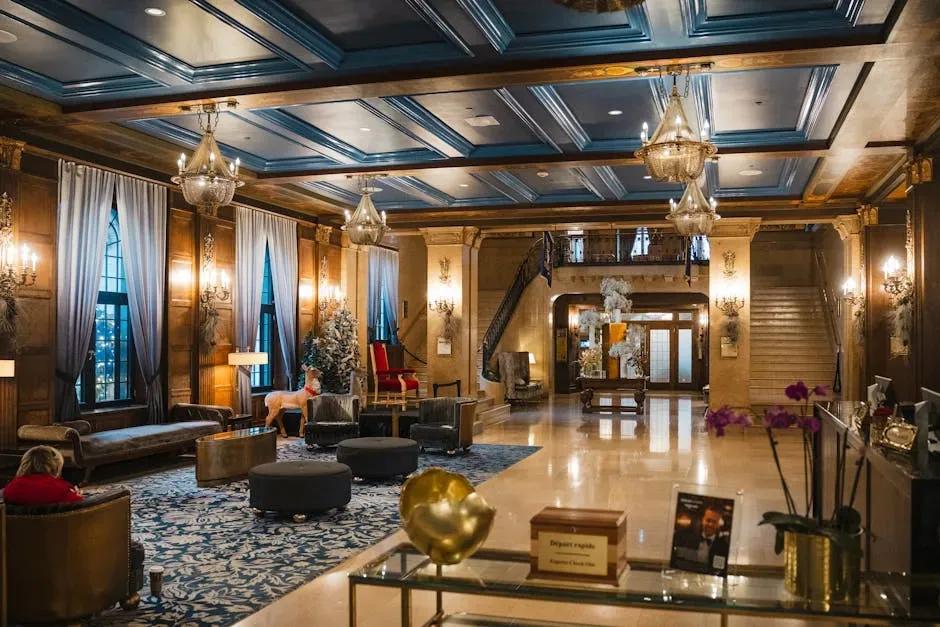
It’s not enough to say trafficking “happens” in hotels. There are real lawsuits, real victims, and real failures by resort staff that document exactly how it unfolded. A woman alleged that she was coerced into prostitution by a trafficker in Las Vegas and was repeatedly taken to several hotels owned by the defendants, including Aria Resort and Casino, Wynn Las Vegas, The Venetian Las Vegas, and New York-New York, where she was forced to engage in commercial sex acts.
One lawsuit alleges a teen fell under the control of a sex trafficker beginning in mid-2019 when she was 16. The plaintiff was regularly coerced into sex work, most commonly at the Hampton Inn Las Vegas/Summerlin, in northwest Las Vegas, and often with the same man multiple times a week.
In 2023, a number of lawsuits emerged against hotels throughout the United States, accusing them of facilitating human trafficking. Over 40 hotels confronted legal challenges for their alleged roles in human trafficking, with claims asserting that they either knew or should have known about trafficking activities occurring on their properties and failed to take action to prevent it.
How to Spot the Signs: Red Flags Anyone Can Notice

You don’t need to be law enforcement to catch a warning sign. Researchers walked lawmakers through a set of hotel “red flags” that staff are likely to notice long before police ever do. They highlighted patterns such as rooms with “Do Not Disturb” signs that stay up for days and minors left alone for long stretches.
A front desk clerk might think nothing of a young female guest whose partner is holding her identification and wallet for her, but when the room she checks into then has a “Do Not Disturb” sign hanging from the door for several days, there’s reason for suspicion. Isolated signals can seem innocent. Patterns are something else entirely.
Researchers and task force leaders urged front desk and housekeeping workers to quietly flag guests who seem unusually anxious, lack identification, refuse to check in alone, or appear to be closely monitored by another person, and to pay attention to odd luggage or room behavior that does not fit the reservation. Simple observations. Potentially life-saving outcomes.
The Digital Angle: How Traffickers Recruit and Coordinate Online

It would be a mistake to think traffickers show up at hotel lobbies with obvious intentions. A lot of the groundwork happens long before any room is booked. The rise of digital platforms has transformed how traffickers recruit victims. Social media sites, dating apps, and online classifieds are frequently used to lure individuals into exploitative situations. In Las Vegas, the connection between the online world and the physical hotspots creates a seamless transition for traffickers, making it essential to monitor online activities closely.
Perpetrators often target people experiencing poverty, living in an unsafe situation, or searching for a better life. That’s not a random selection. Traffickers study vulnerability. They cultivate trust over time before coercion ever begins.
One survivor moved to Las Vegas in an attempt to start fresh. She lost her home and car, and while she was in that vulnerable state, she met her trafficker. He groomed her for nearly a year before one night pushing her out of the car and forcing her into commercial sex work. That is how gradual and calculated this process often is.
Training Efforts: The Industry Is Starting to Respond

There is genuine progress being made, even if it still feels insufficient when weighed against the scale of the problem. The introductory anti-trafficking training provided through the AHLA’s No Room for Trafficking initiative has been taken more than 1.8 million times to date, and thousands are trained every year.
Since 2019, the No Room for Trafficking initiative has supported the distribution of free trafficking-prevention training for hotel employees through a partnership with PACT. These trainings help hotel staff understand what to look for and how to respond to signs of trafficking and are paired with resources that explain how to display human trafficking indicator signage in hotels, establish company-wide policies, and coordinate with law enforcement.
The Southern Nevada Human Trafficking Task Force reported training more than 4,400 people in person last year to help them recognize warning signs. Officials stressed that even brief, focused sessions can change how a single staff member reacts in a single crucial encounter. That single encounter could be everything for a victim.
The Human Cost: What Victims Carry Long After Escape

This article is about spotting signs. It also needs to be about what those signs represent. The person behind the warning indicator is carrying something unimaginable. The consequences of sex trafficking are similar to the consequences of sexual violence. Consequences can be immediate and long-term, including physical and relationship problems, psychological concerns, and negative chronic health outcomes.
Victims are trapped and controlled through assault, threats, false promises, perceived sense of protection, isolation, shaming, and debt. That web of control is why victims often don’t seek help even when they have a brief chance to do so. It’s not indifference. It’s terror.
By identifying victims and reporting tips, you are doing your part to help law enforcement rescue people, and you might save a life. Law enforcement can connect survivors to services such as medical and mental health care, shelter, job training, and legal assistance that restore their freedom and dignity. Knowing what to look for and who to call costs nothing. The impact of doing so can be immeasurable.
Conclusion: Eyes Open, Every Visit

Las Vegas will always be a city of spectacle. The casinos will keep spinning, the hotels will keep filling up, and millions of tourists will cycle through those revolving doors every year. Most of them will never see what is happening in the room down the hall.
Recognizing key indicators of human trafficking is the first step in identifying victims and can help save a life. You don’t need a badge or special authority. You need awareness, and the willingness to trust your instincts. Do not at any time attempt to confront a suspected trafficker directly or alert a victim to your suspicions. Your safety as well as the victim’s safety is paramount. Report what you see. Call the National Human Trafficking Hotline at 1-888-373-7888, or text HELP to 233733.
The next time you check into a Vegas resort, you’ll know what to look for. The question is, what will you do if you see it?