
The question of whether to rent or own a home in retirement has always been personal. It touches finances, identity, and what people imagine their later years looking like. For decades, homeownership was treated almost as a moral achievement, the natural destination of a well-planned life. That picture has gotten considerably messier in recent years, especially for those entering or already navigating retirement in a climate where borrowing money is expensive and housing costs keep climbing.
Where Mortgage Rates Stand Right Now


The 30-year fixed-rate mortgage averaged 6.30% as of April 30, 2026. That’s a notable improvement from the peak, but it still represents a very different landscape compared to the ultra-low rates retirees might remember from 2020 and 2021. The average 30-year fixed mortgage rate only eased to around 6.20% late in 2025, which is meaningfully below the inflation-fueled peak of 7.80% in October 2023, but still far above levels before and early in the pandemic. For someone entering retirement and considering a home purchase, this matters enormously.
If you took out a $400,000 home loan with a 30-year fixed rate of 6.75%, you’d pay around $533,981 in total interest over the life of the loan. The same loan size with a 15-year fixed rate of just 5.75% would cost only $207,577 in interest. The gap between those two numbers is a retirement fund in itself. Most industry groups believe 30-year fixed rates will stay above 6% for the next few years, which means retirees shopping for homes today face a borrowing environment that is unlikely to soften dramatically anytime soon.
The True Cost of Owning a Home in Retirement


The median monthly owner costs for U.S. homeowners with a mortgage increased to $2,035 in 2024 from $1,960 in 2023, according to the U.S. Census Bureau. In 2024, the median percentage of income that householders with a mortgage spent on housing costs was 21.4%, pointing to an increased burden on homeowners. That percentage might sound manageable in the working years. In retirement, on a fixed income, it carries far more weight.
Even for older adults who own their homes free and clear, rising non-mortgage costs like insurance, utilities, and property taxes become a greater concern. Median housing costs grew by 35% since 2019 for households that owned their homes free and clear, while homeowner incomes rose by only 23%. Owning outright is not the safe harbor it once seemed. The idea that paying off your mortgage equals “low housing costs” is often far from true. Homeownership involves a wide range of recurring costs that do not disappear once the loan is gone.
Insurance and Property Taxes: The Hidden Pressure Points


Between 2021 and 2024, the average cost of homeowners insurance went up more than 24%. In some states, like Illinois, it went up by more than 50%. Rising home prices and local government spending have caused property tax bills to increase by more than 27% since 2019, according to CoreLogic. These aren’t one-time shocks. They compound year after year on a budget that doesn’t automatically grow with them.
U.S. homeowners saw their insurance premiums increase by an average of 24% over the past three years, according to a 2025 Consumer Federation of America report, with some states hit even harder. In hurricane-prone Florida, for example, homeowners pay nearly 140% above the national average. For retirees in high-risk states, the insurance bill alone has become a serious budget line. Homeowner’s insurance premiums have been rising for the past few years, with consumers paying an average of $2,300 annually, or $192 per month. When you combine that with maintenance expenses, the math shifts quickly.
Maintenance Costs: A Burden That Grows With the Home’s Age
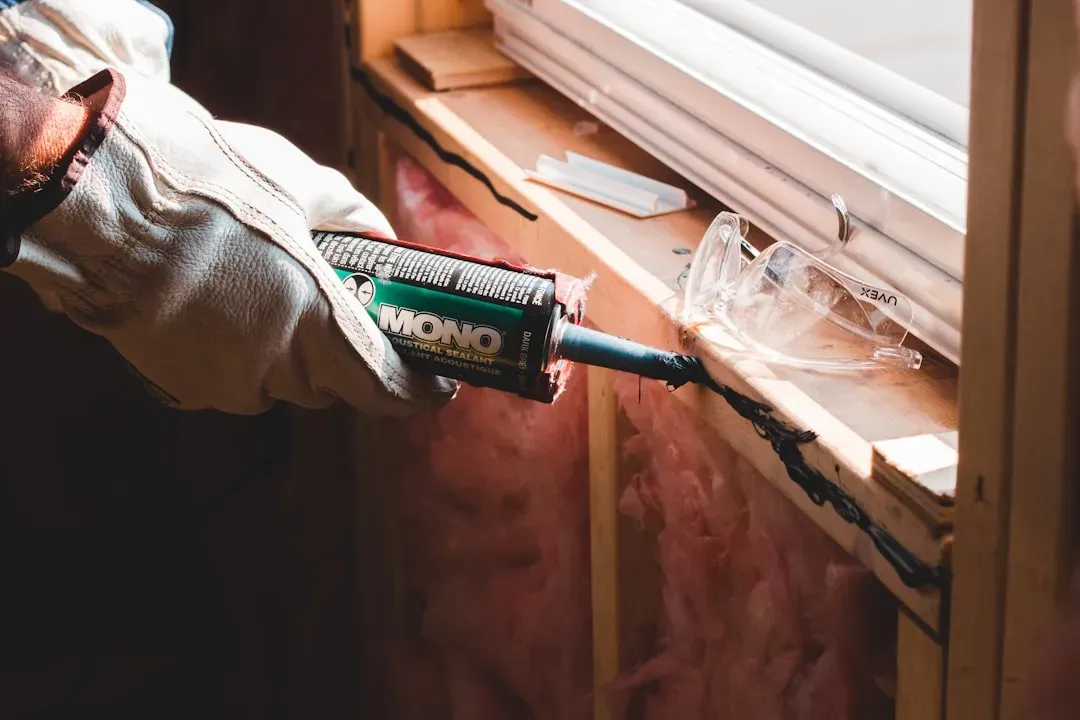
Experts recommend budgeting between 1% and 4% of your home’s value annually to cover typical home maintenance costs. For example, if your house is valued at $450,000, expect to budget from $4,500 to $18,000 for upkeep annually. For someone in retirement drawing from a fixed pool of savings, an unexpected $12,000 roof repair isn’t just inconvenient. It can meaningfully disrupt a carefully built financial plan.
Even if you’ve paid for the upkeep of your home over the years, elements in your house don’t stop deteriorating in retirement. Capital improvements like fixing or replacing roofs can be difficult, and there are tasks you may not want to do yourself anymore – and hiring a professional can be expensive. Homeowners spent an average of $9,542 on home improvements in 2023, a 12% increase from a year prior, according to Angi’s State of Home Spending report. Older homes typically demand more, not less.
The Case for Renting in Retirement: Flexibility and Cash Flow


Goldman Sachs data shows that renters spend roughly 25% of their income on housing, yet homebuyers need to spend more than 35% of their earnings on housing expenses. That difference in percentage points may not sound dramatic, but on a retirement income it represents thousands of dollars a year in freed-up cash flow. When you rent, your monthly housing cost becomes one of the few predictable elements of your budget. A lease gives you a fixed number to plan around, making it easier to manage withdrawals from your retirement accounts or coordinate income from Social Security, pensions, and investment distributions. This consistency is especially valuable if you’re drawing from multiple income sources.
A record wave of new apartment buildings hit the market in 2024, which has helped stabilize rents after years of steep increases. National rent growth has slowed to around 1 to 2% annually, with some cities even seeing slight declines. The national median rent sought in the 50 largest metros was $1,699 in April 2025, down from a year ago. Compared to the median mortgage cost of over $2,000 per month, renting now offers a notably lower monthly baseline in many markets, particularly for retirees who no longer need several bedrooms or a large yard.
Retirees Still Carrying Mortgage Debt


According to a report from the Joint Center for Housing Studies of Harvard University, older generations are carrying mortgages into retirement at an increasing rate. Between 1989 and 2022, the percentage of homeowners aged 65 to 79 still paying a mortgage increased from 24% to 41%, while median mortgage debt spiked more than 400%. This is one of the most striking shifts in retirement housing in a generation. A paid-off home was once the default assumption entering retirement. It no longer is.
A survey by the National Association of Realtors found that from July 2023 to June 2024, a majority – 61% – of primary-residence homebuyers in their 60s financed the purchase, as did nearly half of homebuyers aged 70 to 78. Older buyers are financing homes at rates that would have surprised previous generations. Fully 20.7 million homeowner households faced cost burdens in 2024, representing nearly a quarter of all homeowners, an increase of 4.0 million since before the pandemic. The burden is broad and growing.
The Emotional Pull to Stay Put and the Case for Downsizing


A majority of older homeowners plan to age in place: 56% say they will never sell, 27% say they might sell at some point, and only 17% say they have already sold or plan to sell their home. The attachment runs deep. Older homeowners’ disinclination to move is tied to the love of their home, pride in debt elimination, community engagement, and access to known services. These are entirely reasonable motivations, even if they sometimes work against financial self-interest.
Changing lifestyle preferences, such as the desire for downsizing and maintenance-free living, play a crucial role in senior housing decisions. Cultural shifts toward “active aging,” emphasizing socialization, travel, hobbies, and lifelong learning, are reinforcing demand for smaller, managed communities. Downsizing from a four-bedroom to a two-bedroom home can save up to $200,000 to $500,000 depending on your location. That freed capital, invested or used to offset rent, can significantly extend the runway of a retirement portfolio. The idea of a smaller space increasingly sounds less like sacrifice and more like strategy.
Making the Right Call: What the Numbers Actually Suggest


Current national averages show the median mortgage principal and interest payment at $2,124 per month, while the median rent in the United States is $1,422 per month. For retirees on a fixed income, that difference can be significant. Of course, renting does not build equity, and owning does create a real asset over time – but the monthly cash difference, when redirected into investments, can compound meaningfully. Instead of putting money into a new house, you might be better off putting it in your investment portfolio. If you sell your home and net $300,000 in cash and invest at 6% annually, you’ll generate an extra $18,000 in the first year.
Unlike younger renters, adult renters in retirement years could be especially vulnerable to rent hikes because they are on fixed incomes. That’s the legitimate counter-argument. Renting is not without risk. Lease renewals can bring surprises, and landlords can sell. Fixed-rate mortgage payments remain steady while rents rise, which is a real and lasting advantage of ownership that no spreadsheet should ignore. The honest answer is that the right choice depends on health, location, equity position, income stability, and how much uncertainty a person can absorb at this stage of life.
Conclusion

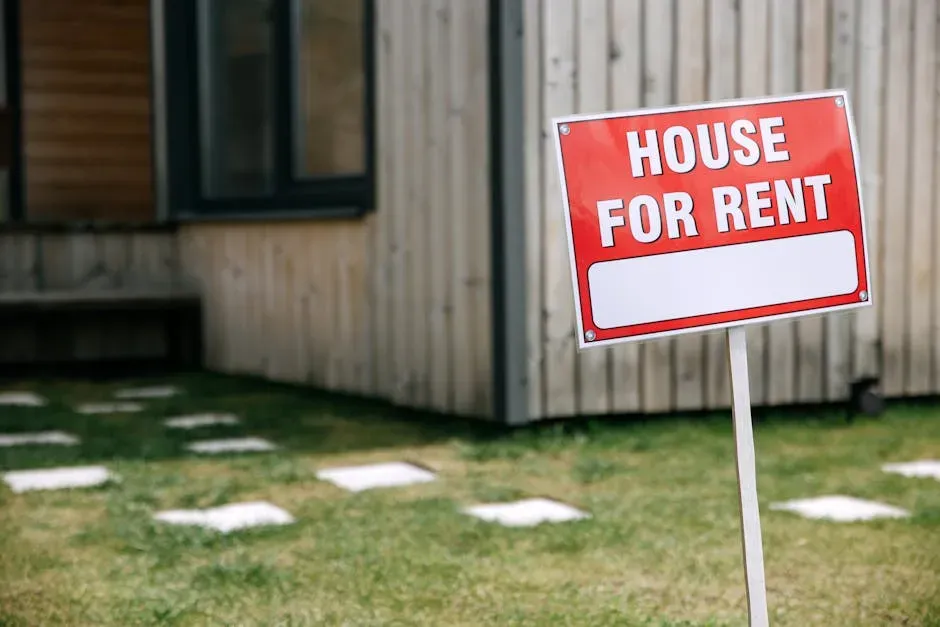
There’s no universal winner in the rent-versus-buy debate for retirees, especially not in an environment where interest rates remain elevated and owning carries costs that go far beyond the mortgage payment. What has changed in recent years is the weight of the evidence. Renting, once dismissed as “throwing money away,” now offers genuine financial advantages for a growing number of older adults – lower monthly obligations, reduced exposure to maintenance surprises, and the flexibility to move if health or circumstances change.
At the same time, homeownership still offers stability, equity, and the psychological value of permanence for those who have the means and the plan to support it sustainably. The key word is sustainably. Ownership is no longer the default definition of stability in retirement. For many retirees, stability now means freedom – freedom from unexpected costs, from physical strain, and from being locked into one location. In a high-rate, high-cost environment, that reframe is not just philosophical. It’s financial.