It’s hard to believe we’re this far removed from empty stages and silent fields. The pandemic forced the music festival world to go dark, leaving behind a strange void where summer adventures and muddy campsites used to be. Now, as we’re deep into 2025, festivals aren’t just back. They’re thriving in ways that honestly feel a bit surreal.
The question on everyone’s mind isn’t whether festivals survived, it’s how they’ve changed. Ticket prices are climbing, crowds are bigger, and the entire ecosystem has evolved in unexpected directions. So what exactly does the festival landscape look like now?
Record Attendance Numbers Are Breaking All the Old Benchmarks
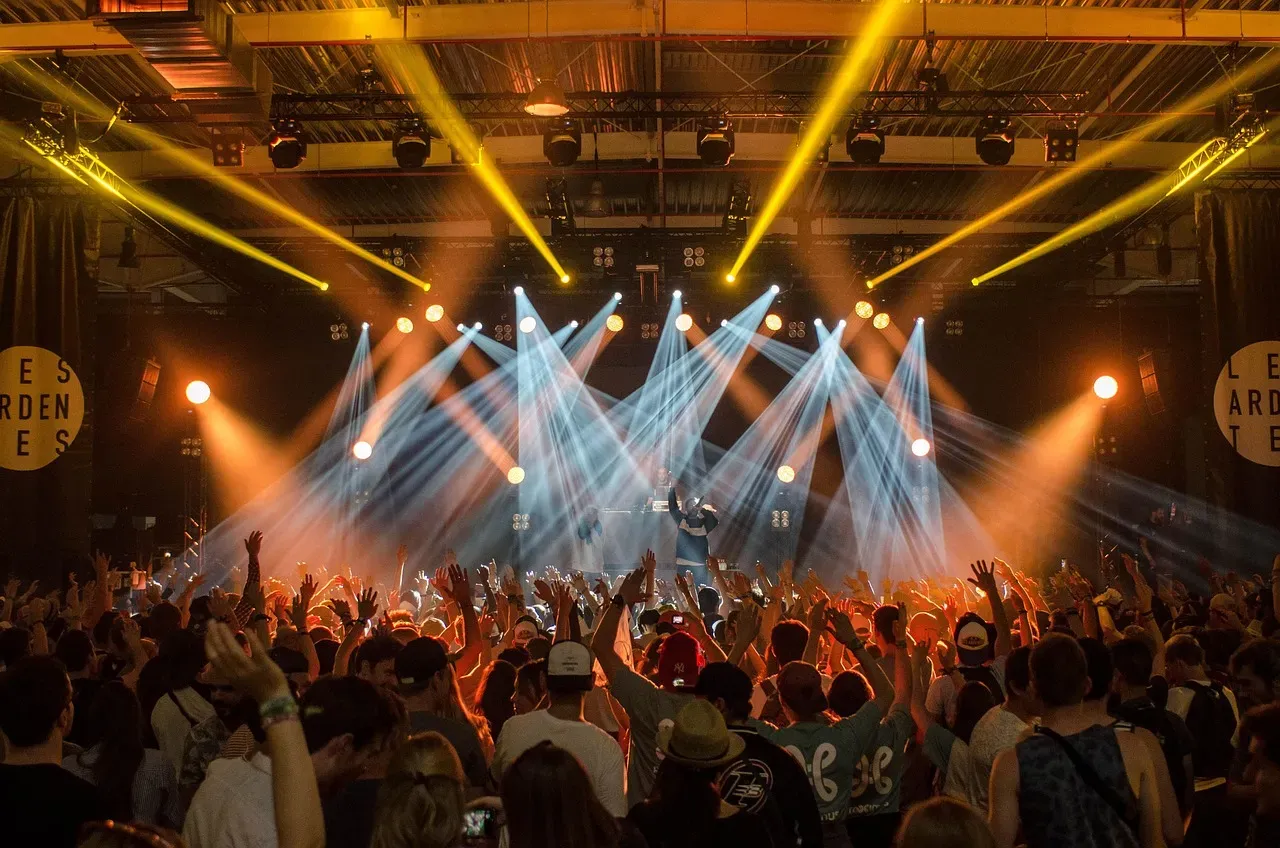
Live Nation reported that over 145 million fans attended more than 50,000 events in 2023, representing a 20 percent increase compared to the prior year. Think about that for a second. That’s not just a recovery, it’s a full-blown renaissance.
By 2024, concert attendance climbed another 4%, with 151 million fans attending over 50,000 events, according to Live Nation’s latest figures. The momentum didn’t just hold, it accelerated. Fans are showing up in droves, from intimate club shows to sprawling multi-day festivals across stadiums and open fields.
Revenue Figures Tell an Even Bigger Story
Here’s where things get really interesting. Pollstar’s 2024 year-end data revealed that total grosses for the Top 100 Worldwide Tours reached a record-breaking $9.5 billion, surpassing the previous year’s $9.2 billion. The live music industry isn’t just surviving, it’s setting all-time highs.
Since 2019, total revenues on Pollstar’s Top 100 Worldwide Charts grew a staggering 71 percent. That’s not inflation alone. That’s pent-up demand colliding with a cultural hunger for live experiences. Let’s be real, streaming a concert on your laptop will never replace the feeling of being there in person.
Ticket Prices Have Soared and Fans Are Still Buying
The average ticket price rose to $135.92 in 2024, marking a 3.91 percent increase, Pollstar confirmed. That’s not the only jump we’ve seen. Concert ticket prices increased 80.5% since 2021, and since 1996, prices ballooned 428.7%.
Festival tickets specifically have followed similar trends. Ticket prices for European festivals increased by an average of 5% between 2024 and 2025, compared to almost 7% from 2023 to 2024, according to IQ Magazine’s analysis of 20 major festivals. The rate of increase is cooling slightly, but costs remain a hot topic. Still, demand hasn’t faltered.
Artists Are Touring Like Never Before

Tours now feature 50% more international acts in the top 50 tours, and tours have 15% more shows on average compared to five years ago, Live Nation reported. Artists are going bigger, longer, and more global than before the pandemic shut everything down.
Taylor Swift’s Eras Tour became the first tour in history to gross over $2.2 billion. Meanwhile, Coldplay’s Music of the Spheres World Tour sold over 10.3 million tickets, the most ever by any artist on a single tour. These aren’t just milestone moments. They’re proof that audiences are willing to commit time, money, and energy to live music on an unprecedented scale.
Festivals Are Expanding and Diversifying
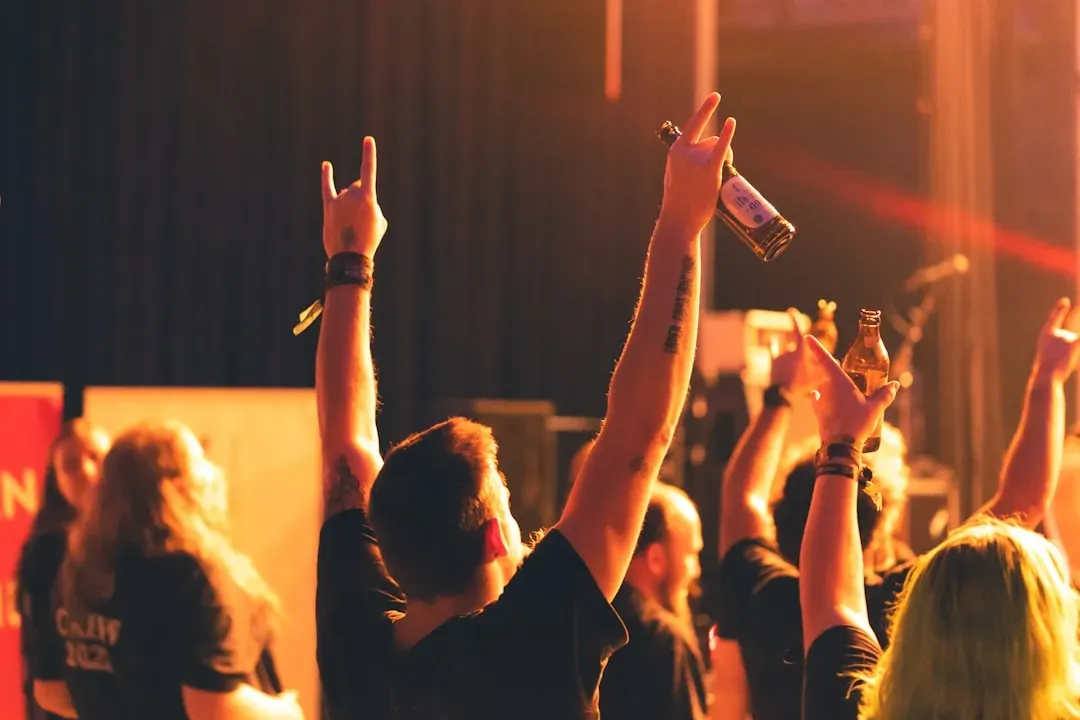
The festival scene isn’t just recovering, it’s innovating. The music festival landscape in 2024 experienced a significant shift towards more specialised and intimate events, according to Ticket Fairy’s analysis. Genre-specific gatherings, wellness-focused festivals, and boutique experiences are filling gaps left by oversaturated mainstream mega-fests.
The global music festival market grew from $2.57 billion in 2024 to $3.02 billion in 2025 at a compound annual growth rate of 17.4%, Research and Markets reported. That rapid expansion reflects both the return of major events and the emergence of new players catering to niche audiences.
The Experience Has Changed in Subtle but Important Ways
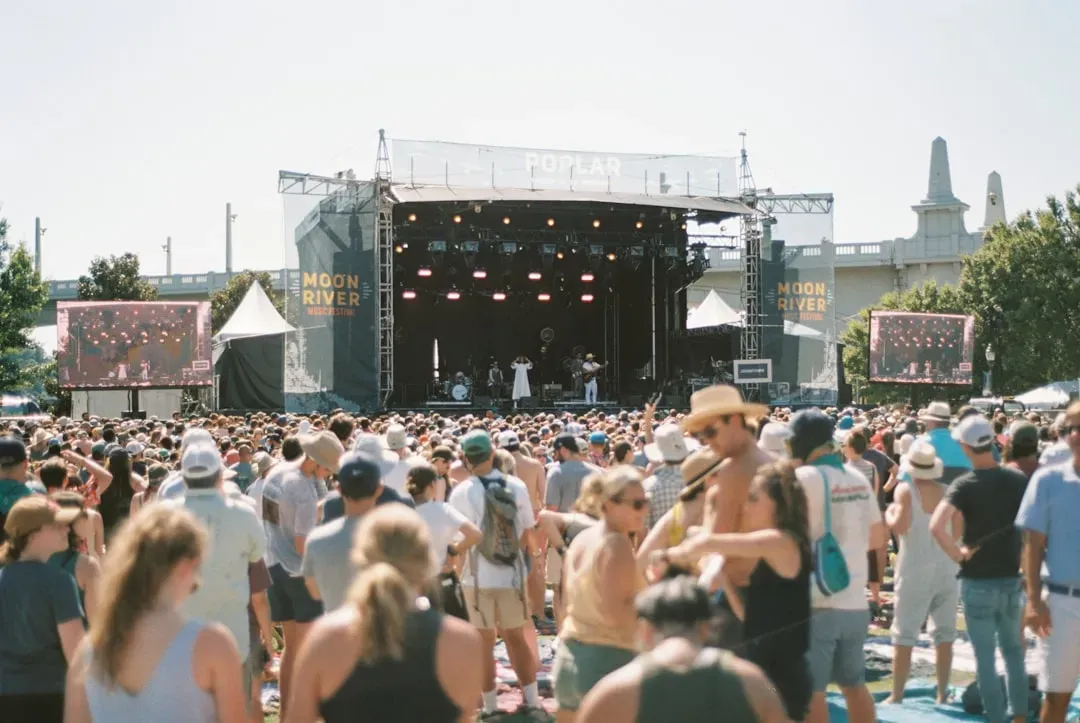
It’s not just about showing up and listening anymore. Ancillary per-fan spending grew double-digits across all major venue types, including amphitheaters, festivals, and clubs, Live Nation noted. Fans are spending more on hospitality, VIP packages, food, and exclusive access than ever before.
In 2024, 11% of dishes consumed at analyzed festivals were vegetarian or vegan, reflecting a shift toward more sustainable and environmentally friendly alternatives. Festival organizers are paying closer attention to what audiences want beyond the music itself, from eco-friendly infrastructure to wellness zones and immersive art installations. The festival experience has become more holistic, more customizable, and honestly, more expensive.
So here we are. Festivals have roared back with a vengeance, reshaped by economics, shifting tastes, and a collective desire to make up for lost time. Did you expect the comeback to be this strong?