The Numbers Tell a Slow Story

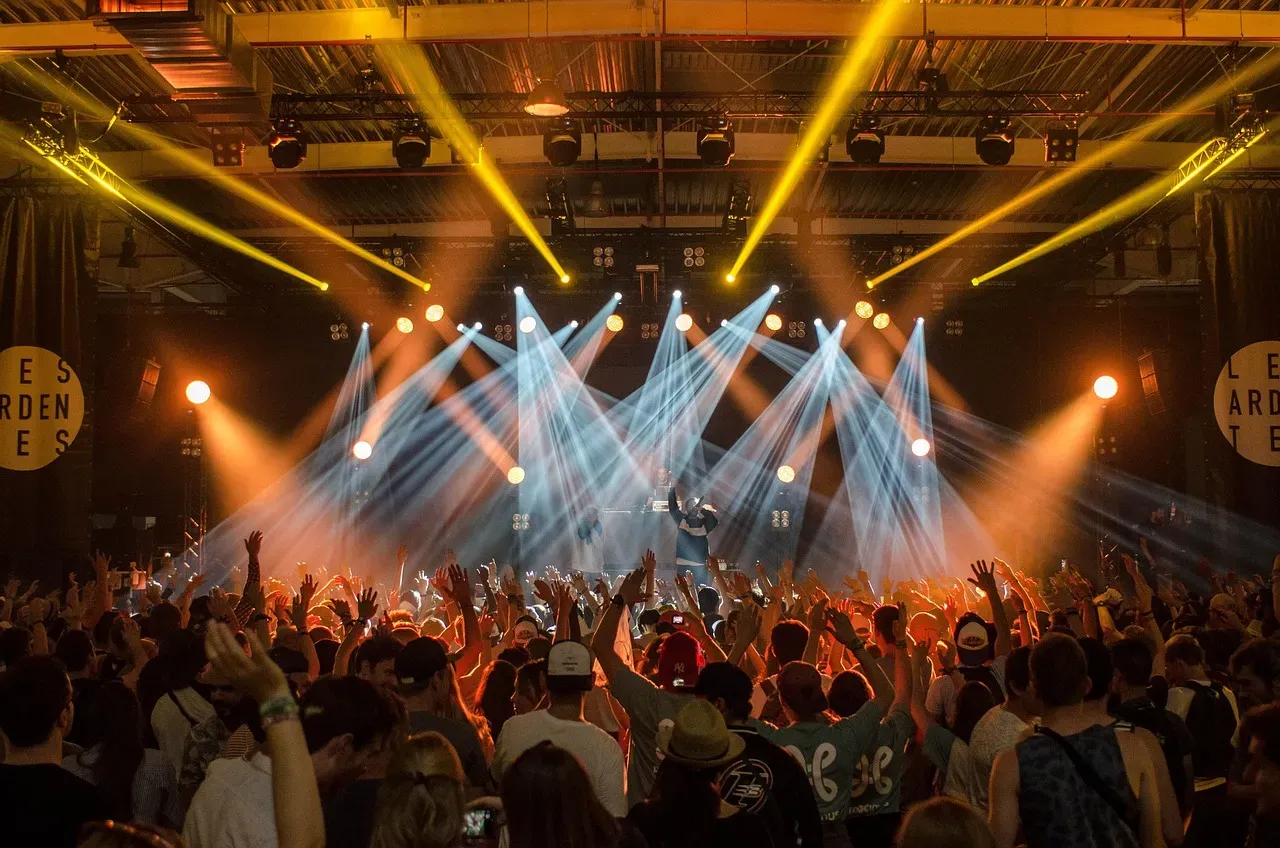
Since 2018, over 650 festivals and music organizations globally have signed the Keychange Pledge, committing to achieve at least 50% gender balance in their programming and staffing. That’s a striking increase from the initial 45 signatories who took the pledge when it launched. According to the female:pressure FACTS report, the proportion of female acts at electronic music festivals rose from roughly one in ten performers in 2012 to nearly thirty percent by the reporting period ending in 2023.
Progress exists on paper. The real question is whether audiences can feel it. Research consistently shows that larger festivals tend to book fewer female and non-binary acts, and smaller festivals are more likely to present gender-diverse lineups. In practical terms, the festivals dominating headlines and selling hundreds of thousands of tickets still lag behind their smaller counterparts when it comes to representation.
Pledges Versus Practice

Despite over 600 organizations signing on to commitments like Keychange, women and gender-expansive creators remain vastly underrepresented throughout the music industry. Signing a pledge is one thing. Actually booking gender-balanced stages year after year is another entirely.
Some festivals took early action. In 2023, major promoter C3 Presents reported that at Austin City Limits, more than 45% of the acts featured at least one woman or nonbinary musician. Still, representation varies wildly by genre. Research analyzing 34 Italian festivals found women in the minority at every single one.
The gap between promise and execution remains a stubborn problem. Festivals can publicly champion inclusion while quietly booking the same pool of headliners year over year. It’s hard to say for sure if momentum is slowing, but the data suggests uneven commitment.
Genre Matters More Than We Think

Not all festival lineups face the same challenges. Industry analysis from Pollstar’s 2023 year-end review noted robust years for major tours and multi-act bills with diverse lineups, emphasizing more immersive production elements across genres. Hip-hop and electronic music events tend to show better racial and gender diversity than rock-focused festivals.
Genre expectations shape who gets booked and where. Rock and indie festivals have been slower to shift their headlining rosters, often citing audience expectations or “availability” as reasons for stagnation. Hip-hop and R&B events, on the other hand, feature more women headliners and have embraced newer acts more readily.
This shows diversity isn’t impossible. It just requires different thinking about who belongs on a main stage.
Audiences Are Paying Attention

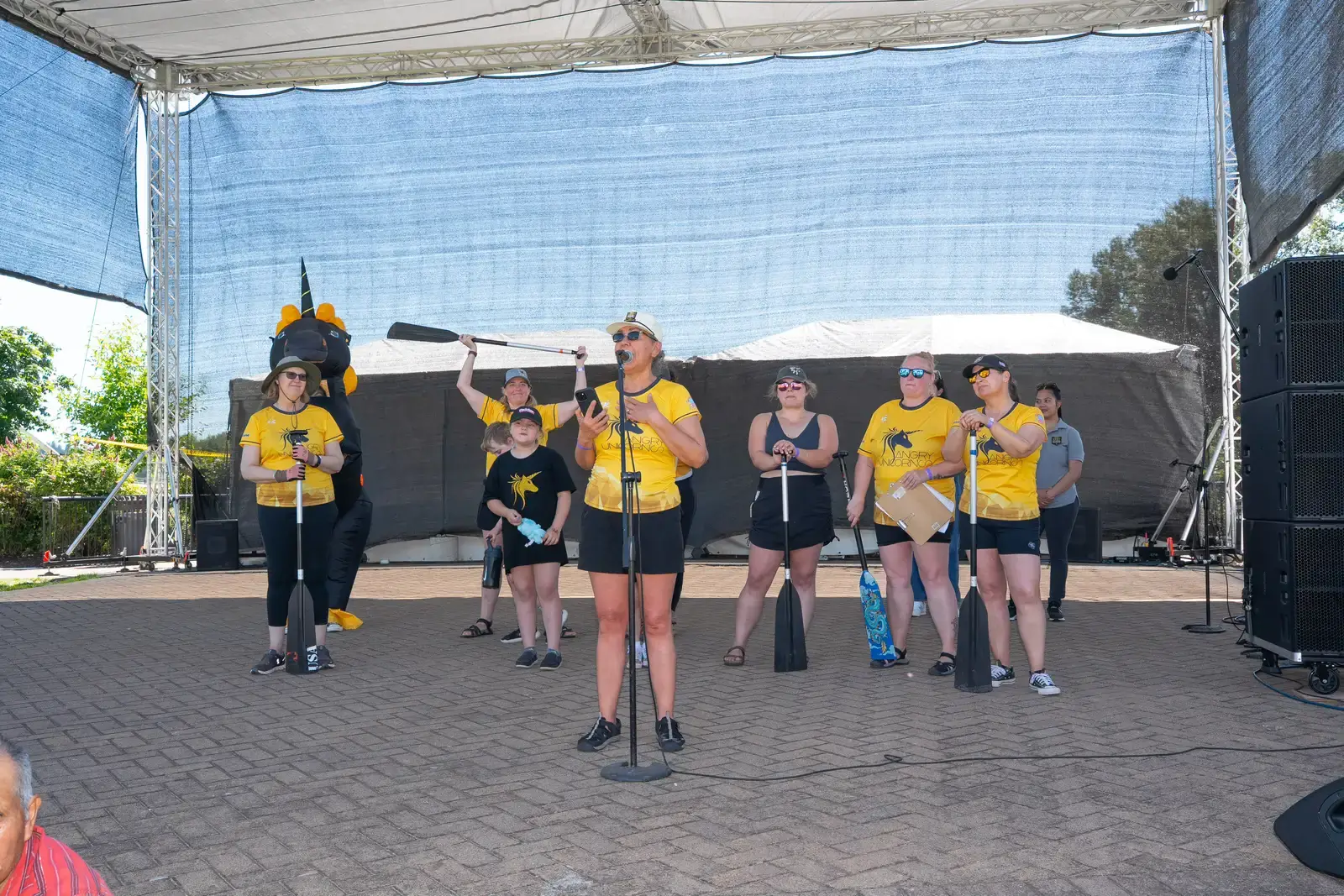
Younger festivalgoers are less willing to overlook lineup imbalances. According to data from the 2021 Keychange report in partnership with Reeperbahn Festival, a significant proportion of younger audiences now make decisions about attending music festivals based on how gender-diverse the lineups are. This suggests that diversity isn’t just an ethical question anymore – it’s a business one.
Festivals that promote inclusive lineups often see stronger engagement on social media and higher early-bird ticket sales, according to industry reports. Fans notice who’s missing. They talk about it online. Some choose not to attend when lineups don’t reflect the world they live in.
Funding and Policy Start to Shift the Ground
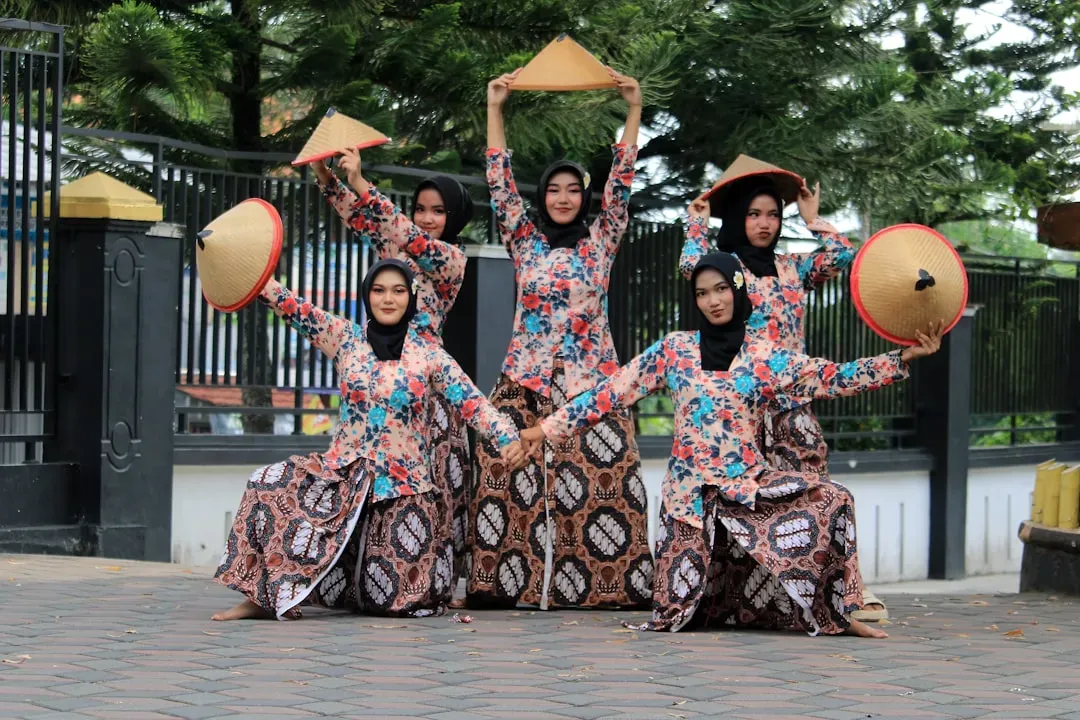
Money talks. Cultural funding bodies in Canada and parts of Europe updated grant requirements in 2024 to include diversity reporting and inclusion strategies for festivals seeking support. That means festivals applying for public money now need to show they’re taking representation seriously, not just talking about it.
Research also indicates that publicly funded festivals and festivals with female artistic directors tend to have higher proportions of female acts. When funding criteria and leadership demographics change, programming follows. That’s a powerful lever for long-term progress.
Still, many festivals operate without public funding and face no external accountability. For those events, diversity depends entirely on internal priorities.
The Data Problem We’re Not Solving

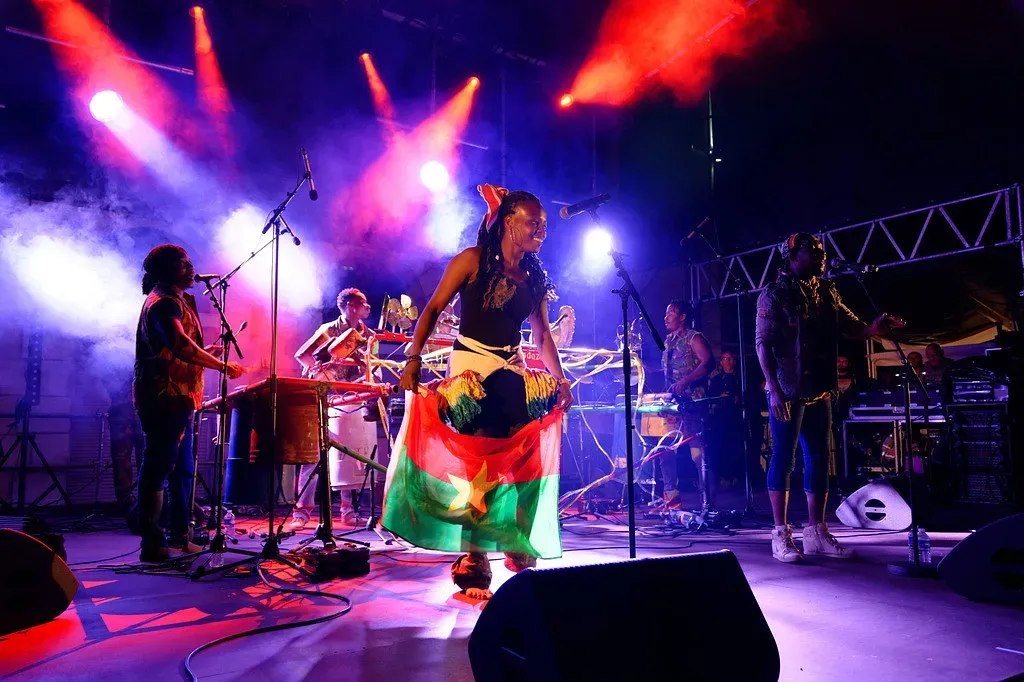
Measuring diversity in music festivals remains surprisingly messy. Different organizations count representation in different ways. Some count any act with at least one woman member as diverse. Others tally every performer on stage. Those methods produce wildly different results.
One researcher surveyed WOMAD festival between 2012 and 2019 and found that using a “soft” method – where a group with just one woman counts as a woman act – the festival appeared roughly gender balanced, but using a “hard” method counting all musicians on stage, representation dropped to only 30% women. Timing and stage prominence matter too. Women artists might appear on smaller stages at off-peak times even at festivals claiming progress.
Without standardized measurement, it’s easy for festivals to game their own numbers or genuinely believe they’re doing better than they are. Honest, rigorous data collection is the unsexy foundation progress actually needs.
What do you think about the progress we’ve made so far? Are festivals moving fast enough, or is this still largely talk? Let us know your thoughts.