Defining the Cultural Currency of Festival Photography
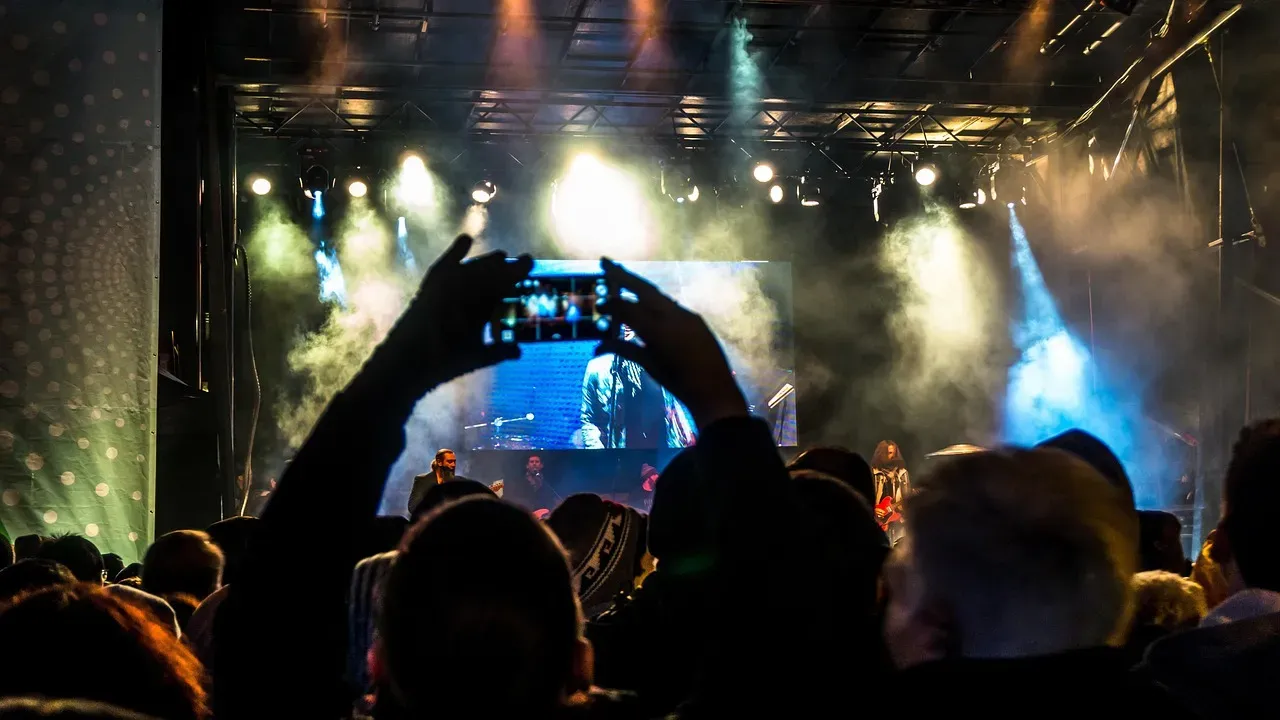
Festival photography has become something much bigger than simple documentation. Think about it, when you scroll through social media during festival season, you’re not just seeing random snapshots. You’re witnessing carefully crafted visual narratives that define how we remember cultural moments. Events are back in full swing and so is demand for event photographers, as people capture these precious moments for a lifetime of memories. This demand isn’t surprising when you consider that festivals create a unique convergence of music, art, fashion, and human emotion.
The value of festival photography extends far beyond personal memories. Industry research has shown that roughly a quarter of traffic to ticketing pages now comes directly from social media referrals, which underscores just how essential visual content has become for festival marketing. When photographers capture that perfect shot of a crowd silhouette against a sunset stage, they’re creating marketing gold. Honestly, the ripple effect is fascinating because one stunning image can influence thousands of ticket purchases for the next year.
In total, 1,169 tweets and 483 posts were captured during festival studies, with two-thirds of social media activity occurring during the festivals. That concentration of activity reveals something important about festival photography’s role: it’s not just about preserving memories but about creating real-time engagement that amplifies the festival experience itself. The camera becomes both witness and participant.
The Economic Weight Behind Festival Imagery
The photography services market size is forecast to increase by USD 11.57 billion, at a CAGR of 4.8% between 2024 and 2029. Here’s the thing that most people don’t realize: festival photography isn’t just an artistic pursuit anymore, it’s big business. Professional photographers working major festivals command substantial fees, and the licensing of iconic festival images generates ongoing revenue streams.
The global photographic services market size was estimated at USD 35.78 billion in 2024 and is predicted to increase from USD 37.96 billion in 2025 to approximately USD 64.68 billion by 2034. Event photography represents a significant portion of this growth. Let’s be real, when you see those breathtaking festival photos that go viral, there’s an entire ecosystem of professionals, licensing deals, and commercial applications working behind the scenes.
While wedding photography dominates, the high percentage of photographers engaged in events shows that many photographers are diversifying their services. Festival work offers photographers unique opportunities that traditional events don’t provide. The scale, energy, and visual diversity create portfolio pieces that can define a photographer’s career.
Social Media Amplification and Digital Immortality
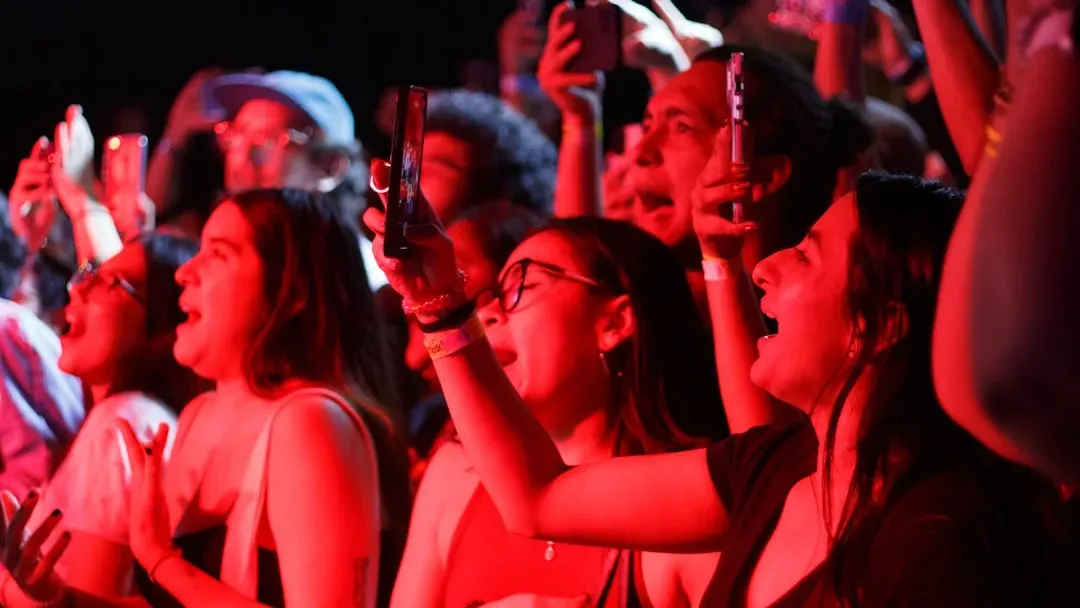
Something really interesting happened when social platforms took over festival culture. Research analyzing the content of over 2 million tweets shows that adding a photo URL to your tweet can boost retweets by an impressive 35%. That statistic alone explains why festivals have become increasingly photogenic. Organizers now design installations specifically for social sharing, creating what some call “Instagram bait.”
In total, a material of 77,034 user-generated contents published in social media were collected and analyzed, illustrating that the studied festivals enjoy considerable levels of digital engagement. We’re talking about massive digital footprints here. Every attendee with a smartphone becomes an unofficial festival photographer, contributing to a collective visual narrative that extends the festival’s reach far beyond the physical grounds.
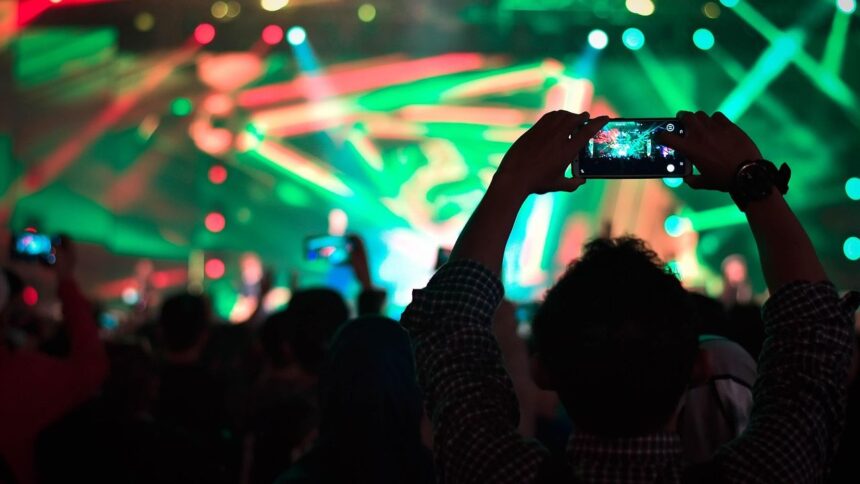
A live social media wall is a large digital display that shows a running feed of posts from attendees in real time, pulling in posts that use the festival’s hashtag. This creates a feedback loop where attendees photograph moments specifically to see themselves featured on these walls, which generates more content, which attracts more attention. It’s a brilliant cycle that transforms every attendee into a potential content creator.
Documenting Ephemeral Art and Performance
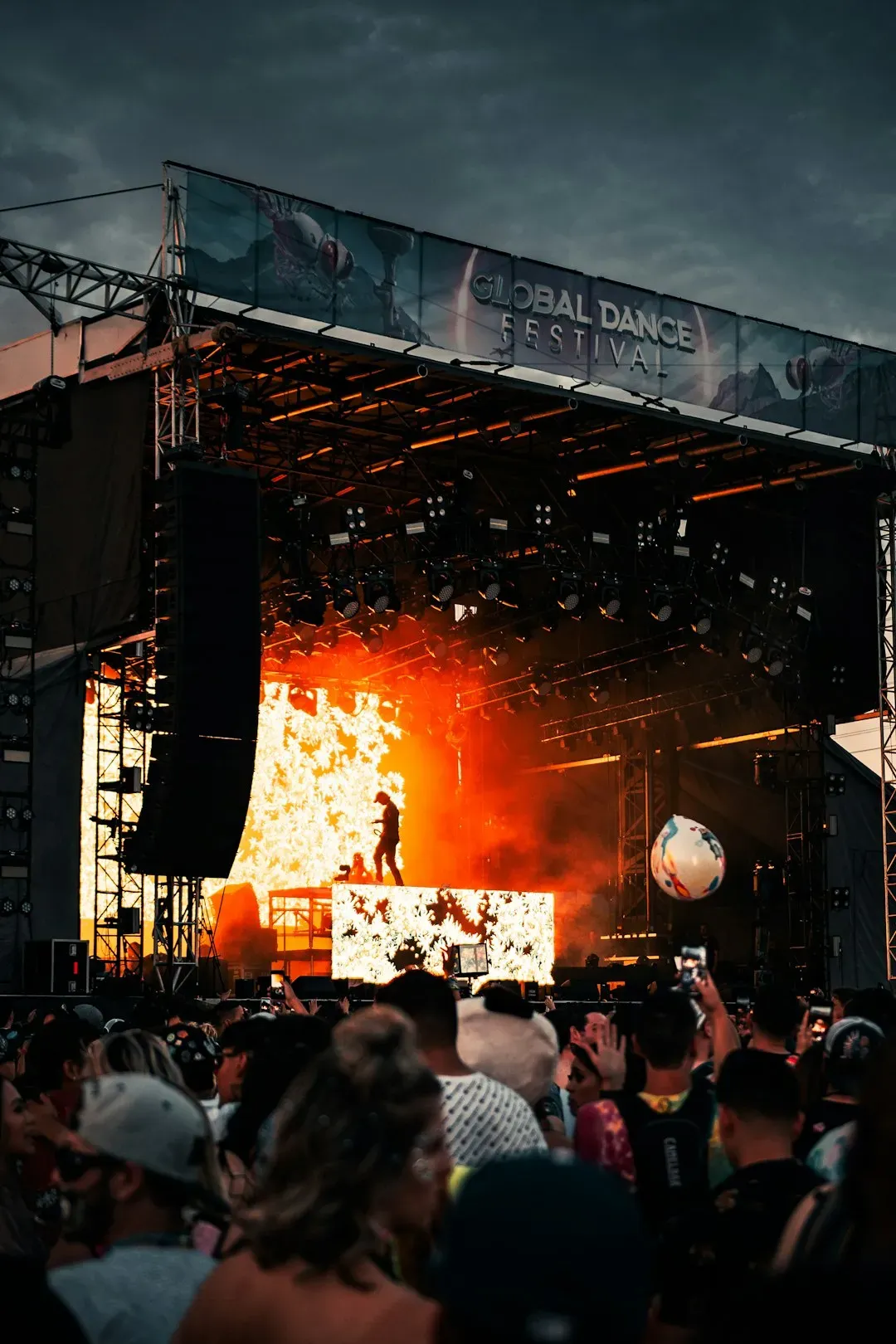
Festivals exist in a temporary bubble. The stages are dismantled, the art installations are removed, and the crowds disperse. Photography preserves what would otherwise vanish completely. No Doubt performed on both weekends, bringing out Olivia Rodrigo during their first performance, who posted it was “the coolest honor” to perform with the band. Without photography, these collaboration moments would exist only in fragmented personal memories.
The challenge of festival photography lies in capturing motion, emotion, and atmosphere simultaneously. Photographers must navigate challenging lighting conditions, moving subjects, and unpredictable moments. Cameras mounted atop drones and 360-degree cameras are becoming commonplace, giving a unique look to the images and videos as they capture the scene in a previously impossible way. Technology is expanding what’s possible, allowing photographers to document festivals from perspectives that were science fiction a decade ago.
I think what makes festival photography particularly powerful is its ability to capture authentic emotion. Unlike posed studio work, festival photographers document genuine reactions: joy, surprise, transcendence. These aren’t manufactured moments but spontaneous expressions of human experience. That authenticity is what makes certain festival images resonate across cultures and time periods.
Creating Lasting Cultural Documentation
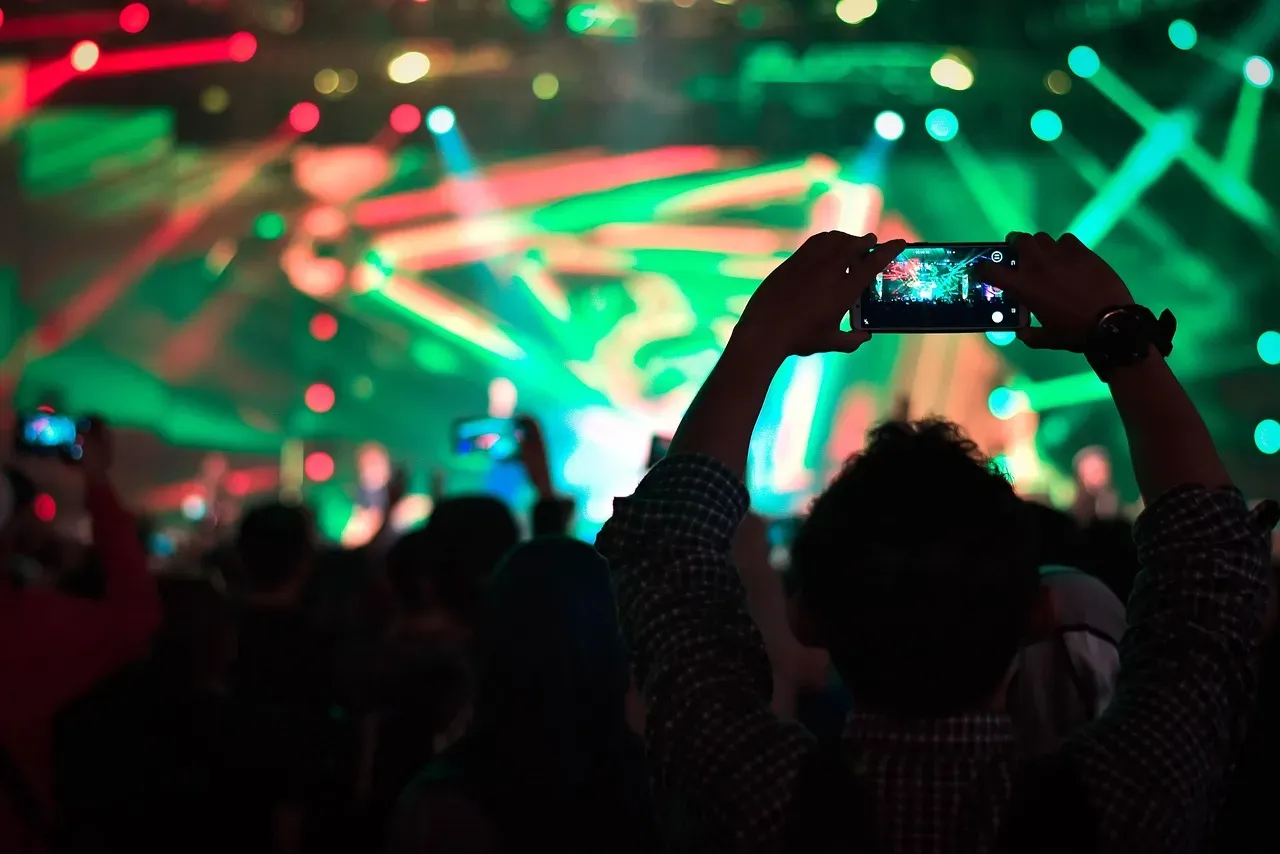
When you look back at festival photography from decades past, you’re not just seeing fashion and music. You’re seeing cultural zeitgeist frozen in time. In 2024, Taylor Swift and Travis Kelce attended Coachella, going immediately viral on social media. These moments become part of pop culture history, documented and disseminated through photography.
Music festival market is projected to grow at a CAGR of 24% from 2024 to 2031, with sustainability initiatives increasingly important, as 69% of attendees favour nature-connected events. Photographers are now tasked with documenting not just performances but the entire festival ecosystem, including sustainability initiatives, art installations, and the evolving relationship between festivals and their environments. This expanded scope requires photographers to think like photojournalists, capturing the complete festival story.
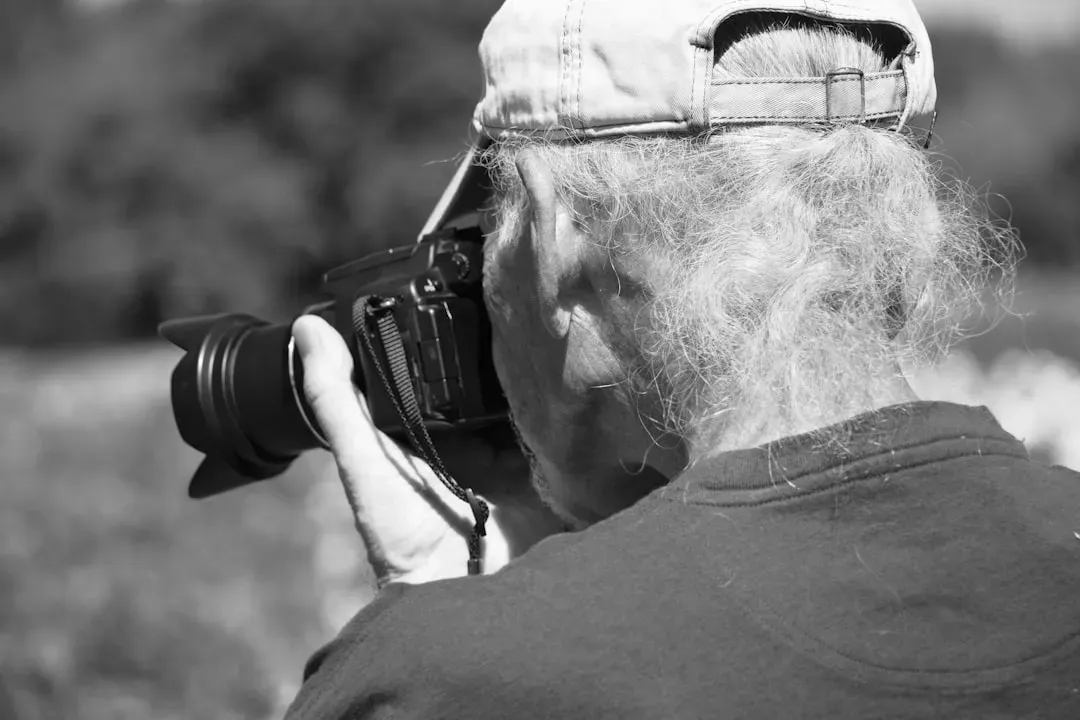
The democratization of festival photography through smartphones has created both challenges and opportunities for professionals. While everyone can take festival photos now, professional photographers still command respect for their ability to capture that decisive moment with technical excellence. They understand composition, lighting, and timing in ways that casual photographers don’t. Their work elevates festival documentation from snapshots to art.
Building Community Through Visual Storytelling
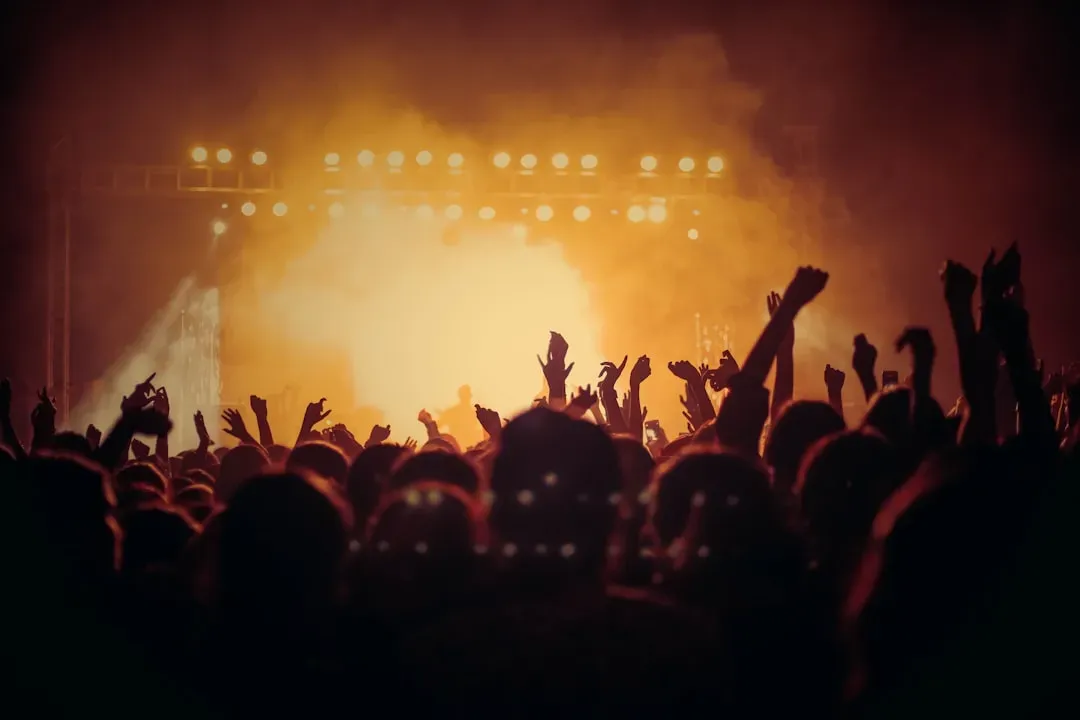
Festival photography creates bridges between people who attended and those who didn’t. Post-event engagement can turn one-time attendees into loyal fans, as thank-you posts accompanied by striking photos of the crowd go a long way in making the community feel valued. This sense of community extends far beyond the festival dates themselves, sustained by the circulation of photographs that remind people of shared experiences.
Professional photographers understand they’re not just documenting for themselves or even for festival organizers. They’re creating visual artifacts for an entire community. The content fans create during the festival offers a window into what they find memorable, with organizers paying attention to which aspects generate the most excitement online. This user-generated content complements professional photography, creating a multi-faceted visual record.
The best festival photography manages to be both specific and universal. It captures the unique character of a particular festival while also expressing something broader about human connection, celebration, and the power of live music. When you see an iconic festival photo, you might not have been there, but you feel like you understand what it meant to the people who were.
Festival photography stands as more than documentation or marketing material. It’s become an essential component of how we experience, remember, and share cultural moments. As festivals continue to evolve and photography technology advances, the relationship between the two will only deepen. The photographers who master this craft don’t just capture images, they preserve the intangible magic that makes festivals irreplaceable in our cultural landscape. What moments from festivals do you think deserve to be immortalized through photography?