Hollywood has a long memory, but it also has a short fuse. Careers that took a decade to build can unravel surprisingly fast when the wrong project lands at the wrong moment. Sometimes it’s a vanity project, sometimes a franchise misfire, sometimes just a spectacular mismatch between actor and material.
What makes these stories worth examining isn’t the failure itself. Plenty of A-listers have weathered disasters and bounced back without missing a step. What separates the following eleven from the rest is how complete and lasting the damage turned out to be, and in most cases, how avoidable it seemed in hindsight.
1. Halle Berry – Catwoman (2004)
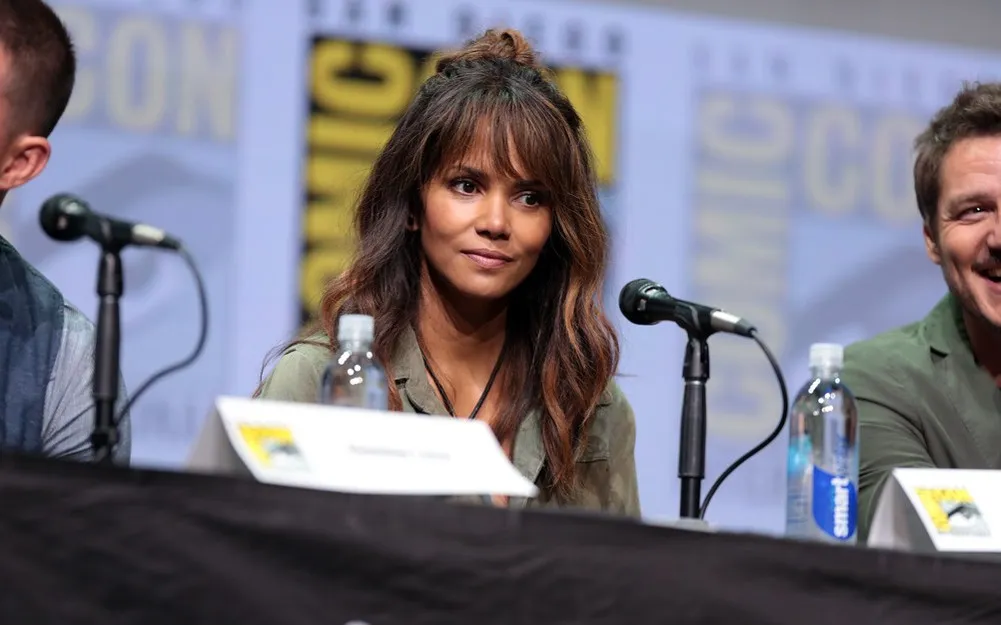
In 2002, Berry became the first African American woman to win the Academy Award for Best Actress for Monster’s Ball. Two years later, she made Catwoman. The whiplash stalled Berry’s career for a while, earning her a Razzie Award as Worst Actress, which Berry graciously accepted in person. That moment of self-deprecating humor was charming, but the professional fallout was real.
The film’s downright atrocious reception single-handedly stopped Berry’s career in its tracks. Her box office numbers sank to very worrying lows. It took the better part of fifteen years for her career to begin showing signs of life again. Berry noted as recently as 2024 that her options are sometimes “limited,” citing a shortage of good roles for Black women.
2. John Travolta – Battlefield Earth (2000)
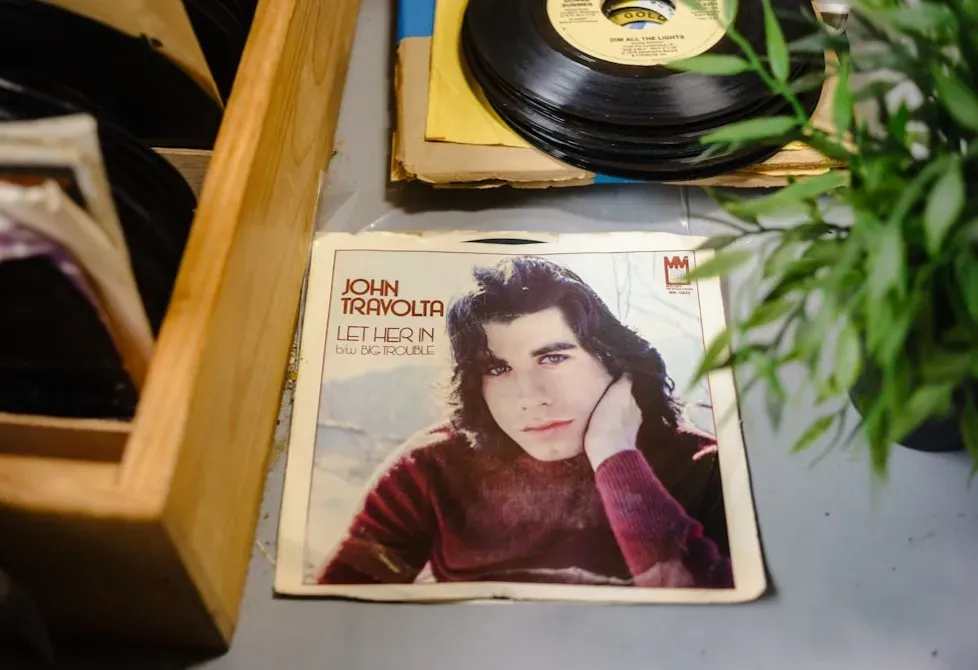
Travolta’s salvation had come in the unexpected form of Quentin Tarantino’s Pulp Fiction, which made him the poster child for the comeback kid and earned him an Oscar nomination. He followed it up with a solid string of hits in the 1990s, including John Woo’s action classic Face/Off. The goodwill he had built was substantial, which made what came next all the more shocking.
Battlefield Earth, with all of its Dutch angles, terrible lines, and over-the-top performances, was so bad that it canceled out all the goodwill Travolta had earned with Pulp Fiction not even a decade earlier. The film went on to “win” the Golden Raspberry Award for Worst Picture of the Year, of the Decade, and of the first twenty-five years of the awards. That’s a rare and deeply unfortunate hat trick.
3. Elizabeth Berkley – Showgirls (1995)
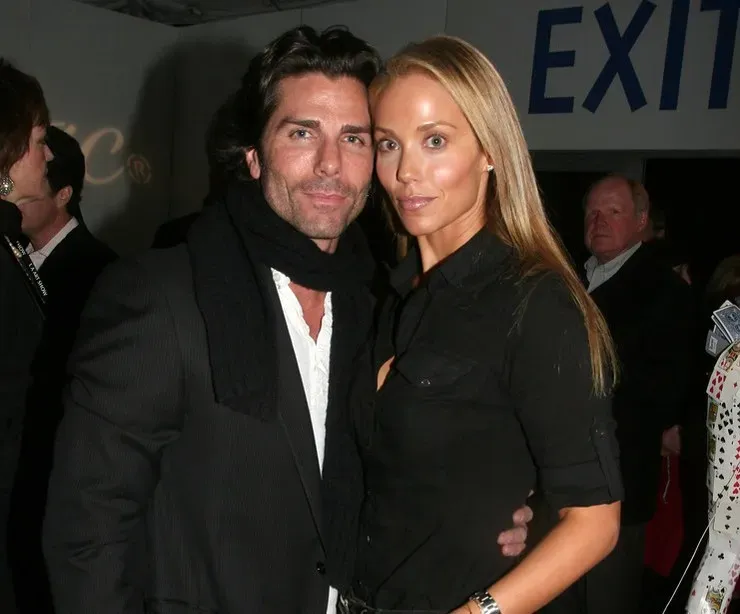
Elizabeth Berkley seemed like a star on the rise after ending her run on Saved by the Bell in the early 1990s, but that all came crashing down after taking the lead role in Paul Verhoeven’s erotic drama Showgirls. The film earned an NC-17 rating and quickly became one of the most mocked releases of its era.
The film scored just 23 percent on Rotten Tomatoes. The NC-17 film tanked, and Berkley’s performance was panned, causing her career to flounder just as soon as it had begun. She continued to work in film for the next decade or so, but her career never quite recovered. The role that was supposed to break her out of teen-TV typecasting simply replaced it with a different, far less flattering one.
4. Mike Myers – The Love Guru (2008)
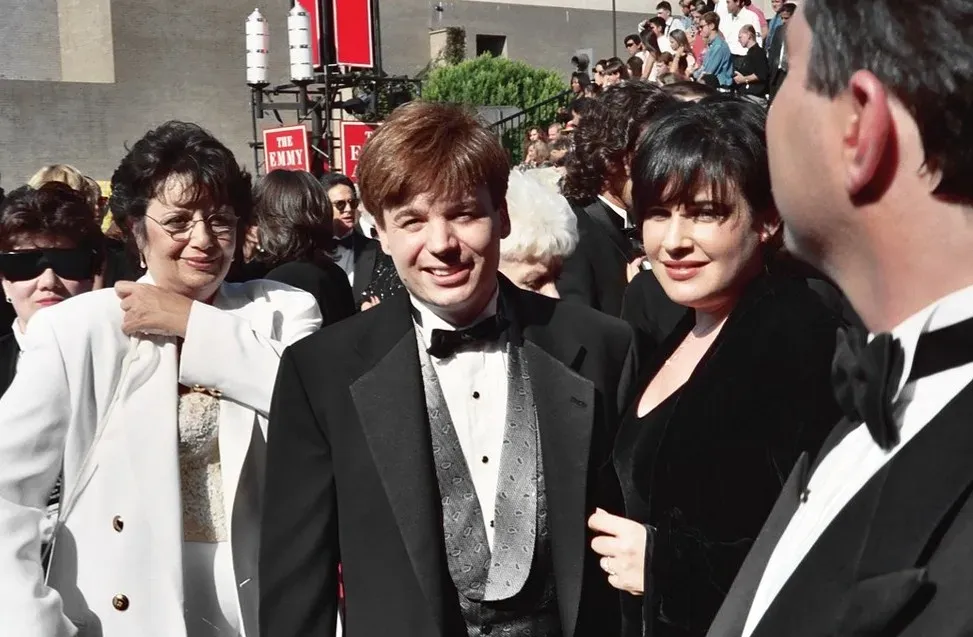
Mike Myers had a stellar career on Saturday Night Live and was one of the funniest movie stars of the latter part of the twentieth century, thanks to the Wayne’s World and Austin Powers franchises. After a string of duds, Myers starred in 2008’s The Love Guru, a comedy so bad and so unfunny that he never really rebounded outside of voice roles.
Many accused the movie of racist stereotyping due to its depiction of Indian culture. Myers reportedly fell into a significant depression after the film failed. He surfaced briefly for the Gong Show revival in 2017 and has a cameo in Bohemian Rhapsody, but a part of Myers’ career never fully came back.
5. Taylor Kitsch – John Carter (2012)
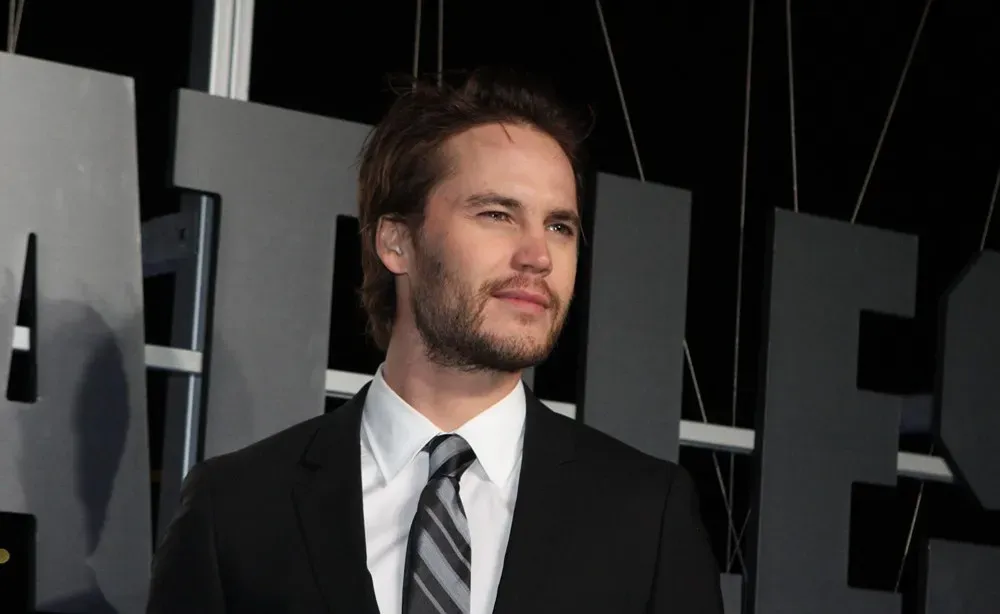
Hollywood had anointed Taylor Kitsch as the next big thing following his lauded performance on Friday Night Lights, but sadly, Kitsch came out of the gate with John Carter, one of Disney’s biggest financial stumbles ever. Disney’s space epic failure took out Kitsch’s blooming action lead career as collateral damage. What should have been Disney’s Avatar ended up being Kitsch’s Waterworld instead.
Kitsch’s career never truly recovered from John Carter, which was followed by the high-profile catastrophe Battleship. A breakout talent from Friday Night Lights, John Carter’s failure hindered Kitsch’s transition to the big screen. He continues to work in high-quality productions like Lone Survivor and True Detective, but mainly functions as a supporting actor.
6. Geena Davis – Cutthroat Island (1995)
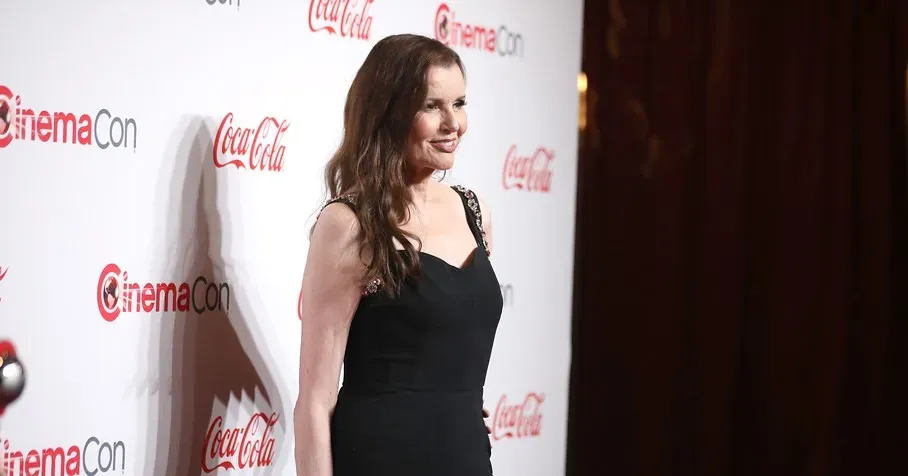
After her meteoric ascent thanks to films like Beetlejuice and Thelma and Louise, Davis’ career was stunted by the flop that was Cutthroat Island. The timing couldn’t have been worse. She arrived at the film as one of Hollywood’s most respected leading women, and departed it as box office poison.
Partner offer
With a budget of $98 million, Cutthroat Island only made back about $10 million. The highly respected Davis couldn’t even save the film, and it may be the reason Hollywood became hesitant to cast her in leading roles thereafter. She managed a successful run on the show Commander in Chief and appeared as a surgeon on Grey’s Anatomy, but her big-screen prominence was essentially gone.
7. Roberto Benigni – Pinocchio (2002)
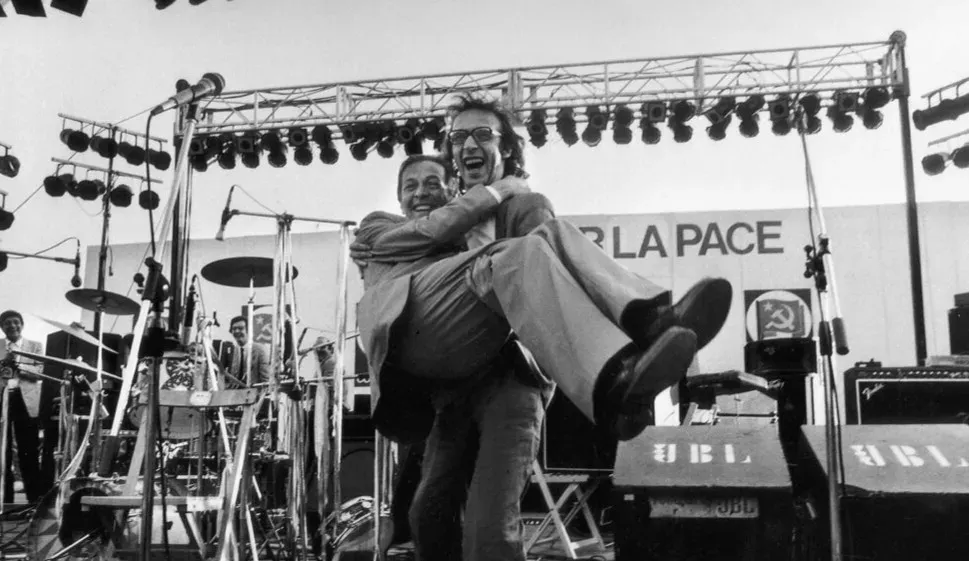
In the 1990s, Roberto Benigni wrote, directed, and starred in the Italian film Life Is Beautiful. It went on to receive seven Academy Award nominations and three wins, including his trophy for Best Actor. His ebullient, leaping acceptance speech at the Oscars made him a beloved global figure almost overnight.
For a while it seemed like Benigni couldn’t do anything wrong as both an actor and filmmaker. That all changed with his 2002 adaptation of Pinocchio, specifically the English dub, which earned a stunning zero percent on Rotten Tomatoes. He has only appeared in a handful of movies since. In a world without the 2002 Pinocchio, Benigni might be remembered as a legendary performer who elevated Life Is Beautiful into a masterpiece. The film was called a “vanity project” that feels increasingly bizarre as you wonder who thought having a fifty-year-old man play a small wooden boy was a good idea.
8. Cuba Gooding Jr. – Boat Trip (2002)
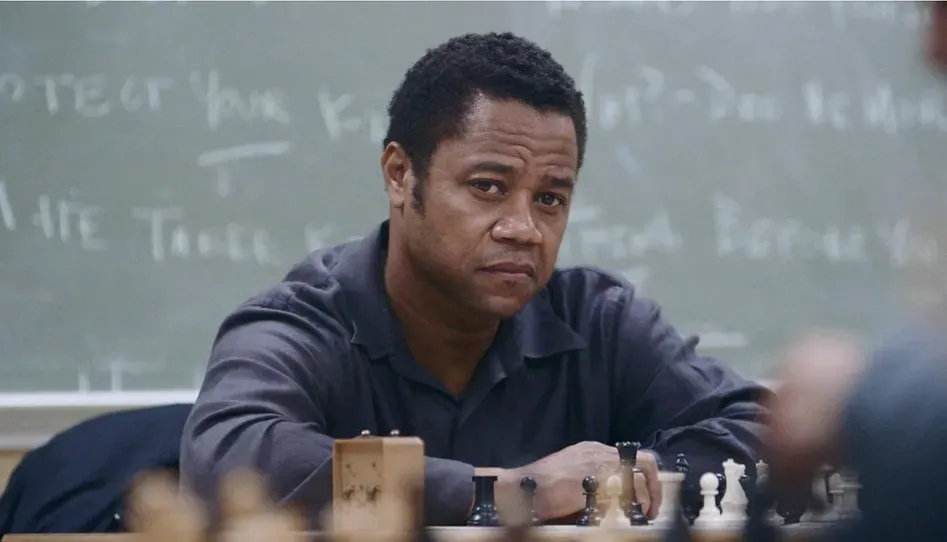
Since earning himself a well-deserved Best Supporting Actor Oscar for Jerry Maguire, Cuba Gooding Jr.’s career had been a roller coaster. Although he starred in several great films, his filmography also filled up with lower-budget and direct-to-DVD movies. One of the main offenders was undoubtedly Boat Trip, which holds a seven percent rating on Rotten Tomatoes.
The film’s onslaught of homophobic jokes, crass comedy, and obsession with bodily fluids was considered far beneath an Oscar winner. The failure of Boat Trip alongside The Fighting Temptations and Radio, all in the same year, destroyed Gooding Jr.’s goodwill with audiences, and no amount of “show me the money” was going to save him.
9. Hayden Christensen – Star Wars Prequels / Jumper (2008)
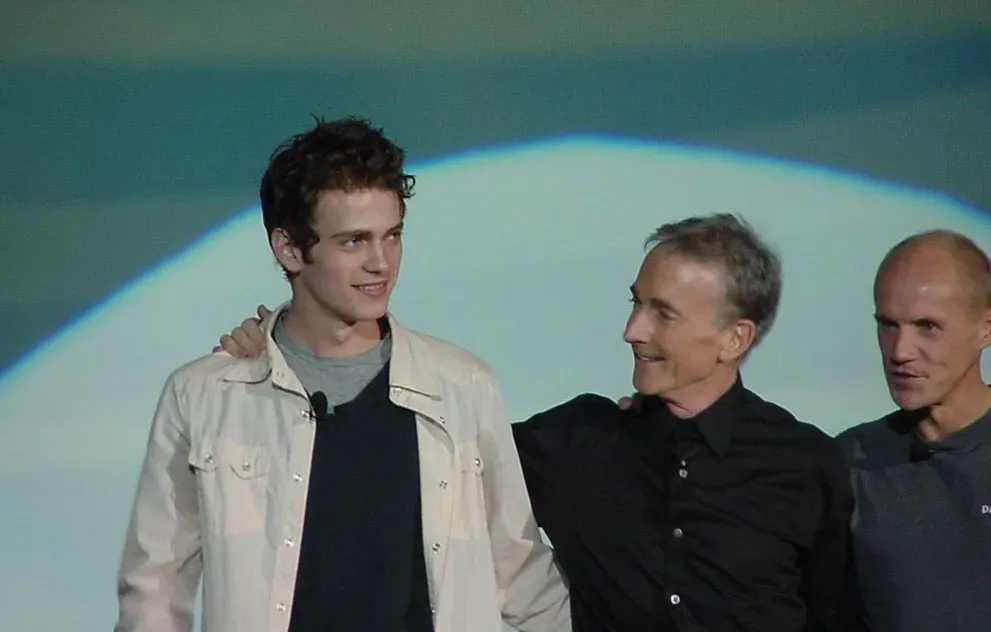
Hayden Christensen’s turn as Anakin Skywalker in Star Wars: Episode II and Revenge of the Sith should have cemented his stardom. Instead, the critical reception to his performance was so severe that it followed him into every subsequent project, making it nearly impossible for audiences to see him as anything other than a disappointment.
Without a lightsaber in his hand, audiences weren’t as keen on checking him out. Jumper’s critical disappointment seemingly proved that Christensen’s value was limited to the galaxy far, far away. In layperson’s terms, his solo career was pretty much dead on arrival. For years Christensen largely retreated from Hollywood, appearing only sporadically. Two decades later, his emotional return in Disney’s Obi-Wan Kenobi series signaled a long-overdue redemption.
10. Freddie Prinze Jr. – Scooby-Doo (2002)

Back when movie studios were tripping over each other to put out teen slasher flicks and rom-coms, Prinze Jr. was a young man in high demand. He starred in I Know What You Did Last Summer and its sequel, then cemented his position as a Hollywood heartthrob with She’s All That. The transition into the new decade looked promising, until it wasn’t.
Despite a good showing at the box office, the 2002 Scooby-Doo adaptation was panned by critics and left Prinze Jr. struggling for credibility, something he more or less gave up on when he returned for the film’s 2004 sequel. The actor later revealed that he “didn’t have fun” making either movie, and he abandoned Hollywood in the aftermath. He picked up work writing for the WWE, though his career as a movie star never recovered.
11. Sean Connery – The League of Extraordinary Gentlemen (2003)
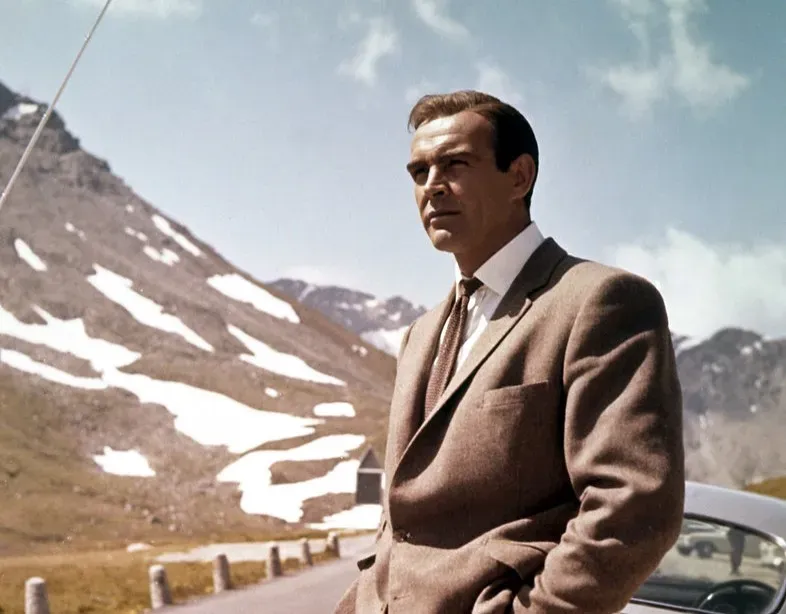
The original James Bond through three decades, Connery repositioned himself in the 1990s as a versatile action hero. Despite earlier flops, he still grabbed the title of People’s Sexiest Man of the Century at age 69. In 2003, he returned as executive producer and star of The League of Extraordinary Gentlemen. Despite the interesting premise, the film failed to connect with audiences. Both shaken and stirred by the film’s box office failure, Connery hasn’t appeared in a movie since, officially announcing his retirement in 2005.
It’s no exaggeration to say that The League of Extraordinary Gentlemen ended Sean Connery’s career for good. While most actors still find some work after their biggest flops, Connery wasn’t even looking for any. Had he wanted to continue making films, there are plenty of people who would have worked with him. Connery was simply so fed up with the industry after the film flopped that he announced his retirement. The film not only encouraged Connery’s retirement, it virtually ended the career of director Stephen Norrington as well.
What these eleven careers have in common isn’t simply bad luck. In most cases, there was a pattern: a moment of overconfidence, a project chosen for the wrong reasons, or a complete mismatch between the role and the audience’s perception of the actor. Hollywood is an industry built on trust, and when a single film shatters the version of a star that audiences believed in, rebuilding that image is far harder than it sounds. Some of these actors found other paths. Others faded quietly. A few never stopped working but never quite got back to where they were.
Partner offer
Planning a trip to Vegas?
Compare hotel rates and show tickets on VEGAS.com.