We all know that person who refuses to wash their lucky socks during a winning streak. Maybe it’s you. In a city like Las Vegas, where fortune can shift with a single card flip, superstition isn’t just quirky behavior – it’s almost a survival mechanism. People cross their fingers, avoid black cats, and carry rabbit’s feet, all in hopes of tilting the odds in their favor.
Scientists have spent years studying why otherwise rational humans cling to rituals that make zero logical sense. Turns out, there’s fascinating psychology behind it. From casino floors to artist studios to the daily grind, superstitions shape our decisions more than we’d like to admit. Ready to see what’s really going on in your brain when you knock on wood?
Why Our Brains Love Patterns That Don’t Exist
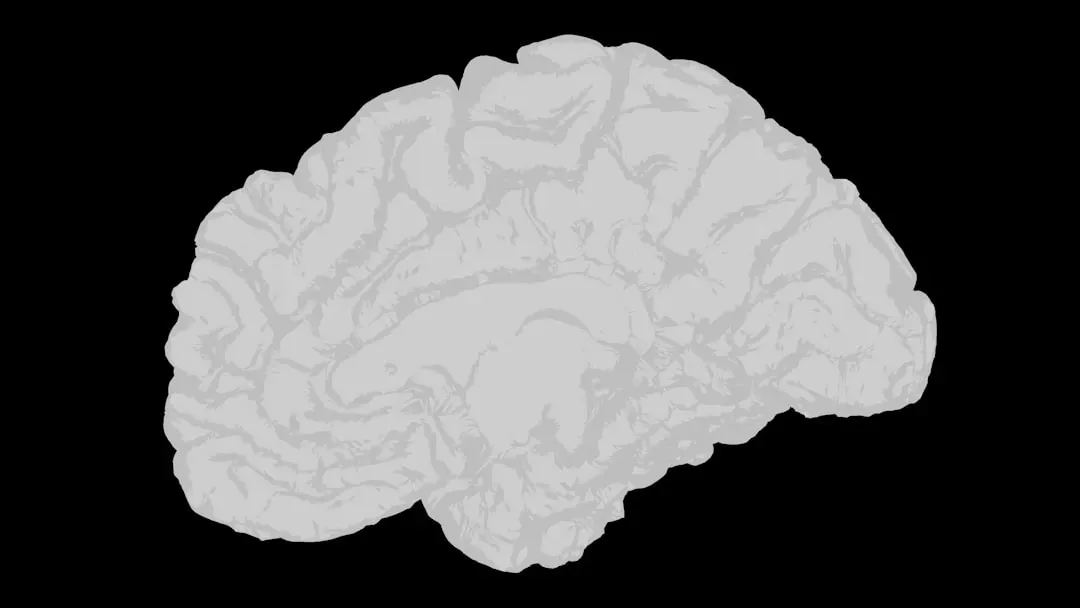
Your brain is basically a pattern-hunting machine. It evolved to spot connections – like noticing that certain berries make you sick – to keep you alive. The problem is, it doesn’t always know when to quit.
Researchers call this “illusory correlation.” You wear your red shirt, your team wins, and boom – your brain creates a link. Even though logically you know your wardrobe has zero impact on professional athletes hundreds of miles away, that emotional connection feels real. Studies show our brains release dopamine when we think we’ve discovered a pattern, even a false one.
In Vegas, this plays out every single night. A gambler hits a jackpot at 11:47 PM and suddenly that becomes their “lucky time.” They’ll return to that same machine at that exact minute, convinced the universe owes them another win. Casinos love this. They don’t even need to encourage it – our brains do the heavy lifting for them.
The Illusion of Control in Uncertain Situations
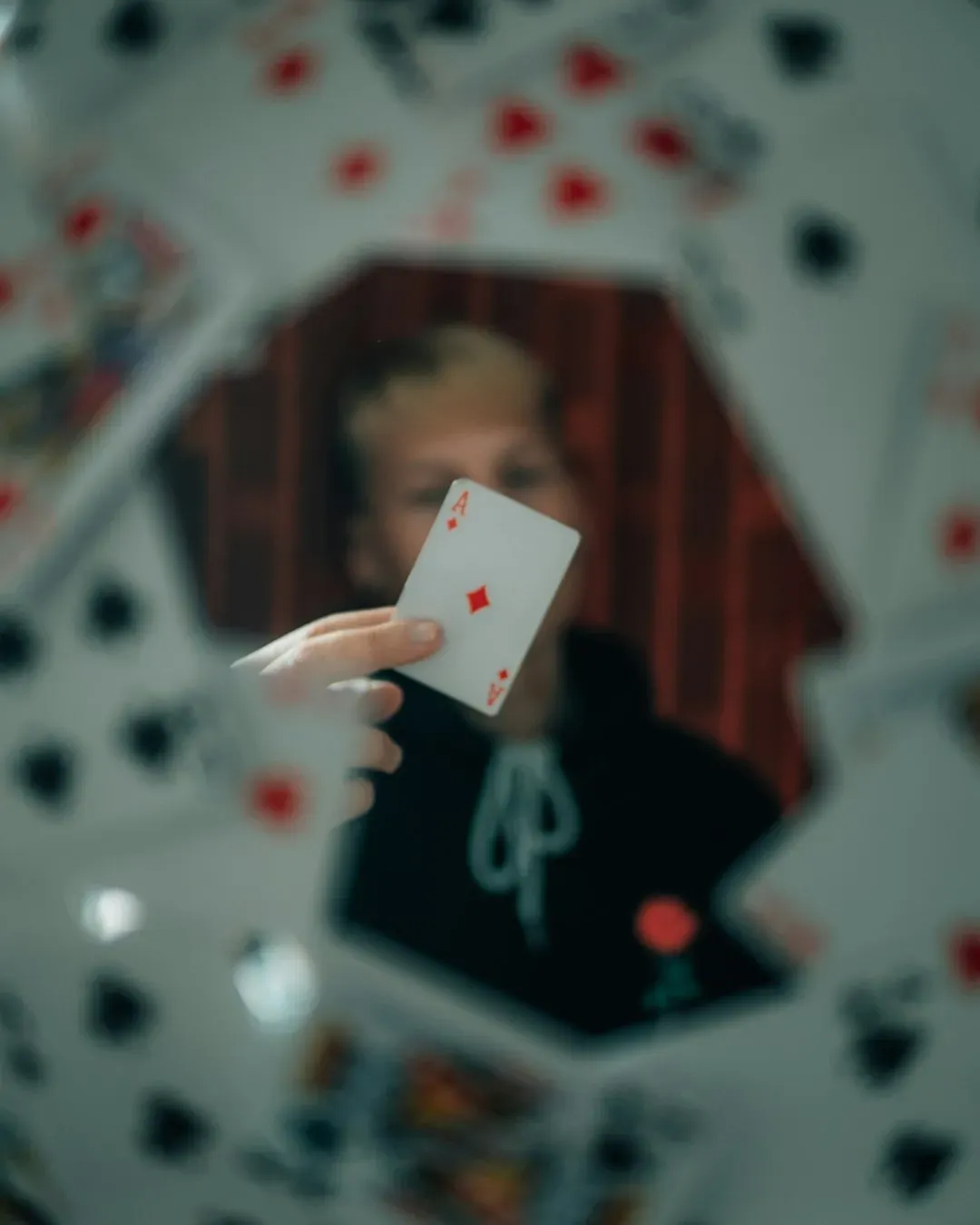
Here’s the thing about superstitions: they flourish where uncertainty lives. When you can’t control the outcome, your brain desperately searches for anything that might help.
Psychologist B.F. Skinner demonstrated this brilliantly with pigeons. He put them in boxes and randomly dropped food pellets. The birds started performing whatever random action they happened to be doing when the food appeared – spinning, head-bobbing, wing-flapping. They genuinely believed their behavior caused the reward.
Humans aren’t much different. Athletes perform elaborate pre-game rituals. Artists refuse to start work without their specific coffee mug. Poker players arrange their chips in precise patterns. None of it actually affects the outcome, but it makes us feel like we’re doing something. That perceived control reduces anxiety, even if it’s completely imaginary.
Sports Superstitions and Performance Psychology
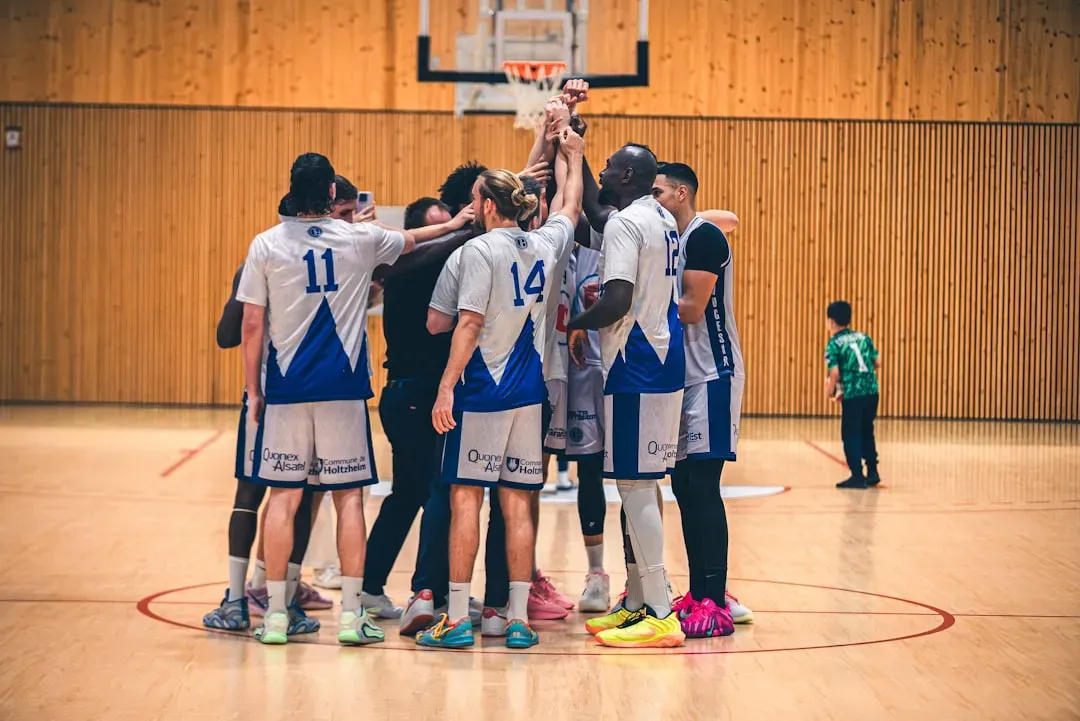
Professional athletes are some of the most superstitious people on Earth. Michael Jordan wore his college shorts under his NBA uniform every single game. Serena Williams bounces the ball exactly five times before her first serve. Wayne Gretzky always tucked the right side of his jersey behind his hip pads.
You might assume coaches and sports psychologists would discourage this nonsense. Actually, many support it. Research from the University of Cologne found that people who believed in their lucky charms performed better on memory and motor tasks. The superstition itself boosted confidence, which improved performance.
It’s a self-fulfilling prophecy. The ritual doesn’t make you throw better or run faster, but believing it does makes you more confident. That confidence translates into better focus and execution. In high-pressure situations – like a championship game or a crucial at-bat – that mental edge matters more than we realize.
Why Creative People Embrace Bizarre Rituals
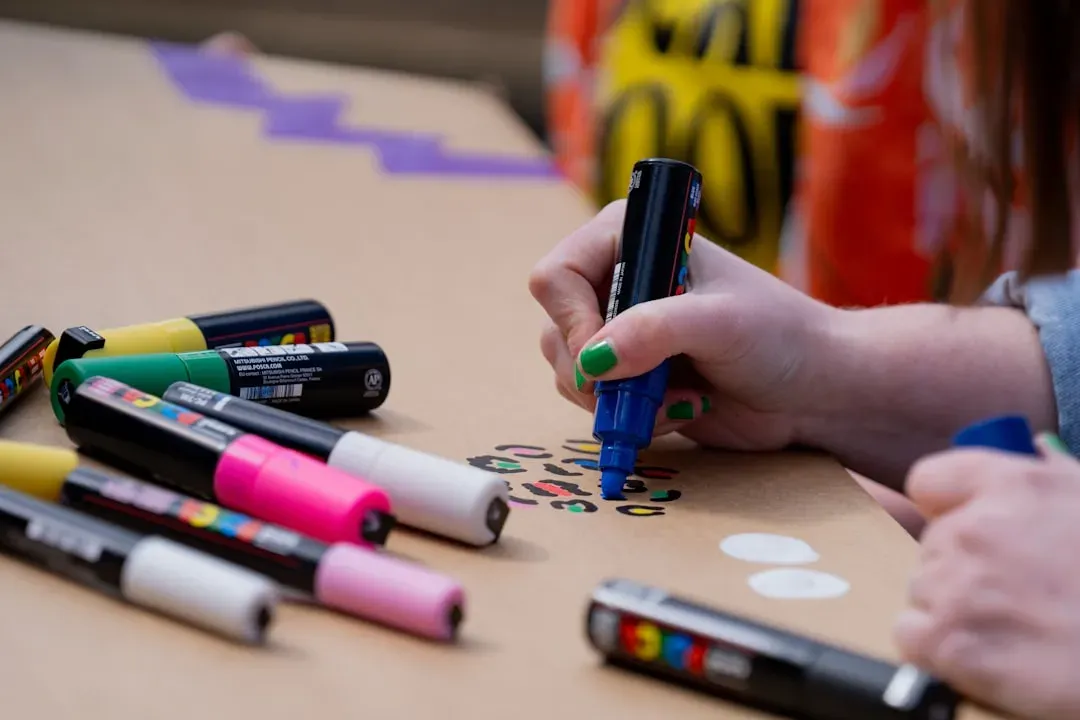
Artists might be even more superstitious than athletes. Stephen King won’t use any desk lamp that’s not from the same lamp family. Composer Igor Stravinsky stood on his head for 15 minutes before composing. Author Truman Capote refused to start or finish anything on a Friday.
Creative work involves massive uncertainty. There’s no guaranteed formula for a hit song, bestselling novel, or gallery-worthy painting. That unpredictability makes artists especially vulnerable to superstitious thinking.
Many creators use rituals as a mental trigger. The routine signals to your brain that it’s time to work. It’s like a light switch for creativity. Over time, your brain associates the ritual with the creative state, making it easier to access that mindset. The superstition becomes a practical tool disguised as magical thinking.
Gambling Culture and the Gambler’s Fallacy

Vegas practically runs on superstition. Walk through any casino and you’ll see people blowing on dice, rubbing slot machines, wearing specific colors, or refusing to count their chips at the table. Dealers have seen it all.
The gambler’s fallacy is particularly powerful here. People believe that past random events influence future random events. If red has hit five times in roulette, surely black is “due” to come up. Mathematically, that’s complete nonsense – each spin is independent – but tell that to someone who just lost three hands in a row.
Casinos don’t just tolerate superstitions; they encourage them. They know that when gamblers feel lucky or believe they’ve cracked some code, they keep playing longer. The architecture, the lack of clocks, the carpet patterns – everything’s designed to feed into that magical thinking that keeps chips moving.
Everyday Superstitions and Stress Management
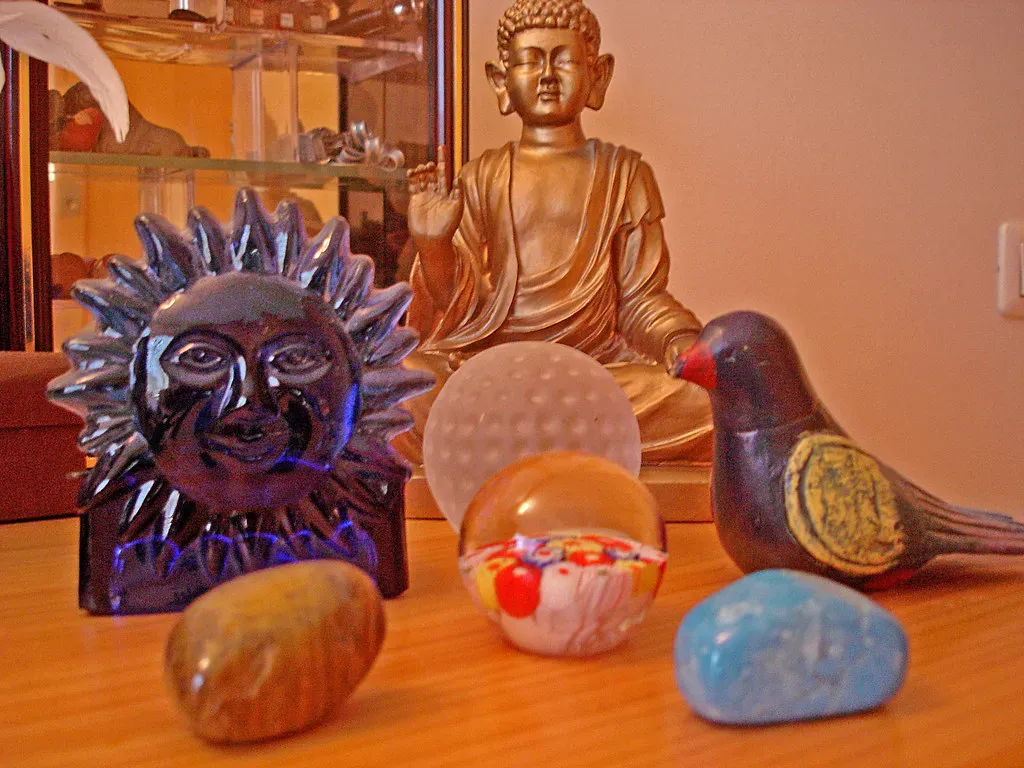
You don’t need to be an athlete or gambler to fall for superstitious thinking. Most of us have little rituals we barely notice. Knocking on wood after saying something good. Avoiding walking under ladders. Throwing salt over our shoulder.
Anthropologists have found that superstitious behavior increases during times of stress or danger. During World War I, soldiers carried all sorts of lucky charms and performed elaborate rituals before battle. During economic recessions, sales of good luck items spike.
There’s a reason for this. Superstitions provide comfort when life feels chaotic. They’re a coping mechanism. Even if logically you know your lucky pen doesn’t actually help you ace exams, the ritual calms your nerves. That calm helps you perform better, which reinforces the superstition. The cycle continues.
The Neuroscience Behind Lucky Charms
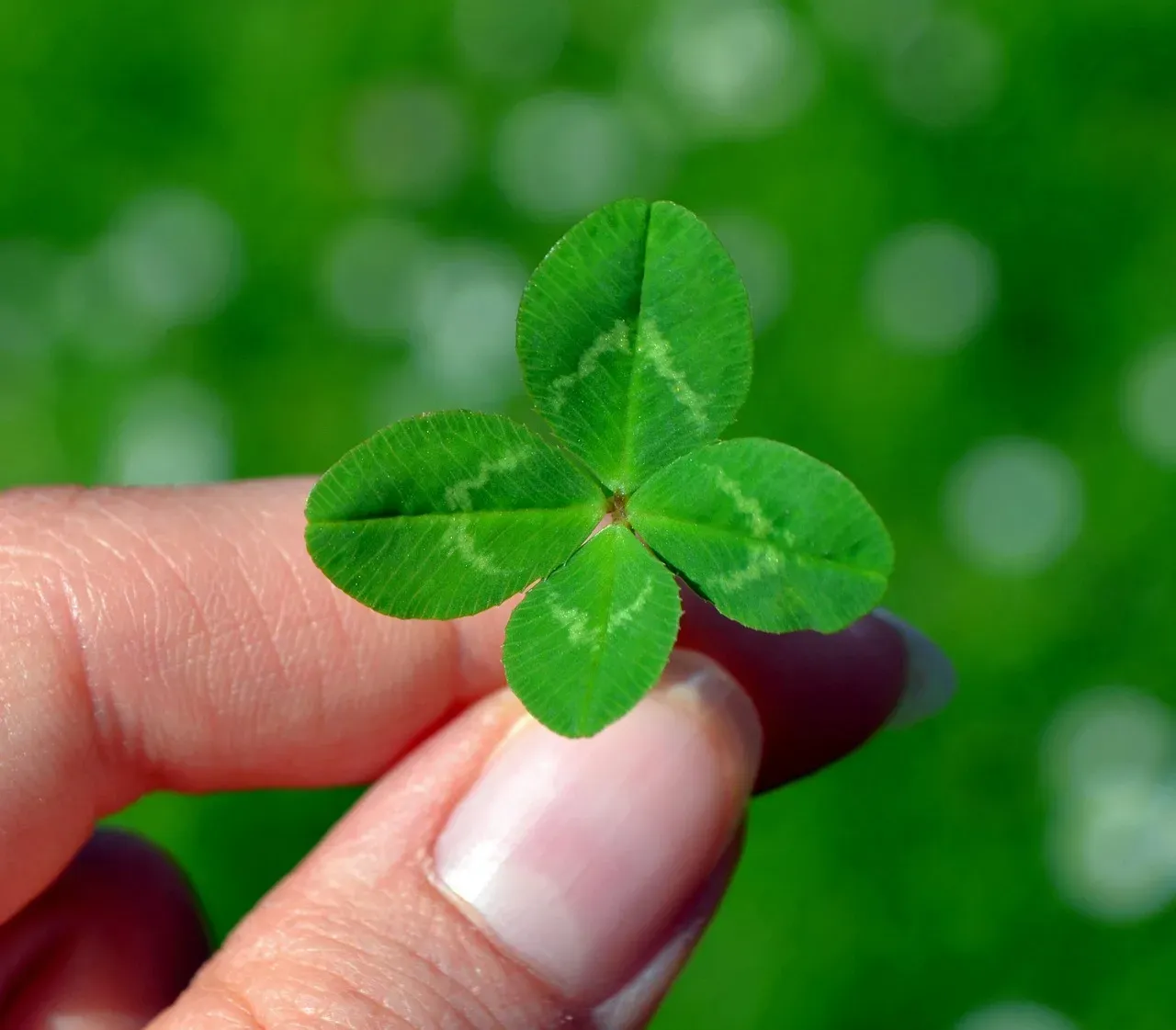
Brain imaging studies reveal what happens when people interact with their lucky objects. When subjects held items they considered lucky, their brains showed increased activity in areas associated with confidence and goal-setting.
Essentially, the charm activates a placebo effect. Your brain releases neurochemicals that boost mood and focus. It’s similar to how fake pills can relieve pain if you believe they’re real medication. The object itself has no power, but your belief in it triggers genuine physiological changes.
Researchers at the University of Chicago found that superstitious rituals also reduce cortisol levels – the stress hormone. Performing a familiar ritual before a high-pressure situation literally calms your nervous system. The science validates the behavior, even if the underlying logic is flawed.
Cultural Differences in Superstitious Beliefs
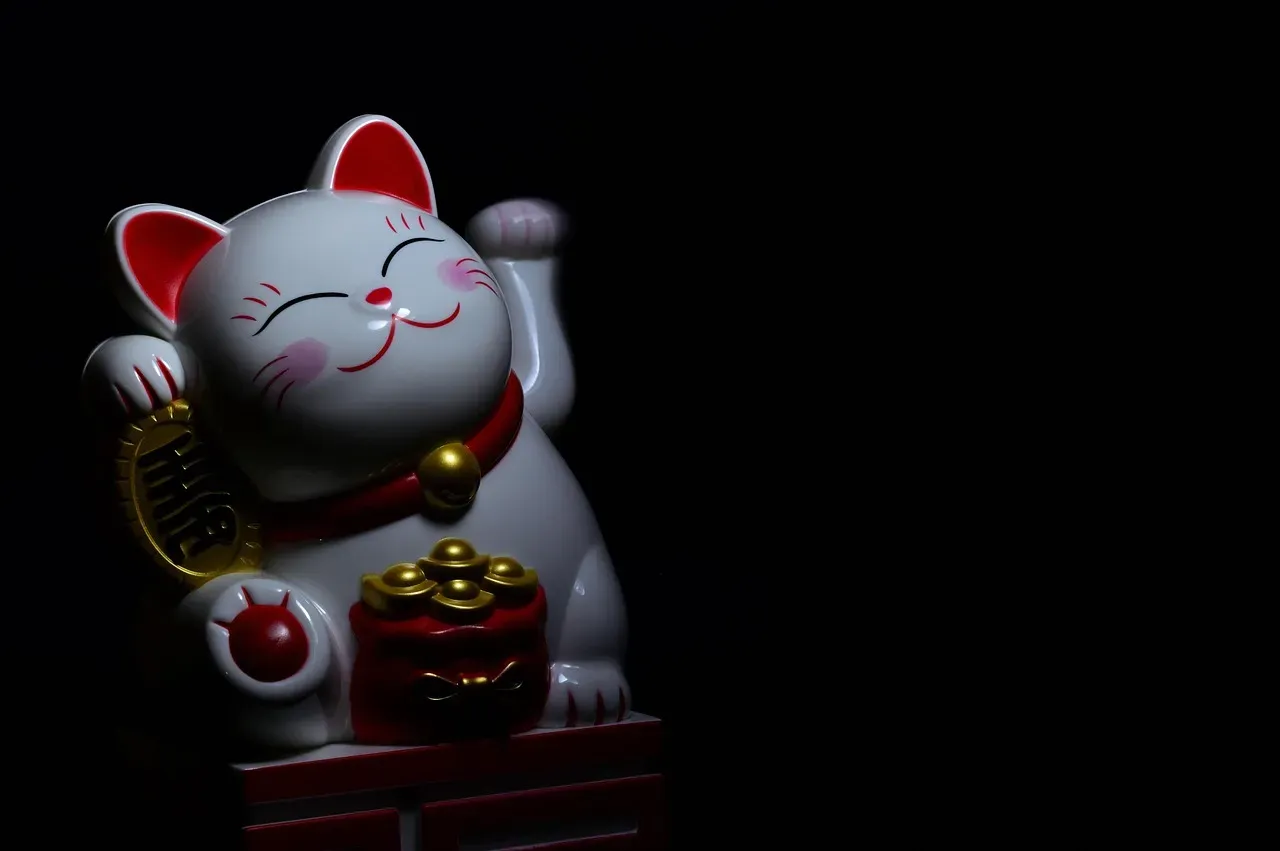
Superstitions vary wildly across cultures. In Western countries, the number 13 is considered unlucky. Many buildings skip the 13th floor entirely. In Chinese culture, the number four is avoided because it sounds like the word for death. Meanwhile, the number eight is considered extremely fortunate.
These cultural superstitions can have real economic impacts. In Vegas, casinos cater to international guests by omitting fourth floors in some properties and incorporating feng shui principles in layout designs. Real estate prices for addresses with eights in Asian communities genuinely sell for higher prices.
What’s fascinating is that superstitions persist even in highly educated populations. Surveys show that roughly half of Americans admit to being at least somewhat superstitious, regardless of education level. Intelligence doesn’t make you immune to pattern-seeking brain wiring.