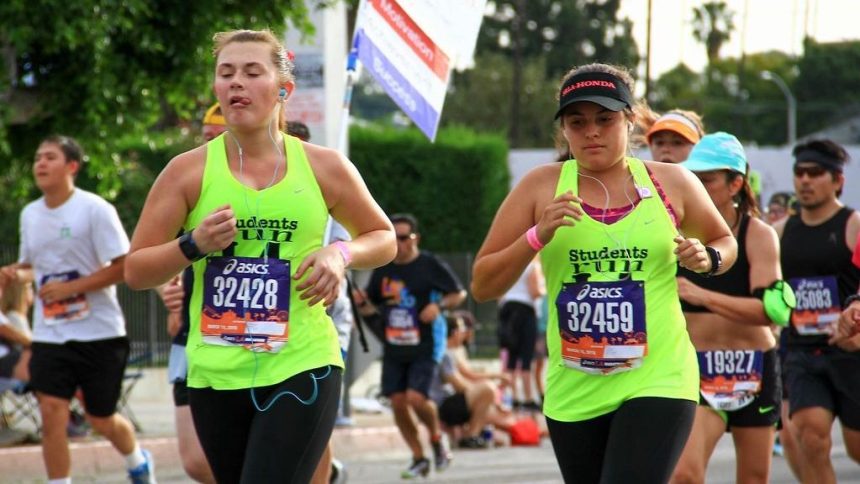
You know that feeling when everything just clicks? When time seems to slow down, every movement flows effortlessly, and you’re operating at a level you didn’t think possible? Athletes call it “the zone,” and it’s not just some mystical state reserved for Olympic champions. It’s a very real psychological phenomenon that researchers have been studying for decades, and what they’ve discovered is fascinating.
From the bright lights of Las Vegas sports arenas to elite training facilities around the world, athletes are constantly chasing this elusive state of peak performance. The thing is, getting there isn’t about luck or divine intervention. There’s actual science behind it, and understanding how it works might just change how you think about human potential. Let’s dive into what really happens when athletes enter the zone and how they manage to get there.
The Neuroscience Behind Flow States

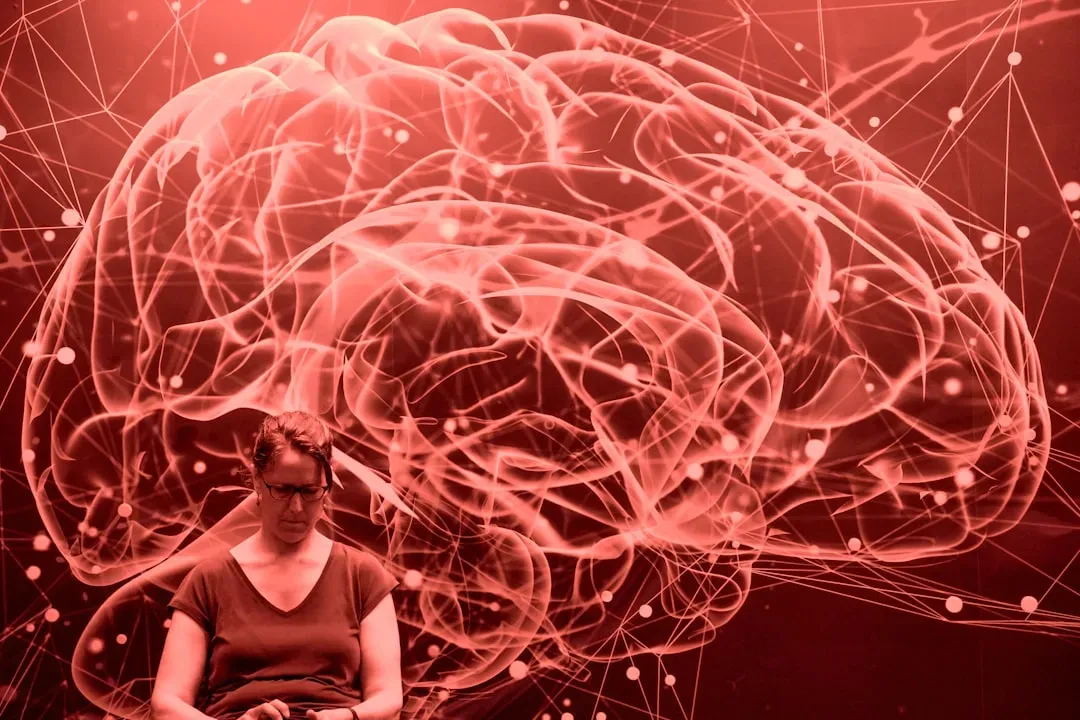
When athletes enter the zone, their brains undergo remarkable changes that scientists can now observe and measure. The prefrontal cortex, the part of your brain responsible for self-criticism and overthinking, actually becomes less active. This phenomenon, called transient hypofrontality, essentially shuts down your inner critic.
At the same time, the brain releases a powerful cocktail of neurochemicals including dopamine, norepinephrine, endorphins, and serotonin. These chemicals enhance focus, pattern recognition, and pain tolerance all at once. Your brain waves shift toward alpha and theta states, which are associated with relaxed alertness and creativity.
What’s really interesting is that brain imaging studies show increased connectivity between different brain regions during flow states. The brain becomes more integrated, allowing for faster information processing and more intuitive decision-making. This explains why athletes often describe their actions as automatic or effortless when they’re in the zone.
The Role of Challenge-Skill Balance

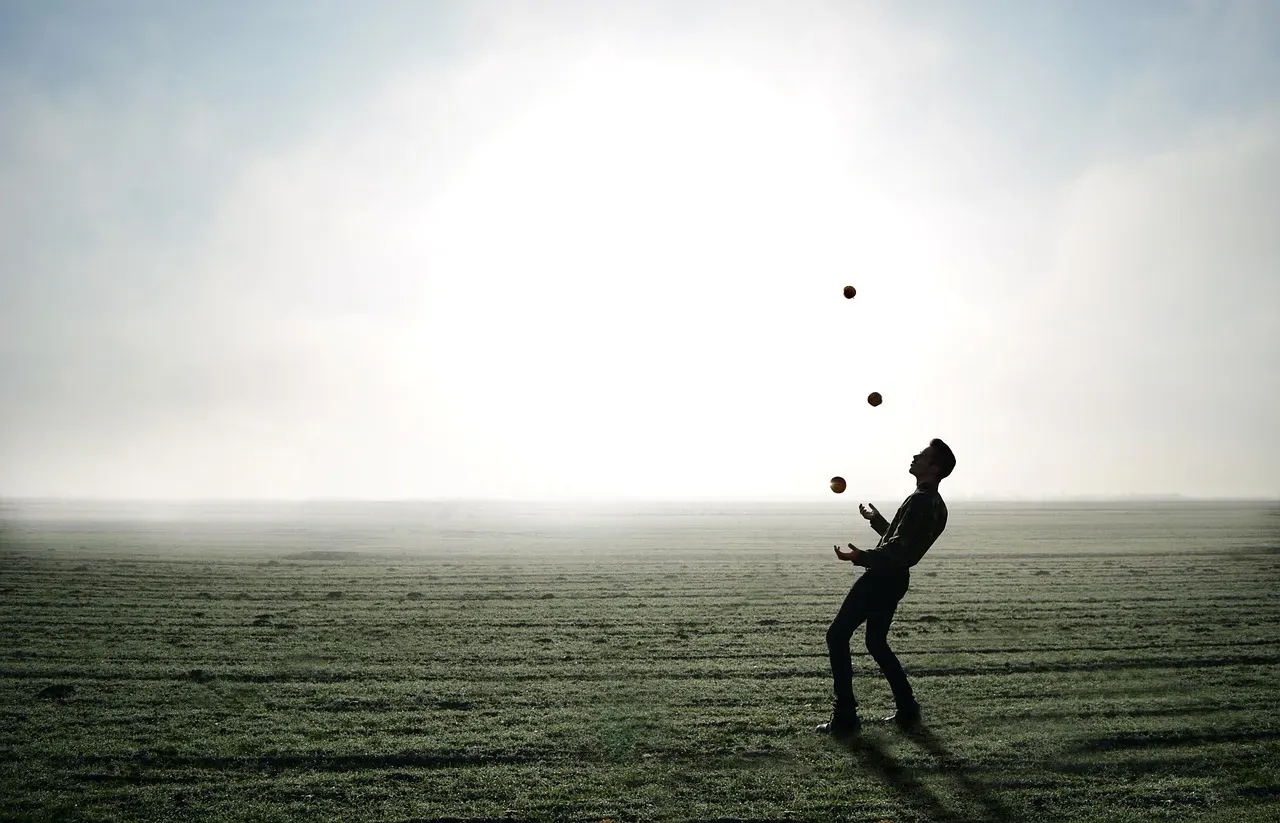
One of the most critical factors for entering the zone is finding that sweet spot between challenge and skill level. If a task is too easy, athletes get bored and their performance suffers. Too difficult, and anxiety takes over, shutting down the flow state completely.
Psychologist Mihaly Csikszentmihalyi, who pioneered flow research, found that the zone occurs when the challenge level is roughly about four percent higher than current skill level. It’s that perfect balance where you’re stretched but not overwhelmed. Athletes in Las Vegas training facilities often work with coaches to carefully calibrate their practice intensity to hit this target.
This is why elite athletes constantly seek out increasingly difficult challenges as their skills improve. They’re not just being competitive. They’re instinctively trying to maintain that optimal balance that allows flow states to emerge naturally during performance.
Time Distortion and Perceptual Changes


Ask any athlete about their experience in the zone, and they’ll likely mention how time seemed to change. Some describe everything moving in slow motion, while others feel like hours passed in minutes. This isn’t imagination, it’s a genuine perceptual shift that happens during peak performance.
The temporal parietal junction, the brain region responsible for time perception, functions differently during flow states. Some researchers believe this happens because the brain processes more information per second, creating the sensation that external events are unfolding more slowly.
Basketball players often talk about seeing plays develop before they happen. Baseball hitters claim the ball looks bigger and slower. These aren’t exaggerations. The enhanced information processing and predictive capabilities of the brain in flow states genuinely alter sensory perception, giving athletes what feels like extra time to react.
The Importance of Clear Goals and Immediate Feedback


Flow states require crystal-clear objectives and instant feedback about progress toward those goals. In sports, this happens naturally. A basketball player knows immediately if the shot went in. A runner knows their split times. A boxer feels every punch that lands or misses.
This immediacy creates a tight feedback loop that keeps the athlete fully present. There’s no room for wandering thoughts about yesterday or tomorrow. The mind locks onto the now because that’s where all the relevant information exists.
Partner offer

Interestingly, this is one reason why training can sometimes feel more conducive to flow than actual competition. In practice, athletes can often structure their environment to provide even clearer goals and more consistent feedback. The pressure of competition can sometimes interfere with this clarity.
Preparation and Ritual as Zone Triggers

Elite athletes don’t just stumble into the zone by accident. They develop specific pre-performance routines that help trigger the psychological and physiological changes associated with peak performance states. These rituals serve as neural shortcuts that tell the brain and body it’s time to perform.
Some athletes use breathing techniques borrowed from meditation practices. Others rely on visualization exercises where they mentally rehearse their performance in vivid detail. Many professional athletes in Las Vegas and elsewhere work with sports psychologists to develop personalized trigger sequences.
The key is consistency. By repeating the same ritual before every performance, athletes create a Pavlovian response. The routine itself becomes a powerful cue that initiates the neurochemical cascade associated with flow states. It’s like programming a shortcut into your nervous system.
The Paradox of Trying Too Hard


Here’s the thing that trips up so many athletes. You can’t force your way into the zone. The harder you try to enter a flow state, the more elusive it becomes. It’s one of those frustrating paradoxes that makes peak performance so mysterious.
When you consciously try to perform at your best, you activate that prefrontal cortex we mentioned earlier. The very act of trying engages self-monitoring and judgment, which are antithetical to flow. Athletes describe the zone as a state of “effortless effort” where action happens almost by itself.
The solution? Focus on the process rather than the outcome. Concentrate on executing each movement with precision rather than worrying about winning or losing. Let go of ego and judgment. This is easier said than done, which is why mental training is just as important as physical preparation for elite athletes.
Environmental Factors That Facilitate Flow


The external environment plays a bigger role in achieving peak performance than many people realize. Certain conditions make flow states more likely, while others virtually guarantee they won’t happen. Temperature, noise levels, and even crowd energy can impact an athlete’s ability to enter the zone.
Many athletes perform better in familiar environments where they feel safe and comfortable. This home-field advantage isn’t just about crowd support. The brain can relax more when surroundings are predictable, freeing up mental resources for performance. That said, some athletes thrive on the energy of hostile crowds, using it as fuel.
Lighting conditions matter more than you’d think. Studies show that certain wavelengths and intensities of light affect alertness and focus. This is why sports venues, including those in Las Vegas, invest heavily in optimal lighting systems for both players and spectators.
Conclusion: The Zone as Human Potential

The science of the zone reveals something profound about human capability. We’re capable of operating at levels that seem almost superhuman, and these states aren’t random gifts bestowed on the lucky few. They emerge from specific neurological and psychological conditions that can be understood, cultivated, and replicated.
For athletes in Las Vegas and around the world, understanding the mechanics of peak performance provides a roadmap to excellence. But really, the lessons apply to anyone seeking to perform at their best in any domain. The zone reminds us that our normal level of functioning might be just the baseline, and that we all have the capacity to reach higher.
What’s your experience with flow states? Have you ever felt completely absorbed in an activity where everything just clicked? Understanding the science behind these moments might help you find your way back there more often.
Partner offer
Planning a trip to Vegas?
Compare hotel rates and show tickets on VEGAS.com.