Few places on earth are as good at hiding their real story as Las Vegas. The glittering Strip above ground is all spectacle, all distraction. Yet beneath it, running silently under the casinos, the boulevards, and the blinking neon, there is a world that very few tourists ever think about. It is not glamorous. It is not the stuff of thriller movies. It is something altogether more surprising, more engineered, and far more human than the legends suggest.
The truth is stranger than almost any fiction you could write about it. So let’s dive in.
1. The Tunnels Are Real – Just Not What You Think

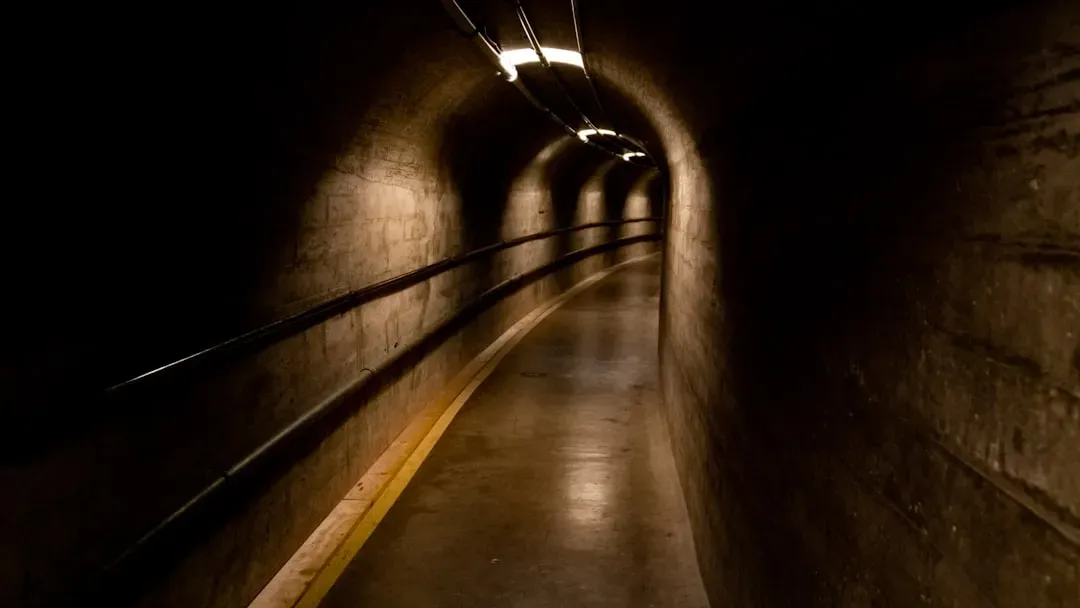
Here is the thing about Las Vegas tunnel myths: the underground world people imagine and the one that actually exists are two very different places. There are no private casino corridors ferrying celebrities to secret gaming rooms or underground highways connecting hotel empires in luxury. What is down there is far more utilitarian and, honestly, far more important.
The tunnels are part of a 600-mile system of flood channels begun in the late 1970s to redirect stormwater underneath the Strip and its surrounding communities. That is the real infrastructure story. A massive, largely invisible engineering project sitting right beneath one of the most visited entertainment districts on the planet.
2. The 1975 Flood That Changed Everything

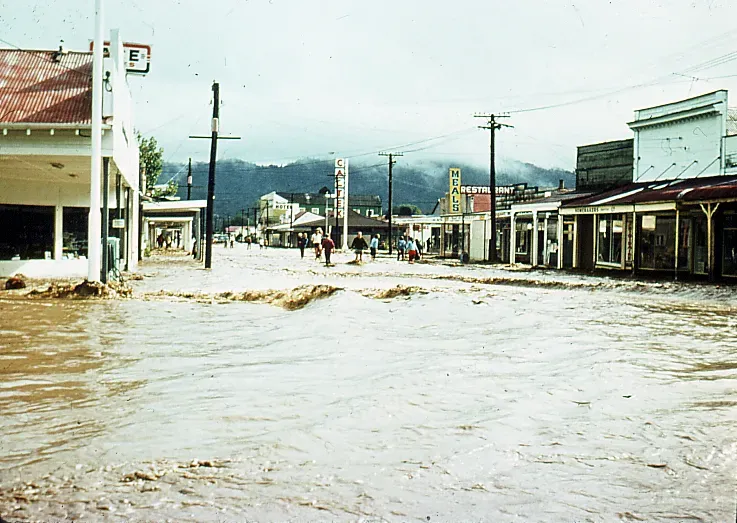
Heavy thunderstorm precipitation on the afternoon of July 3, 1975, between metropolitan Las Vegas and the mountains to the south, west, and north, caused flash flooding in the city area. It was the kind of storm that a desert city is never fully prepared for. Deceptively fast. Devastatingly powerful.
Upwards of 700 automobiles parked near Caesars Palace were damaged or destroyed by the heavy floods. Two City of North Las Vegas employees, Mike Williams, age 30, and Richard Hunkins, age 24, were swept away while directing traffic at I-15 and Craig Road. According to the U.S. Geological Survey, flooding caused the loss of two lives and inflicted extensive property damage, with total damage estimated by the Clark County Flood Control District at four to five million dollars.
In 1975, a major life-threatening flood happened. Water overflowed the Las Vegas Wash and caused major damage around Caesars Palace. City officials knew something had to be done to prevent a similar situation in the future, so they began planning the storm tunnels. Construction crews broke ground on the massive project to save the city in the late 1980s after years of planning and consulting with experts and city engineers.
3. The Enormous Scale of the Infrastructure

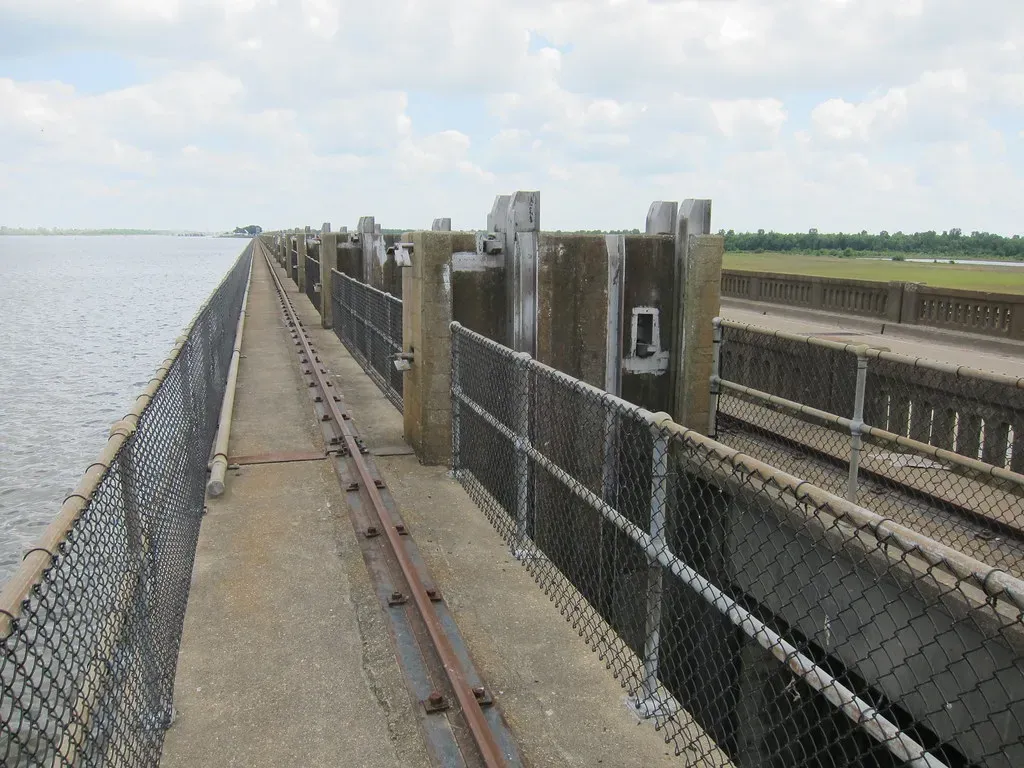
You have to understand the sheer size of this thing to appreciate what is actually underground. This is not a few drainage pipes. It is an engineered network on a scale that most cities do not come close to matching.
Since 1991, the Clark County Flood Control District has spent 1.9 billion dollars to construct flood control infrastructure to intercept, slow, and move flood water efficiently out of the urban areas. Currently there are 650 miles of flood channels and 100 flood control basins built, with another 25 years of projects anticipated as the urban area continues to grow. That investment reflects just how serious the desert flooding threat remains, even today.
4. Why Desert Cities Flood So Violently

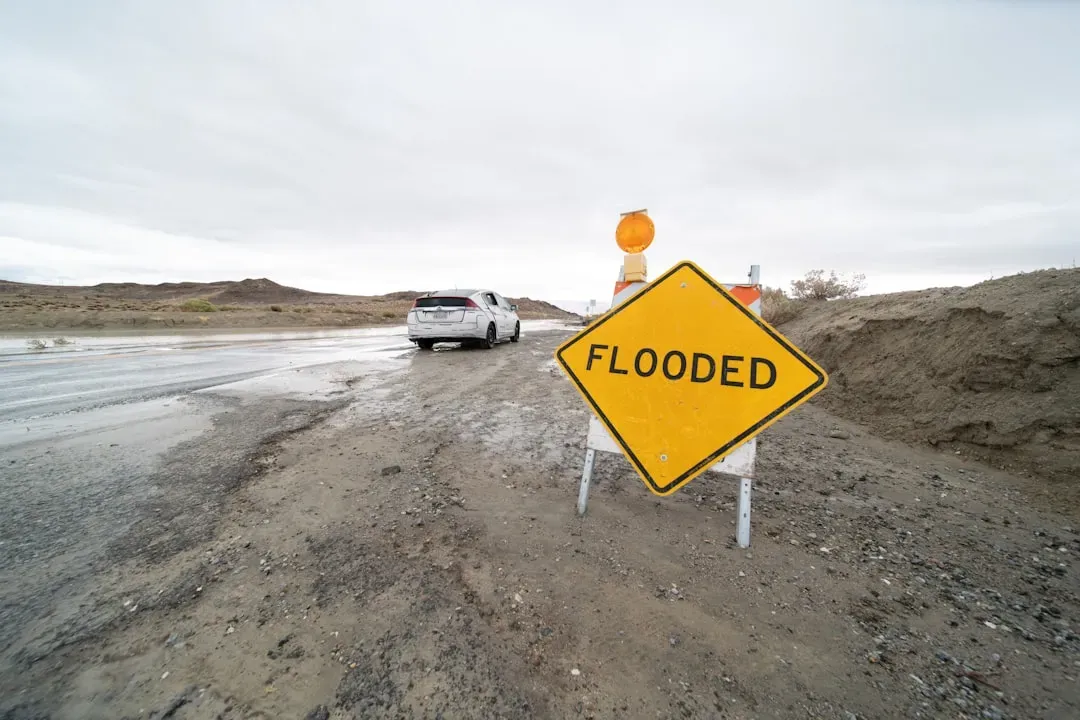
I know it sounds crazy, but the desert is actually one of the most flood-dangerous environments on earth. The ground is hard and compact, absorbing almost nothing. When rain does fall, it has nowhere to go.
Since Las Vegas is located in a basin with a single outlet, the Las Vegas Wash, all rain runoff drains to the east side of the basin where it will eventually be deposited into Lake Mead. Rainfall in the surrounding mountain ranges can cause flooding in the area as water flows off the mountains onto the valley floor. This geography makes Las Vegas uniquely vulnerable. It is possible for an area to receive heavy rainfall in a short time, while nearby areas as close as one or two miles away receive little or no rain. A storm can be invisible from the Strip and still send a wall of water roaring through the tunnels beneath it.
5. The Hidden Community Living Below

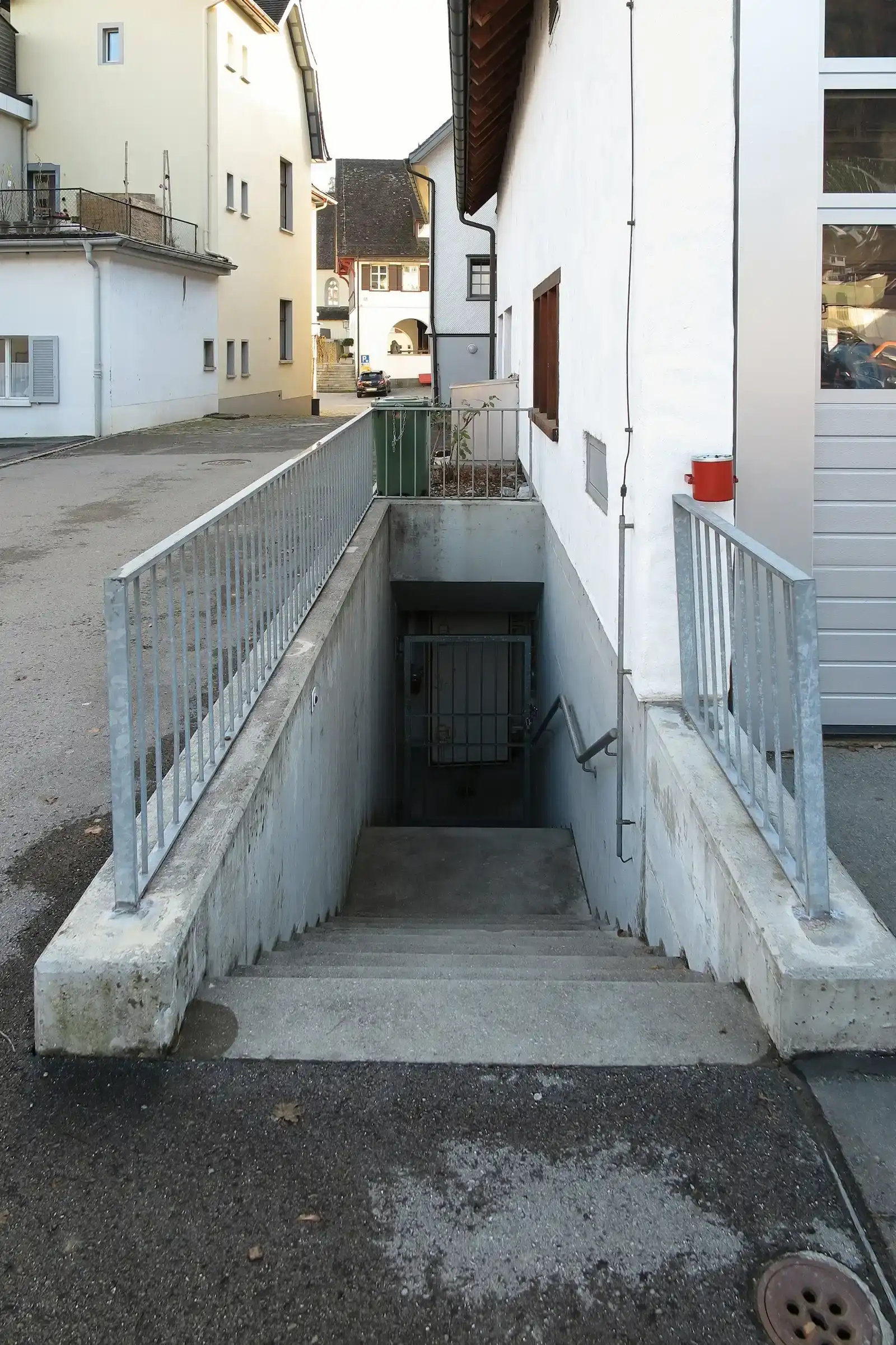
This is where the story takes a deeply human turn. Over time, the flood tunnels became something the engineers never planned for. A shelter. A hiding place. A home for people with nowhere else to go.
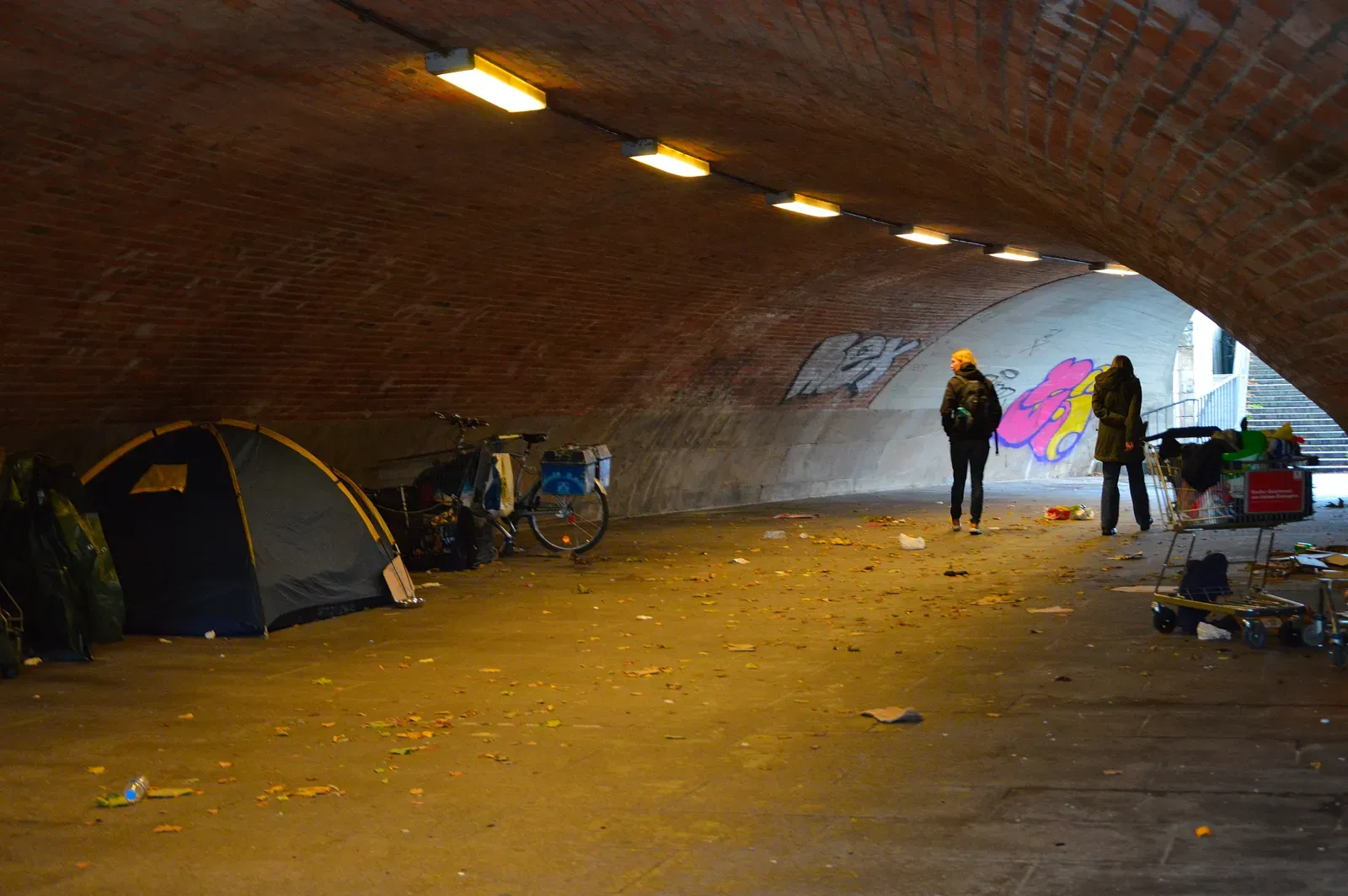
Frontline providers say 1,200 to 1,500 homeless people live in flood control tunnels under the Las Vegas Strip. Outreach workers confirm the numbers are not a rumor. Many have constructed elaborate shelters, often out of plywood and scraps of metal or brick below the casinos that define the Strip. Think about that for a moment. Inches of concrete separate billion-dollar casinos from people sleeping on plywood beds.
Though dark and damp, the tunnels provide cover from the harsh desert sun, warmth when temperatures drop, and privacy from society’s judgment above ground. In a city of extremes, the tunnels offer a brutal but consistent middle ground.
6. The Organizations Working Underground


Uploaded by Gary Dee, CC BY-SA 2.0)
Shine A Light is a 501(c)3 non-profit that helps hundreds of people living in the underground flood channels of Las Vegas, venturing into the depths and engaging this underserved, hidden population on a dignified personal level. It is quiet, unglamorous work that rarely makes headlines, but it matters enormously.
During visits, Shine a Light offers hygiene kits and meals, but never anything that would make it easier for someone to stay homeless. They want to build trust with those living in the tunnels to eventually convince them to come out, then move on to temporary housing and detox treatment. That trust can only be built with each visit. This year, Shine a Light Foundation has 352 active clients. All were homeless a year ago.
7. How Dangerous Life Underground Really Is
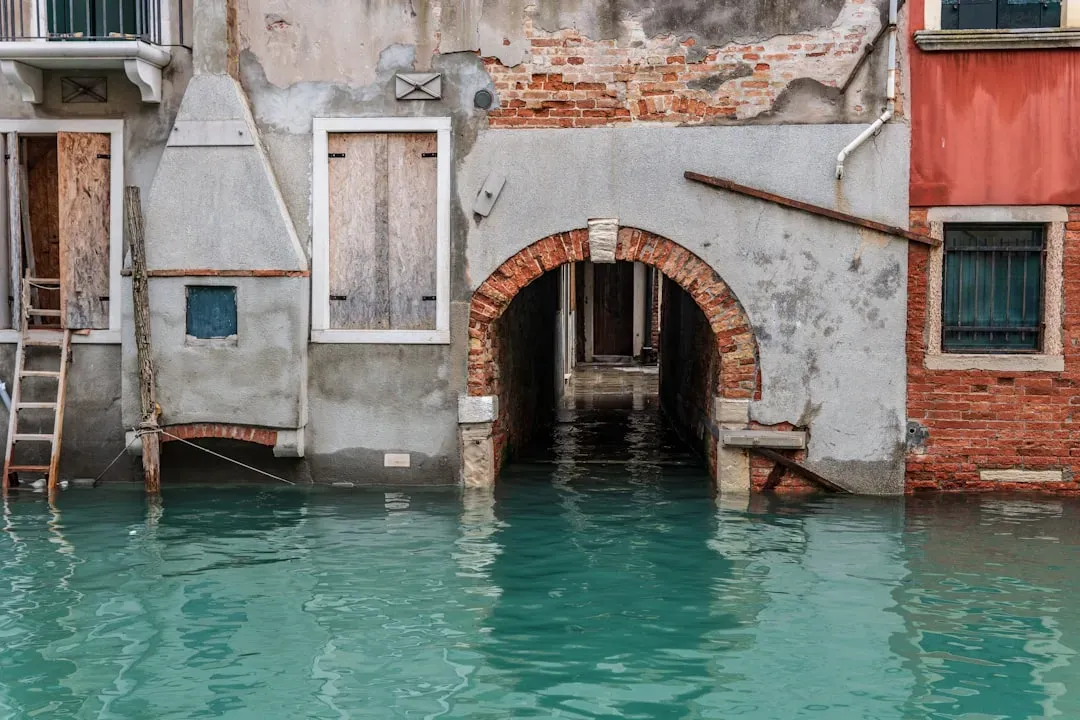
Let’s be real about the risk. These tunnels were built to carry enormous volumes of fast-moving water in emergencies. They were absolutely not designed for human habitation. The danger is not theoretical.
During dry weather the tunnels seem calm, almost deceptively safe. When storms hit, they become lethal. Floodwater can roar in from miles away, racing through the system faster than people can react. Louis Lacey, homeless response director for the nonprofit Help of Southern Nevada, said homeless people living belowground put their lives at risk, often in the monsoon season when the tunnels flood. Outreach workers regularly ask tunnel residents to evacuate before storm season. Many refuse.
8. What Is Driving People Underground

The tunnel population is not there by accident. It reflects something broken in the broader housing landscape of the region. The numbers tell a sobering story.
Las Vegas’ population boom has contributed to rising housing costs. The market rent for southern Nevada rose 20% from 2022 to 2023, according to a Clark County homelessness report, higher than the national average. As more people get displaced, more retreat underground. Often, outreach workers say, it is not just locals who can’t afford the rising cost of living who wind up homeless, but also out-of-towners. Some come to make it in the city’s booming entertainment industry, while others become homeless after losing it all at the casinos.
9. The “Secret Casino Tunnel” Legend: Separating Fact from Fiction
Honestly, the myth of secret casino tunnels is one of the most persistent pieces of Las Vegas folklore out there. Ask almost anyone who has visited the city and they have heard some version of it. The story is compelling precisely because Las Vegas does have a history of secrecy, mob influence, and hidden operations. It is not completely invented out of thin air.
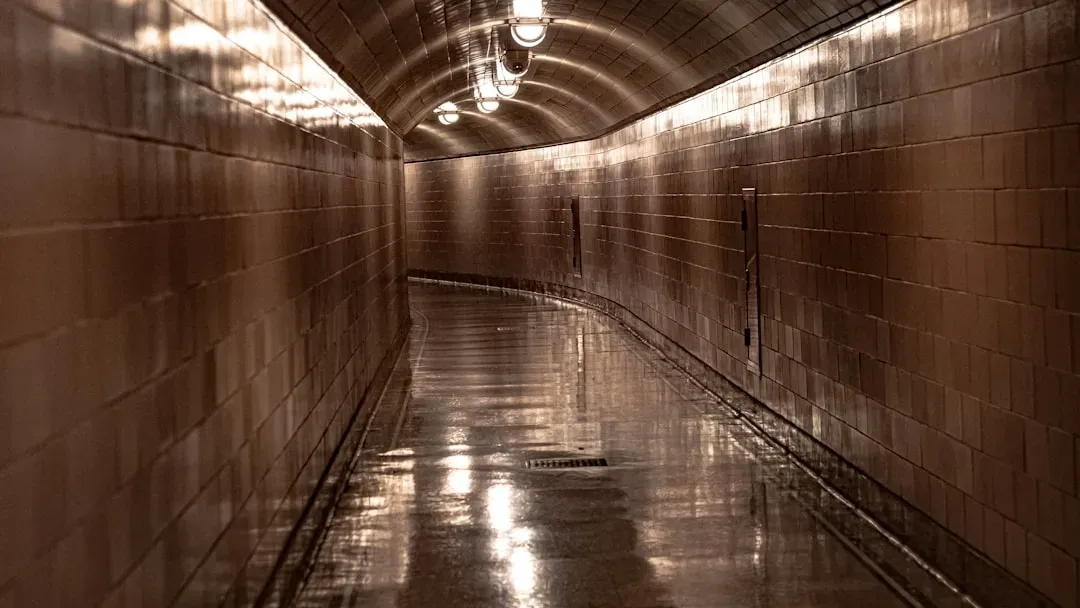
The intricate network of tunnels that connect various hotels and casinos on the Las Vegas Strip is primarily a service area, not meant for public access. These tunnels are designed to facilitate the smooth movement of goods, employees, and essential services between properties, ensuring that the glitz and glamour of the Strip remains uninterrupted. So yes, restricted underground service corridors exist. Concrete evidence of secret establishments such as underground casinos or covert guest corridors, however, remains elusive, fueling the speculation and mystique surrounding these tales. The reality is far more mundane: loading docks, utility lines, employee walkways.
10. The $15 Million Cleanup and What Comes Next

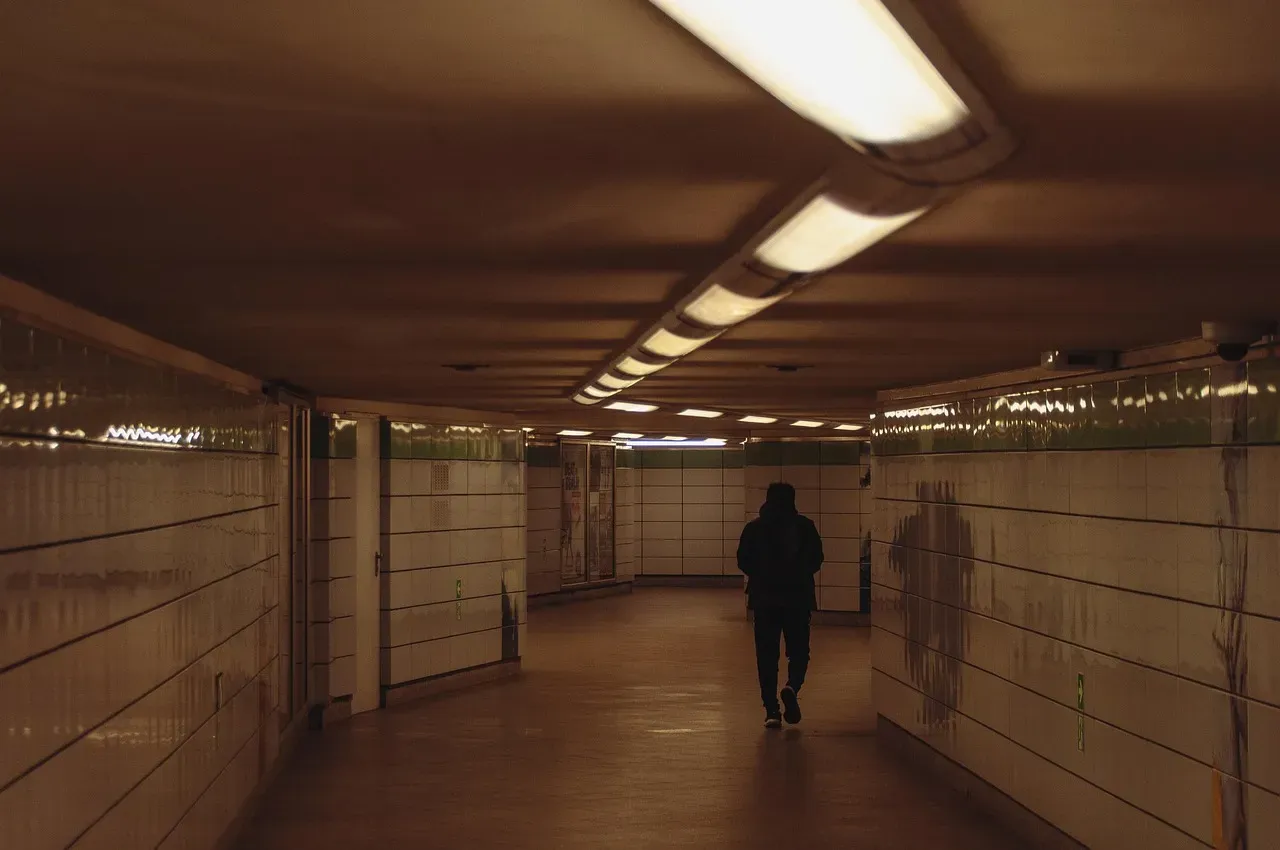
Clark County is not simply letting the situation continue unchanged. In 2025, a major infrastructure overhaul began that directly affected thousands of tunnel residents, whether they were ready for it or not.
An unhoused population believed to number up to 1,500 was ejected from the tunnels beneath Las Vegas as Clark County began a yearlong, $15 million regional flood control project to overhaul the flood channels. The project raises difficult questions that go far beyond engineering. Where do those people go? Meanwhile, construction of a $21.3 million detention basin near Owens and Los Feliz began in August 2024, capable of holding 80 acres of water, with flow directed into Lake Mead. The infrastructure keeps growing. The human question remains harder to solve.
Conclusion
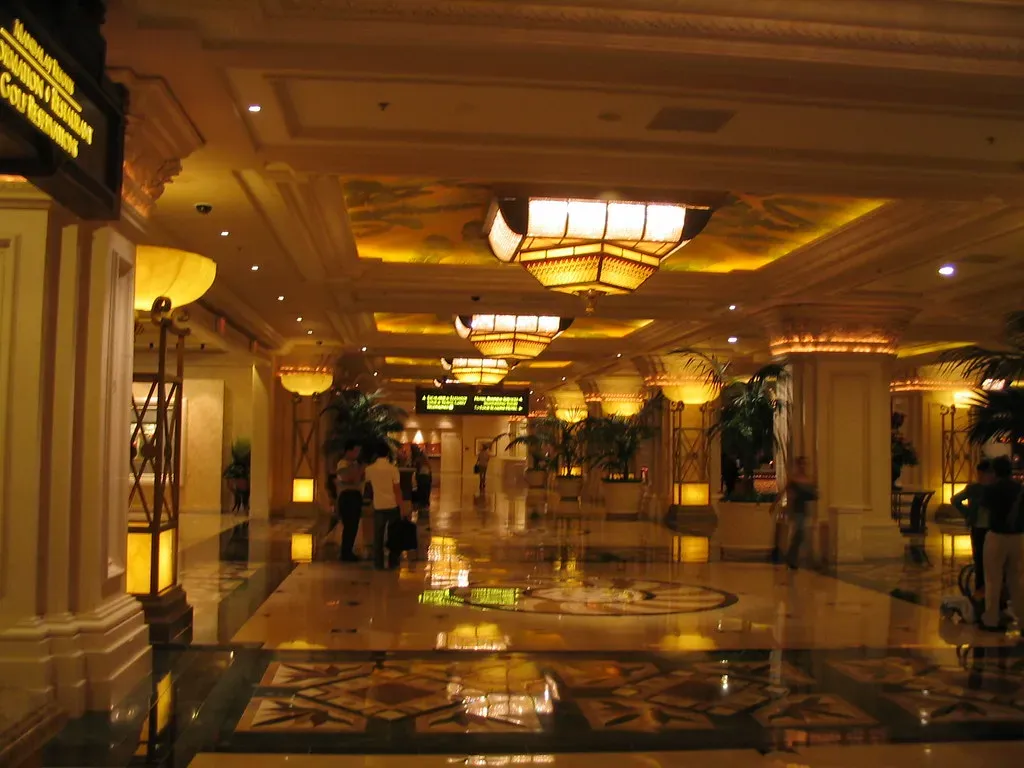
The tunnel system beneath the Las Vegas Strip is not a mystery wrapped in conspiracy. It is a massive feat of public engineering, born from a deadly flood in 1975, designed to protect a desert city from itself. The “secret” part of the story is not hidden VIP corridors or casino underworlds. It is the invisible community of real people living in the dark, a few feet below the casino floors where fortunes change hands every hour.
The infrastructure exists because of engineering necessity. The people exist because of social failure. Both are real. Both deserve attention. The next time you walk the Strip and feel the ground beneath your feet, consider what is actually down there. It is not glamorous. It is not fictional. It is Las Vegas at its most honest. What does it say about a city when its most vulnerable residents live inside the very infrastructure built to protect everyone else?