There’s a particular kind of literary frustration that’s hard to explain to non-readers. It’s not disappointment, exactly. It’s more like arriving at a party, finding exactly the right people, the right music, the perfect corner of the room, and then watching someone flick on the lights and announce it’s over. You weren’t ready. The story wasn’t ready. Or so it felt.
Some of the most beloved books ever written are also the ones readers most wish had kept going. Not because they ended badly, but because the world built inside those pages was so alive, so absorbing, that closing the back cover felt like a small loss. These eight books come up again and again in conversations about books that ended too soon.
The Great Gatsby by F. Scott Fitzgerald

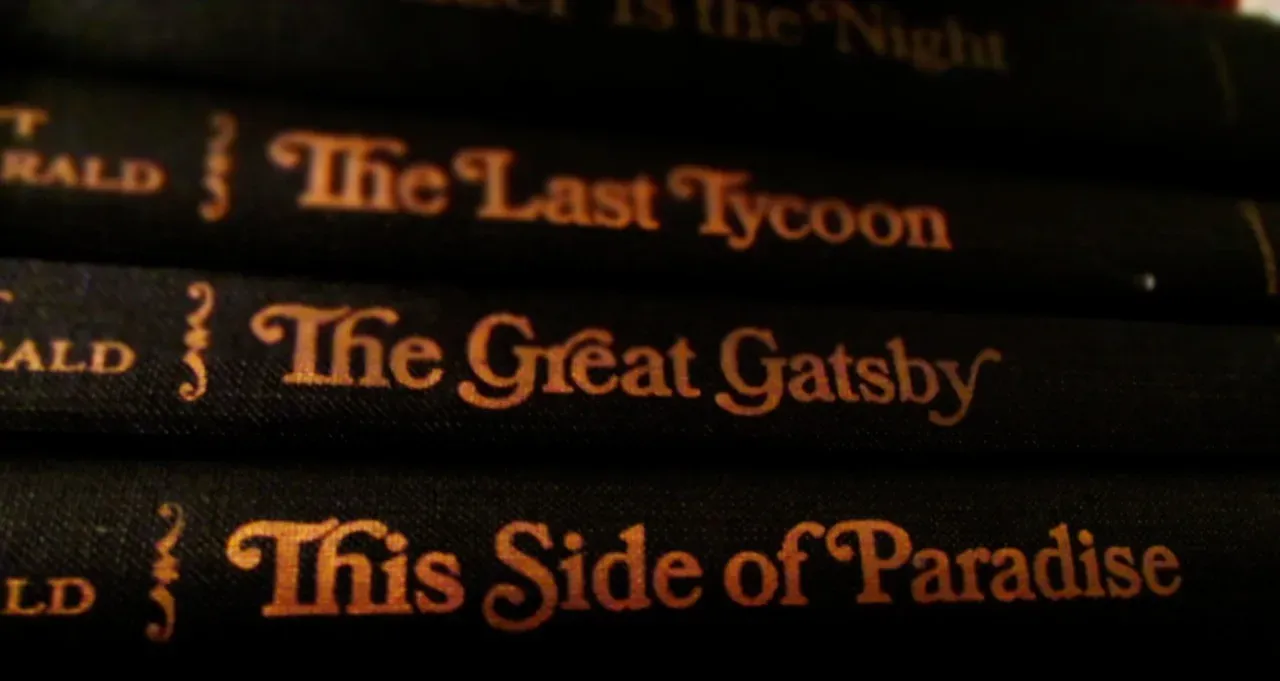
The Great Gatsby stands as the supreme achievement of Fitzgerald’s career and has been acclaimed by generations of readers since its first publication in 1925. It’s one of the most analyzed novels in the American literary canon, and yet the whole thing clocks in at under 200 pages. Most readers can polish off the whole thing in a single dedicated afternoon.
The characters are vivid, the prose is dense with atmosphere, and the world Fitzgerald conjures on Long Island in the 1920s feels endlessly rich. Readers consistently note that just as Jay Gatsby becomes a fully three-dimensional figure, the story pulls the rug out. There’s a well-worn observation in reading circles: bad books are inherently too long, good ones too short. Who has not been engrossed in an excellent tale and been dismayed to see the remaining pages dwindle?
Of Mice and Men by John Steinbeck


Steinbeck wrote Of Mice and Men as a novella, and it reads with an almost theatrical economy. Every sentence is doing double duty. The friendship between George and Lennie is among the most emotionally resonant in American fiction, and yet the whole story runs fewer than 115 pages in most editions. For a book so overwhelmingly concerned with issues of masculinity, Of Mice and Men is also deeply emotional and elegiac, especially in its portrayal of George Milton and Lennie Small’s friendship.
Readers often describe wanting more time in that world, more ranch mornings, more of Candy’s sardonic humor, more of the dream itself before it’s extinguished. The ending is devastating precisely because the book moves so fast. You almost don’t see it coming until it’s already done.
The Night Circus by Erin Morgenstern


Published in 2011, The Night Circus became something of a phenomenon, drawing in readers with its lush, sensory descriptions of a mysterious traveling circus that only appears at night. The world Morgenstern builds is breathtakingly detailed, full of magical tents, complicated rules, and a slow-burn romance between two rival illusionists. Readers consistently describe the sensation of not wanting to leave it. This proved very popular with fans, who got the most votes and loved it so much they wished there were more.
The book ends at a point where the world still feels expansive and unexplored. Dozens of minor characters are fascinating but only glimpsed, and the circus itself feels like it could anchor a dozen more stories. While not a sequel, Morgenstern has continued writing, giving fans at least some hope for more from this corner of her imagination.
Animal Farm by George Orwell

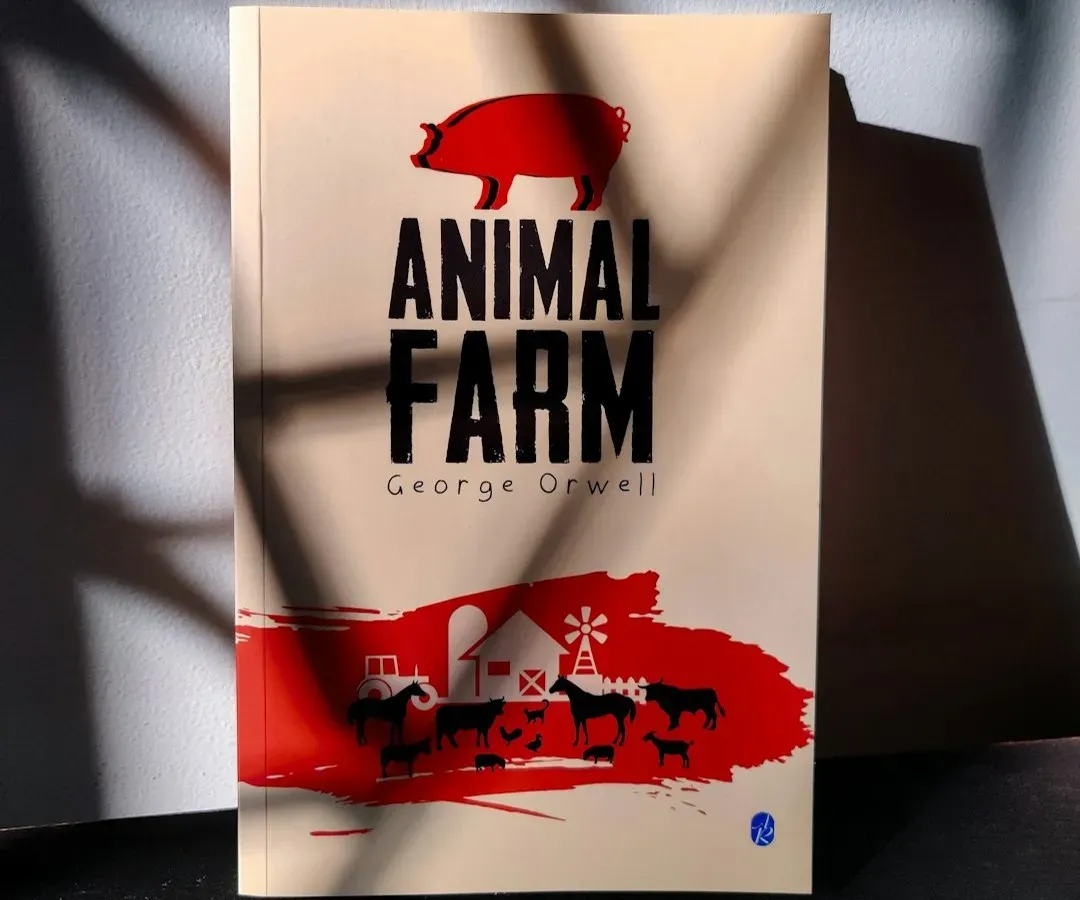
George Orwell’s allegorical novella, often taught in high schools around the English-speaking world, is one of the most popular, beloved, and well-respected novellas ever written. Retelling the story of the Russian Revolution and the Stalinist era that followed, Animal Farm is a piece of dark satire brilliantly told. Orwell famously argued that language and stories should be simple, appealing to the broadest possible audience, and Animal Farm is an excellent example of this.
At roughly 112 pages, the book builds its world with remarkable efficiency, but that efficiency is also its limitation from a reader’s perspective. By the time the pigs take full control of the farm, readers want more. They want to see what comes next, how the other animals adapt, whether any resistance emerges. The ending lands like a punch, but the world Orwell created deserved more room to breathe.
A Monster Calls by Patrick Ness


In A Monster Calls, Conor wakes up seven minutes after midnight to a monster outside of his bedroom window, but it’s not the monster of his nightmares, it’s an ancient one that wants something from him. The novel, based on an idea by the late Siobhan Dowd, runs under 200 pages and deals with grief, guilt, and the stories we tell ourselves to survive. It hits with the force of something much longer.
The relationship between Conor and the monster builds through a series of ancient tales, and readers consistently describe feeling gutted when the story ends. The emotional architecture is so carefully constructed that reaching the final pages feels abrupt. Many readers report sitting with the closed book in their hands for a long moment, not quite ready to let go.
Small Things Like These by Claire Keegan


Small Things Like These by Claire Keegan is a short, spare novella set in 1980s Ireland. In just 109 pages, Keegan puts you squarely in the mind and body of its protagonist, Furlong. You feel the pangs of long-ago childhood angst, the chill of an Irish cold spell, the ugliness of small-town bigotry, the warmth of a coal stove, the despair over human cruelty.
One reader described feeling sad to leave Furlong’s side after so short a visit, longing to know what happened next, even while acknowledging the tale was told in just the right way, with just the right words. Keegan writes like a poet masquerading as a novelist. That combination of completeness and yearning is exactly what makes Small Things Like These one of the most talked-about short novels of recent years. The 2022 Booker Prize win only amplified the conversation about just how much Keegan accomplished in so few pages.
Fahrenheit 451 by Ray Bradbury
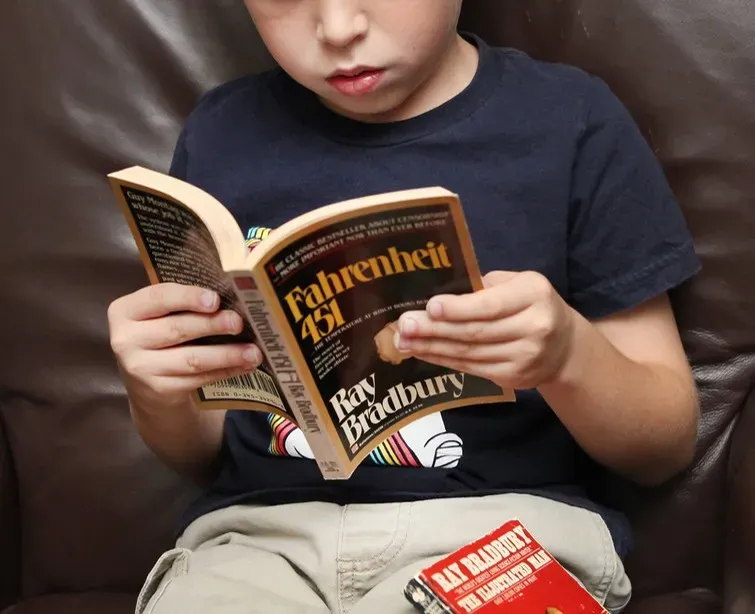
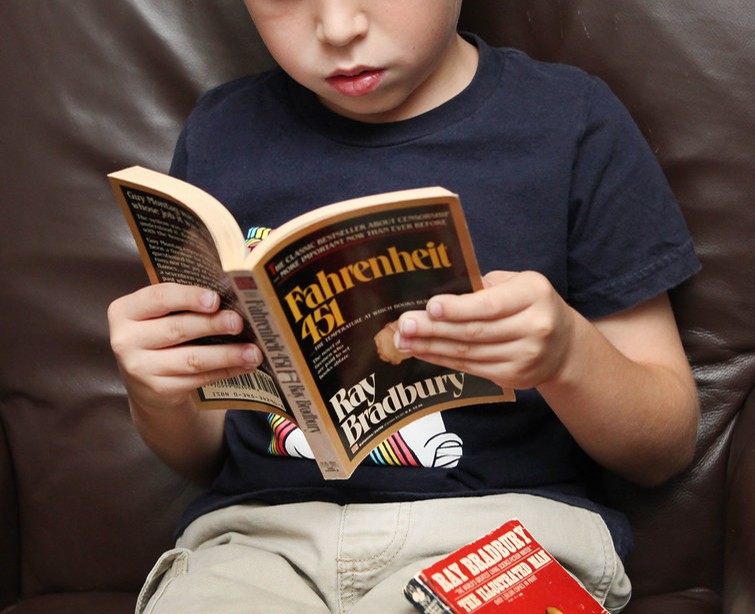
Ray Bradbury’s dystopian classic runs just over 150 pages, and it plants questions in the reader’s mind that feel far too large for a book that size to fully answer. Fahrenheit 451 has consistently attracted fan votes among books that readers wish had a sequel. What did happen to all the remembered books? One can only hope times changed. It’s the kind of story where the ending, though purposeful, leaves the future of its characters hanging just out of reach.
The world Bradbury builds around book-burning firemen and underground scholars is one of the most evocative in science fiction. Readers want to follow Montag further down the railroad tracks, want to see what the book-memorizing wanderers actually do with the civilization they’re quietly preserving. The novel ends just as the real work seems to be beginning.
All Systems Red (The Murderbot Diaries) by Martha Wells


All Systems Red is the first novella in a sci-fi series called The Murderbot Diaries. The story is set in a future world where corporations control much of space and the planets in it. While exploring, teams of humans are assigned a “murderbot” to keep them safe. The story follows a team whose own murderbot has managed to hack its own systems and become self-aware. It now wishes to better understand itself, its purpose, and its relationship to humanity.
At under 160 pages, the novella introduces one of the most unexpectedly compelling narrators in modern science fiction, a socially anxious, media-addicted security robot with deeply relatable problems. Readers who discover All Systems Red almost universally report finishing it in a single sitting and immediately wanting more. The good news is that Wells continued the series, but the hunger each individual installment leaves behind is a testament to how good the storytelling is. Each entry ends just as the world expands another inch wider.
What these eight books share isn’t incompleteness. They’re all finished, all deliberately shaped. The complaint isn’t that something is missing, it’s that the world built inside each one is vivid enough to sustain far more than the author chose to give. That particular ache, wanting more of something that was already perfect, might actually be the best review a book can get.