
There’s a particular kind of trust that television sometimes asks of its audience. Not the easy trust of a pilot that hooks you in ten minutes, but the slower, more demanding kind. The kind that says: stick around, because something is building here.
Not every hit TV series finds instant success. Some shows take time to find their audience, develop complex storylines, or let characters grow before becoming cultural phenomena. These slow-burn series often start with modest ratings or mixed reviews but eventually capture the hearts of viewers worldwide. The ones that made it are worth looking at closely, not just for what they became, but for how they got there.
Breaking Bad: The Slow Collapse of a Quiet Man

It’s almost hard to imagine now, but when Breaking Bad first hit TV screens in 2008, it didn’t immediately set the world on fire. The show opened with a quietly desperate Walter White navigating the grim realities of cancer and middle-class life. The first season was a deliberate slow burn, focusing on character study and setting a somber tone that some viewers found almost too heavy to handle.
By mid-to-late Season 2, Breaking Bad was no longer just another cable drama – it was a phenomenon. Critics and fans alike were hooked, and the show’s Rotten Tomatoes rating soared to 96%. After audiences started binge-watching it on Netflix, it earned its reputation as arguably the greatest TV show ever made.
Succession: When Unlikable Characters Become Unmissable

When Succession first aired, the response was polite but hardly electrifying. The story of a dysfunctional billionaire family fighting over a media empire sounded like a soap opera dressed in expensive suits. Early episodes were dense with corporate jargon and morally repugnant characters that were hard to root for.
Season two changed the conversation entirely. The biting satire sharpened, the family dynamics grew more twisted, and the writing reached a level of sophistication that had critics scrambling for superlatives. Succession went on to win multiple Emmy Awards for writing and acting, becoming one of HBO’s most celebrated achievements in modern television history.
The Wire: Dense, Demanding, and Genuinely Brilliant

The Wire is often called the greatest TV show of all time, but its first season didn’t make that obvious. The dialogue was dense and realistic, the storylines slow and meticulous. For some, it felt more like homework than entertainment. Those who stuck with it found themselves drawn into a rich tapestry of Baltimore’s streets by Season 2 and especially Season 3.
The Wire explores the devastating impact of the war on drugs on the communities of Baltimore through the eyes of people on both sides of the law. Police officers aren’t simply righteous crimefighters, but deeply flawed instruments of a broken system; the criminals are fully fleshed-out people with motivations you can’t dismiss as mere selfishness. Today, The Wire enjoys a 94% Rotten Tomatoes rating and is studied in universities for its narrative brilliance.
Parks and Recreation: The Show That Reinvented Itself

When Parks and Recreation premiered, it felt like an awkward copy of The Office, and viewers weren’t buying it. Season one received lukewarm reviews, and the characters hadn’t yet found their spark. Most people didn’t stick around long enough to see what was coming.
Season two changed everything. Leslie Knope transformed from a clueless bureaucrat into one of TV’s most lovable optimists, and the ensemble cast clicked into place like puzzle pieces. The show became a warm, funny celebration of community spirit and genuine friendship. Few sitcoms have ever matched its infectious positivity and heart.
Cheers: Dead Last in the Ratings, Then an All-Time Classic

Few shows in history have come closer to cancellation in their first season while still becoming all-time classics. Cheers debuted to dismal ratings in 1982, finishing dead last in the weekly Nielsen rankings. NBC executives debated pulling it entirely before it ever found an audience. Thankfully, the network held on, and word spread slowly but surely.
Partner offer
The bar at Cheers became one of television’s most comforting fictional spaces, and the ensemble cast – from Sam Malone to Cliff Clavin – felt like old friends. Eleven seasons and 111 Emmy nominations later, Cheers remains a gold standard of American comedy.
Mad Men: Style First, Substance Very Soon After
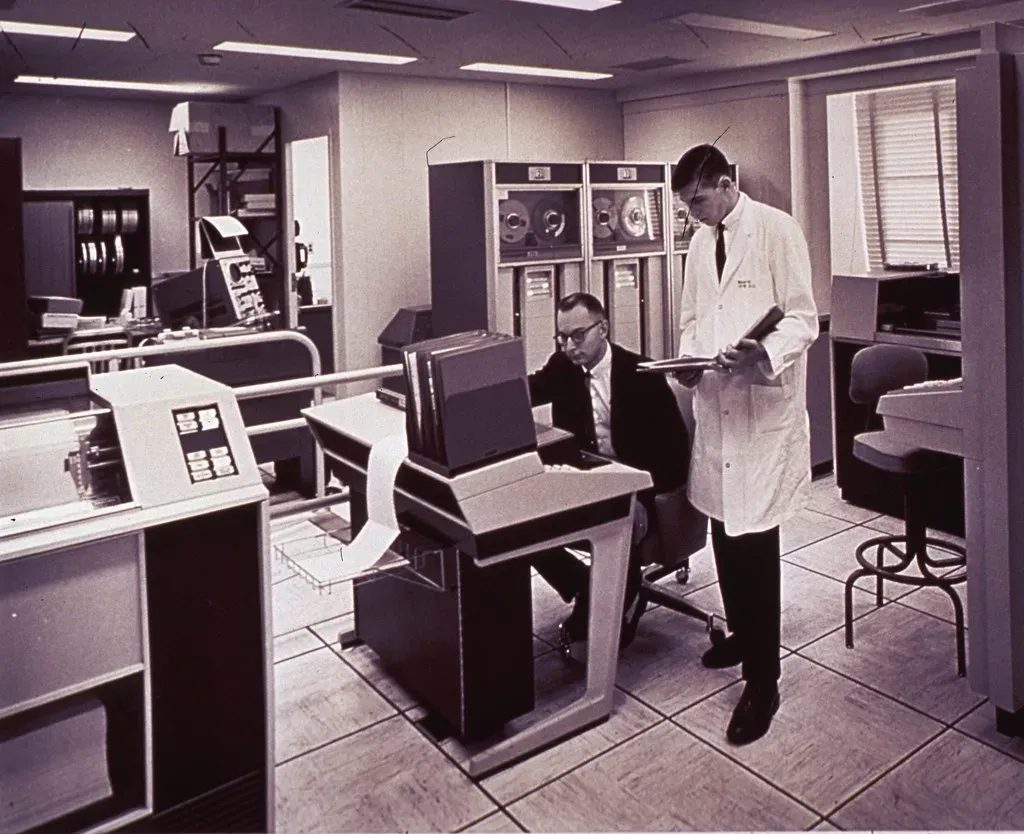
Mad Men dazzled with its 1960s style from the start, but many viewers found the early episodes slow, almost meditative in their pace. The focus on advertising felt like inside baseball, and the stakes weren’t always clear. As the season progressed, the complex lives of Don Draper and his colleagues began to unfold, pulling viewers into a world of secrets, ambition, and heartbreak.
The show’s storytelling depth quickly became apparent, earning it 16 Primetime Emmys and a 94% Rotten Tomatoes score. Don Draper became one of TV’s most fascinating antiheroes, and the writing grew richer with every season. Multiple Emmy wins followed, and Mad Men is now considered a defining example of prestige television at its most thoughtful and ambitious.
Schitt’s Creek: From Obscure Canadian Comedy to Global Phenomenon
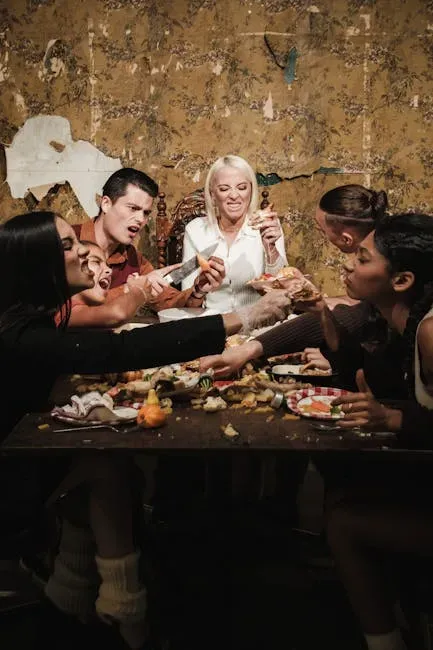
Schitt’s Creek didn’t immediately win over audiences. Its early episodes played heavily on fish-out-of-water gags, and the spoiled Rose family was hard to love. As the series progressed, though, the characters evolved in sweet and surprising ways.
In its first couple of seasons, Schitt’s Creek had enough viewers in its native Canada to keep getting renewed. It unexpectedly became a global smash hit during its third season when it started streaming on Netflix around the world and really struck a chord with international audiences. Schitt’s Creek’s feel-good tone flew in the face of the many cynical comedies of the time, which audiences found delightfully refreshing.
The Office (US): From Awkward Imitation to Streaming Legend

Honestly, the first season of the American Office was rough. It leaned too heavily on its British inspiration, and Michael Scott came across as more irritating than funny. Fans of Ricky Gervais’s original version were especially skeptical, and ratings reflected that uncertainty.
The writers gave the supporting characters real depth, romantic storylines blossomed, and Michael Scott became weirdly endearing. Jim and Pam’s slow-burn romance kept millions hooked for years. Today, The Office is arguably the most rewatched comedy in streaming history – proof that a rocky start doesn’t determine a show’s ultimate legacy.
Better Call Saul: A Prequel That Outgrew Its Shadow

Though initially perceived as unable to match Breaking Bad’s brilliance, Better Call Saul proves itself through patient character studies examining morality’s shades of gray. Jimmy’s transformation took time as questionable legal practices become necessary shortcuts, then validated habits.
A spin-off to its predecessor Breaking Bad, Better Call Saul dives deep into how Jimmy McGill became Saul Goodman. Similar to Walter White, the show slowly unravels the transformation of a seemingly decent person into a morally challenged one. Despite being more character-focused than plot-driven, the plot was never compromised. The story was always cleverly in sync with the characters’ experiences.
The Leftovers: The Show Almost Nobody Watched, Then Nobody Could Stop Talking About

The Leftovers, adapted from Tom Perrotta’s novel, explores human society after a mysterious vanishing affects a portion of the world’s population. An intimate meditation on life’s greatest and most uncomfortable mysteries, it ventures far beyond the initial story to create a TV show unlike anything seen before.
The show demands patience in a way that borders on confrontational, and yet even when it forces the audience to move one agonizing step at a time, the journey is too memorable to miss. These stories allow audiences to live with characters, understand their evolution, and feel as though they’ve shared a journey. When the payoff arrives, it carries the weight of accumulated experience, making it significantly more satisfying. The Leftovers may be the purest example of exactly that.
Partner offer
Planning a trip to Vegas?
Compare hotel rates and show tickets on VEGAS.com.