
There’s a certain type of musician that the industry has never quite known what to do with. They move constantly, reinvent without apology, and treat restlessness not as a flaw but as the engine of everything. Where other artists find a sound, plant a flag, and guard it, these singers treat the whole world like a rehearsal room. The road isn’t just a tour schedule for them. It’s a creative condition.
What’s striking is how often the artists who refused to pick a lane ended up defining several of them. Their careers look chaotic from the outside, but the chaos was rarely accidental. Understanding what those choices actually produced, creatively and commercially, tells you a lot about what artistic freedom is really worth.
Bob Dylan and the Art of Never Arriving

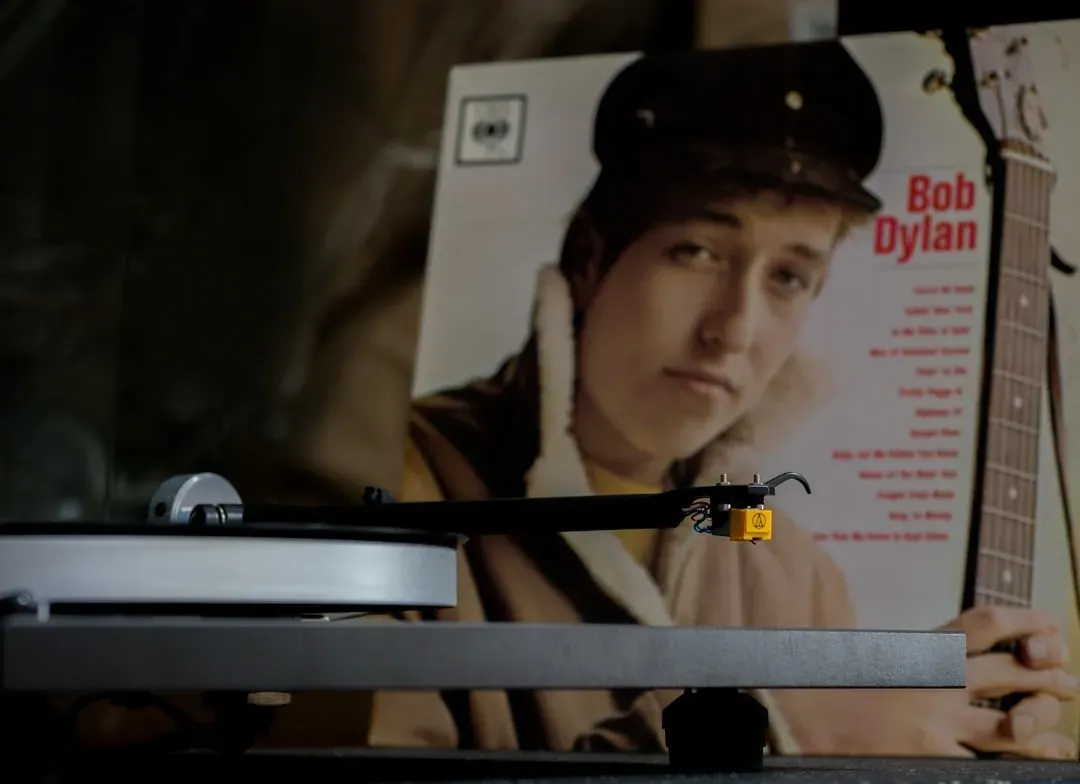
Described as one of the greatest songwriters of all time, Dylan has been a major figure in popular culture over a career spanning more than six decades, with an estimated 125 million records sold worldwide. What makes his story remarkable isn’t the scale of the success, it’s the refusal to consolidate it. Every time he built an audience around one identity, he abandoned it.
Dylan added increasingly sophisticated lyrical techniques to the folk music of the early 1960s, infusing it with literary and intellectual depth, while his lyrics incorporated political, social, and philosophical influences that defied pop music convention. He was eventually awarded the 2016 Nobel Prize in Literature “for having created new poetic expressions within the great American song tradition.” That prize, arriving more than fifty years into his career, felt less like a surprise than a confirmation of what restlessness actually accumulates into over time.
Joni Mitchell and the Refuge of the Road


As one of the most influential singer-songwriters to emerge from the 1960s folk music circuit, Mitchell became known for her personal lyrics and unconventional compositions, which grew to incorporate elements of pop, jazz, rock, and other genres. That expansion wasn’t gradual or cautious. It was driven by a consistent willingness to leave behind whatever had earned her praise.
In early 1976, Mitchell travelled with friends driving cross-country, then drove back to California alone, composing several songs during her journey that would appear on her album Hejira. That record replaced intimate personal pain with something far more panoramic: a travel-worn philosophy anchored by Jaco Pastorius’s fretless bass, and long-form poetic meditations on independence and what she called “the refuge of the road.” The literal act of moving through space became the album’s creative spine.
Prince and the Freedom of Owning Everything

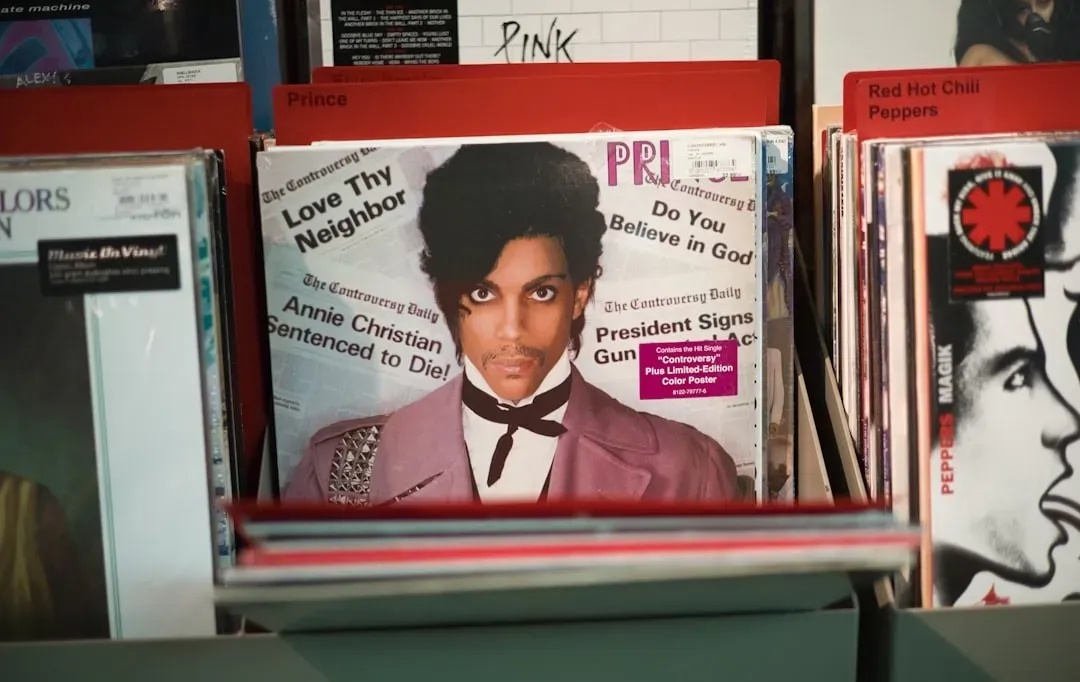
Rather than following established rules, Prince created his own musical language, writing, producing, and performing everything independently, refusing to let traditional methods limit his creativity – and this self-directed approach gave him complete artistic freedom. He didn’t just tour relentlessly; he controlled every dimension of what audiences received, from the staging to the master recordings.
His drive to innovate instead of imitate made him one of pop music’s most versatile and groundbreaking figures, proving that independence can fuel genius in ways conventional structures never could. What he demonstrated wasn’t just creative courage. It was a practical blueprint for how not settling, artistically or contractually, translates directly into a legacy that no label can fully claim or dilute.
David Bowie and the Discipline of Reinvention


David Bowie was essentially self-taught, and from guitar and piano to saxophone and bass, he mastered multiple instruments through sheer experimentation. That self-teaching wasn’t undisciplined, it was how he stayed mobile. A musician who can play everything has fewer reasons to stop anywhere.
Bowie’s unique approach transformed the music landscape, with his work reflecting an innovative spirit fueled by relentless curiosity and a desire to transcend traditional boundaries. While his early glam era brought dazzling theatricality, by five years later Bowie had developed unrecognizably as a songwriter, musician, and visionary, producing albums like Low that are still studied today as examples of what creative restlessness can build when it’s never allowed to rest.
Taylor Swift and the Scale That Freedom Can Reach


The Eras Tour was Taylor Swift’s sixth concert tour, spanning 149 shows in 51 cities across five continents, and it became the highest-grossing tour of all time, the first to earn over one billion and then two billion dollars in revenue. That figure represents something more than commercial dominance. It reflects what happens when an artist refuses to be reduced to a single era of their own making.
During the tour, Swift released her eleventh album, The Tortured Poets Department, adding new songs to the show while also managing to re-record portions of her previous catalog as part of a dispute with her former label and managers. She didn’t just tour her back catalog; she actively reclaimed it in real time. Swift was Spotify’s most-streamed artist for two consecutive years, driving well over twenty-six billion global streams in 2024 alone. The refusal to settle down became, in her case, a twenty-one-month argument for why freedom matters financially as much as creatively.
Stevie Nicks and the Parallel Life on Stage


Stevie Nicks continues to tour both with Fleetwood Mac and as a solo artist, sustaining two distinct musical identities across decades without letting either dissolve the other. Her career has always operated along two tracks simultaneously, and she has never fully committed to either one at the expense of the other. That refusal to consolidate is partly why both remain intact.
Within Fleetwood Mac, the tensions that generated the band’s most enduring work were never resolved, only channeled. The band’s world-conquering Rumours was perhaps too perfect an album, but their follow-up Tusk took more risks, pushed boundaries, and embraced greater variety, with production that gave each track room to develop its own identity. Nicks understood, perhaps better than anyone in that lineup, that the instability keeping them from settling was also the force keeping them original.
Carole King and What Staying Mobile Unlocked

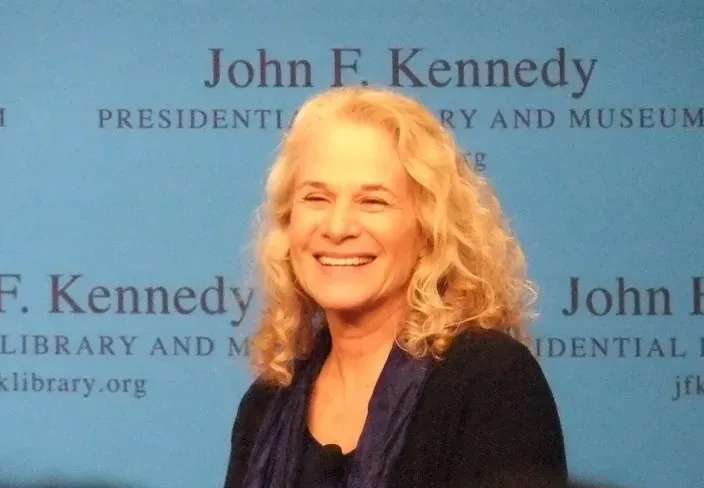
Carole King was one of the most prolific songwriters of her era, with Mitchell’s contemporaries revolutionizing the singer-songwriter form at a time when most female artists were still being handed songs written by men. King’s particular path involved writing for other artists for years before finally stepping out as a performer herself, and that fluidity between roles gave her work a breadth that a fixed identity would have narrowed.
Carole King’s Tapestry was the best-selling album by a female artist in the 1970s, spending fifteen weeks at number one. It arrived after years of her work living in other people’s recordings, which meant she had spent a long time learning how songs land from the outside before she started performing them herself. By 1975, King and Mitchell commanded the same advances as male superstars, a direct result of proving their commercial value on their own terms. The freedom they pursued was economic as well as artistic, and one reinforced the other.
The Nomadic Impulse as Creative Strategy


Across all of these careers, a pattern holds. The singers who kept moving, who declined to define themselves by geography, genre, or a single commercial moment, accumulated something that stability rarely produces: the ability to surprise. These rock-and-roll-era icons endured bouts of hard neglect and came through those experiences with a solitary integrity and courage. The neglect was often a direct consequence of the freedom, but so was the longevity.
Their sustained careers demonstrated that these were artists who continued to make essential music and who still had the power to state their own terms and contexts for their art. That phrase, “their own terms,” is the throughline. The singers who refused to settle down weren’t running from something. They were protecting something: the right to remain unfinished, and therefore still capable of surprising themselves. As it turns out, that’s often what surprises everyone else too.