Imagine rolling over in bed at 2 a.m., your partner sawing logs loud enough to rattle the nightstand, and thinking, “Is this it? Is this my life now?” If that sounds familiar, you’re not alone. Millions of Americans are quietly – or not so quietly – slipping out of the shared bedroom and into the guest room, the couch, or a spare mattress down the hall.
It’s called a “sleep divorce,” and it’s far more common than anyone likes to admit. What started as a whispered confession between tired couples has exploded into a full-blown cultural conversation. Scientists are studying it. Therapists are weighing in. And the numbers are genuinely surprising. Let’s dive in.
The Numbers Are Real – and Rising Fast


Here’s the thing: this isn’t just anecdotal. Over a third of American couples opt to sleep apart, according to a 2024 survey by the American Academy of Sleep Medicine (AASM), with almost half of millennials occasionally or consistently sleeping in another room. That is a staggering figure when you actually stop and think about it.
A 2024 AASM survey reveals that 29% of Americans have opted to sleep in another bed in the same bedroom or in another space in the home to accommodate a bed partner. The trend has been building year over year. In 2023, respondents admitted to sleeping in another room on occasion (20%) or consistently (15%) to accommodate a bed partner.
A Global Sleep Survey from health technology company ResMed found that roughly half of Americans opt to sleep apart from partners, with nearly two thirds reporting it brought them better rest – though about three in ten say it worsened their relationship. Those numbers tell both sides of a complicated story.
What Exactly Is a “Sleep Divorce”?

The phrase refers to a couple’s decision to sleep in separate rooms, typically to prioritize a good night’s rest by getting some space from a partner who snores, has sleep apnea, restless legs, tosses and turns, or has some other disruptive nighttime habit. It sounds more dramatic than it is.
Sleep divorce is when a couple chooses to sleep separately, either in different beds or different rooms, to ensure a better night’s sleep for both partners. Its name may sound like the end of a marriage, but it’s not a reflection of the relationship as a whole – just incompatible sleep habits and preferences.
Honestly, the term itself is the problem. It carries this ominous weight that the reality rarely deserves. Some researchers prefer the term “sleep alliance,” suggesting a collaborative and couples-centered approach to sleep, implying that couples are working together to ensure both partners get the rest they need.
Snoring Is the #1 Culprit – By a Wide Margin


Partner snoring (at more than half of surveyed couples), scrolling through their phone before bed, and getting up at night to use the bathroom are the most common sleep-disruptive habits. Snoring is far and away the dominant complaint.
Four in five respondents in a 2024 survey of 2,000 Americans who live with their partner admitted that their partner’s sleeping habits consistently wake them up during the night. That is an astonishing majority. Think about what that actually means – a massive share of couples are simply not sleeping well because of each other.
It’s worth noting that men snore more than women and are two to three times more likely to have sleep apnea. Almost half of males (45%) report they occasionally or consistently sleep in another room, compared with just one fourth of women (25%). So in many households, it’s the partner heading to the guest room – not the snorer.
The Generation Gap Is Striking


Older generations tended to view sleeping together as an iron-clad symbol of marital devotion. Younger couples see it very differently. A survey of more than 2,000 U.S. adults found that 43% of millennials engage in sleep divorce, followed by 33% of those in Generation X, 28% of those in Generation Z, and 22% of baby boomers.
Younger generations are increasingly open to unconventional sleep setups to preserve quality rest. For them, pragmatism wins over tradition. Sleep is not a romantic symbol – it’s a health necessity.
Gen Z and millennials are equally likely to sleep in another bed in the same bedroom or sleep in another space to accommodate their partner, showing a significant shift in how younger generations approach sleep adjustments for the sake of maintaining healthy relationships. It’s less taboo, less shameful, and increasingly just… normal.
Sleep Deprivation Is Quietly Destroying Relationships

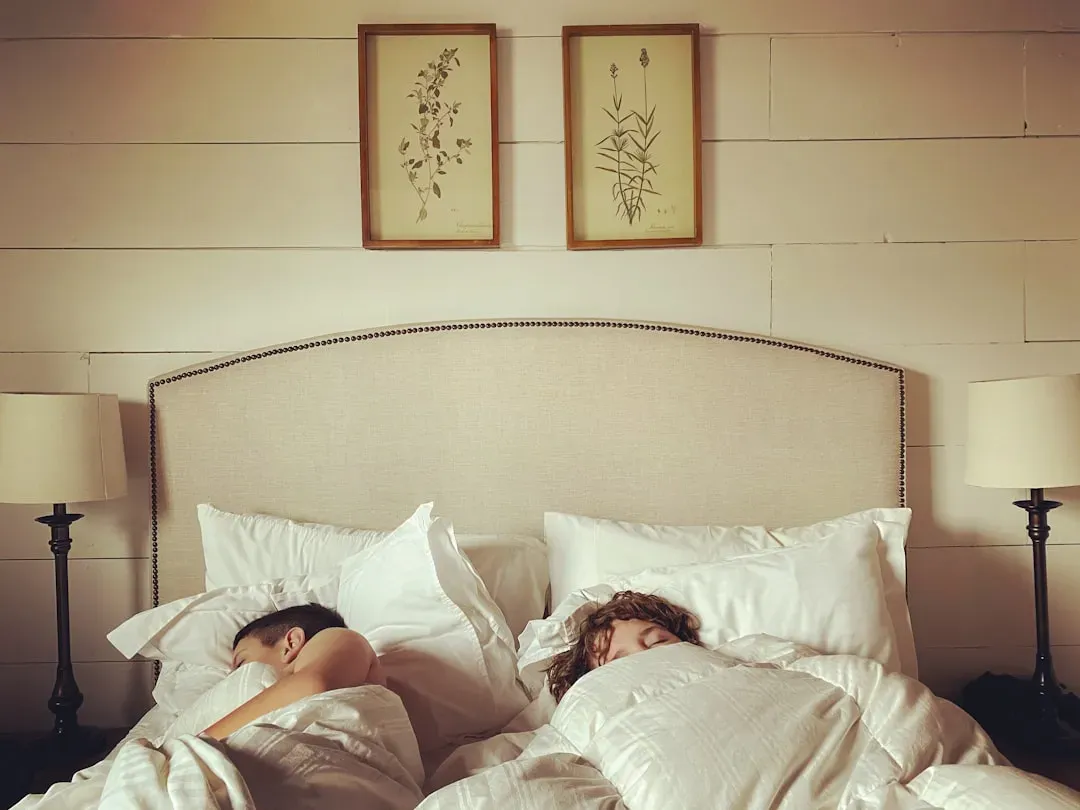
Let’s be real about what’s actually at stake here. New research reveals a less obvious yet equally damaging consequence of poor sleep: its corrosive effect on romantic relationships. Sleep deprivation fundamentally alters brain function, fueling conflict and eroding the foundations of intimacy.
Couples who slept poorly over 14 nights reported more daily marital conflict than those who slept better. That’s not a minor inconvenience. That’s a slow-dripping erosion of the relationship itself. Couples experienced more conflict in their relationships after less restful nights of sleep, and sleep loss also decreased the level of empathetic accuracy – meaning participants were less able to understand or interpret their partners’ feelings.
The amygdala, the brain region responsible for processing emotions like fear and anger, becomes hyperactive when you’re short on sleep. This heightened activity makes you more reactive to negative stimuli and less capable of regulating your emotional responses – meaning you’re more likely to overreact, misinterpret your partner’s intentions, and escalate disagreements. A single bad night can color an entire day of interaction.
The Surprising Health Benefits of Sleeping Apart


Here’s where it gets interesting. In a SleepFoundation.org survey of 1,250 U.S. adults, those who adopted a “sleep divorce” reported that more than half said sleeping apart improved their sleep quality, and they slept about 37 minutes more per night on average once they started sleeping separately. That is not a trivial gain.
Partner offer

Results from a 2024 survey reveal that more than four in ten of those who sleep separately from their partner believe it has “rejuvenated” their relationship, and about seven in ten believe their quality of sleep has increased as a result of sleeping in a separate bed. More sleep means better moods, sharper thinking, and more patience – all ingredients for a healthier partnership.
When both partners are well rested, they are likely to be less irritable and more supportive, leading to a stronger, more positive relationship. It sounds almost too simple, but that’s exactly the point.
The Intimacy Question Everyone Is Afraid to Ask
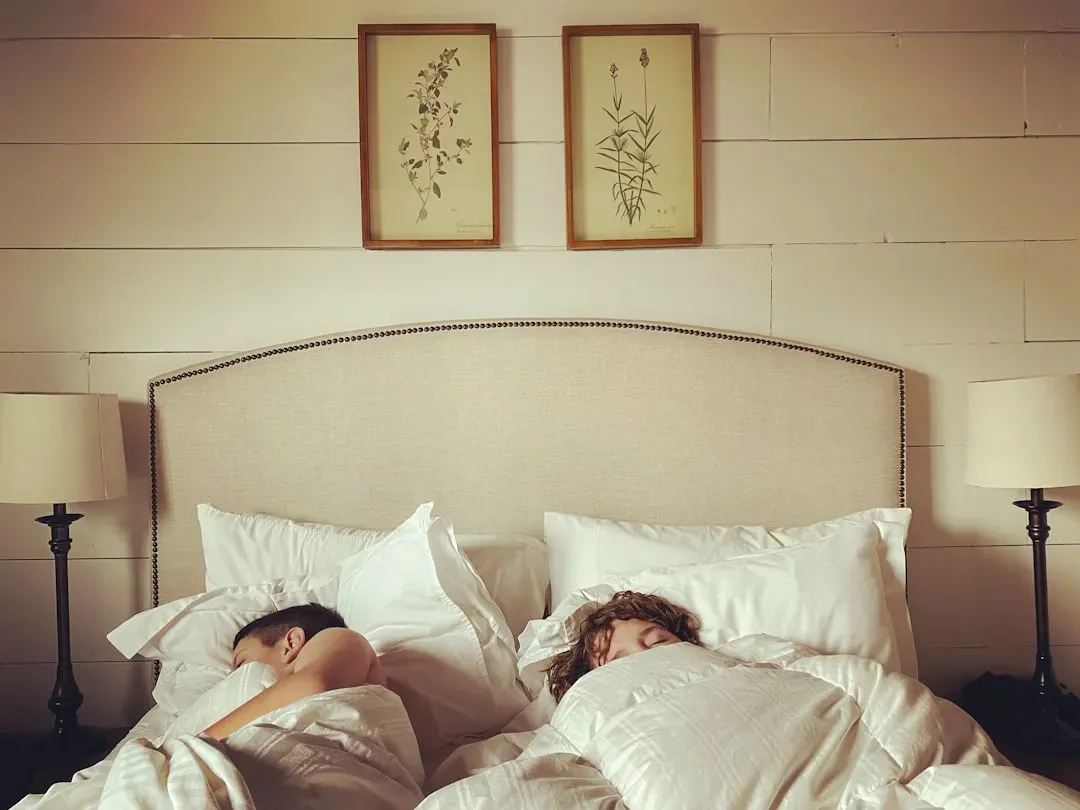
This is the elephant in the room, isn’t it? If you’re sleeping in separate rooms, does the romantic connection just… fizzle out? Many couples worry deeply about this. The honest answer is: it depends entirely on how you handle it.
Many couples who sleep apart report improved overall relationship satisfaction because they are better rested and less irritable. Renowned sleep researcher Dr. Wendy Troxel has found that many couples who sleep apart remain happy, provided they continue to nurture intimacy and communication.
A sleep divorce is less about separating a couple and more about ultimately bringing them closer – sleeping in separate rooms can be very helpful to allow each person to receive the quality sleep needed to have quality time in other ways outside of the sleep situation. The key is staying intentional about connection during waking hours.
The Stigma Is Real – but It’s Fading

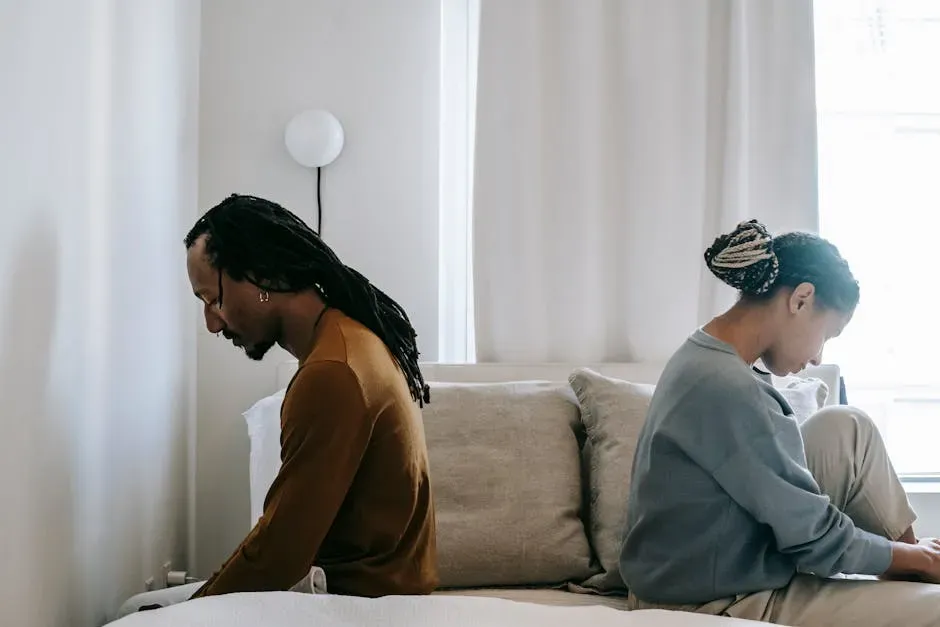
Couples have been sleeping apart for centuries, and it was only after the sexual revolution of the 1960s that people viewed sleeping apart as an implication of a loveless or sexless marriage, creating a stigma around separate bedrooms. That cultural baggage has stuck around for decades – but it’s slowly loosening.
Sleeping in separate beds is not necessarily a new trend, but the modern sleep divorce movement is gaining traction. Actress Cameron Diaz even made headlines when she said couples should “normalize separate bedrooms” when discussing her marriage. Celebrity voices are shifting public perception in real time.
The continued use of the term “sleep divorce” carries negative connotations that may deter couples from considering what could otherwise be a highly beneficial arrangement. The language we use around this practice genuinely matters. Calling it a “sleep alliance” instead might save some couples from never even considering it in the first place.
Work Schedules and Life Changes Are Accelerating the Trend


In today’s 24/7 economy, not all couples work standard hours. Those with non-traditional work shifts – such as nurses, firefighters, or remote workers – may find that sleeping apart is simply a logistical necessity. If one partner works night shifts or late hours, a separate room can help avoid sleep disturbances.
The COVID-19 pandemic offered an experimental opportunity where some couples, out of necessity, stumbled onto the strategy of occasionally sleeping apart, only to find that it significantly improved their sleep quality and overall relationship satisfaction. The pandemic quietly turned many households into accidental test cases for the sleep divorce.
Over half of all survey participants admitted to modifying their sleep routines in some way to accommodate their partners. One third of U.S. adults reported going to sleep at a different time than desired, and one in ten use a silent alarm or have tried the “Scandinavian sleep method,” which involves sleeping with separate blankets or comforters. People are already compromising constantly – some are simply ready for the next step.
How to Make It Work – If You Go That Route


If you and your partner are considering this, experts are pretty clear: communication is non-negotiable. To form a sleep alliance, couples should start with open communication, discussing sleep needs and preferences openly and without judgment. Understanding each other’s sleep challenges is the first step in finding solutions.
Conversations in the middle of the night or after a sleepless night rarely end well, as lack of sleep compromises emotion regulation, problem-solving, and communication skills. So time those conversations wisely. Bring it up over breakfast, not at midnight when frustration has already peaked.
It doesn’t have to be permanent. As sleep researcher Wendy Troxel notes, “Often, the way that couples finally start to problem-solve together effectively is to think less about it as being all-or-nothing or forever.” If sleep issues persist or are severe, consider consulting a sleep specialist who can provide tailored advice and determine if a sleep disorder in one or both partners is the root cause of the problem.
Final Thoughts
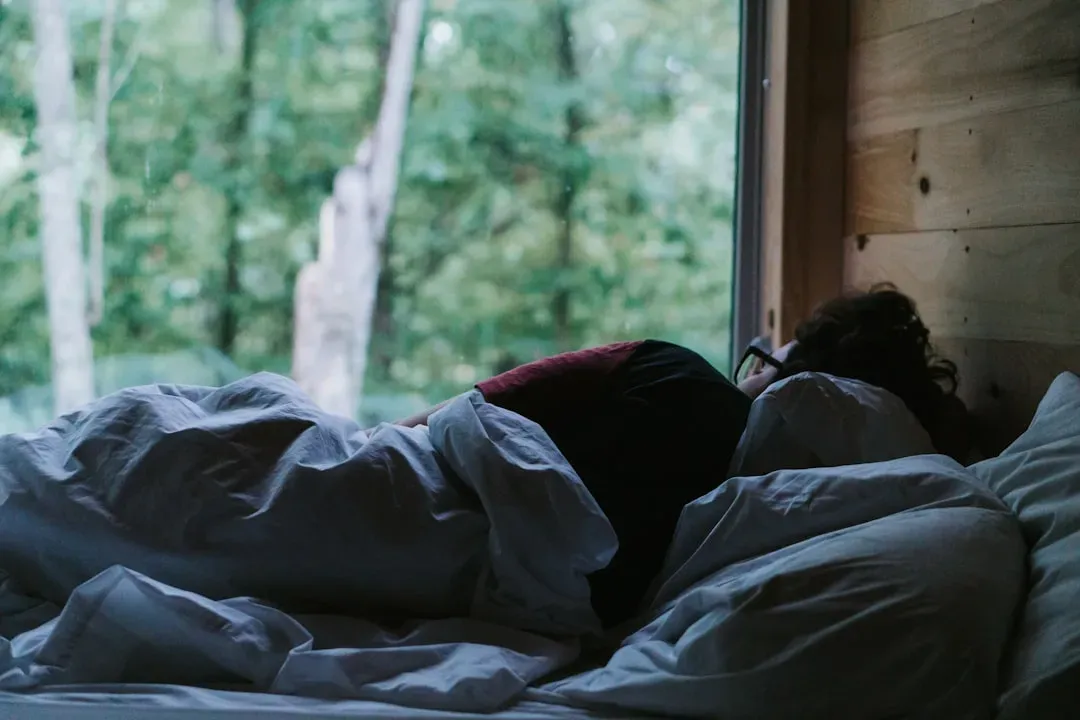
There’s something quietly revolutionary happening in bedrooms across America. Couples are prioritizing rest, rejecting social pressure, and discovering that a few walls between them at night doesn’t have to mean emotional distance. The data backs this up, the science supports it, and millions of real people are living proof.
Sleep is not a luxury. It is the foundation of your mood, your health, your patience, and your ability to show up as a good partner. When you look at it that way, the “sleep divorce” starts sounding less like giving up and more like growing up.
Would you ever consider sleeping in a separate room from your partner for the sake of better sleep? What do you think – relationship risk or relationship rescue? Tell us in the comments.
Partner offer
Planning a trip to Vegas?
Compare hotel rates and show tickets on VEGAS.com.