


There’s a strip of land in southwest Las Vegas that doesn’t look like much on the surface. Dusty, wide-open, sun-scorched desert edging up against a major highway. But behind that ordinary exterior is one of the most quietly talked-about investment corridors in the American Southwest right now.
Seasoned investors, homebuilders, logistics companies, and tech-sector newcomers are all converging on the same general address: Blue Diamond Road, State Route 160. And they’re not doing it by accident. Let’s dive in.
A Corridor That Connects Everything

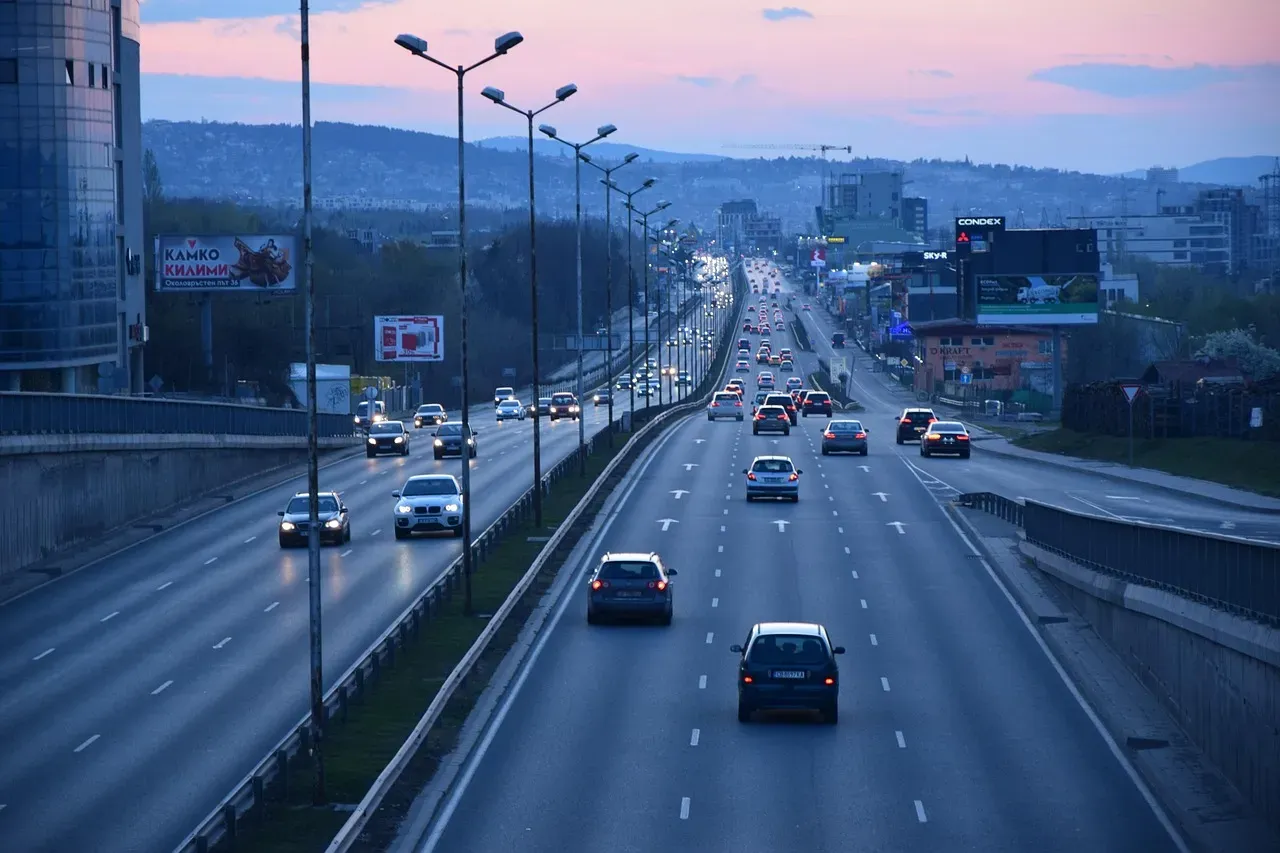
Blue Diamond Road is not just a road. It’s the backbone artery of southwest Las Vegas, running from the city’s growing residential edge all the way out toward Pahrump, with one foot firmly planted in the future of Nevada’s economy. The corridor has witnessed rapid residential and commercial expansion over the past three years, driven by relentless population pressure from within the Las Vegas metro.
Perfectly positioned on Blue Diamond and Decatur Avenue, this stretch services the affluent master-planned communities of Southern Highlands and Mountain’s Edge, with daily traffic counts at the Blue Diamond and Decatur intersection alone topping 68,000 cars per day and still growing. That’s not modest traffic. That’s a commercial bloodline.
Honestly, when you think about what makes a corridor like this special, it’s the stacking effect. Residential density feeds retail demand, retail demand anchors commercial development, and commercial development attracts infrastructure. Blue Diamond has all three pistons firing at once right now.
Population Growth That Just Won’t Slow Down

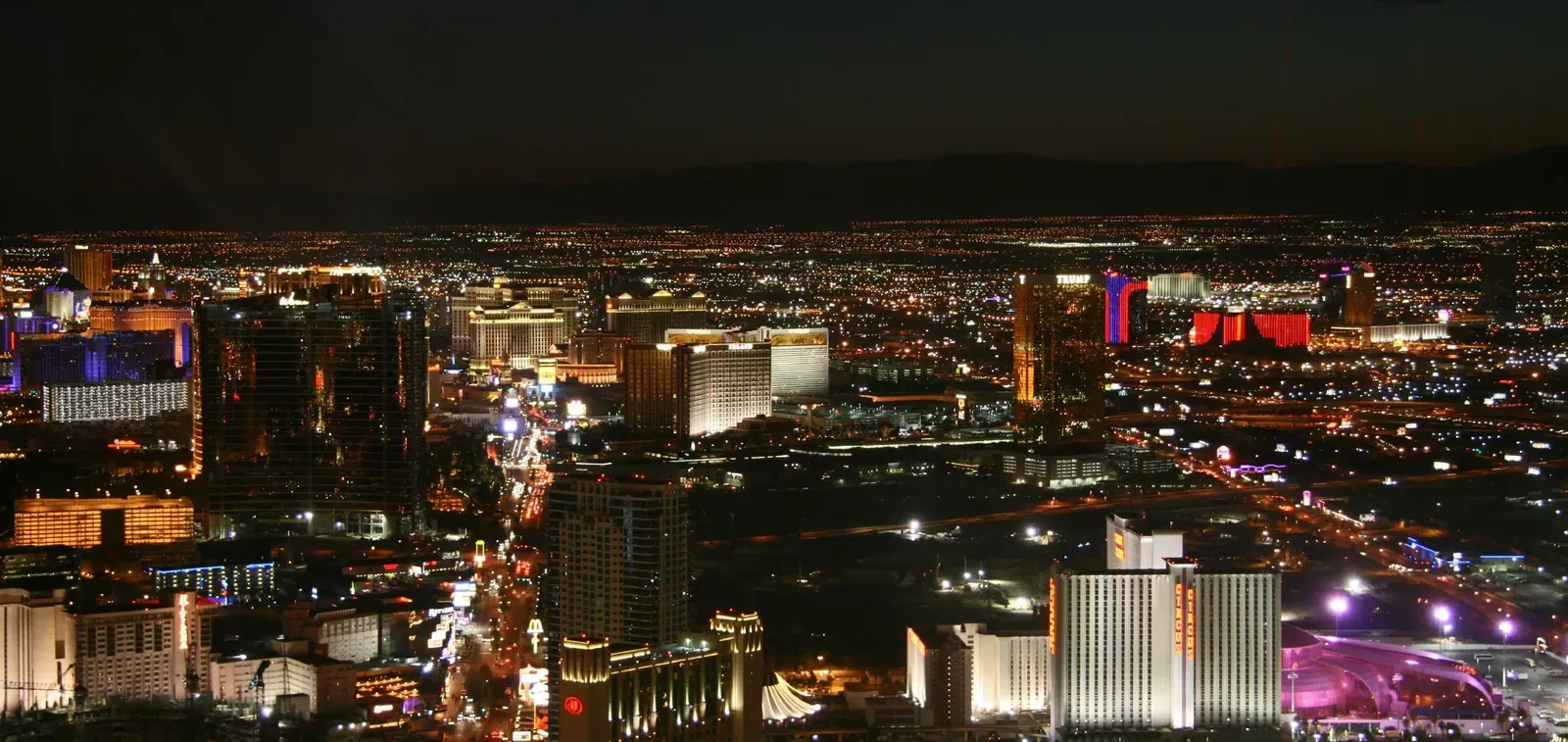
Here’s the thing about Las Vegas that still surprises people: it keeps growing, and it keeps growing fast. The kind of growth that reshapes land values before most investors even realize the opportunity has arrived.
The U.S. Census Bureau confirmed that the Las Vegas metro added over 41,000 new residents between 2022 and 2023 alone, ranking it among the fastest-growing large metro areas in the entire country. That’s roughly the population of a small city absorbed in just twelve months. Every one of those new residents needs housing, groceries, schools, roads, and warehouses to supply it all.
According to CBRE data, approximately 2.5 million people live within 100 miles of Las Vegas, with a projected five-year growth rate of 3.2%, while 26.5 million residents exist within a 250-mile radius. That radius matters enormously for logistics and retail alike. The Blue Diamond corridor sits right in the middle of this swelling population map.
The Brightline Effect: A Train Station Changes Everything

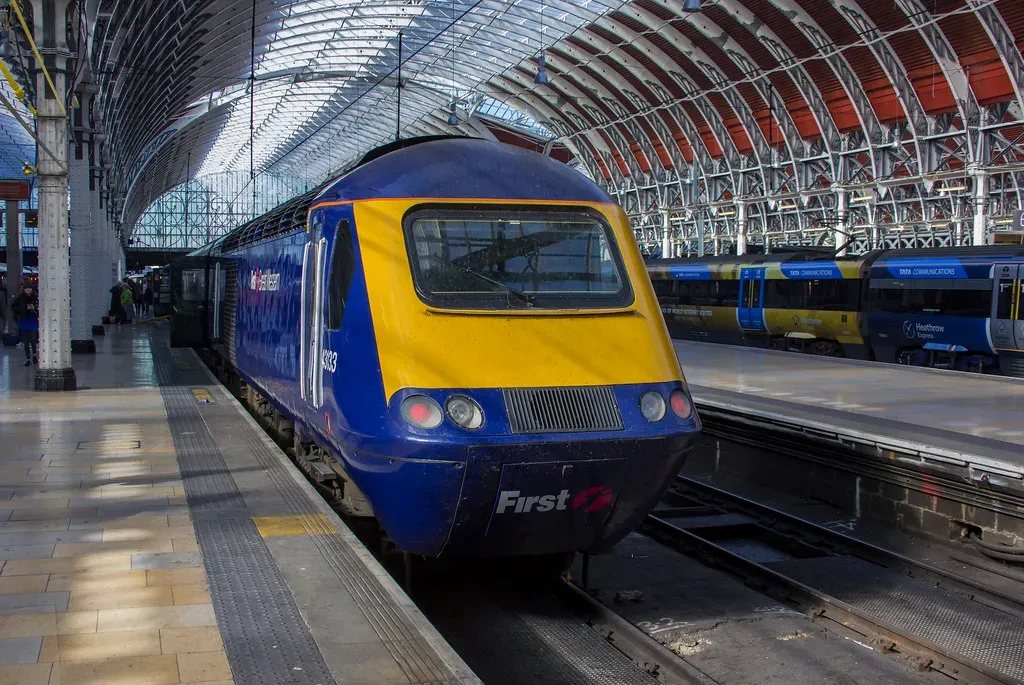
If there’s one single catalyst that turbocharged serious investor interest in this specific slice of Las Vegas real estate, it’s Brightline West. Think of it like this: when a city builds a train station, the land around it doesn’t stay cheap for long. History proves that, from Manhattan’s Grand Central to Tokyo’s entire commuter grid.
Construction on Brightline West’s Las Vegas station began on April 22, 2024, with rail operations planned to start in 2028, and the two-story station will be situated on a 33-acre site on the west side of Las Vegas Boulevard, between Blue Diamond Road and Warm Springs Road. That’s not a distant plan anymore. Crews are actively on the ground.
Brightline West’s rail system will span 218 miles and reach speeds of 200 mph, running within the median of the I-15 highway with zero grade crossings. The project’s $12 billion infrastructure investment is projected to create over $10 billion in economic impact for Nevada and California and generate more than 35,000 jobs. Transit-adjacent land near that station is already being eyed as prime real estate territory.
The Big Housing Push: 3,500 Homes on Blue Diamond Hill

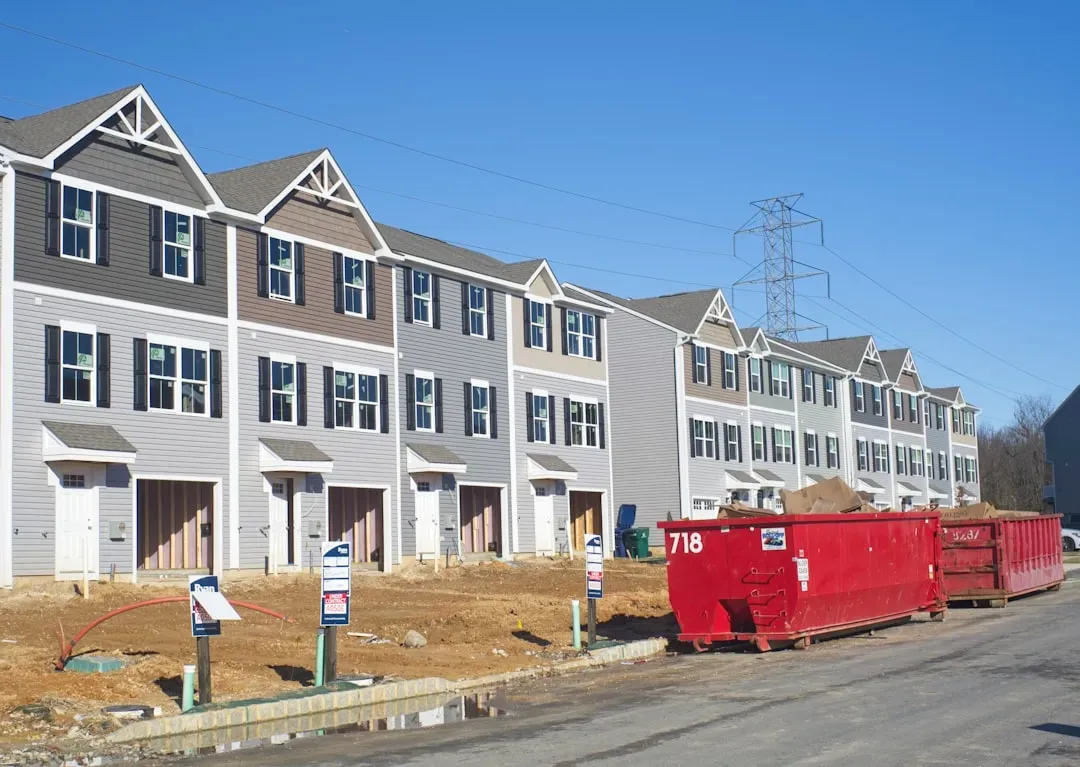
Beyond commercial buzz, the residential story along Blue Diamond is one of the most dramatic in the valley. For over two decades, a massive housing development on Blue Diamond Hill sat stuck in legal limbo, mired in opposition and litigation. That changed decisively in 2024.
In June 2024, the Clark County Commission approved a mediated settlement that cleared the way for the long-disputed project, and in July 2024 a development agreement allowing approximately 3,500 homes on nearly 2,000 acres was finalized. That’s not a small subdivision. That’s a new community being born from scratch adjacent to one of the valley’s most scenic natural landmarks.
The Clark County Planning Commission unanimously approved design reviews and a tentative map for around 830 acres with more than 1,000 single-family homes on the hilltop site off Blue Diamond Road west of Las Vegas. The development team plans to build a 4.5-mile connector road from the new community directly to Blue Diamond Road. More homes mean more people, more traffic, and frankly, more investable demand all along the corridor.
The Clark County Innovation District: A ‘Smart Square’ Takes Shape

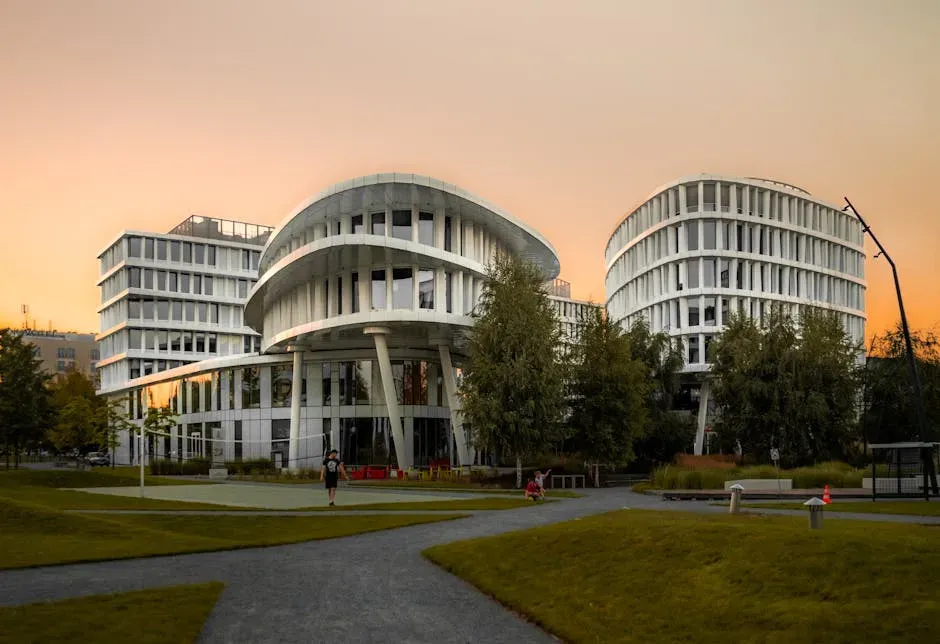
This is where the “smart square” nickname starts to make real sense. Southwest Las Vegas isn’t just getting denser. It’s getting deliberately smarter, by design, with government planning actively steering it that way.
Clark County approved an action plan to create an innovation district meant to attract technology and innovation companies to the Southwest Las Vegas Valley, with the proposed innovation district’s core potentially up to 20 acres in size, targeting the eight-square-mile area around the 215 Beltway. That’s a government-backed tech magnet being planted right at the doorstep of Blue Diamond territory.
This area already hosts high-profile tech-focused developments such as UNLV’s Harry Reid Research and Technology Park, a 122-acre campus with about 93 acres of tech space, alongside Switch’s Las Vegas campus. Clark County’s explicit goal is to attract companies in diversified economic sectors to make the region less dependent on tourism alone. That’s a significant policy commitment, not just wishful thinking.
Industrial Real Estate: The Logistics Land Grab

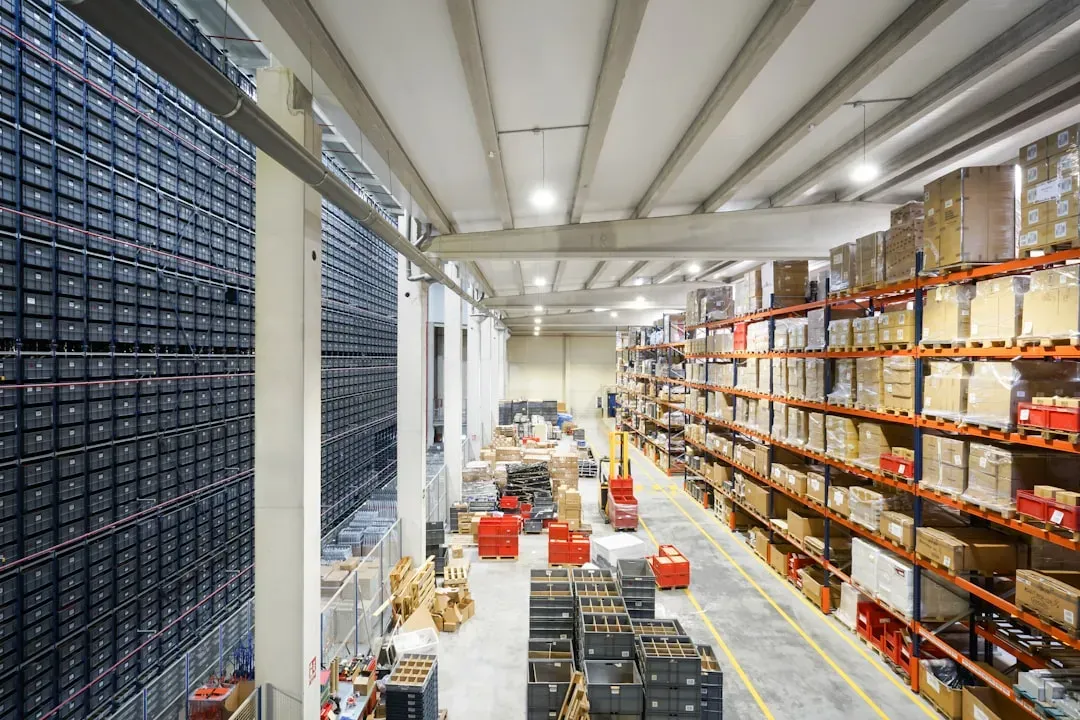
It’s hard to say for sure exactly how much of the industrial fever in southern Nevada is specifically tied to Blue Diamond Road versus the broader metro, but the directional pull of logistics investment toward this part of the valley is real and backed by hard data.
According to CBRE, Las Vegas ranked among the top ten U.S. industrial markets for industrial space under construction, with 17.3 million square feet in the pipeline with roughly a fifth preleased as of the end of 2023. Las Vegas is positioned for continued growth given its robust labor market, attractive incentives, and new state-of-the-art available space to accommodate ongoing occupier demand.
Amazon has a highly visible presence in the Las Vegas Valley, and one confirmed report noted the company currently operates 19 facilities across Southern Nevada. Amazon has also purchased 300 acres in the greater southern Nevada region for future use. Logistics giants don’t make land purchases like that by accident. They follow population corridors, and Blue Diamond is squarely in that path.
Nevada’s Tax Advantage: The Silent Accelerant


Let’s be real. No serious investor article about Nevada land ignores the tax math. It’s too big a factor to brush past, especially when the primary competitor for talent and business relocation is California, sitting just hours away with an entirely different tax reality.
Nevada is one of the nation’s most tax-friendly states, as it does not tax corporate or personal income, estates, franchises, gifts, or inventories. That’s not a minor perk. For a logistics company deciding between a distribution hub in California and one in Nevada, the operating cost difference over a decade is enormous.
At the outset of 2024, there were numerous tenants actively seeking to relocate from California to Las Vegas. The Blue Diamond corridor, sitting at the southwestern access point to the metro, is exactly where many of these California transplants land first. It’s the geographic equivalent of a welcome mat facing west.
Conclusion: The Smart Money Moves Early


What makes Blue Diamond Road genuinely compelling as an investment story isn’t any single factor. It’s the convergence. Population growth, a high-speed rail station, a county-backed innovation district, thousands of incoming homes, logistics giants staking land claims, and a state that won’t take a cut of your income or profits. That’s a rare alignment.
Most investment corridors earn their reputation after the boom is already visible to everyone. The “smart square” move, as investors are beginning to call it, is recognizing Blue Diamond for what it actually is before the headlines catch up. The groundwork has been laid, the cranes are arriving, and the train is quite literally under construction.
The real question isn’t whether this corridor will grow. The question is: at what point does the early opportunity close? What do you think about it? Let us know in the comments.


