Every so often, a song arrives that doesn’t just top the charts but fundamentally alters the trajectory of music. These tracks carve new paths, break long-held conventions, and leave echoes that future artists follow for decades. What transforms a mere hit into a revolutionary moment? Sometimes it’s raw innovation. Sometimes it’s timing. Other times, it’s something indefinable, a spark that ignites an entire culture shift.
Think about it. Music shapes how we see the world. It’s there when societies fracture and heal, when youth rebel against their parents’ rules, and when artists dare to channel rage, joy or vulnerability into sound. Let’s be real, some songs don’t just define their era but actually rewrite the rules for everyone who comes after. Here are the tracks that did exactly that.
Bohemian Rhapsody by Queen – The Six-Minute Revolution
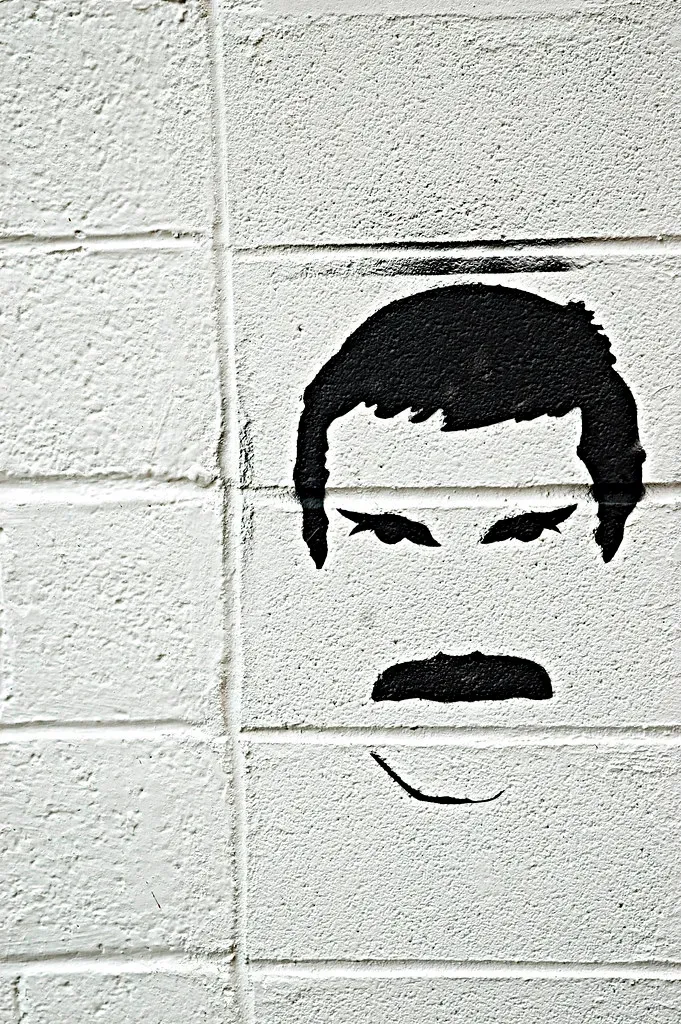
The video surpassed one billion views on YouTube in July 2019, making it the oldest music video to reach one billion on the platform, and the first pre-1990s song to reach that figure. When Queen released this operatic rock masterpiece in 1975, radio executives said no one would play a six-minute song. They were spectacularly wrong. In December 2018, “Bohemian Rhapsody” officially became the most-streamed song from the 20th century, surpassing Nirvana’s “Smells Like Teen Spirit” and Guns N’ Roses’ “Sweet Child o’ Mine,” and became the most-streamed classic rock song of all time.
In the UK, it went to number one for nine consecutive weeks, a record at the time, and is still the only song to have topped the UK charts twice at Christmas. The track defied every convention of pop music. It started as a ballad, exploded into opera, then smashed into hard rock. Nothing like it existed before. In 2022, the single was selected by the U.S. Library of Congress for preservation in the National Recording Registry as being “culturally, historically, or aesthetically significant.” Freddie Mercury essentially proved that ambitious, layered, genre-bending tracks could capture mass attention.
Strange Fruit by Billie Holiday – Music as Social Weapon
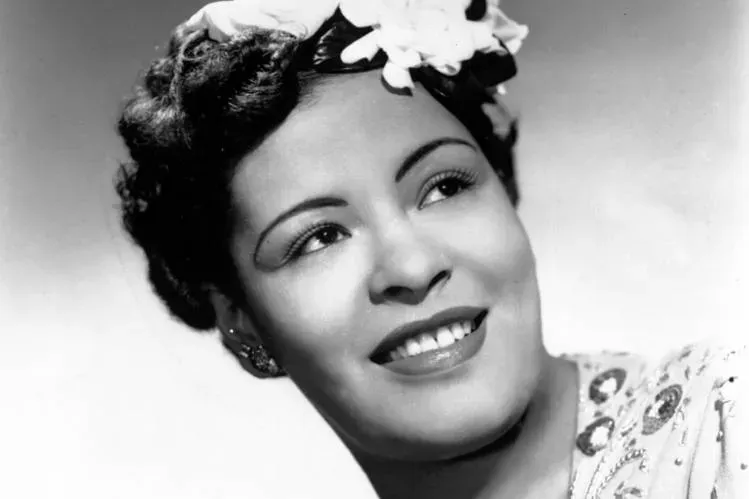
Performed by Billie Holiday in 1939, this haunting ballad shined a harsh spotlight on the brutal reality of racism in America, describing the lynching of Black Americans in the South. It remains one of the most chilling protest songs ever recorded. The song was so controversial that Holiday was often banned from performing it in certain clubs, and the FBI even tried to silence her. That’s how powerful it was.
This version went on to become Time magazine’s song of the century in 1999. Holiday didn’t just sing about injustice; she embodied the pain and trauma of an entire oppressed community. The song is often cited by historians and cultural critics as one of the earliest examples of protest music, laying the groundwork for generations of artists to use their voices for social change, with its impact evident in the way it has been covered by artists like Nina Simone and Andra Day. Before her, popular music rarely confronted these brutal truths head-on.
Rapper’s Delight by The Sugarhill Gang – Hip-Hop Enters the Mainstream
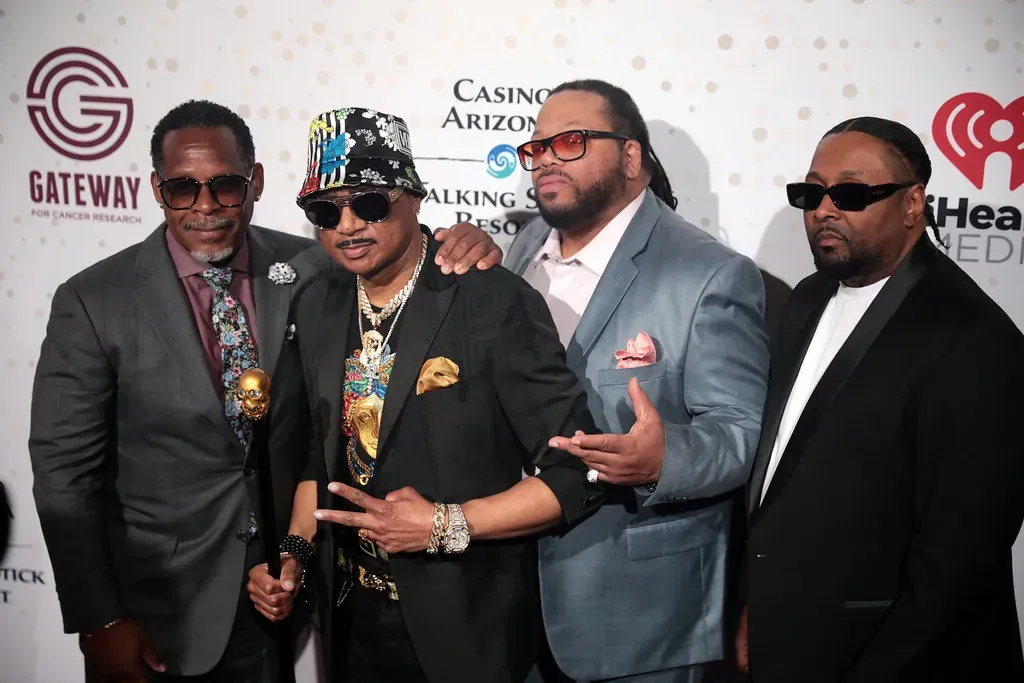
When “Rapper’s Delight” dropped in 1979, it changed the music landscape by introducing hip-hop to the mainstream, with the 14-minute original version showcasing playful rhymes over a funky Chic sample, becoming the first hip-hop single to hit the Billboard Hot 100. Think about that for a second. Before this track, hip-hop lived strictly in the underground, confined to block parties and local clubs. Suddenly, the entire world was paying attention.
According to the National Recording Registry, the song marked hip-hop’s arrival as a commercial force, paving the way for an entire genre that now dominates global music charts, with hip-hop now the most consumed genre in the United States, as per MRC Data’s 2023 report. This single fourteen-minute track opened floodgates. Every rap song you hear today owes something to this moment. The Sugarhill Gang proved hip-hop wasn’t just street culture; it was a movement waiting to happen.
Smells Like Teen Spirit by Nirvana – Grunge’s Explosive Mainstream Moment
Having sold over 13 million units worldwide, it is one of the best-selling songs of all time, and its success propelled Nevermind to the top of several albums charts and is often marked as the point when grunge entered the mainstream. Released in 1991, this track essentially demolished the shiny pop and hair metal that dominated the late eighties. Kurt Cobain’s raw vocals and distorted guitar riffs spoke to disaffected youth everywhere.
Nevermind by Nirvana catapulted Kurt Cobain into rock icon status, and the album served as the conduit for bringing grunge music into a popularity it hadn’t previously had. The song wasn’t supposed to be the big hit; The single was intended to be a base-building alternative rock cut from the album, and was not expected to be a hit. Yet campus radio stations couldn’t stop playing it. MTV aired the video constantly. Suddenly, Seattle became the epicenter of a cultural earthquake. This song would put an entire city on the world map, as from that day Seattle became synonymous with the Grunge revolution that took place there, and it was the trigger for a much bigger revolution than a musical one, a cultural revolution of the X generation.
Billie Jean by Michael Jackson – Breaking MTV’s Color Barrier
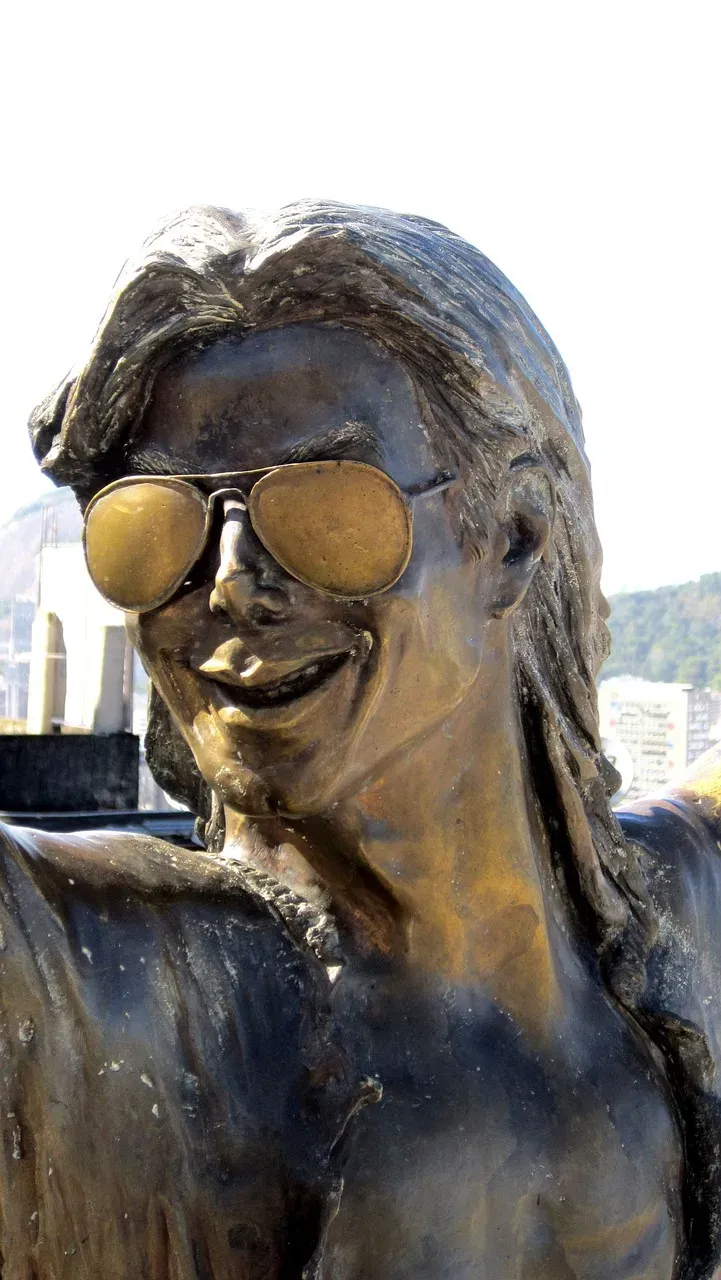
With its then-infamous bass line and revolutionary music video, it dismantled racial barriers on MTV and established Jackson as a global icon, breaking the color barrier on MTV while its iconic bassline and moonwalk dance routine created a pop culture phenomenon. Before Jackson, MTV rarely aired videos by Black artists. That changed with this track. The 1983 release forced the channel to reconsider its programming and opened doors for countless artists of color.
His 1983 music video for “Thriller” set a new standard for the medium, transforming music videos from simple promotional tools into elaborate, cinematic experiences. Jackson didn’t just produce hits; he revolutionized how artists presented themselves visually. His meticulous attention to choreography, production, and visual storytelling elevated pop music into an art form. The impact ripples through every music video you watch today.
Like a Rolling Stone by Bob Dylan – Rock Gets Literary
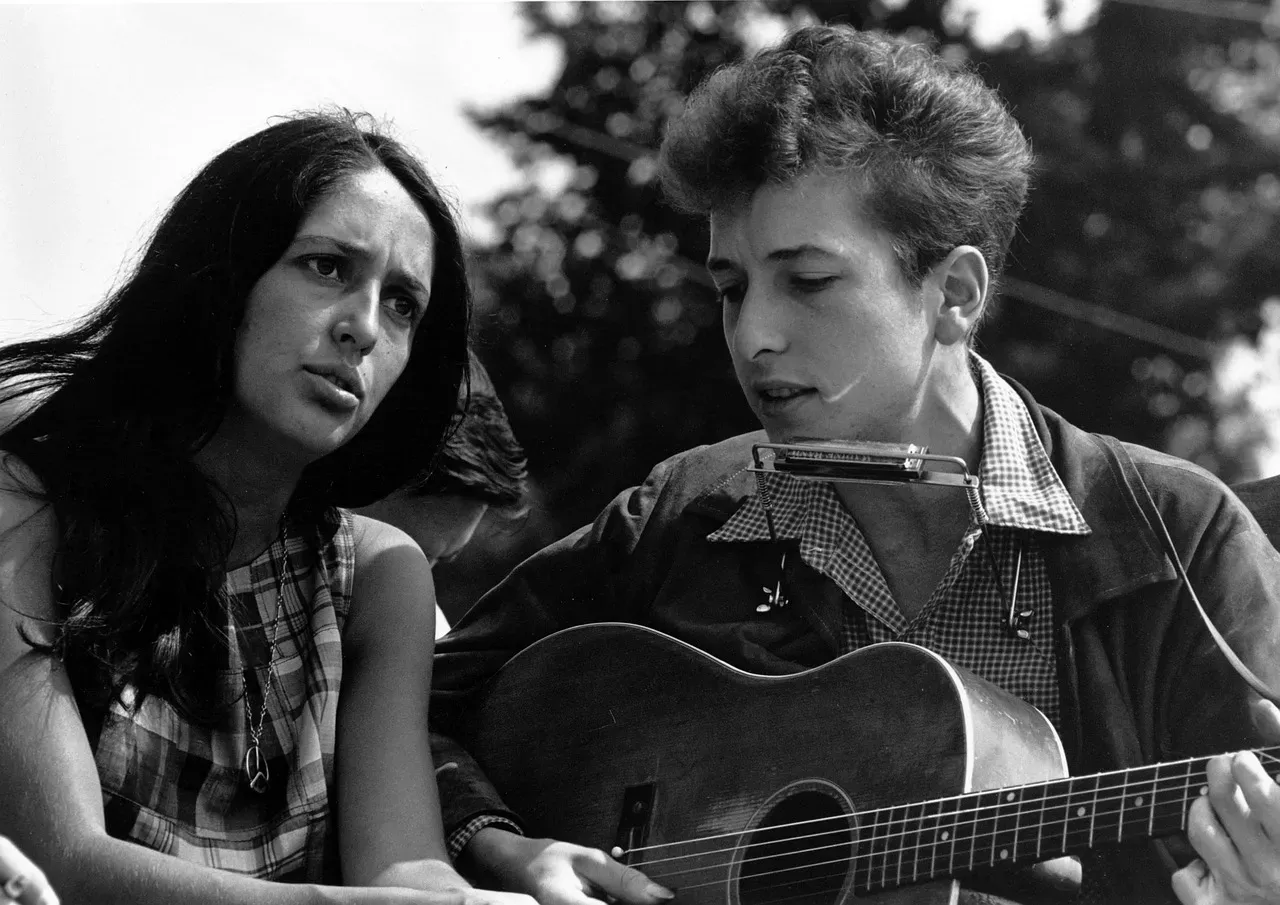
When Dylan “went electric” and released Like a Rolling Stone, it was a turning point for both folk and rock, with the song at over six minutes long defying the three-minute pop song formula and pairing snarling vocals with searing organ riffs. Radio stations initially resisted its length. Public demand forced them to play it. Dylan transformed rock from simple love songs into something far more complex and poetic.
The track elevated rock into an art form, showing it could carry the weight of poetry, storytelling, and social commentary. His lyrics weren’t about holding hands or teenage romance; they carried bitterness, social critique, and literary depth. Every introspective singer-songwriter who followed owes Dylan a debt for proving that pop music could be intellectually and emotionally challenging.