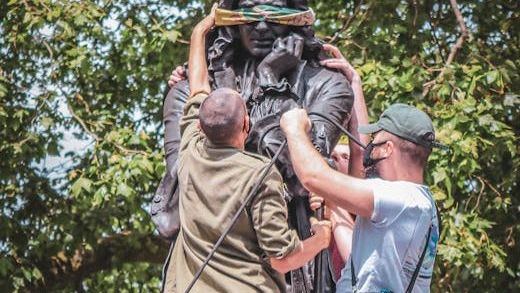
Somewhere between a pulled rope and a public reckoning, the conversation about who gets to stand in bronze changed dramatically. In the span of a few years, pedestals that had held the same figures for over a century were suddenly empty, and cities across the world were left to figure out what, if anything, should fill them.
The answers have been varied, contested, and sometimes surprisingly moving. Some sites gained new heroes. Others became open-air art spaces or quiet clearings for community life. A few remain empty still, the absence itself functioning as a statement. This is a tour through those sites, and what happened after the dust settled.
The Scale of What Happened

The Southern Poverty Law Center reported that at least 160 monuments were removed in 2020 after George Floyd’s death, more than the prior four years combined, and 73 Confederate monuments were removed or renamed in 2021, leaving about 723 Confederate monuments on public land as of 2022. The sheer speed was unlike anything in modern American civic history.
Between the beginning of June 2020 and the end of the year, eighty-seven Confederate monuments were removed. Of that number only nine were pulled down by extra-legal means. The rest were the result of decisions made by local and state governments. The image of mobs tearing everything down, it turns out, was not quite the full picture.
Monument Avenue, Richmond: Empty Pedestals as Art

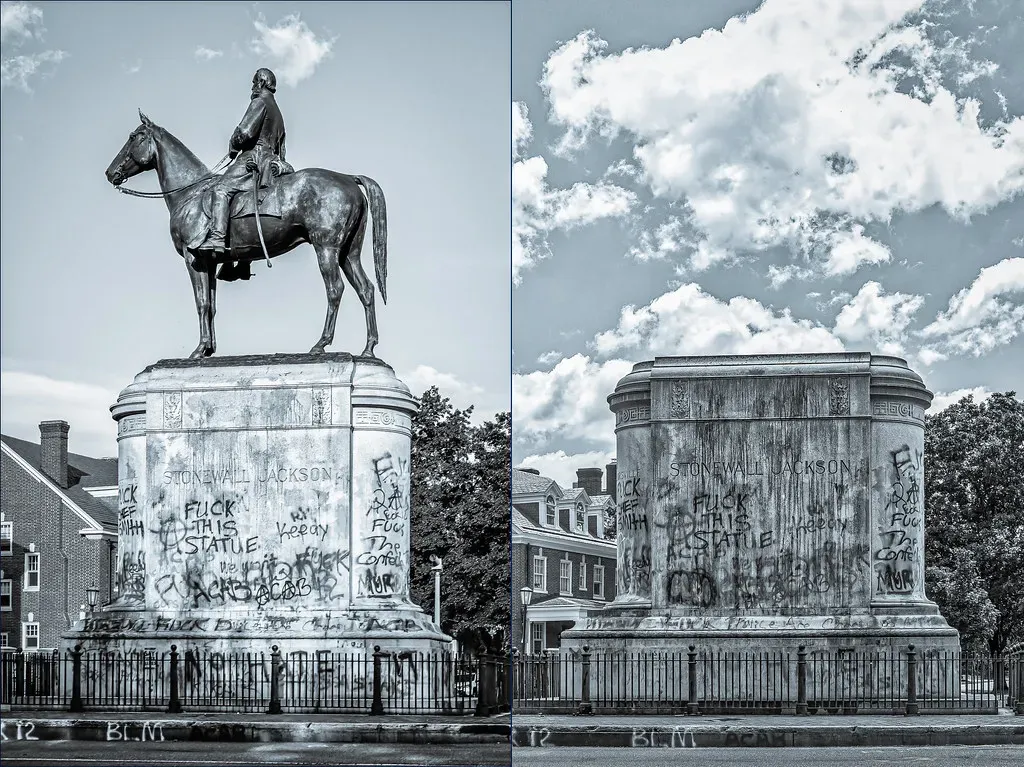
Ground zero was Monument Avenue in Richmond, Virginia, with a row of monuments dedicated to heroes of the Lost Cause. On June 10, 2020, protesters pulled down the statue of Confederate President Jefferson Davis. On July 1, Mayor Levar Stoney announced that he would use his emergency powers to order the removal of monuments on city property, and statues of J.E.B. Stuart, Stonewall Jackson, and Matthew Fontaine Maury came down that month.
The statue of Robert E. Lee in Richmond, Virginia, once towered over Monument Avenue as a symbol of the Confederacy. Removed in September 2021, its absence marked a seismic shift in how the city remembers its past. Today, the site has not been filled with a new statue, but instead has been transformed into a vibrant public gathering space. Community members now use the area for art installations and local events, many themed around unity, healing, and justice.
Jefferson Davis in a Museum: History Displayed on Its Back

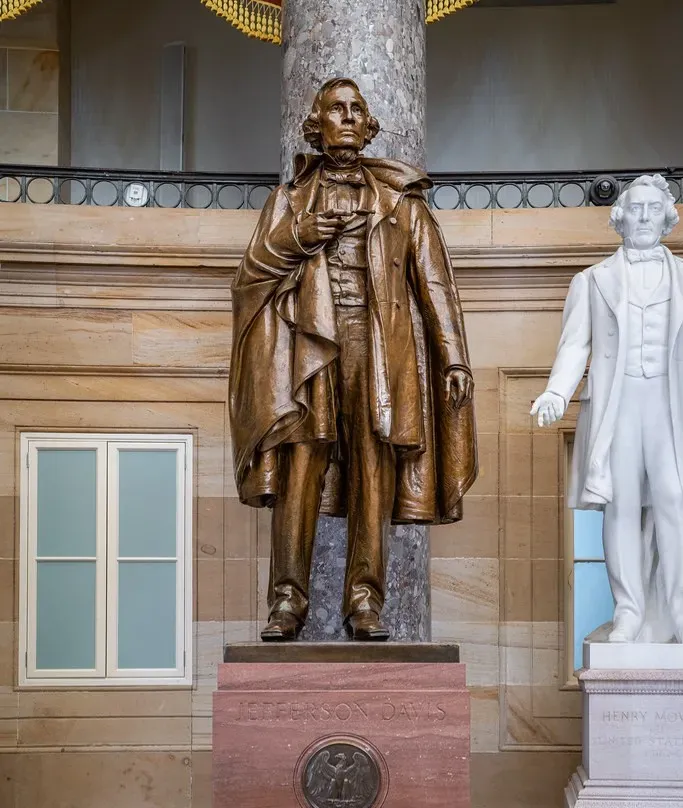
In June 2020, protesters in Richmond used ropes to pull down the bronze statue of Confederate leader Jefferson Davis, splashed paint on its surface and slung a toilet paper noose around its neck. Charged discussions over what should become of it followed. In 2022, the statue was carefully and controversially preserved in its degraded state and displayed on its back instead of its original upright position in a Richmond museum.
Moving the statue from its public perch on Monument Avenue and into a museum transformed it from a commemorative object glorifying its subject to a historical artifact. Presenting the statue in its prone and damaged state makes its removal the center of that historical story. This unscrubbed statue still allows viewers to consider why Davis was celebrated in the first place. Yet they can no longer avoid reckoning with those who refused to allow him to remain standing.
Robert E. Lee in the U.S. Capitol: Replaced by a Teenager

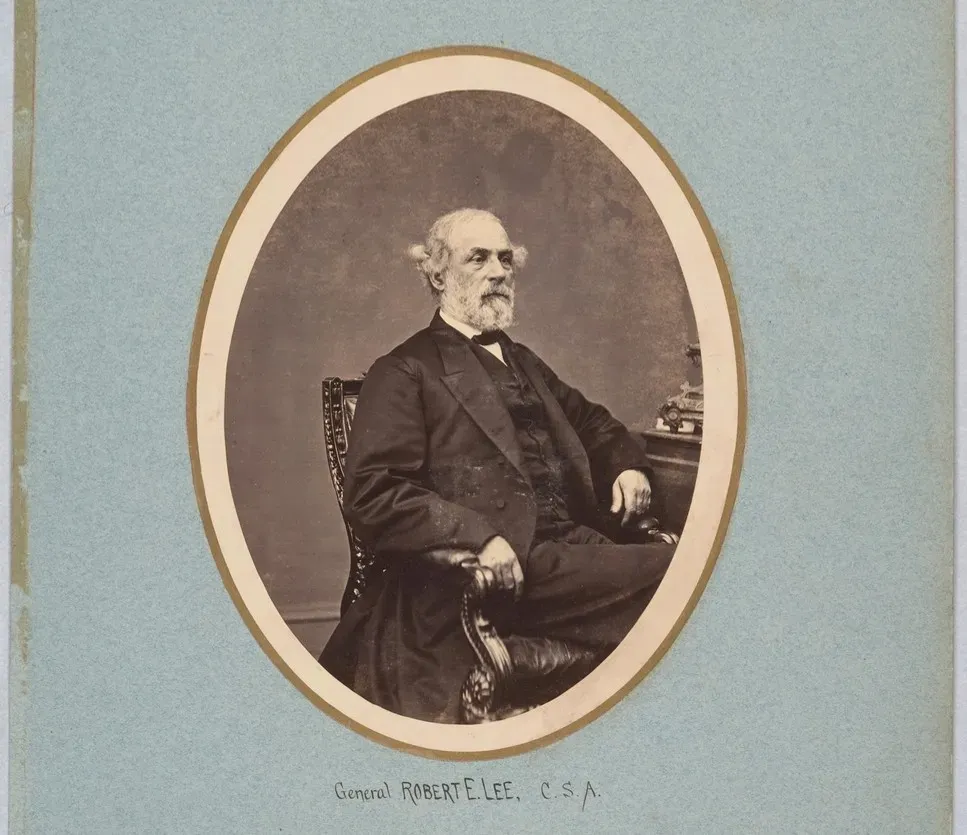
The statue of Lee was removed in December 2020 from the Capitol, where it had represented Virginia for 111 years. The removal occurred during a time of renewed national attention over Confederate monuments after the death of George Floyd, and it was relocated to the Virginia Museum of History and Culture. The vacancy took years to fill properly, but when it did, the choice was pointed.
The U.S. Capitol began displaying a statue of a teenaged Barbara Rose Johns as she protested poor conditions at her segregated Virginia high school, a pointed replacement for the Confederate general. Johns was 16 years old in 1951 when she led a student strike for equal education at the segregated R.R. Moton High School in Farmville, Virginia. The protest, led by Johns and hundreds of her classmates, sought to draw attention to the crowded, rundown conditions of their school. The students’ cause gained the support of NAACP lawyers, who filed a lawsuit that would become one of the five cases the U.S. Supreme Court reviewed in Brown v. Board of Education. In December 2025, her statue replaced that of Robert E. Lee as one of the two Virginians displayed in the U.S. Capitol.
Decatur, Georgia: A Civil Rights Hero Takes the Pedestal

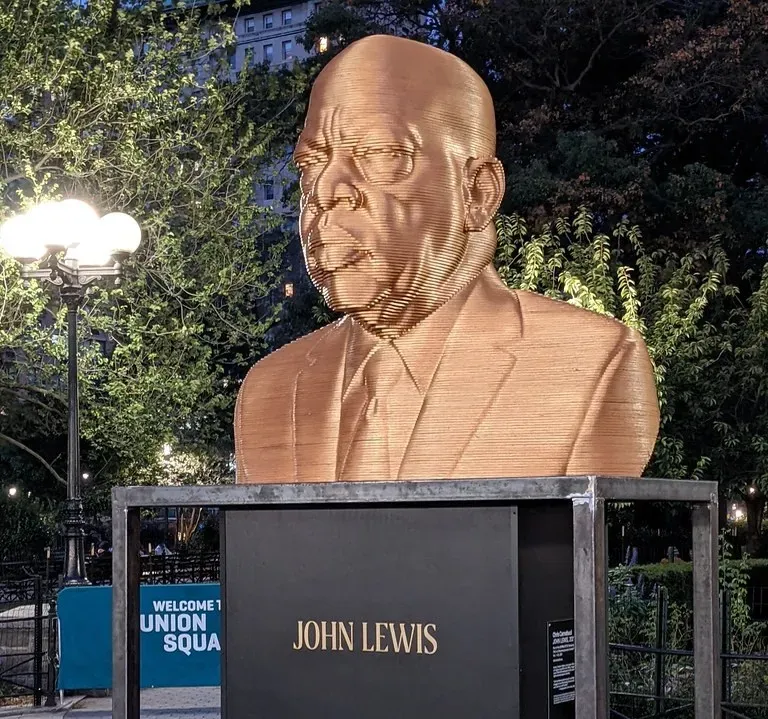
A 1908 Confederate memorial in front of the DeKalb County Courthouse in Decatur, Georgia, was removed in 2020, and in 2024 it was replaced with a statue of Civil Rights icon John Lewis. Lewis, who represented Georgia in Congress for over three decades, grew up near the area where his statue now stands.
After the DeKalb County Confederate Monument was taken down in June 2020, the city made a bold decision. In August 2024, a statue of the late Congressman John Lewis, a civil rights hero and local son, was unveiled on the site. The new monument stands as a tribute to Lewis’s legacy of nonviolence, courage, and hope. Community members gathered to witness the unveiling, many moved to tears at the sight of a leader who represented the best of their city. The statue has quickly become a gathering point for celebrations and remembrance, with school groups and activists alike visiting to pay their respects.
Edward Colston in Bristol: Into the Harbor, Then Into a Museum

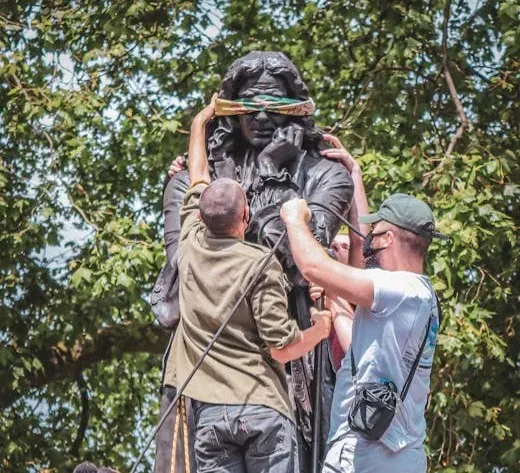
On June 7, 2020, the statue of Edward Colston was toppled, defaced, and pushed into Bristol Harbour during the George Floyd protests related to the Black Lives Matter movement. The plinth was covered in graffiti but remained in place. The statue was recovered from the harbour and put into storage by Bristol City Council, exhibited in its graffitied state in the M Shed museum during the summer of 2021, and permanently from March 2024.
The statue of slave trader Edward Colston in Bristol was briefly replaced by a sculpture by artist Marc Quinn of protester Jen Reid giving a Black Power salute. The unauthorized statue was on the plinth for just 24 hours before being removed by Bristol City Council. After Colston’s statue was removed, a petition began to have a statue of Paul Stephenson erected in its place. The former Bristol youth worker is a Black man who was instrumental in the 1963 Bristol Bus Boycott, which brought an end to a then-legal employment color ban in Bristol bus companies.
Charlottesville: Bronze Melted Down for New Art

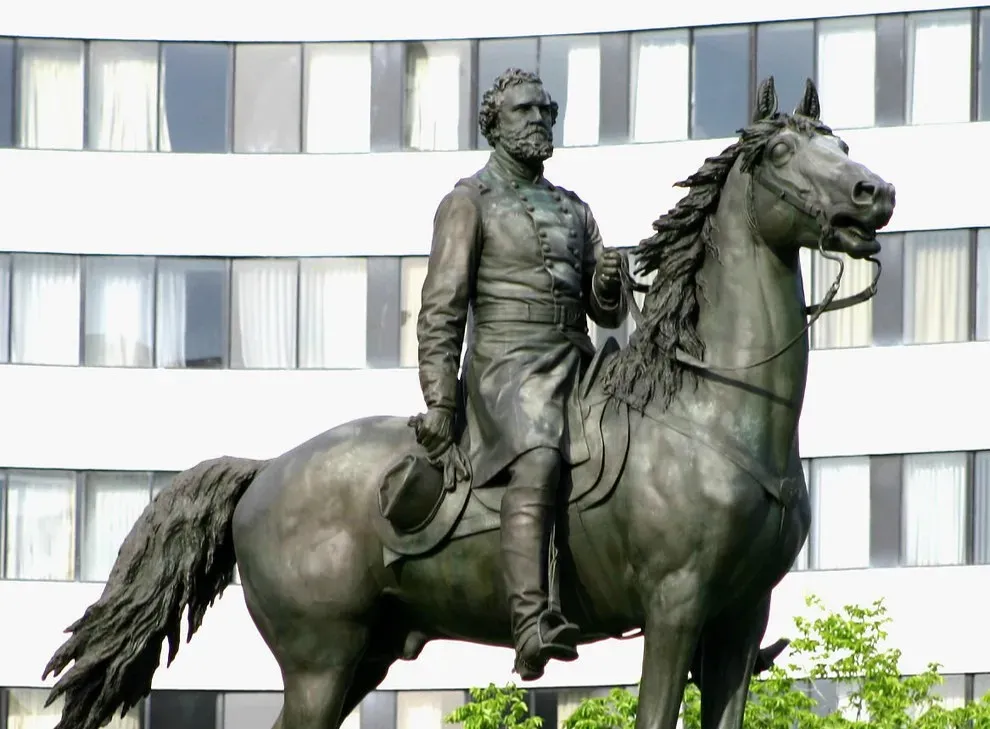
After the large outdoor bronze statue of Confederate General Robert E. Lee and his horse Traveller was removed from a park in Charlottesville in 2021, it was given to an organization that promised to disassemble it, melt it down, and reuse the statue’s material for a new work of public art. Part of a project called “Swords Into Plowshares,” the installation will be “one that turns historic trauma into an artistic expression of democratic values and inclusive aspirations.”
With most of the legal challenges resolved after the violent Unite the Right rally, and the statue of Robert E. Lee removed from its lofty pedestal in downtown Charlottesville, local lawmakers in December 2021 voted to donate the statue to the local Jefferson School African American Heritage Center. The nonprofit cultural group quickly announced its plan to melt down the bronze statue and use it as raw material for a new public artwork. What the group plans to build remains an open question, but it clearly will not be another statue honoring the Lost Cause of the Confederacy.
When the History of the Monuments Matters

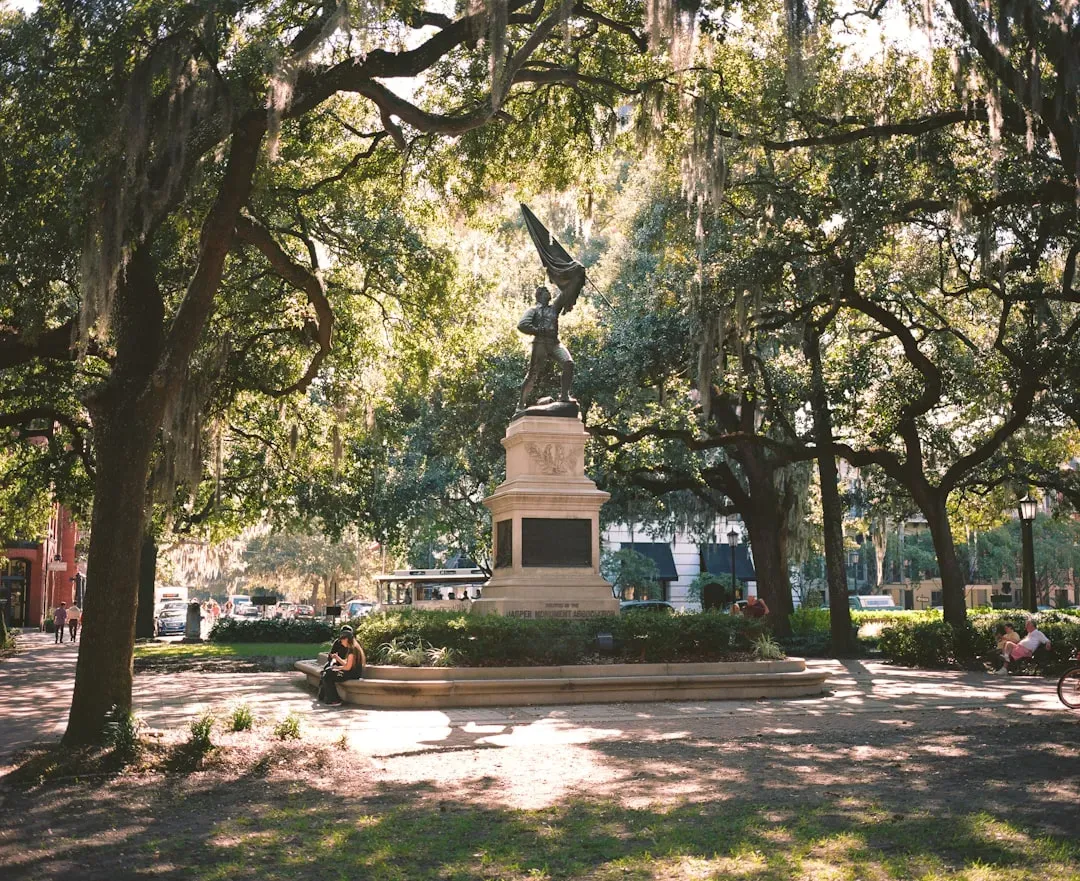
People are increasingly aware that most Confederate monuments and memorials were not built in the immediate aftermath of the war but a generation later, in the years between 1890 and 1915. This was the same period that saw the violent restoration of white supremacy in the southern states, including formal disfranchisement of Black voters, the creation of legal segregation, and the horror of lynching. That context reframes the question entirely.
For many of these communities it was the first time that the entire community had a voice as to whether a Confederate statue should remain or be removed. At the height of the Jim Crow era, when most of these monuments were dedicated, African Americans were legally prevented from taking part in public discussions about how best to use public spaces that their tax dollars helped to support. The removals, in that light, were not erasure. They were a correction.
The Pushback: Trump’s Executive Order and the Political Reversal

Upon his reelection in 2024, Donald Trump promised to restore the removed statues. On March 27, 2025, Trump signed an executive order titled “Restoring Truth and Sanity to American History” that instructed the Secretary of the Interior to determine whether public monuments, memorials, statues, or markers within the Department of the Interior’s jurisdiction had been removed or changed to perpetuate what the order called “a false reconstruction of American history,” and then take action to reinstate them.
At least 167 Confederate symbols were removed or renamed after the 2020 protests, but in 2022 there were still more than 2,000 Confederate memorials throughout the U.S. and its territories. The direct impact of Trump’s order will be limited, given that few toppled Confederate monuments were ever on federal land. In August 2025, the National Park Service announced that the statue of Albert Pike would be restored. The political argument over public memory, it seems, is far from settled.
What Gets Built Next: The Broader Question
Not a single statue was built to honor the legacy of a Black person until 1974, when the likeness of famed educator Mary McLeod Bethune became the first Black statue ever erected on federal lands. The Martin Luther King Jr. Memorial on the National Mall was not installed until 2011. That historical gap helps explain why so many communities, when given a vacant pedestal, chose to fill it with someone new rather than simply restore the old.
The Barbara Rose Johns statue now joins Sojourner Truth, Mary McLeod Bethune, and Rosa Parks as one of four Black women honored in the U.S. Capitol in statue form. The slow accumulation of those numbers reflects something real about who civic memory has historically centered, and who it has not. Empty plinths, new names, and redesigned public spaces are, at their core, arguments about the future told through the grammar of the past.