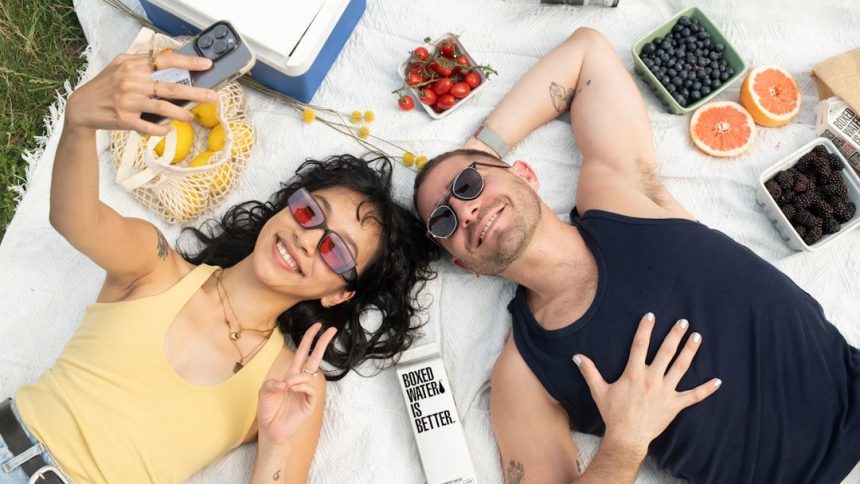
You have probably scrolled past dozens of travel ads promising paradise for a price tag that makes your wallet weep. Flights, hotels, airport stress, delayed baggage – it all adds up faster than anyone wants to admit. But here is a thought worth sitting with: what if the most indulgent, restful, and genuinely exciting vacation you could take is already within driving distance of your front door?
The staycation movement has quietly grown from a pandemic coping mechanism into a full-blown lifestyle choice. People are realizing there is nothing embarrassing about staying close to home – in fact, there is a real art to doing it well. Let’s dive in.
The Numbers Don’t Lie: Why Staycations Are Exploding Right Now


Let’s be real about one thing: travel in 2025 is genuinely expensive. Compared to 2024, average vacation expenses are expected to be up by nearly a quarter in 2025, according to a survey by Squaremouth. That is a staggering jump in a single year.
In the U.S., a one-week vacation for a solo traveler now costs about $1,984, while a family of four can easily hit around $7,936. Those numbers are hard to ignore when rent, groceries, and gas are all competing for the same paycheck.
So it makes complete sense that 54% of Americans are now planning a staycation in 2025, alongside the 86% who plan to travel out of state – making it clear that people are mixing both approaches instead of choosing one exclusively. The staycation is no longer a fallback plan. It has become a deliberate strategy.
The Market Has Noticed: Staycations Are Now a Serious Industry

The global staycation market is valued at around $410 million in 2025 and is on track to nearly double, reaching close to $944 million by 2035, growing at a strong rate of 8.7% annually. That is not a niche trend. That is a structural shift in how people rest and recharge.
The growth is driven by changing consumer preferences, with more individuals and families choosing short local getaways rather than long-distance international travel – a shift supported by rising fuel prices, increased awareness of environmental impact, and the flexibility of remote work.
North America leads the global staycation market with roughly a third of the total share in 2024, driven by robust infrastructure, high digital adoption, and frequent short-distance travel trends. Honestly, Americans were practically built for this lifestyle. The country is enormous, full of variety, and most people have barely scratched the surface of what is right nearby.
The Real Savings: What You Actually Keep in Your Pocket

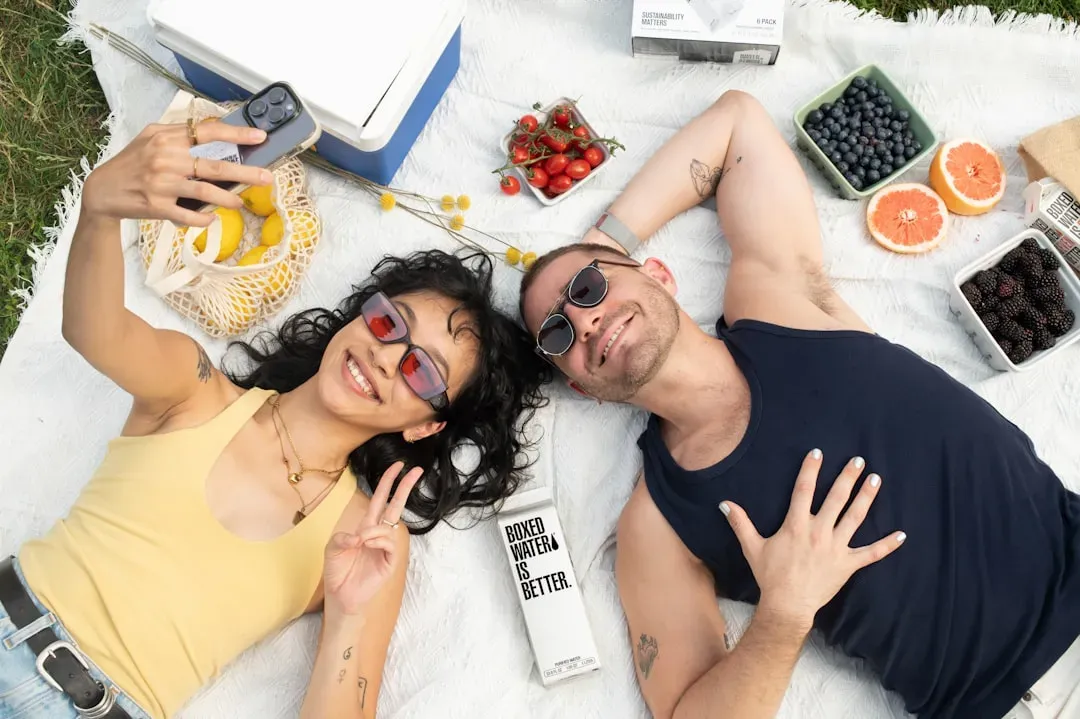
Here is where staycations shine in a way that is almost embarrassing for traditional travel. Staying local eliminates major expenses like airfare, accommodations, baggage fees, travel insurance, and currency exchange rates all at once. That is not cutting one cost. That is eliminating an entire category of spending.
The overwhelming majority of people who regularly take staycations – nearly nine in ten – say they consider it more affordable than a vacation abroad. That is not a perception gap. That is lived financial reality.
The average amount spent per person on a staycation comes in at around $928, with about a fifth of staycationers spending between $551 and $700 per person, and a small group spending less than $100. Compare that to a week abroad, and the math practically does itself. Even a modest staycation leaves serious money on the table for something else – like next year’s actual trip.
Play Tourist in Your Own City: The Psychology of Fresh Eyes

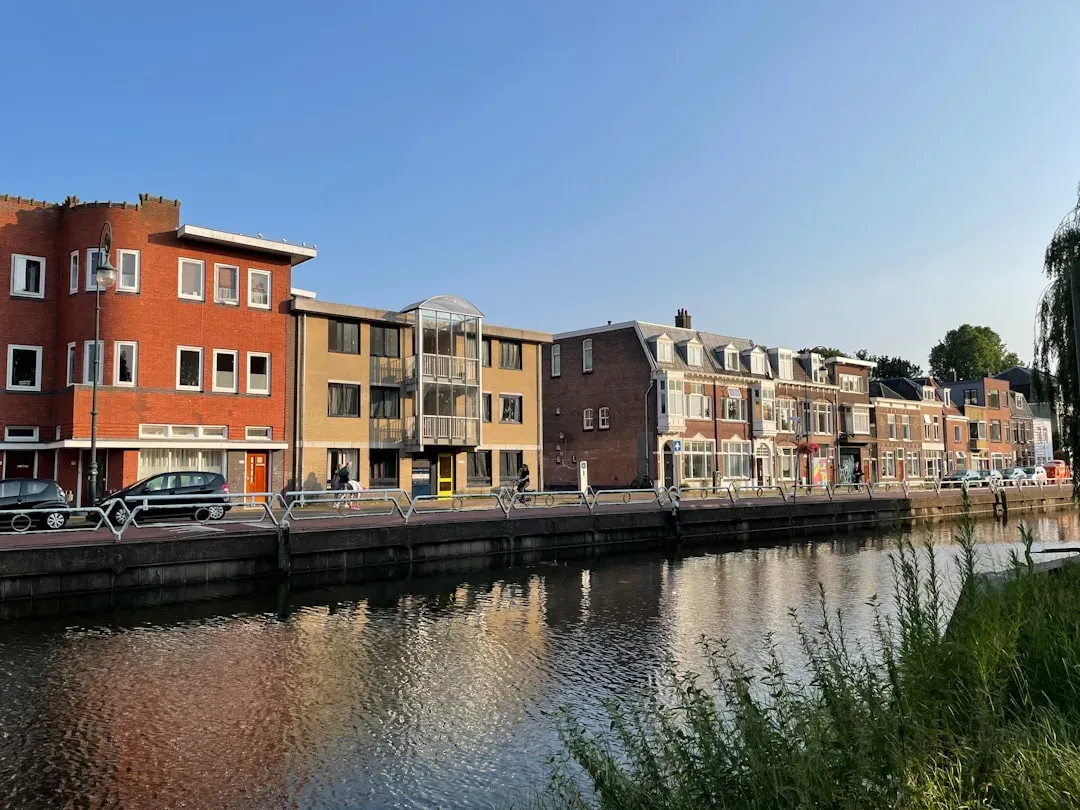
I think the most underrated part of a staycation is how radically it can shift your relationship with the place you already live. Most of us rush past our city’s attractions daily, saving them for “someday,” while tourists deliberately book accommodations specifically to experience what we overlook. That is a kind of local blindness, and a staycation forces you to snap out of it.
Beyond the famous institutions that everyone visits, there are often tiny museums dedicated to surprising and niche subjects that are genuinely fascinating – and major museums regularly rotate world-class special exhibitions, bringing collections to your city that would otherwise require international travel to see.
A quarter of Americans say they are now more interested in traveling near their home, with about six in ten believing they have not seen enough of the cities or attractions throughout the United States. That is both a confession and an opportunity hiding in plain sight. You do not need a passport for this one.
Spa Days and Luxury Without the Luxury Price Tag

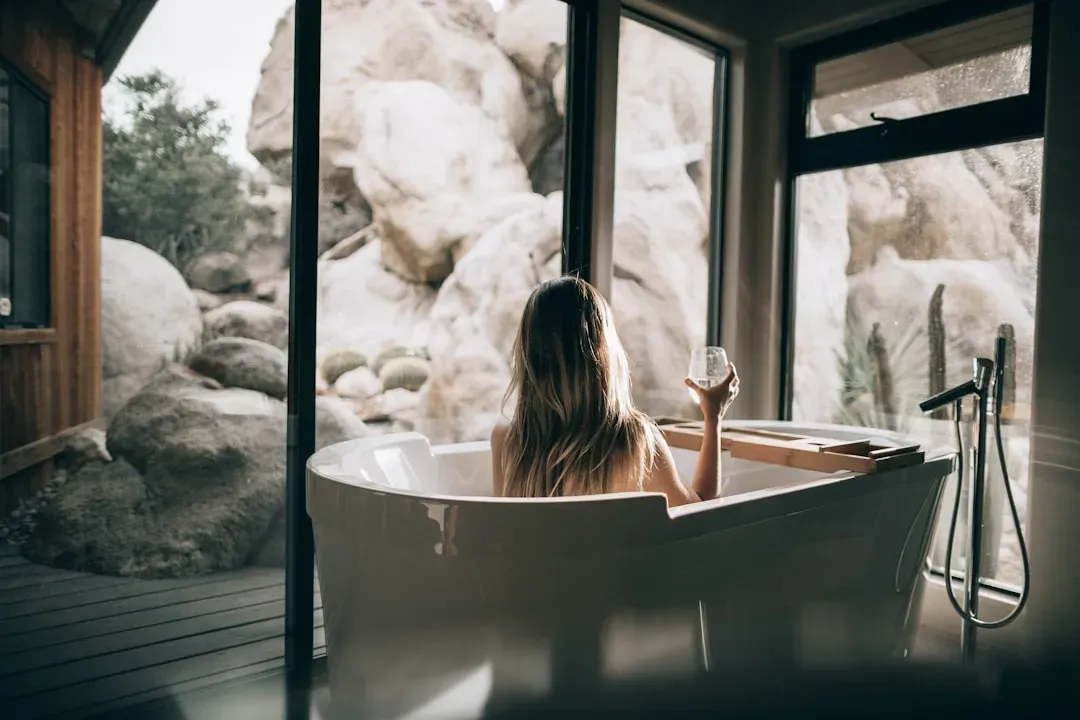
Here is where it gets genuinely exciting. One of the biggest myths about staycations is that you cannot access high-end experiences without paying full resort prices. That is simply not true in 2026.
Many of the world’s best hotel spas have now opened their doors to day guests through services like ResortPass, offering full-day access to incredible amenities – saunas, steams, whirlpools, relaxation rooms, and hydrotherapy – starting at as little as $35. That is the price of a decent lunch, in exchange for a day that feels like a five-star resort.
The global consumer wellness market is worth $1.8 trillion in 2024, according to McKinsey, and a significant and growing portion of that market is being shaped by local wellness seekers – not just international travelers. Hotels and spas have adapted accordingly, and local residents are increasingly the primary beneficiaries of that evolution.
The Art of Free (and Nearly Free) Local Experiences

Smart staycationers know how to stack free experiences like a poker player builds a winning hand. The trick is knowing where to look. Some libraries lend out free museum passes, several museums nationwide offer discounted admission days for local residents, the Smithsonian Magazine hosts an annual free museum day with participating institutions all across the country, and Bank of America cardholders can enjoy free museum admission one weekend per month through its Museums on Us program.
Summer concert series in public parks, holiday markets showcasing local artisans, and ethnic heritage festivals happen regularly in most cities and are usually free or very affordable. That is a social calendar that does not require a credit card swipe to access.
Most national parks in the U.S. are free to enter and there is at least one in each state, making them easily accessible for many people – and if you can camp, picnic, and hike, they can be extremely kind to your wallet. Fresh air and adventure do not come with an invoice.
The Food Strategy: Eating Like a Local Means Eating Like a King
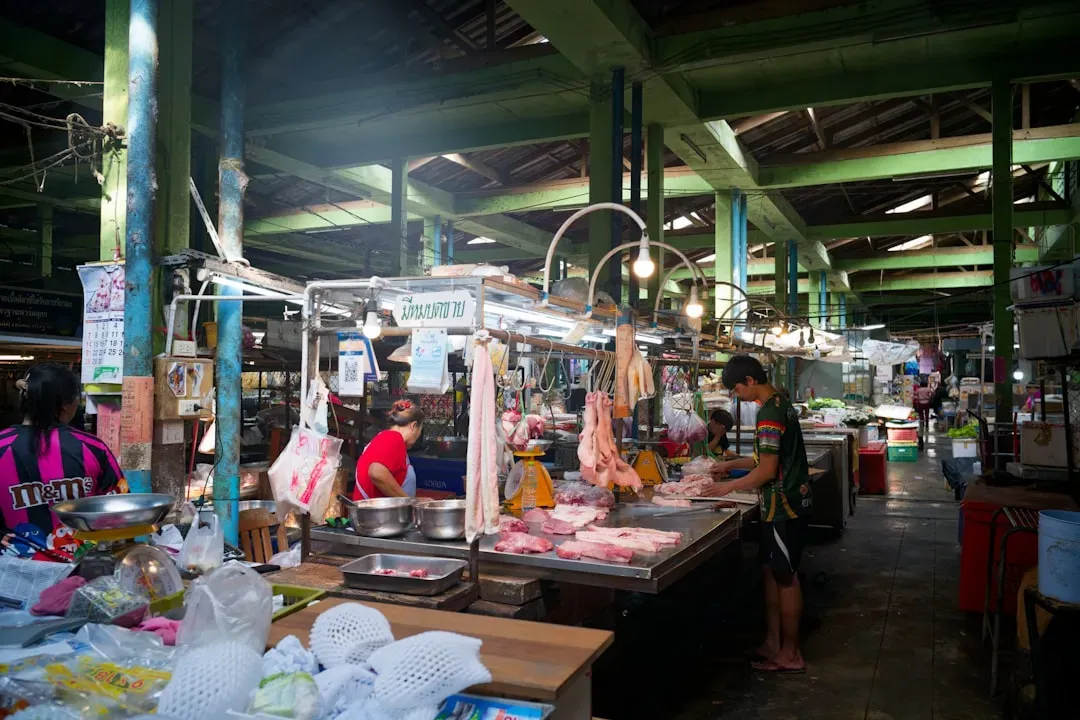
Food is where most traditional vacations hemorrhage money without anyone noticing until the credit card statement arrives. The average daily cost of food per person while traveling on a conventional vacation is around $58, with the average cost per meal coming in at $23. That adds up painfully fast across a week away.
A staycation changes this equation completely. You can turn your staycation into a genuine culinary journey by exploring your area’s food scene – discovering family-owned eateries and trying regional specialties, visiting local food festivals or farmers’ markets to sample local delicacies, or creating your own food tour by visiting several establishments in a single day.
Good local food is a major preference among staycationers, especially when it is both accessible and affordable. Think farmers market mornings, a cooking class or two, a charcuterie board assembled from scratch – this is leisure that doubles as discovery, not a race between overpriced tourist traps.
Wellness Tourism at Home: The Staycation Meets the Spa Revolution
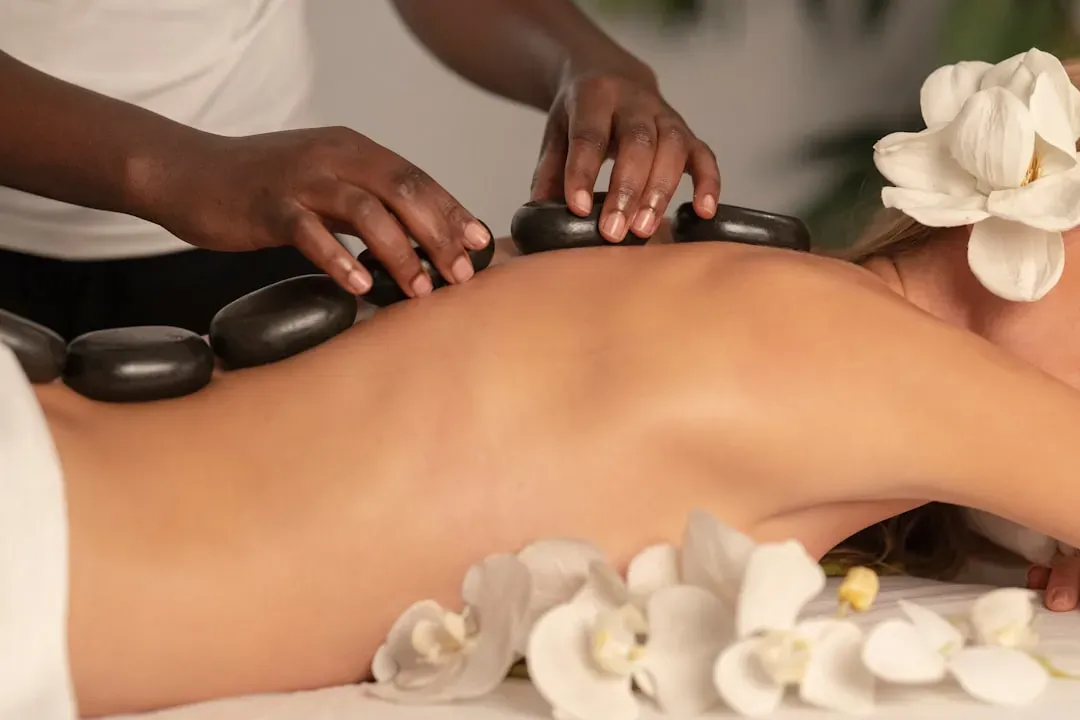
The wellness angle of the modern staycation is genuinely transformative. The staycation market is also benefiting from the surge in wellness tourism, with more travelers seeking wellness retreats, nature escapes, and leisure experiences close to home. It’s a natural pairing – rest and recovery should not require a 14-hour flight.
Wellness travel in 2024 and 2025 encompasses a wide variety of experiences, as hotels and resorts are increasingly expanding their offerings to include spas, fitness centers, thermal baths, reiki, yoga, and meditation sessions. You do not have to stay in the hotel to access those amenities. Day passes have changed the game entirely.
Wellness holds a dominant share of the staycation market, driven by the increasing focus on health and self-care – with many seeking relaxation through spa retreats, yoga, and wellness activities, since modern lifestyles make wellness staycations a genuinely popular way to recharge both physically and mentally. Honestly, that sounds less like a compromise and more like exactly what most people actually need.
The Planning Mindset: Structure It Like a Real Vacation


Here is something many people get wrong on staycations: they drift into it with no plan and wonder why Monday feels the same as Tuesday. The best approach is to plan out your days like you would a real vacation – with intention, themes, and something to look forward to each morning.
Adding structure by giving your staycation a theme – like “local explorer” focusing on historical tours, street art, and parks, or “self-care” featuring spa days, journaling, and yoga – dramatically elevates the experience. It turns a free weekend into something that feels curated and memorable.
Planning what you’d like to do during your staycation – and budgeting for it – allows you to have a genuine escape from everyday life without any financial regrets afterward. That last part matters enormously. A vacation that leaves you stressed about money is barely a vacation at all.
Who Is Doing This – and Why Younger Travelers Are Leading the Charge

It would be easy to assume staycations are for people who have run out of options. The data tells a completely different story. The 16 to 25 age group is expected to grow at the fastest rate within the staycation market through 2035, driven by increasing interest in budget-friendly local getaways – with younger travelers embracing staycations as affordable alternatives to international travel, often seeking unique, off-the-beaten-path experiences that blend relaxation and adventure.
Social media trends and influencer-driven content play a key role in shaping these preferences, with younger travelers gravitating toward short, visually compelling trips that can be easily shared. The staycation aesthetic is real – and it photographs beautifully when done right.
Research shows a noticeable staycation interest increase that began well before the pandemic and has continued to grow, suggesting this is not a temporary reaction to crisis but a genuine and lasting shift in how people think about leisure. The generation that will define travel in the next decade is already voting with its time and its wallet. They are staying closer to home, spending smarter, and – this is the part nobody talks about enough – often having a better time for it.
Conclusion: The Best Trip You Have Not Taken Yet Is Right Outside Your Door

There is a quiet revolution happening in how people rest, explore, and recharge. It does not involve airport security lines, checked baggage fees, or a week of jet lag recovery. It involves looking at what is already around you – your city, your region, your neighborhood – and deciding to actually show up for it.
The staycation playbook is not about settling for less. It is about spending less to experience more. From spa day passes that rival five-star resorts, to free museum events, to food tours in your own backyard, the ingredients of a genuinely luxurious break are often sitting right there, waiting to be noticed.
The real question is not whether you can afford to travel far. It is whether you have truly explored what is already nearby. Have you? What would you discover if you actually tried?