
Ever wondered what chaos, brilliance, or sheer luck went into creating the books we can’t put down? The truth is, most literary masterpieces weren’t born in peaceful writer’s retreats with perfectly brewed coffee. They emerged from wild circumstances, personal disasters, and moments of unexpected inspiration that sound more like fiction than the novels themselves.
Here’s the thing: the process behind these books is often more gripping than the plots we devour. From gambling debts in Vegas-style desperation to fever dreams and prison cells, the real stories reveal something raw about creativity. Let’s dive in.
Frankenstein: A Teenage Dare Gone Legendary

Mary Shelley was only eighteen when she conjured up one of literature’s most enduring monsters. She wasn’t sitting alone in some Gothic mansion, plotting her masterpiece. Instead, she was stuck indoors during a dreary Swiss summer in 1816 with her lover Percy Shelley, Lord Byron, and a few others.
Byron suggested they each write a ghost story to pass the time. Most of them gave up or produced forgettable tales. Mary, however, had a nightmare about a scientist bringing a corpse to life, and boom – Frankenstein was born.
What really strikes me is how young she was when she created something so philosophically complex. The novel explores creation, responsibility, and isolation in ways that still resonate today. She finished it at nineteen, proving that sometimes the best art comes from youthful audacity mixed with dark imagination.
On the Road: Fueled by Benzedrine and a Twenty-Foot Scroll

Jack Kerouac didn’t just write On the Road. He attacked it. In April 1951, he taped together sheets of paper into a 120-foot scroll, fed it into his typewriter, and basically didn’t stop for three weeks.
Fueled by coffee and Benzedrine, he typed almost continuously, channeling his cross-country adventures with Neal Cassady into one breathless, spontaneous manuscript. The scroll had no paragraph breaks, no chapter divisions – just pure stream-of-consciousness energy.
Publishers initially rejected it, calling it unpublishable chaos. It took six years and heavy editing before Viking Press finally released it in 1957. The crazy part? That raw, scrolling version captured the restless spirit of the Beat Generation better than any polished draft could have. Kerouac proved that sometimes you have to break all the rules to create something truly revolutionary.
The Gambler: Dostoevsky’s Desperate Race Against Time

Fyodor Dostoevsky found himself in a nightmare scenario in 1866. He’d gambled away his money, owed massive debts, and had signed a contract promising his publisher a new novel by a certain deadline. If he missed it, the publisher would own the rights to all his future work for nine years.
With just weeks left, Dostoevsky hired a stenographer named Anna Snitkina. He dictated the entire novel The Gambler in twenty-six days. She transcribed frantically while he paced and narrated, channeling his own gambling addiction into the protagonist.
The novel draws directly from his experiences losing fortunes in European casinos, particularly in Germany. It’s raw, confessional, and desperate – exactly what you’d expect from someone writing under that kind of pressure. Oh, and he married Anna the following year. Sometimes deadlines create more than just books.
To Kill a Mockingbird: Harper Lee’s Only Novel That Changed Everything

Harper Lee worked as an airline reservation agent in New York, writing in her spare time, when friends gave her a Christmas gift in 1956: a full year’s wages so she could quit her job and focus on writing. That single act of generosity gave us To Kill a Mockingbird.
She spent two and a half years writing and revising the manuscript with her editor Tay Hohoff. The original draft was apparently a mess – more like a collection of short stories than a cohesive novel. Hohoff pushed Lee to reshape it completely.
The book won the Pulitzer Prize in 1961 and became required reading in schools across America. Lee never published another novel during her lifetime, though Go Set a Watchman appeared in 2015 as a controversial earlier draft. She once said she’d said what she had to say. One perfect book was enough.
A Clockwork Orange: Burgess’s Fury After a Tragic Attack
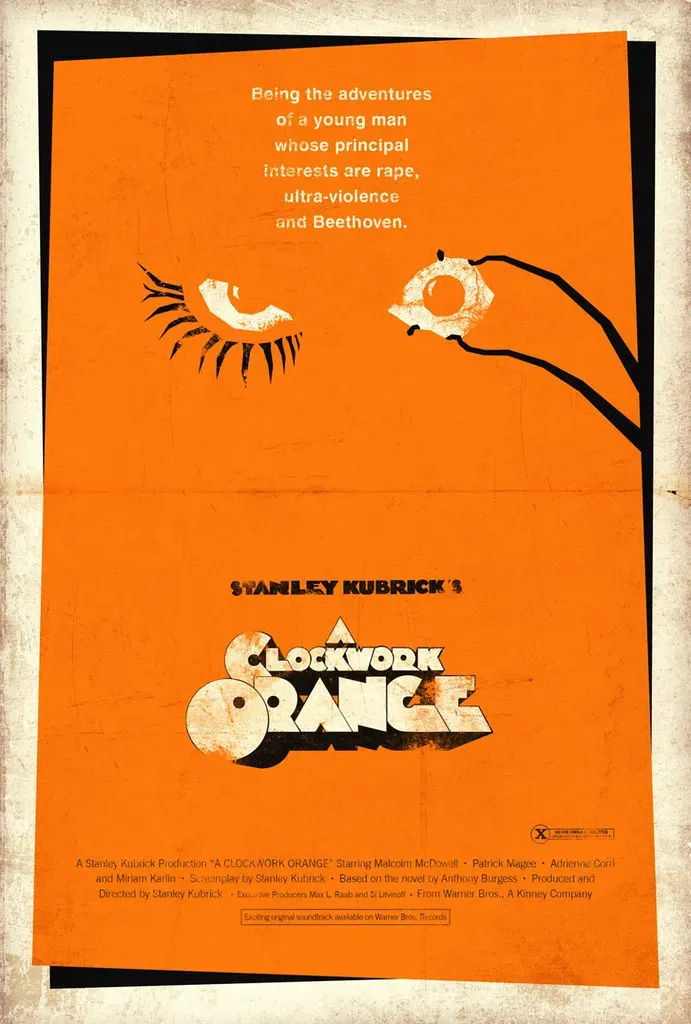
Anthony Burgess wrote A Clockwork Orange in a state of rage. In 1944, his pregnant wife was attacked by four deserters during the London blackouts. She lost the baby, and though she survived, the trauma haunted Burgess for years.
When he sat down to write the novel in 1962, he channeled that anger and helplessness into Alex and his droogs, creating a disturbing exploration of violence, free will, and redemption. The invented slang – Nadsat – came from Russian and Cockney rhyming slang, giving the violence a strange, almost poetic quality.
Burgess later expressed mixed feelings about the book, especially after Stanley Kubrick’s film made it a cultural phenomenon. He felt it overshadowed his other work. Still, there’s something undeniably powerful about art born from personal tragedy, even when the creator later wishes it hadn’t defined their legacy.
In Cold Blood: Capote’s Six-Year Obsession
Truman Capote read a short newspaper article about a Kansas family murdered in 1959 and became obsessed. He convinced The New Yorker to send him to Kansas to report on it, bringing along his friend Harper Lee for support.
What started as a magazine piece turned into a six-year project. Capote interviewed everyone involved – townspeople, investigators, and eventually the killers themselves, Perry Smith and Richard Hickock. He formed a complicated relationship with Smith, visiting him on death row repeatedly.
The book invented the “nonfiction novel,” blending journalistic reporting with literary techniques. Capote claimed he took no notes, relying entirely on memory to recreate conversations. Whether that’s entirely true remains debatable, but In Cold Blood revolutionized true crime writing. The emotional toll on Capote was severe though – he never completed another book.
The Lord of the Rings: Tolkien’s Escape From War
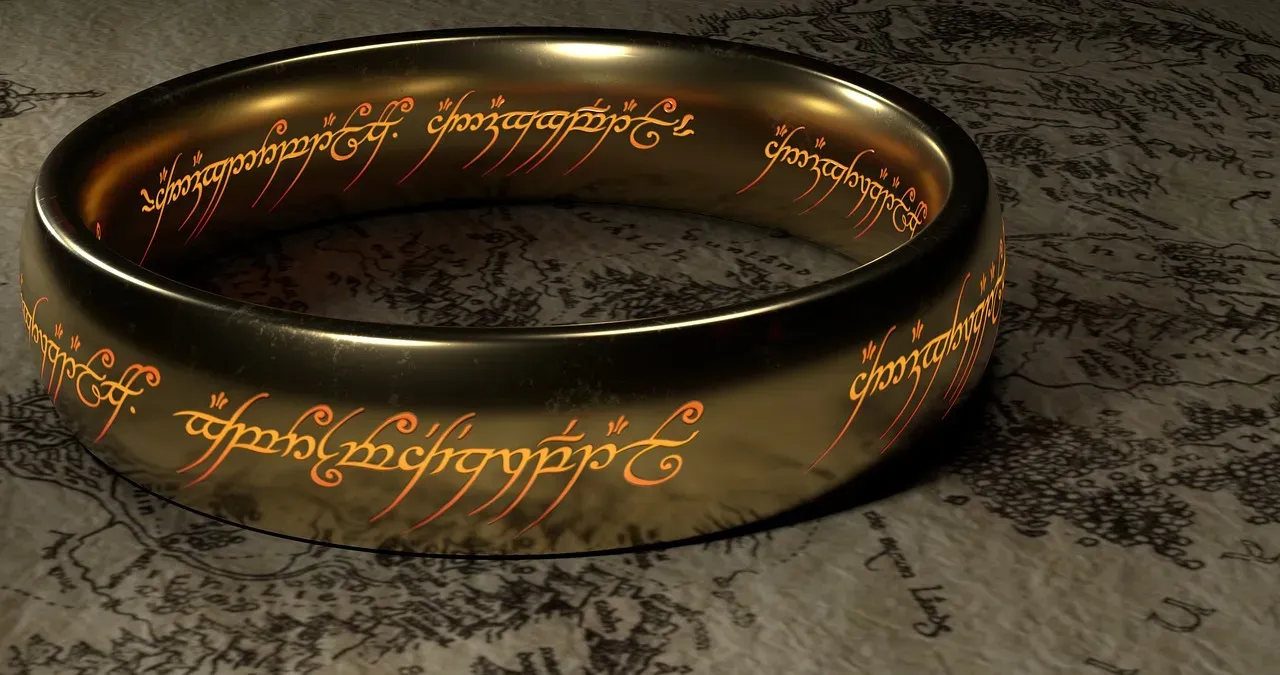
J.R.R. Tolkien began creating Middle-earth while recovering from trench fever during World War I. The horrors he witnessed in the Battle of the Somme seeped into his fantasy world, particularly the Dead Marshes and the darkness of Mordor.
He spent over twelve years writing The Lord of the Rings, mostly at night after teaching at Oxford. His son Christopher typed and retyped the manuscript countless times as his father revised obsessively. Tolkien invented entire languages, drew maps, and created thousands of years of fictional history.
Publishers initially rejected it as too long and uncommercial. When it finally came out in three volumes between 1954 and 1955, it slowly built a cult following. Now it’s one of the best-selling novels ever written, proving that passion projects can find their audience, even if it takes decades.
Dune: Herbert’s Desert Research in Oregon

Frank Herbert wasn’t thinking about science fiction when he traveled to the Oregon coast in 1957. He was researching an article about sand dunes and government efforts to stabilize them. But watching the dunes shift and move sparked something bigger in his imagination.
He spent six years researching ecology, religion, politics, and philosophy, weaving them into a complex desert planet. Publishers rejected Dune twenty times before a small automotive manual publisher took a chance on it in 1965.
Herbert drew inspiration from Middle Eastern cultures, environmental science, and his own struggles with authority and religion. The book initially sold slowly but became a massive success through word-of-mouth. It’s hard to say for sure, but Dune probably wouldn’t exist without those Oregon sand dunes that mesmerized Herbert. Sometimes the strangest starting points lead to the most extraordinary destinations.
One Flew Over the Cuckoo’s Nest: Kesey’s Night Shift Inspiration
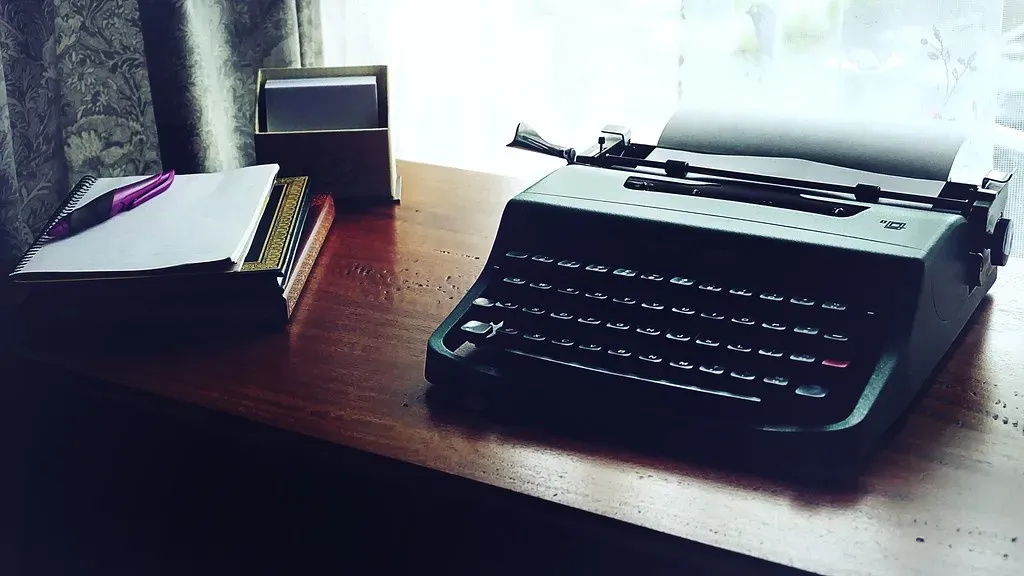
Ken Kesey worked night shifts as an orderly at a psychiatric hospital in Menlo Park, California, in 1960. He also volunteered for government experiments testing psychoactive drugs like LSD and mescaline. Yes, really.
Those combined experiences – observing institutional power dynamics while his mind expanded on psychedelics – gave him the perspective to write One Flew Over the Cuckoo’s Nest. He wrote parts of it while actually on LSD, trying to capture altered states of consciousness.
The novel challenged how society treated mental illness and authority structures. Chief Bromden’s narration, written from the perspective of a patient pretending to be deaf and mute, emerged directly from Kesey’s observations on the ward. The book sparked debates about psychiatric treatment that continue today. Kesey’s willingness to blur the lines between sanity and madness created something genuinely groundbreaking.