There’s a particular silence that falls over a studio marketing floor when the review embargo lifts and the numbers aren’t what anyone hoped. Trailers had looked sharp. Buzz was decent. Posters were everywhere. Then the first wave of critics weighed in, and what followed wasn’t quite the triumph the greenlight meeting promised. This isn’t a list of films that were always expected to fail. These are movies that came into their release with genuine momentum – real budgets, known names, established franchises – and then landed softer than anyone had planned. The gap between expectation and result is where the real story lives.
Joker: Folie à Deux (2024)


The original 2019 Joker was a genuine phenomenon. It earned over a billion dollars worldwide, won Joaquin Phoenix an Oscar, and generated the kind of cultural conversation that studios dream about. A sequel felt almost inevitable, and anticipation ran high when it was confirmed that Lady Gaga would co-star and the story would take a musical direction.
Critics and fans alike lambasted the film for its disjointed narrative and tonal inconsistencies. Director Todd Phillips stuffed too many genres at once – a courtroom drama with notes of social satire and psychological thriller, wrapped in a jukebox musical format – and the result was a chaotic and overindulgent mess that made audiences justifiably angry. With a whopping 31% on Rotten Tomatoes, Joker 2 was panned for trying to do too much and failing on many accounts, especially when it came to the musical numbers.
Megalopolis (2024)

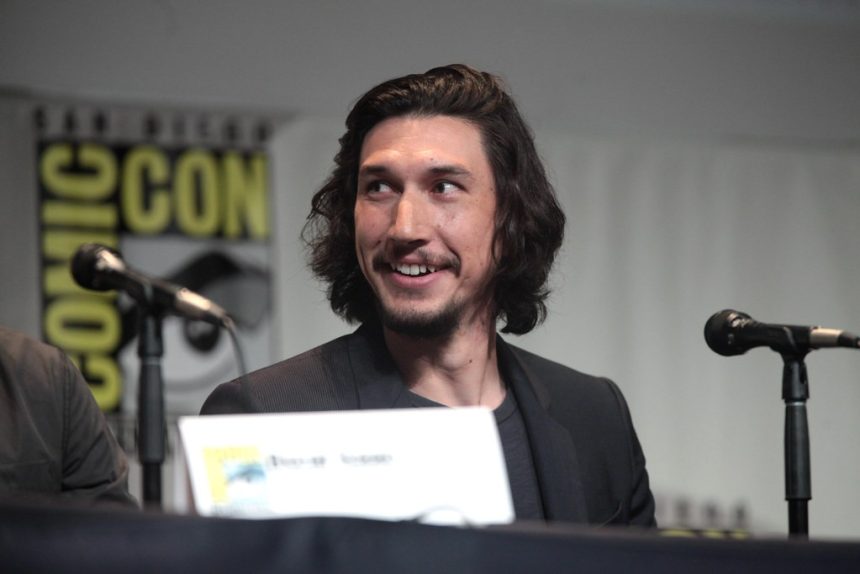
One of the most unexpected failures of 2024 was Francis Ford Coppola’s Megalopolis. Deemed a passion project decades in the making, the film centers on Cesar, a genius who wants to usher in a new utopian era, and his opponent, Mayor Franklyn Cicero. Considering Coppola’s name was behind the camera, many pegged it as having the potential to be one of the greatest movies of the year.
Megalopolis grossed a minuscule $13 million at the box office on a budget of $120 million. The film also received a 45% on Rotten Tomatoes. Critics and audiences alike were disappointed, with the film criticized for being a chaotic mess that failed to bring its many ideas to fruition. For a filmmaker with Coppola’s legacy, that outcome stung in a way few box office numbers really do.
The Crow (2024)

Starring Bill Skarsgård as the titular vigilante and alternative pop singer FKA Twigs, the 2024 reimagining was a commercial and critical bomb. With about 15 years in development hell, The Crow had plenty of time to conjure up a compelling update. That didn’t seem to be the case, however, since the results were nothing more than soulless and shallow.
Standout misfires included the film’s lackluster writing and the bland chemistry between Skarsgård and Twigs, which left the emotional weight of the story to fall flat. While the original The Crow is still considered a masterpiece for its dark tone and is remembered for the heartbreaking legacy of actor Brandon Lee, this remake offered little to justify why it was made. Sometimes a long development cycle is a warning sign, not a badge of dedication.
Reagan (2024)
Rather than presenting a nuanced, unbiased take on Ronald Reagan’s life and presidency, Reagan depicts him as a hero to worship by erasing his controversies and glossing over critical aspects of his career. This lack of depth leaves the film feeling more like a glorified biography than a serious exploration of a political figure. Despite spending years being developed, the biopic fails to take time to deliver meaningful insights.
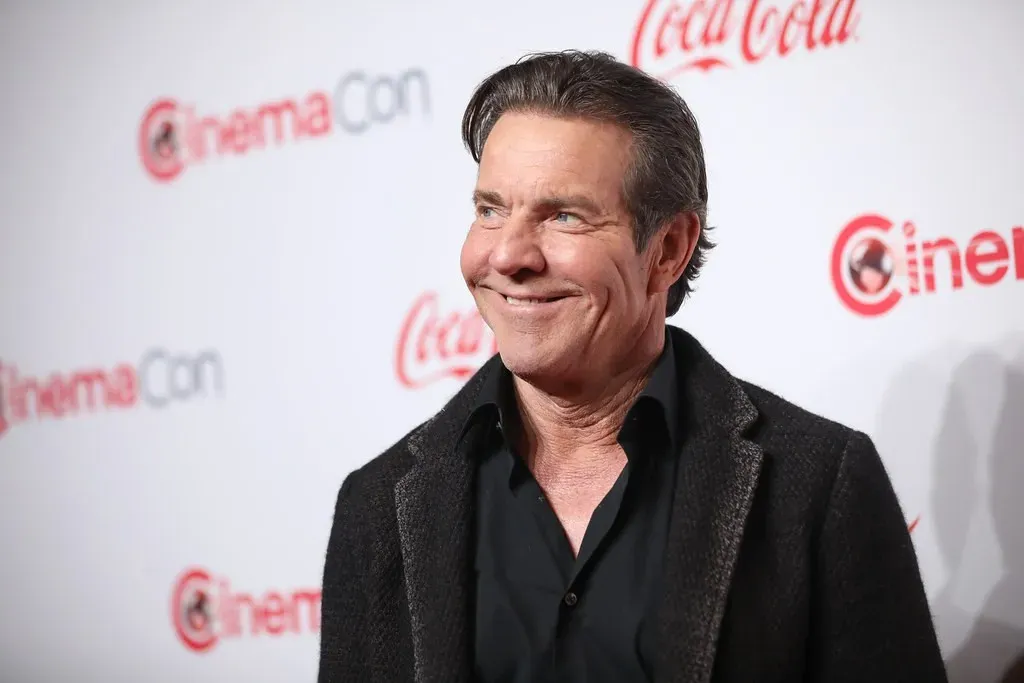
The film earned a collective 18% “rotten” rating from 68 Rotten Tomatoes critics, but that didn’t deter audiences from going to see the movie anyway. Dennis Quaid gives an earnest performance as the titular president, but even his efforts can’t save the one-dimensional script or biased direction. It’s the kind of movie that serves a narrow audience well and everyone else not at all.
The Electric State (2025)


Netflix brought significant resources to this one. The Russo Brothers, fresh off their Marvel work, directed an adaptation of Simon Stålenhag’s acclaimed illustrated novel, with Millie Bobby Brown and Chris Pratt leading an impressive ensemble. The production value was visible from every frame of the trailer, and expectations were proportionally high.
Despite being a Netflix original that had everything going for it – except execution – and despite a massive budget and a talented cast, The Electric State was panned for its weak storytelling and style-over-substance approach. Critics labeled it one of the year’s biggest missed opportunities. It landed at just 15% on the Tomatometer, a score that made even casual observers do a double take.
Disney’s Snow White (2025)


With a reported budget of around $200 to $250 million, Disney expected great returns from the movie, but Snow White proved to be extremely controversial in light of issues like the cast and characters. Unfortunately for Disney, when it confidently lifted the review embargo expecting a positive critical reception, the results were quite the contrary. Snow White manifested a milquetoast response, with even its positive reviews ceasing well short of calling it a masterpiece.
The movie was panned by critics and sits at a disappointing 44% score on the Tomatometer. However, audiences have been considerably more favorable, which led to a 71% Popcornmeter score. These totals represent a 27% difference, which is stark. This puts the film in the bottom tier of Disney’s live-action remakes and should cause the House of Mouse concern, prompting the company to reconsider the course it has been on with what many perceive as a massive cash-grab devoid of originality.
Tron: Ares (2025)

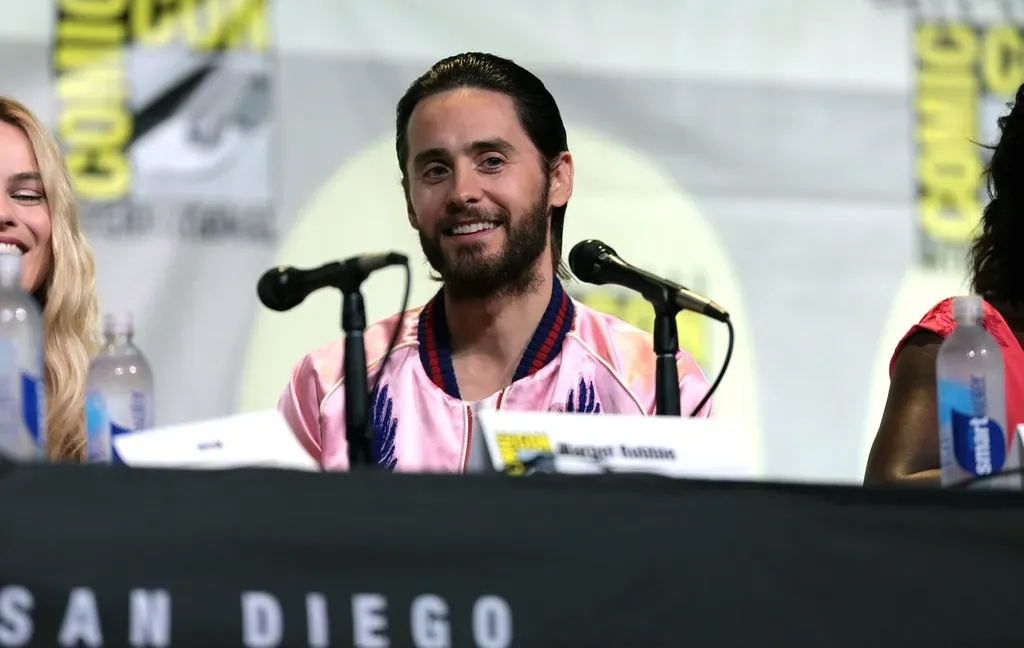
Premiering in Los Angeles on October 6, 2025, Tron: Ares arrived after years of development delays and high expectations. Initial trailers generated significant buzz for the film’s stylized visuals and the return to the neon-soaked digital universe that made the iconic sci-fi franchise so famous. With Jeff Bridges returning alongside Jared Leto, Greta Lee, and Evan Peters, the pedigree looked solid on paper.
Following its theatrical debut on October 10, 2025, Tron: Ares holds a 55% Tomatometer score, while the audience score sits at a much stronger 87% on Rotten Tomatoes. The division between critics’ and audiences’ responses fueled debate online, with many praising the film’s spectacle while others criticized its lack of emotional depth. Most reviews, even the negative-skewing ones, seem to agree that director Joachim Rønning did an excellent job with the visuals, but many are not shy about criticizing its retreaded concepts and failure to bring a new idea to the table.
Desert Warrior (2026)

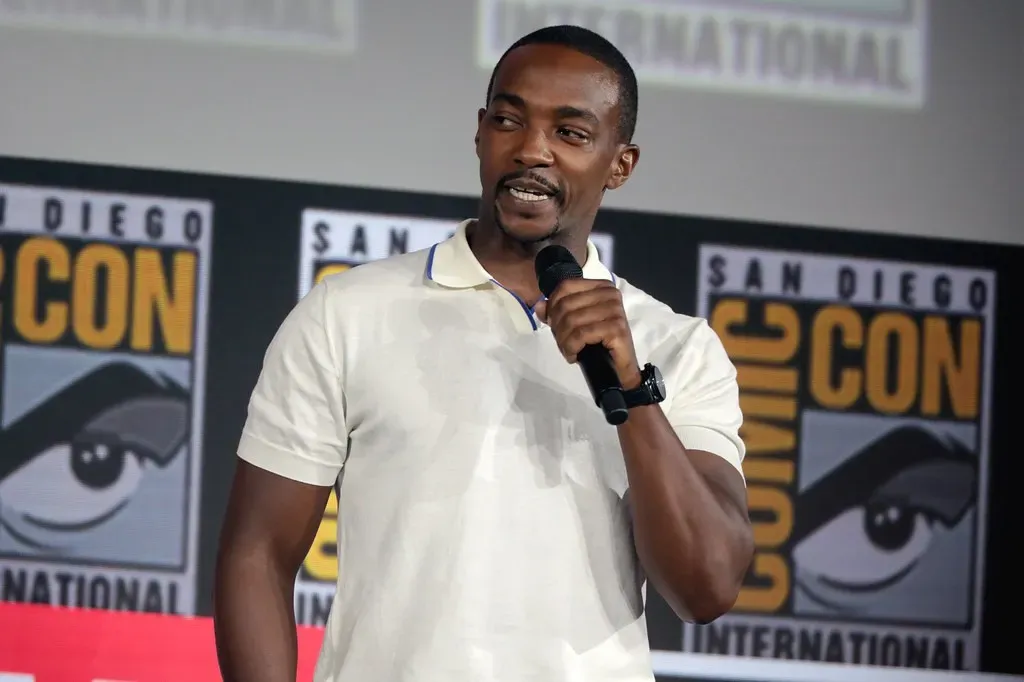
It may be the most expensive film ever produced by Saudi Arabia at $150 million, but Desert Warrior is going down in history as a major international flop. Though producers hoped the film would continue to stimulate the growth of the Saudi Arabian film economy, its release was delayed by creative issues, and it ultimately arrived on the festival circuit in late 2025.
Once it hit wide release in late April of 2026, it made just over $700,000 worldwide. The film also crashed with critics, earning a mere 23% on the Tomatometer. The film takes place in seventh century Arabia, as Princess Hind seeks to escape the lecherous ways of an emperor, enlisting the help of a bandit to raise an army ahead of the real-life Battle of Ze Qar. The ambition of the project was real. The execution, according to nearly every critic who saw it, was not.
What ties these eight films together isn’t a lack of money or effort. Most of them had plenty of both. The gap between the scale of investment and the warmth of critical reception is what makes each of these cases linger. Studios can control budgets, schedules, and marketing campaigns – but they can’t control what happens when the lights go down and the reviewers start typing.