There’s something grimly fascinating about a band playing sold-out arenas for tens of thousands of screaming fans, then climbing into completely separate vehicles the moment the final chord fades. No shared jokes, no post-show beers together, no casual conversation on the road. Just the hum of two engines rolling in parallel through the dark, carrying people who, by all accounts, could barely tolerate the sight of each other.
This was the quiet reality behind some of the most celebrated tours in rock history. The music was real. The chemistry onstage was undeniable. The hatred, as it turned out, was just as genuine. These are six bands who took the phrase “going their separate ways” to its most literal, and most uncomfortable, extreme.
Oasis: Blood, Buses, and Britpop’s Most Famous Sibling Rivalry

According to Noel Gallagher himself, the brothers had a fistfight prior to their world tour and had begun traveling to shows separately. That detail alone tells you everything you need to know about how far things had deteriorated inside what was arguably Britain’s biggest band of the 1990s. Oasis had sold 75 million records worldwide, yet the two people at its center couldn’t share a tour bus without the threat of violence.
The Gallaghers, the only constant members of the band’s ever-changing lineup, became known for their splashy antics onstage and across the tabloid pages, as well as their deepening rivalry. Years of insults, incidents, and infighting culminated on August 28, 2009, when the band broke up minutes before they were set to take the stage at the Rock en Seine festival in Paris. In 2024, however, things were finally put in motion, and Oasis reunited for what became a globe-trotting tour, giving millions of fans the reunion they had spent 15 years waiting for.
Guns N’ Roses: Axl’s One-Man Dictatorship on Wheels
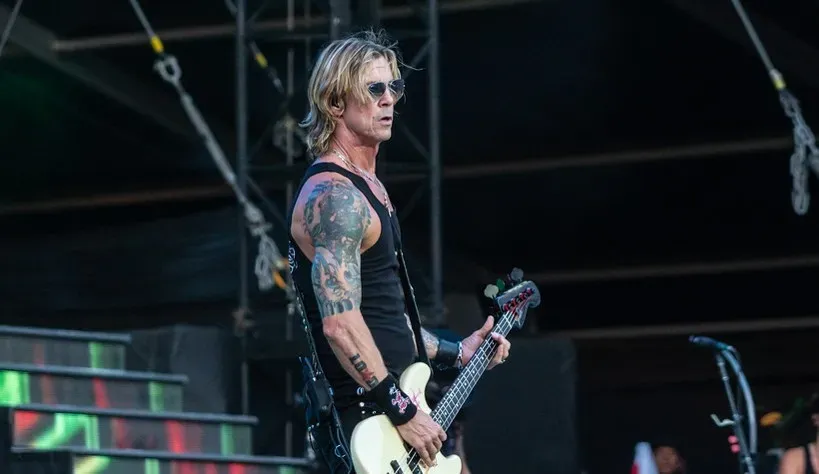
Slash took issue with how much control Rose had exerted over the band. Rose made his bandmates sign contracts which would make them more or less his hired hands and not full-fledged band members. On a touring outfit as volatile as Guns N’ Roses, that kind of power imbalance didn’t just breed resentment. It made every shared space a pressure cooker. There were the late starts where Rose enraged the crowd by taking the stage hours after the band was scheduled to perform, and then there were the mid-set storm-offs by Axl Rose, just some of the controversial moments the singer will probably never live down.
Once Axl took his concerns public, the times of being a gang, us against the world, were over. They played the rest of the show, but it was a halfhearted effort at best. Afterward, and really for the remainder of their career, they just went their separate ways. All reasons combined, Slash stayed away from Guns N’ Roses for two decades. In 2016, he reconciled with Slash and Duff McKagan for the record-breaking Not in This Lifetime Tour.
Pink Floyd: A Feud That Outlasted the Band Itself
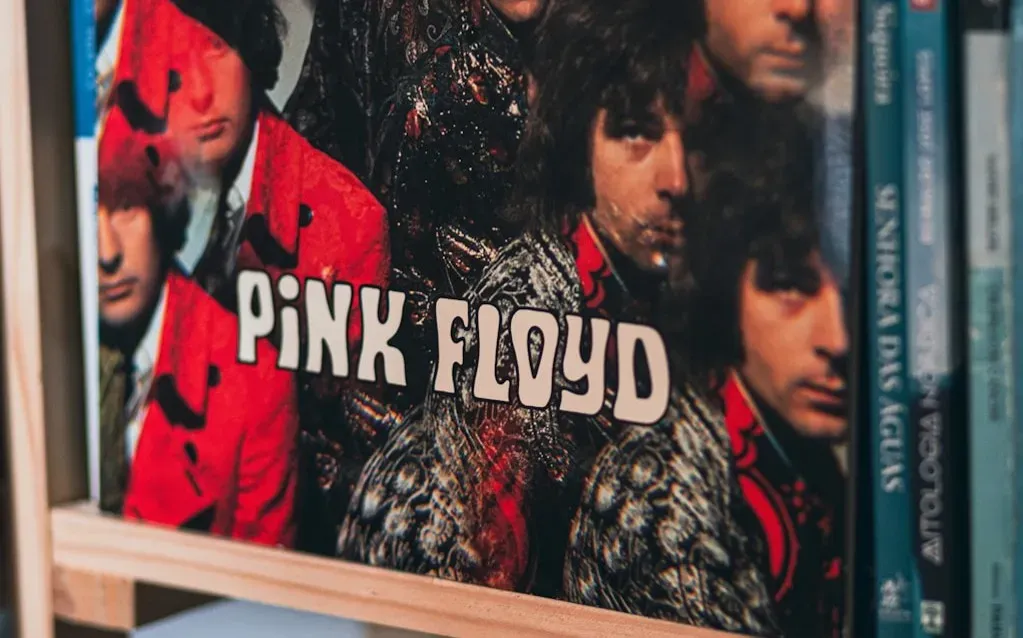
Creative visions and power struggles often tore Roger Waters and David Gilmour apart, as Waters was not as collaborative. While fans were celebrating Pink Floyd following The Dark Side of the Moon and Wish You Were Here, the toxic dynamic between Gilmour and Waters rocked the band behind the scenes. The tension wasn’t occasional friction between creative equals. It was a slow, grinding erosion that eventually made any kind of shared journey impossible. Waters left Pink Floyd acrimoniously in 1985, with Gilmour assuming leadership of the group.
In October 1986, Waters started proceedings to formally dissolve Pink Floyd, labeling the group a “spent force creatively.” Gilmour and Nick Mason opposed the claims, declaring that Pink Floyd would continue and that Waters could not kill the band while they were trying to make new music. The feud never truly healed. David Gilmour stated that there is “absolutely no chance” of ever performing or recording with his former bandmate again, closing the door on decades of reunion speculation.
Mötley Crüe: Four Buses, Zero Friendship
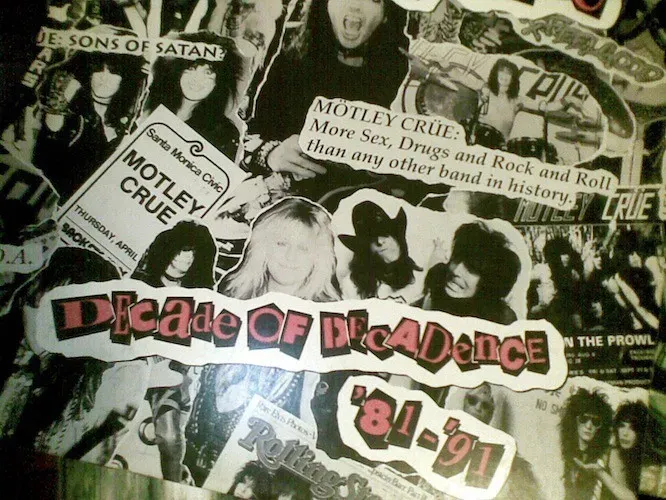
Even casual fans of glam metal legends Mötley Crüe are acutely aware of the omnipresent dueling between members, which had ensued for over 30 years. The band traveled together in name only, as each member had their own separate tour bus. The official explanation leaned on practical reasons. According to Vince Neil, the arrangement was at least in part due to the number of children coming along for the ride. “Nikki has nine people on this bus. Tommy has his kids all the time,” Neil told Rolling Stone. “Everyone has their own schedule. There’s also not much for us to talk about unless it’s about the show.”
The practical justification only went so far. Nikki Sixx described the other members of the band as “not enemies but not friends. I’ll probably never see them, except in passing.” He elaborated: “We don’t hang out now. We go on stage, but we don’t hang out.” For a band that built its entire image around brotherhood and debauchery, that statement lands like a particularly grim punchline.
The Police: Barbed Wire in a Prada Suit

As early as 1979, when touring the group’s second album, guitarist Andy Summers realized that he was in a band with “two total arseholes,” and it wasn’t too long afterwards that Stewart Copeland was playing gigs with a notably hostile message written on his drum heads. The tension inside The Police was, by virtually every account, relentless. Copeland recalled in 2022 that working with Sting musically was “like a Prada suit made out of barbed wire.” Beautiful on the outside, quietly excruciating to wear.
The reunion shows in 2007 and 2008 became the third-highest earning tour of all time, grossing £280 million. The tour also saw one of music’s most infamously brittle bands bitch and moan about each other pretty much from day one. Copeland revealed that undergoing group therapy helped the trio resolve their bitter differences ahead of their hugely successful 2007/2008 reunion tour. Even professional reconciliation, it seems, required professional intervention first.
Led Zeppelin: When Separate Roads Become Permanent
John Paul Jones traveled separately from the rest of the band, only actually seeing them on stage, which drove Plant and Page to exclude him from their reunion tour. Within a band of that magnitude, the physical separation was also a symbol of something deeper. Plant allegedly never quite forgave Page for wanting to carry on his quiet solo career in favor of a fully-fledged Led Zeppelin reunion, and the band were basically divided from here on in.
The irony is that Led Zeppelin’s legacy stands as one of the most unified and powerful in all of rock music. The records sound like four people in complete communion. The reality on the road was something considerably colder. Roger Waters, reflecting on his own band’s parallel experience, once said: “I felt it was unhealthy and unreal and dishonest to carry on. How can a group of people who can’t stand working with each other call themselves a group?” It’s a question the members of Led Zeppelin, too, never fully managed to answer together.