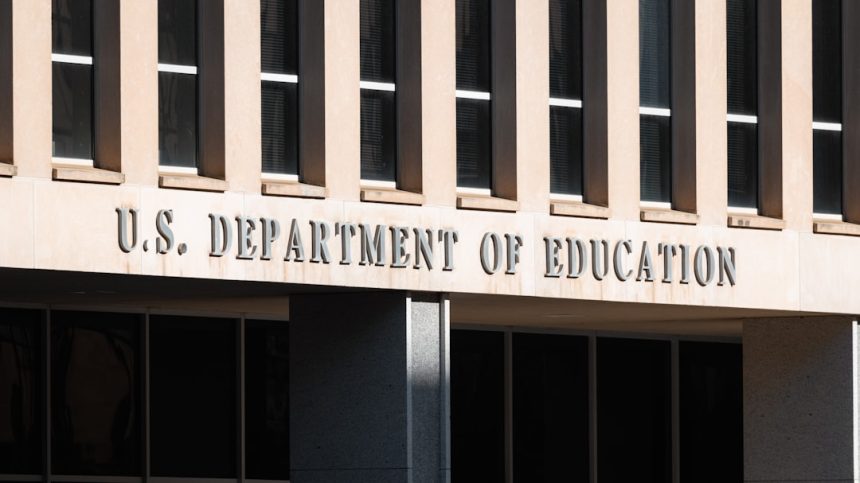

Mass Layoffs Sparked the Downsizing (Image Credits: Unsplash)
Washington, D.C. – More than a year after President Donald Trump issued an executive order aimed at dismantling the U.S. Department of Education, the agency has undergone significant reductions in staff and responsibilities. Federal officials transferred key programs to other departments while courts weighed challenges from teachers’ unions. States like Nevada now navigate funding uncertainties as education policy shifts toward local control.[1][2]
Mass Layoffs Sparked the Downsizing
In March 2025, the Department of Education issued layoff notices to 1,400 employees, with hundreds more retiring or facing termination. This action halved the workforce, including 90 percent of staff in the Office for Civil Rights. Education Secretary Linda McMahon described the moves as fulfilling the department’s “final mission” to break up the federal bureaucracy.[3][2]
Critics warned of chaos, but the administration pressed forward. Officials reassigned about 60 employees on temporary details to agencies like Labor and Health and Human Services. Congress later approved increased funding for fiscal 2026, rejecting deeper proposed cuts, yet the department continued its streamlining efforts.[3]
Programs Shift to New Federal Homes
The administration reached at least 10 interagency agreements to transfer 118 programs, dispersing billions in grants. The $1.7 trillion student loan portfolio moved to the Treasury Department in phases, citing mismanagement and a 25 percent default rate among borrowers. Other shifts included K-12 funding for low-income schools to the Labor Department and oversight of school safety grants elsewhere.[1][3]
Secretary McMahon stated in a release, “Americans know that the Department of Education has failed to effectively manage and deliver these critical programs.” The changes also slashed diversity, equity, and inclusion grants while expanding support for charter schools and apprenticeships. A new federal school choice tax-credit program emerged from recent legislation, subsidizing private and select public options.[1][4]
Effects Ripple Through Schools Nationwide
Public schools faced disruptions, including withheld grants totaling $12 billion and delays in student aid. Vulnerable groups felt the strain: pending discrimination complaints piled up after Office for Civil Rights cuts, and funding for afterschool programs, meals, and special education wavered. In Nevada, nearly $1 billion in annual federal aid supported Title I schools, English learners, and special needs students in districts like Clark County.[5][2]
Local educators expressed mixed views. Principals worried about library resources and field trips funded by Title I, while policy experts noted potential efficiencies from decentralization. Proponents argued the shift empowered states, but opponents feared gaps for low-income and disabled students. Federal investigations into issues like transgender policies and achievement gaps persisted, maintaining some oversight despite the reductions.[4]
- Nearly 50 percent staff reduction overall.
- Student loans transferred amid high defaults.
- DEI grants eliminated; charter funding increased.
- School choice tax credits introduced.
- Nevada’s Title I: $161 million for low-income schools.
Legal Challenges and Ongoing Battles
The American Federation of Teachers and National Education Association sued immediately after the executive order, claiming harm to students and districts. Courts struck down some anti-DEI measures and restored partial funding, but many cases remain active. Protests marked the one-year anniversary of McMahon’s confirmation, with educators decrying lost civil rights protections.[1][2]
Despite reinstating some staff in late 2025 to clear backlogs, the department’s footprint continues to shrink. A Government Accountability Office report highlighted costs from administrative turmoil, yet reimbursements to partner agencies proceeded. Full abolition awaits congressional action, leaving the agency’s future in limbo.[3]
As the U.S. Department of Education contracts, education returns incrementally to states and localities—a bold experiment in federal restraint. Whether it yields better outcomes or exposes critical gaps will shape policy debates ahead. What do you think about these changes? Tell us in the comments.
Key Takeaways:
- Workforce halved; programs transferred via 10+ agreements.
- $1.7 trillion loans now under Treasury oversight.
- States like Nevada face funding shifts for key programs.