If you’ve ever visited Las Vegas in January and watched a local grab a puffy jacket the moment the thermometer dipped below 60°F, you’ve witnessed one of the most entertainingly dramatic climate reactions in the United States. For a city that spends much of the year frying under triple-digit heat, “winter” feels like a personal insult to the Strip. It’s mild by almost every measurable standard. Yet somehow, it still surprises people every single year.
The truth is, Las Vegas winter is genuinely unique. It’s not a frozen tundra. It’s not a snowy postcard scene. It’s something stranger and more interesting than either of those things. Stick around, because what comes next might genuinely catch you off guard. Let’s dive in.
What Las Vegas “Winter” Actually Looks Like on Paper
Let’s be real, the numbers are not exactly terrifying. Las Vegas’s coldest days of the year usually occur in the second half of December, when the daily maximum temperature averages around 56°F (13°C) and the minimum averages 39°F (4°C). By the standards of, say, Minneapolis or Chicago, that’s practically a warm spring afternoon.
Daytime temperatures in January average around 51.8°F (11°C), while nighttime lows start at roughly 38.5°F (3.6°C). That gap between day and night is the real story. The desert doesn’t hold heat – think of it like leaving a cast iron pan outside versus a wooden one. The moment the sun disappears, everything loses its warmth almost instantly.
The Desert Air Effect: Why 45°F Hits Differently Here
Here’s the thing most visitors don’t understand about Vegas cold. It doesn’t feel like the gentle, damp cold you’d get in Seattle or New York. Cold temperatures in Las Vegas are a side effect of the desert climate. The air is so dry that during the day, the sun heats the ground and everything around it, but once the sun drops, it can get cold very quickly in this high desert city.
Las Vegas falls under the mid-latitude desert Köppen climate classification, also known as BWk, due to its position within the Mojave Desert. This climate is defined by scant, erratic rainfall and a propensity for significant temperature swings. The dryness amplifies the cold in a way that genuinely surprises first-time winter visitors. It’s crisp, sharp, and cuts right through you if you’re underprepared.
January Is the Cold King – But Don’t Overreact
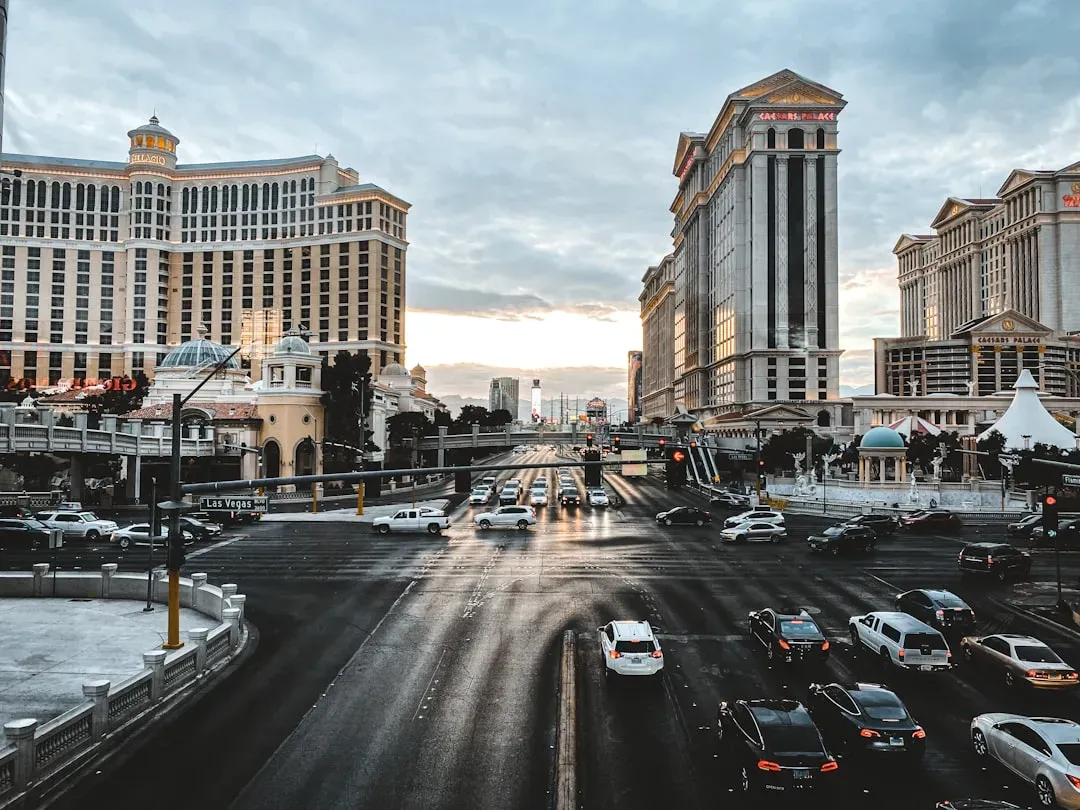
January is officially the coldest month of the year in Las Vegas, and it often sees a mix of sunny and cloudy days. Even at its worst, though, the daytime highs usually stay in the upper 50s. At night, the thermometer dips to 32°F (0°C) or below only about ten times a year on average. Ten nights. That’s it. Compared to northern U.S. states that routinely freeze solid for months, that’s almost nothing.
Las Vegas typically experiences freezing temperatures just 16 days total out of the year. Compared to the frigid temperatures felt in the Midwest, that feels like almost nothing. Still, tell that to a lifelong Vegas local and watch their eyes go wide. There’s a deeply ingrained drama around cold here that is, honestly, hilarious and charming at the same time.
Snow in Las Vegas: A Rare and Glorious Chaos Event
Snow in Vegas is so rare that it practically becomes a local holiday when it happens. Las Vegas gets a little snow about every five years, usually in December or February. Only once a decade on average does the snow covering the ground accumulate to over an inch. So if you happen to be visiting during one of those rare flurries, congratulations – you’ve witnessed something genuinely special.
While it does snow in Las Vegas, it is very uncommon to experience any substantial accumulation. The last time the area experienced measurable snowfall was in 2008, when it measured 3.6 inches. For a city that hosts millions of visitors and functions like a 24-hour machine, even a few inches of snow sends the place into something resembling structured chaos. Road closures, viral photos, and – inevitably – snowball fights on the Strip.
The All-Time Cold Records: When History Got Weird
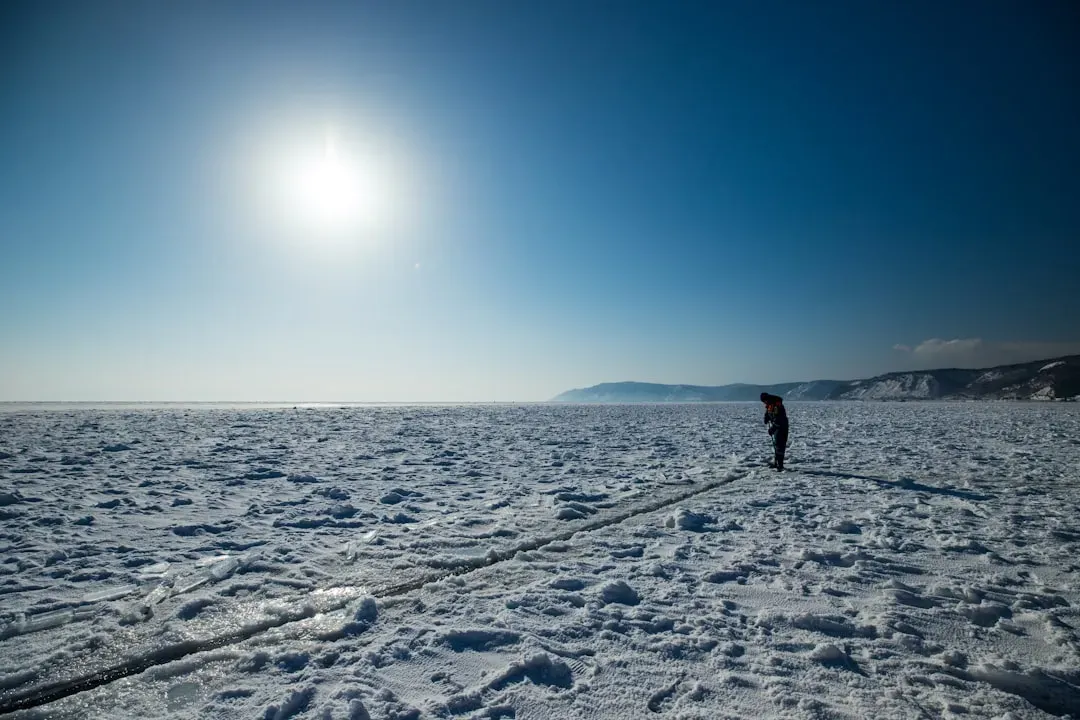
Every now and then, the desert throws a genuine curveball. The coldest temperature ever recorded in Las Vegas happened during a frigid two-day spell in January 1963, when the mercury dropped to just 8°F on the 13th – the coldest in the city’s recorded history. That is a genuinely shocking number for a Mojave Desert city. It reads more like a Montana weather report than a Nevada one.
Intense frosts are rare in Las Vegas, although in January 1937 and January 1963, the temperature dropped to around -13°C (approximately 9°F). Las Vegas doesn’t normally get as cold as 20°F (-8°C) at all. These extremes are real, but they belong to the category of once-in-a-generation events – not something you’d plan your wardrobe around.
The Sun Never Really Clocks Out – Even in Winter
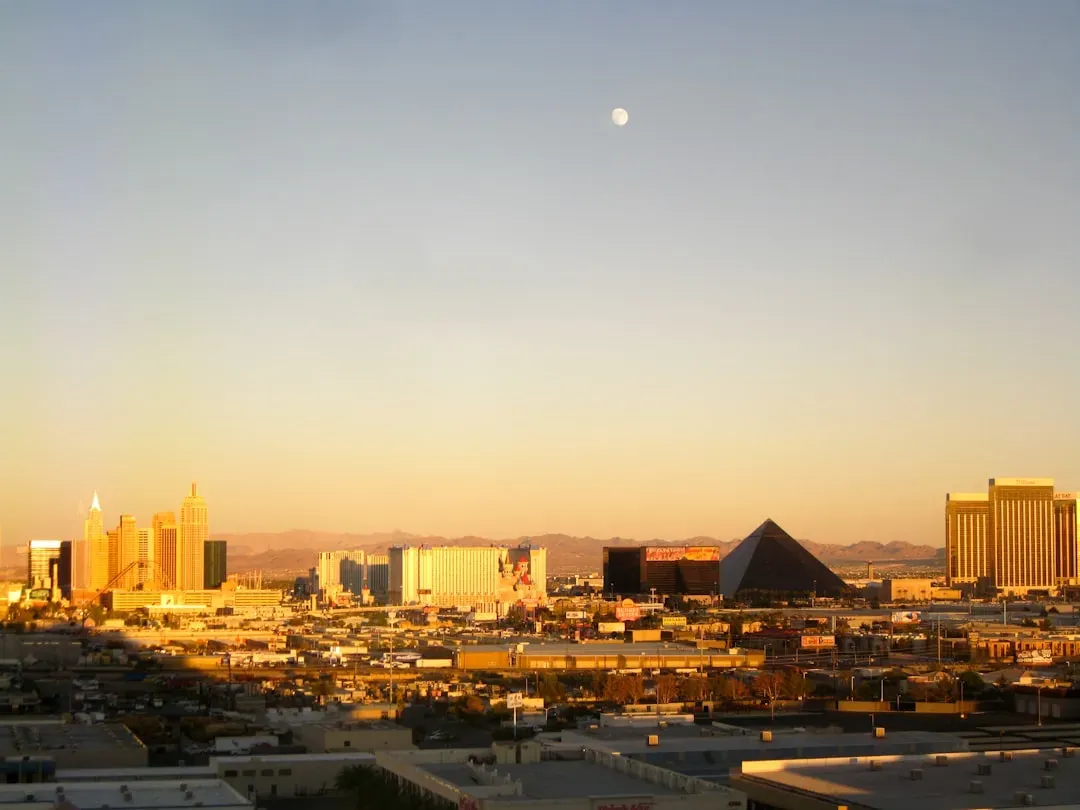
One of the genuinely wonderful things about Las Vegas winter is what stays constant: the sun. On average, there are 294 sunny days per year in Las Vegas. The U.S. average is just 205 sunny days. Winter doesn’t change that all that dramatically. Even in January, the sky is frequently clear and bright.
In January, Las Vegas averages around 8 hours of sunshine per day – with the sun shining about 79 percent of the time relative to the length of the day. That’s remarkable. It means even on a cold January morning, you’re likely getting beautiful, golden desert light streaming across the valley. Wrap up warm and it’s honestly one of the most pleasant times to walk the Strip without sweating through your shirt.
Winter Tourism: Millions Still Show Up, and Smartly So
It turns out people have figured out that Vegas in winter is a genuinely good deal. In 2024, a total of 41,676,300 people visited Las Vegas, representing a roughly 2 percent rise over 2023. While summer still draws crowds, the winter months have become increasingly attractive to travelers who want to dodge the brutal summer heat. Honestly, I think it’s one of the best-kept open secrets in American travel.
It’s worth noting that visitor traffic does fluctuate depending on the season, with fewer people in town during the winter. That means shorter lines, better hotel rates, and a slightly less frantic version of the city. Tourists in Las Vegas spent an estimated average of about $1,322 per trip in 2024, and winter visitors tend to spend longer inside the world-class indoor entertainment venues that the city was essentially built to provide year-round.
The Indoor Kingdom: Where Winter Truly Disappears

Las Vegas was not designed to care about the weather outside. That’s the honest truth. The casinos, hotels, show venues, and vast shopping centers function as elaborate, climate-controlled ecosystems that exist independently of whatever the thermometer is doing on the Strip. You can step out of 45°F desert air and into a 72°F casino floor within about four seconds.
Las Vegas also experiences very little snowfall during the winter season, although temperatures can still drop below freezing at night. Many buildings have extensive climate control systems installed to protect from both extreme heat and cold. The entire city is engineered around comfort. Winter, for most visitors, is simply what happens between the parking garage and the lobby door. It’s temporary, mild, and honestly kind of refreshing after a long summer.
Conclusion: Vegas Winter Is Mild, Beautiful, and Wildly Underrated
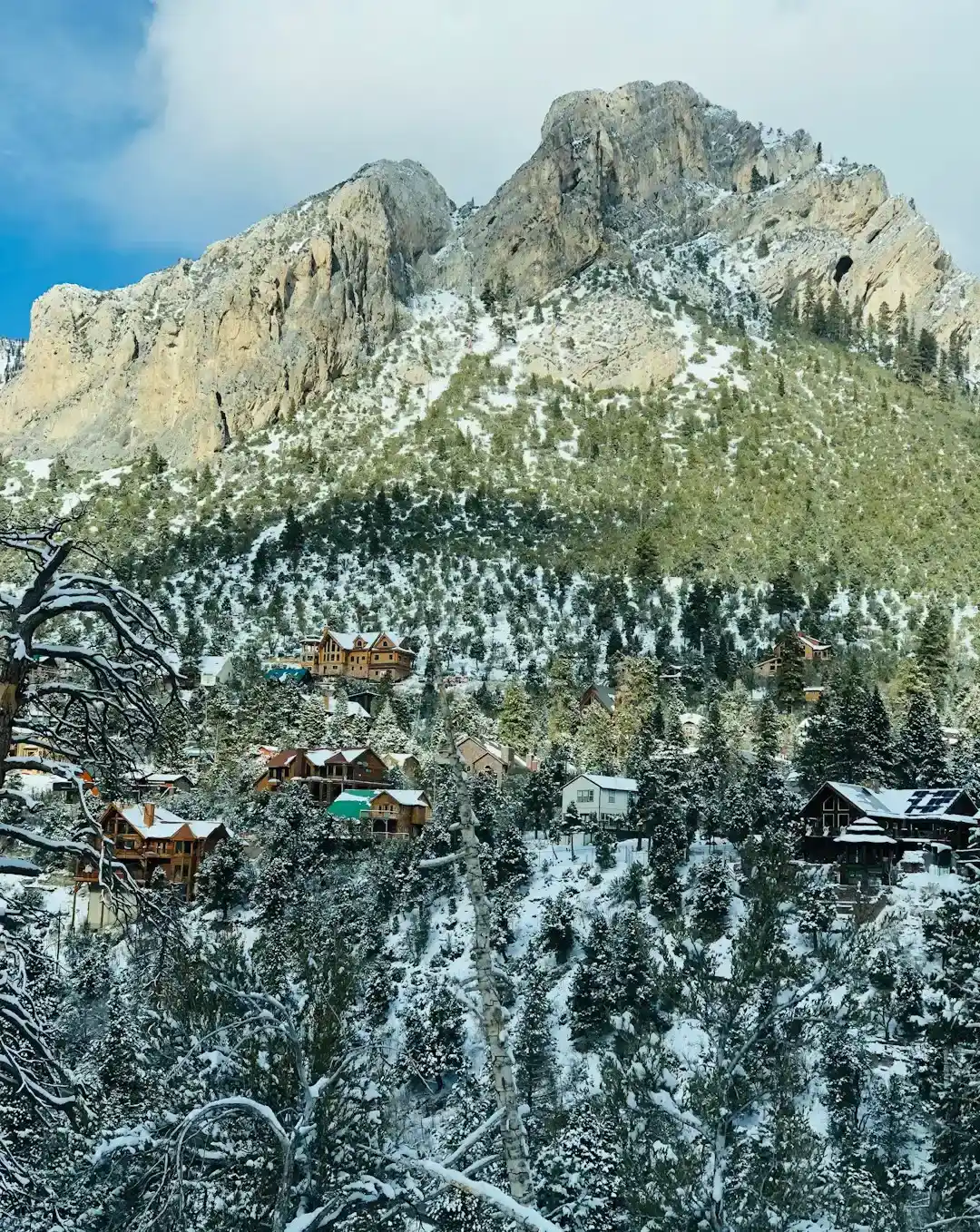
Here’s the bottom line. Las Vegas winter is not a hardship. It is, by almost any climate measure, a gentle and manageable season that locals have collectively decided to treat like a minor natural disaster. Winter in Las Vegas, from December to February, is sunny and mild during the day, while nights can be cold, with minimum temperatures often around freezing. That’s it. That’s the whole drama.
The real story is how a city built on spectacle has even made its weather feel like an event. When snow falls on the Strip once every five or ten years, it stops traffic. When the temperature dips below 60°F, the puffer jackets emerge en masse. It’s peak Vegas, honestly – turning the ordinary into theater.
If you’re thinking about visiting in winter and wondering whether it’s worth it, the short answer is: yes, absolutely. You’ll have more room to breathe, the prices are friendlier, the sky is still spectacularly sunny, and you might just catch the locals doing something they almost never do – looking up at the sky in genuine disbelief. What would you have guessed was more dramatic, Vegas summers or Vegas winters?