Walk into any record store in Las Vegas right now and you’ll see something wild. Teenagers who’ve never owned a CD player are flipping through crates of used vinyl. Gen Z kids with AirPods dangling from their ears are debating the merits of first pressings versus reissues. It’s honestly bizarre when you think about it.
In a world where we can summon any song ever recorded with a voice command, people are choosing to buy big, heavy discs that require an entirely separate piece of furniture to play. Let’s be real, this shouldn’t make sense. Yet here we are, living through vinyl’s most profitable era since the 1980s. Something strange is happening in our relationship with music, and Las Vegas is right at the heart of it.
The Numbers Don’t Lie
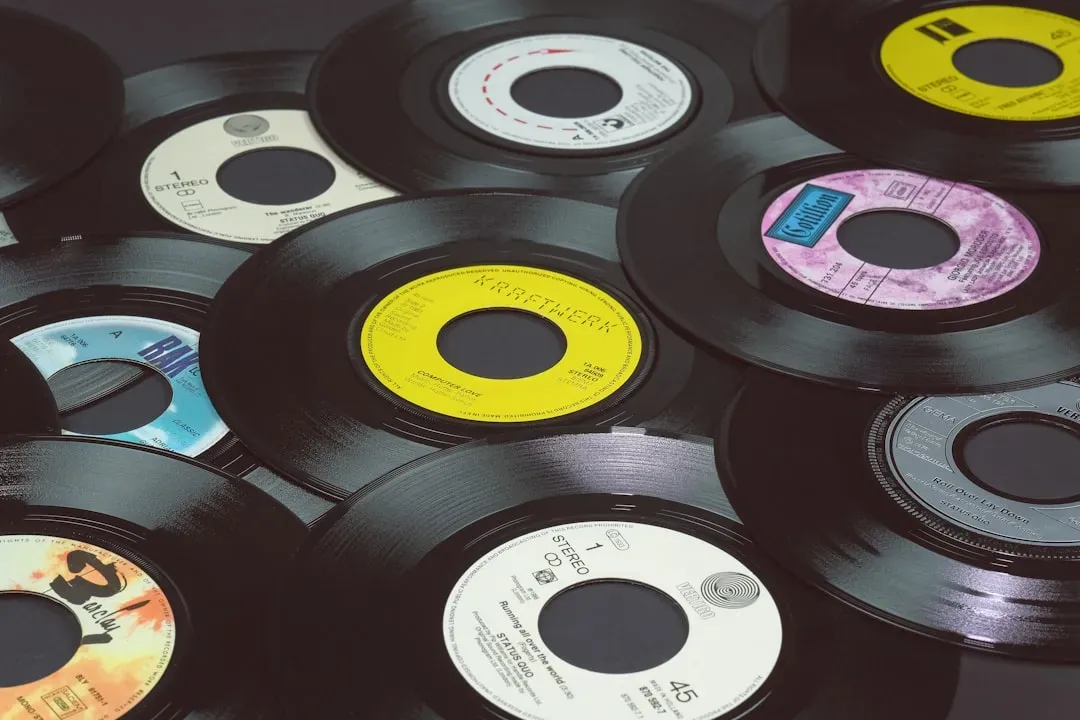
Vinyl sales have been climbing steadily for over fifteen years now. Last year alone, Americans bought roughly about thirty-seven million vinyl records. That’s more than they purchased in any year since 1988. The format now generates more revenue than CDs, which feels like living in some alternate timeline.
Las Vegas retailers have noticed the shift big time. Zia Records on Eastern Avenue reports that vinyl now accounts for nearly half their total sales. That’s up from maybe one fifth just five years ago. The local stores can barely keep certain releases in stock.
What’s really fascinating is who’s buying. It’s not just nostalgic baby boomers reliving their youth. The vast majority of vinyl buyers are under thirty-five. These are people who grew up with Spotify and YouTube, yet they’re dropping serious cash on analog technology their grandparents used.
Why Physical Matters Again
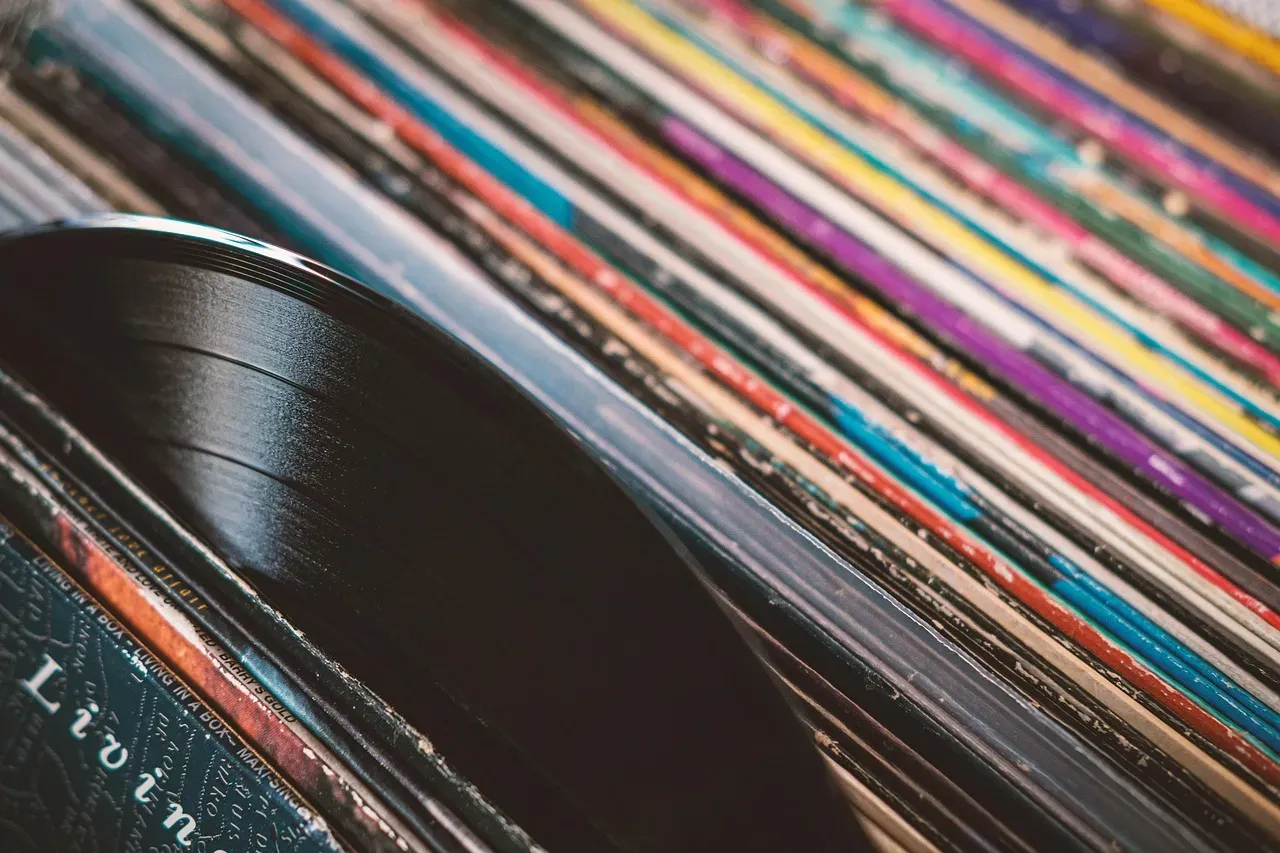
Here’s the thing about streaming: you don’t actually own anything. Your entire music library exists at the mercy of licensing agreements and corporate decisions. Songs disappear from platforms without warning. Artists pull their catalogs. Services shut down.
Vinyl offers something radically different . When you buy a record, it’s yours. Forever. No subscription fees, no internet connection required, no algorithmic recommendations pushing you toward what some AI thinks you should hear next.
There’s also the ritual of it. Streaming is frictionless, which sounds great until you realize friction creates meaning. Choosing a record, removing it from the sleeve, placing it carefully on the turntable, these actions transform listening from background noise into an intentional act. You’re investing time and attention, which somehow makes the music hit differently.
The Las Vegas Vinyl Scene Explodes
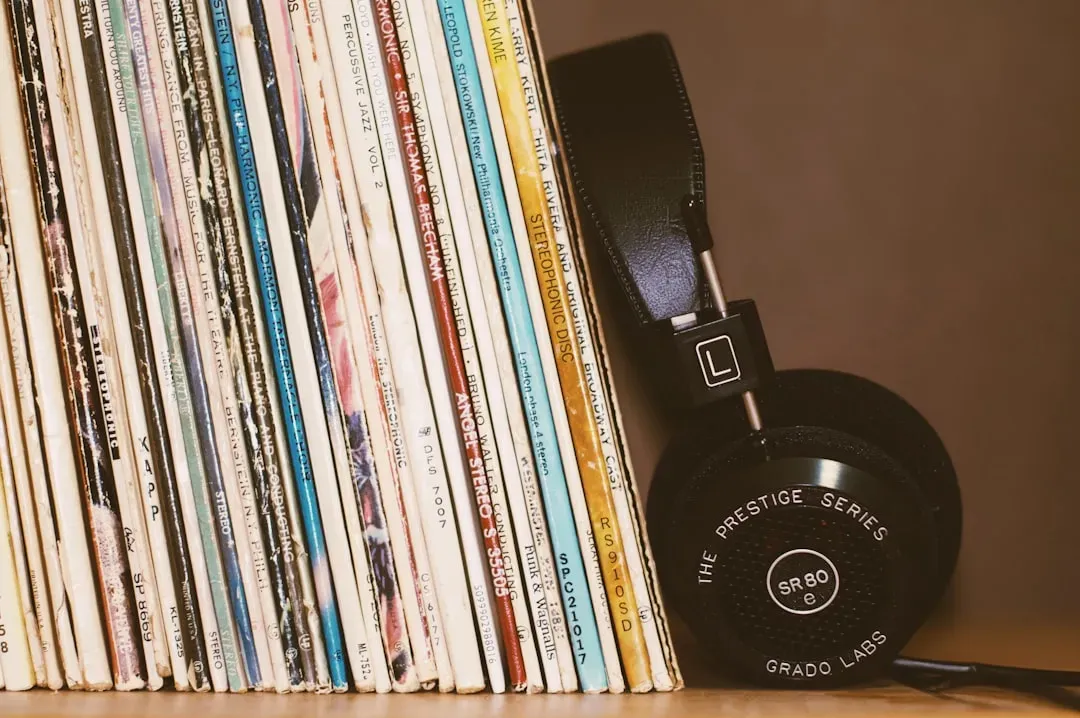
Las Vegas has become an unexpected hub for vinyl culture. It’s hard to say for sure, but the city now hosts at least four major record stores and countless vintage shops dealing in used vinyl. The monthly Record Swap at The Usual Place draws hundreds of collectors and casual fans.
Local pressing plants have noticed increased demand too. Rainbow Records on Industrial Road can barely keep up with orders from independent artists and labels. They’re running shifts around the clock. The owner told me they’ve had to turn away business because they’re already maxed out.
Even the casinos are getting in on the action. Several Strip properties now feature vinyl bars where you can browse collections while sipping cocktails. The Cosmopolitan’s vinyl lounge lets guests DJ their own selections on high-end turntables. It’s become one of their most photographed amenities, which says something about how cool vinyl has become again.
Sound Quality or Beautiful Myth
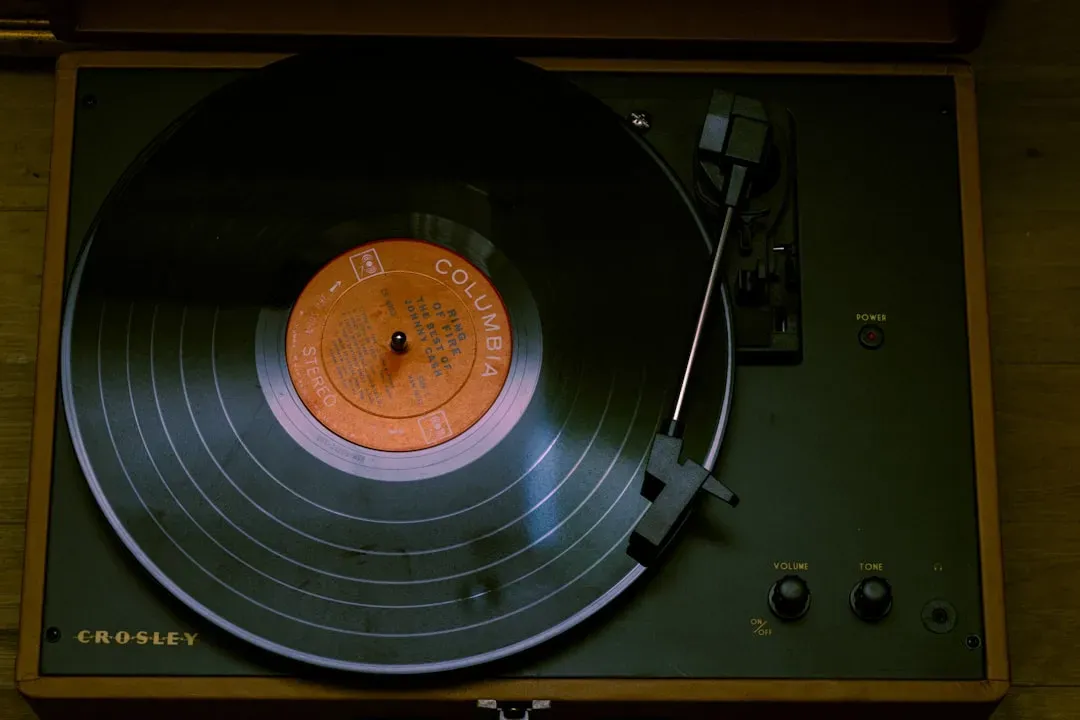
Let’s tackle the elephant in the room. Does vinyl actually sound better than digital? Audiophiles will argue about this until the heat death of the universe.
The technical answer is complicated. High-quality digital files contain more accurate reproductions of the original recording. Vinyl has limitations, natural imperfections, surface noise. Yet many listeners swear records sound warmer, more alive, more human. Maybe it’s the analog warmth they’re detecting, or maybe it’s placebo effect combined with better listening conditions.
I think what matters more is how vinyl makes people listen. When you’ve committed to sitting through an entire album side without skipping, you hear things you’d miss while shuffle-playing on your phone. You notice song sequencing, thematic arcs, the way tracks flow into each other. The format enforces patience that reveals dimensions streaming often hides.
The Art You Can Touch
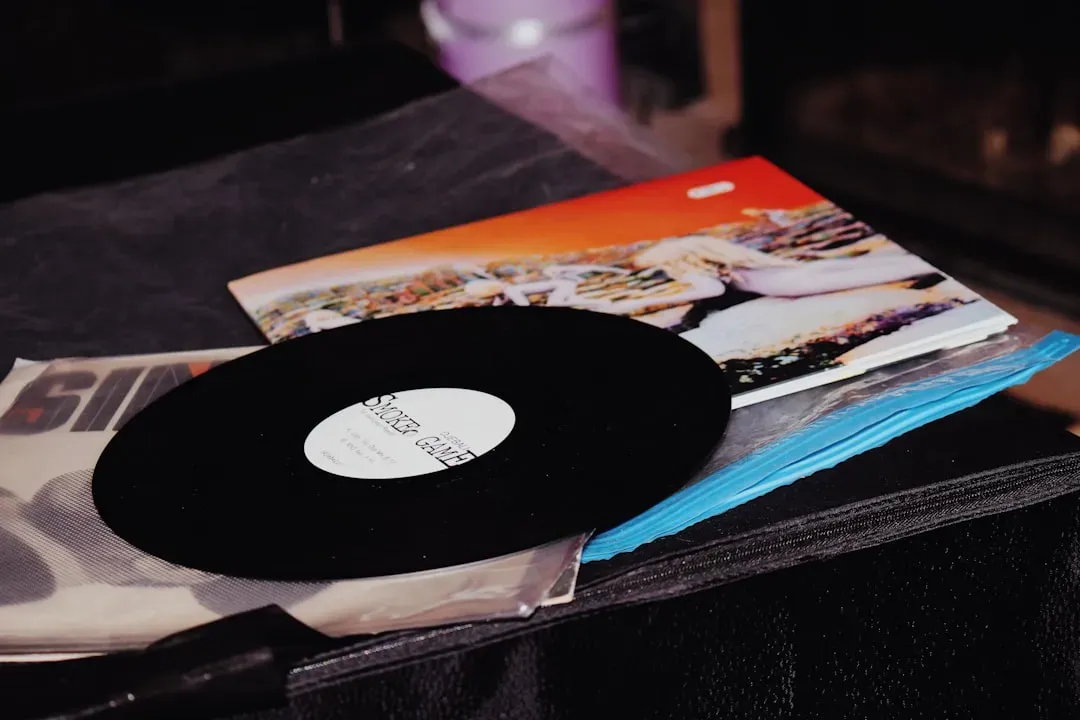
Album artwork matters again, and that’s no small thing. Streaming reduced album covers to tiny thumbnails on phone screens. Vinyl brings back the twelve-inch canvas.
Artists are responding by creating increasingly elaborate packaging. Gatefold sleeves, colored vinyl, lyric inserts, original artwork, limited editions with hand-numbered prints. Some releases are legitimate art objects. The experience of unwrapping a new record and examining every detail feels special in ways digital files never will.
Las Vegas artists have particularly embraced this. Local musicians are pressing limited vinyl runs even when they stream their music online. The records become tangible connections between performers and fans. Something you can get signed at shows, display on your shelf, treasure as a physical reminder of who you were when that music meant something to you.
Collecting in the Age of Unlimited Access
There’s genuine psychological research suggesting that unlimited choice makes us less happy. Spotify offers roughly about seventy million songs. That’s paralyzing. How do you even begin to navigate that?
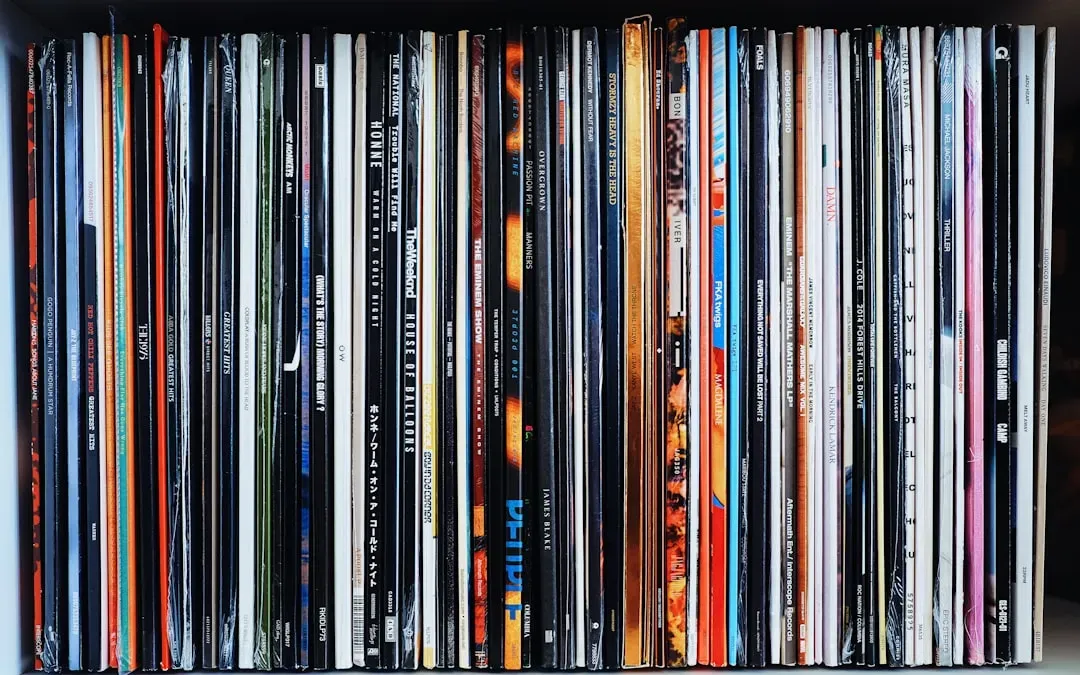
Vinyl collecting imposes natural limits. You can only buy so many records. They take up space. They cost money. These constraints force curation. You think carefully about what deserves a spot in your collection. That selectivity creates personal meaning.
The hunt matters too. Finding a rare pressing at a garage sale or scoring a deal at a swap meet triggers dopamine hits that clicking “add to library” never will. There’s adventure in vinyl collecting that digital formats can’t replicate. You’re building something unique, a physical manifestation of your taste that no algorithm could generate.
The Surprising Economics
Vinyl has become a legitimate revenue stream for musicians again. For independent artists especially, record sales can provide crucial income that streaming pennies never will. A band might earn one tenth of a cent per stream but five dollars or more from a vinyl sale.
This has created interesting market dynamics. Major labels now press vinyl for almost every significant release. Artists who never bothered with physical formats before are getting into the game. Even hip-hop artists, working in a genre that emerged during the CD era, are releasing prestigious vinyl editions of their albums.
Prices have risen accordingly. New releases typically cost between twenty-five and forty dollars, with special editions climbing even higher. Yet people are paying those prices, which suggests vinyl fills needs beyond just hearing music. It’s decoration, collection, investment, and ritual object all rolled into one.
Final Spin
The vinyl revival reminds us that progress isn’t always linear. Sometimes the old ways survive because they fulfill needs the new ways can’t touch. In our rush toward digital convenience, we lost things worth having back. Ownership, ritual, tangibility, intentionality.
Vinyl represents a choice to engage with music as more than background entertainment. It’s a statement that some experiences are worth the extra effort, the extra money, the extra space they require. In an increasingly virtual world, that feels more important than ever.
What do you think about vinyl’s comeback? Are you spinning records, or are you perfectly happy streaming everything? Tell us in the comments.