
You might think your favorite classic novels sprung purely from the imagination of brilliant authors. Think again. Behind some of literature’s most beloved works lurk real historical events – sometimes shocking, often bizarre, and always stranger than fiction itself. These aren’t just loose inspirations either. We’re talking about actual incidents that shaped entire plots, characters, and themes in ways most readers never realize.
What’s fascinating is how authors transformed these raw historical moments into timeless stories. A shipwreck becomes an adventure tale. A scandalous crime morphs into a psychological thriller. Real people get fictional makeovers and live forever on the page. Let’s dive into the unexpected true stories that gave birth to some of literature’s greatest achievements.
The Mutiny That Created a Desert Island Classic

Daniel Defoe’s Robinson Crusoe didn’t come from thin air. The 1704 case of Alexander Selkirk, a Scottish sailor marooned on an uninhabited island off Chile, provided the blueprint. Selkirk got into a heated argument with his captain about the seaworthiness of their vessel and demanded to be left ashore. His wish was granted on Más a Tierra island, where he survived alone for over four years.
The real Selkirk lived on goats, built shelters from trees, and fought off depression in ways that would later echo through Crusoe’s fictional journey. When rescued in 1709, his story spread across England like wildfire. Defoe recognized gold when he saw it and crafted one of the first English novels around this solitary survival tale.
What makes this even more interesting is that Selkirk’s actual experience was arguably more dramatic than the novel. He reportedly ran so fast chasing goats that he once tumbled off a cliff with his prey, lying injured for days. Defoe sanitized some elements while amplifying others, proving that sometimes reality needs editing to become great fiction.
A Volcanic Eruption Births Frankenstein’s Monster

The summer of 1816 wasn’t really summer at all. Mount Tambora’s catastrophic eruption in Indonesia the previous year had thrown so much ash into the atmosphere that Europe experienced what became known as “the year without summer.” Crops failed, temperatures plummeted, and darkness seemed to hang over everything.
Mary Shelley, then just eighteen years old, found herself trapped indoors at Lake Geneva with her future husband Percy Shelley, Lord Byron, and others. The miserable weather forced them inside day after day. To pass time, Byron proposed they each write a ghost story. Most of the group gave up quickly or produced forgettable tales.
Mary’s nightmares during this gloomy period, combined with conversations about galvanism and reanimation, sparked the idea for Frankenstein. The oppressive atmosphere, the unnatural darkness, the sense that nature itself had turned hostile – all of it seeped into her creation. Without Tambora’s eruption literally darkening the world, we might never have gotten literature’s most famous monster.
The Shipwreck Behind Moby Dick’s White Whale

Herman Melville drew heavily from the 1820 sinking of the whaleship Essex, rammed and destroyed by a massive sperm whale in the Pacific Ocean. The crew’s horrific 90-day ordeal adrift in small boats, which included cannibalism among the survivors, provided the dark foundation for Moby-Dick.
Captain George Pollard Jr. and his men faced impossible choices as starvation set in. Some drew lots to determine who would be killed for food. The psychological trauma of these decisions haunted survivors for life. Melville transformed this nautical nightmare into a meditation on obsession, revenge, and humanity’s relationship with nature.
Owen Chase, the Essex’s first mate, published an account of the disaster that Melville obtained and studied obsessively. The real white whale had attacked deliberately and with apparent malice, just like the fictional Moby Dick. Sometimes the truth really is stranger and more terrifying than fiction could be.
Revolutionary France Shaped A Tale of Two Cities
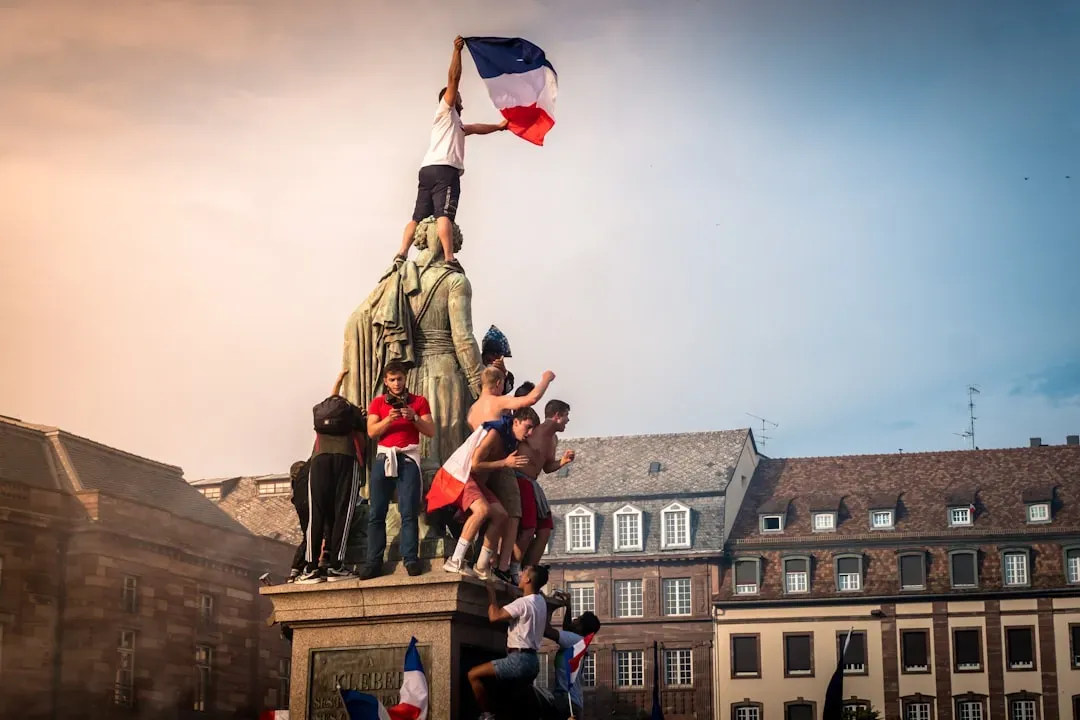
Charles Dickens drew from Thomas Carlyle’s The French Revolution: A History to craft A Tale of Two Cities. Yet it wasn’t just book research that informed Dickens’ vision. The author was deeply disturbed by the public executions he witnessed in London and the social inequality he saw festering around him in Victorian England.
The Reign of Terror, with its approximately 17,000 official executions and thousands more unofficial killings, provided the blood-soaked backdrop. Real figures like Madame Defarge were composites of actual revolutionary women who knitted beside the guillotine, watching aristocratic heads roll. The terror wasn’t exaggerated – it was actually somewhat understated.
Dickens feared England might follow France’s bloody path if the wealthy didn’t address poverty and injustice. His novel served as both historical fiction and contemporary warning. The resurrection theme, embodied in Sydney Carton’s sacrifice, reflected Dickens’ hope that society itself might be reborn through compassion rather than violence.
Partner offer
A Real Governess Inspired Jane Eyre’s Independence
Charlotte Brontë’s experiences as a governess directly fed into Jane Eyre, but the novel also drew from a scandal involving a real governess and a married man. The position of governess in Victorian society was uniquely uncomfortable – educated enough to teach but too poor to be considered equal to employers.
Brontë herself worked in several households where she felt the sting of class distinction. She watched wealthy families treat governesses as somewhere between servants and family members, belonging fully to neither world. This liminal social space gave Jane Eyre her fierce independence and moral clarity.
The “madwoman in the attic” plot element may have been inspired by real cases Brontë heard about, where wealthy men concealed mentally ill wives rather than institutionalizing them. Victorian asylums were nightmarish places, making home imprisonment seem almost merciful by comparison. These dark family secrets were whispered about but rarely discussed openly, making them perfect novel material.
The Crimean War Created Tolstoy’s Epic
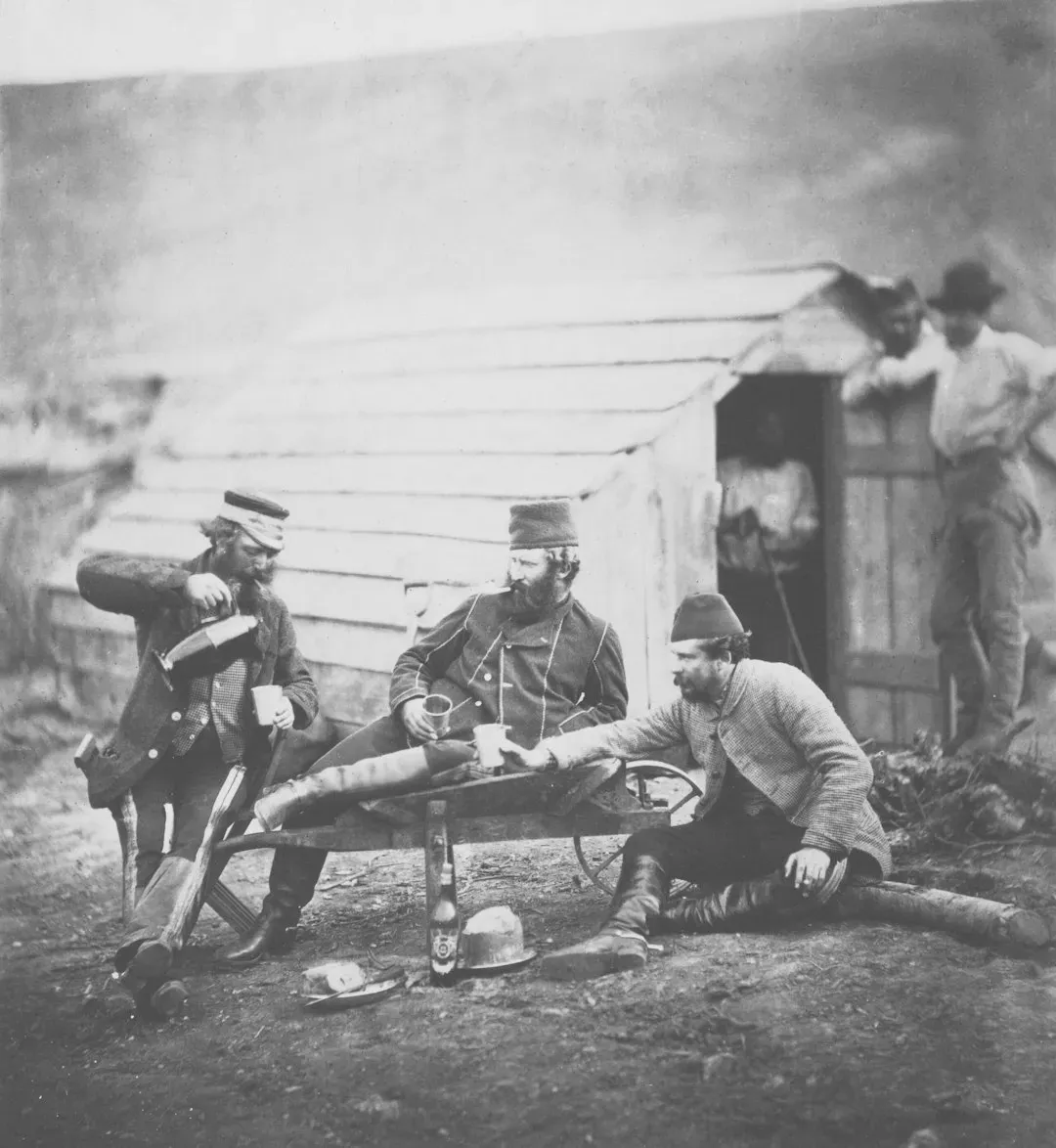
Leo Tolstoy served as a second lieutenant in the Crimean War, experiencing combat firsthand at the Siege of Sevastopol. The bureaucratic incompetence, the senseless loss of life, and the gap between military rhetoric and battlefield reality all burned into his consciousness. Years later, these experiences helped shape War and Peace.
Napoleon’s invasion of Russia in 1812 provided the historical framework, but Tolstoy’s own military service gave him the visceral details that make the battle scenes so devastating. He knew how men actually behaved under fire – the confusion, the terror, the randomness of death. This wasn’t armchair theorizing about warfare.
Tolstoy also drew from his aristocratic family’s oral histories about the Napoleonic era. His relatives had actually lived through the events he chronicled, giving him access to details no amount of research could provide. The novel’s massive scope reflected his belief that history is made not by great men alone but by countless small decisions and accidents.
A Tuberculosis Sanatorium Birthed The Magic Mountain
Thomas Mann visited his wife Katia at a tuberculosis sanatorium in Davos, Switzerland, planning to stay a few weeks. He ended up staying months, observing the strange suspended reality of the place. Patients lived in a world apart, where normal time seemed not to exist and death was always present but rarely discussed.
The sanatorium culture was bizarre – formal dinners followed by patients returning to bed, romances blooming between the dying, intellectual debates about philosophy and politics among people who might not live to see the year’s end. Mann found this liminal space fascinating and disturbing in equal measure.
The Magic Mountain transformed this experience into a meditation on pre-World War I European civilization, itself terminally ill without knowing it. The sanatorium became a metaphor for a continent sliding toward catastrophe while maintaining polite conversation. Mann started writing before the war and finished after it, watching his metaphor become horrifyingly literal.
The Dreyfus Affair Inspired Proust’s Social Critique

The Dreyfus Affair, in which Jewish French army officer Alfred Dreyfus was wrongly convicted of treason, tore French society apart in the 1890s. Marcel Proust watched Paris high society fracture along political and religious lines, with friendships destroyed and families divided over a single case.
Proust himself came from a partly Jewish background and moved in aristocratic circles where anti-Semitism was casually expressed at dinner parties. The hypocrisy, the way people’s true characters emerged under pressure, the speed with which social allegiances could shift – all of this fed into In Search of Lost Time.
The affair demonstrated how a single political crisis could reveal the rot beneath society’s elegant surface. Proust’s novel excavates similar hidden corruptions and prejudices, showing how the belle époque’s glittering facade concealed deep moral failures. History didn’t just inspire his work; it validated his pessimistic view of human nature.
Conclusion

Classic novels aren’t museum pieces gathering dust – they’re living connections to real historical moments, preserved and transformed by literary genius. These authors witnessed catastrophes, survived wars, endured injustices, and channeled those experiences into stories that outlasted the events themselves. The next time you read a classic, remember that somewhere in its pages, actual history is hiding, waiting to be recognized.
What other classic novels do you think have hidden historical origins? Share your thoughts in the comments below.
Partner offer
Planning a trip to Vegas?
Compare hotel rates and show tickets on VEGAS.com.