


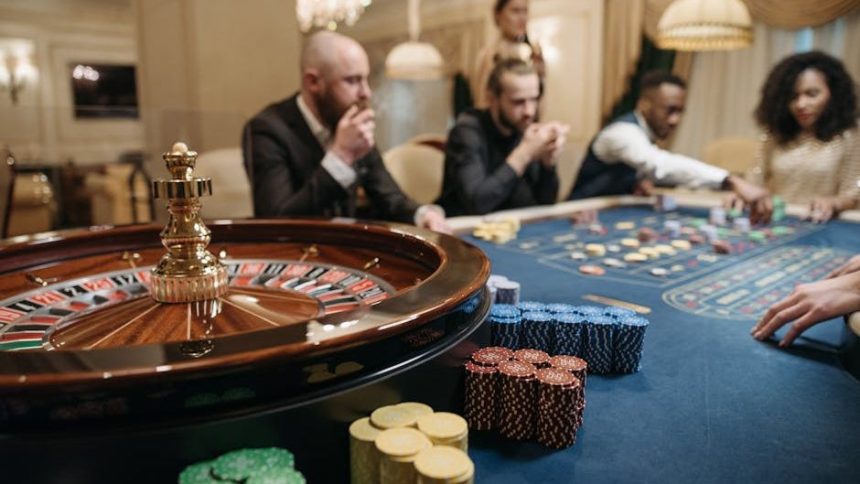
There’s something fundamentally different about a locals’ casino. It’s not the Strip. It’s not a tourist resort with a waterfall in the lobby and a three-story shopping mall attached. It’s a place where the regulars know the dealers by name, where everyone has a favorite machine, and where the unwritten social code is somehow thicker, more enforced, and more personal than at any five-star resort.
Most casinos, in fact, cater primarily and predominantly to their immediate urban markets. That’s especially true of the classic locals’ casino, the kind tucked off a highway outside the city, or planted inside a mid-sized town with no tourist draw whatsoever. These are spaces built for repeat customers. And repeat customers, let’s be real, have standards. So before you walk in acting like it’s your personal playground, here’s what you actually need to know. Let’s dive in.
Rule #1: Know That the Regulars Own This Space (Even If They Don’t Say It)

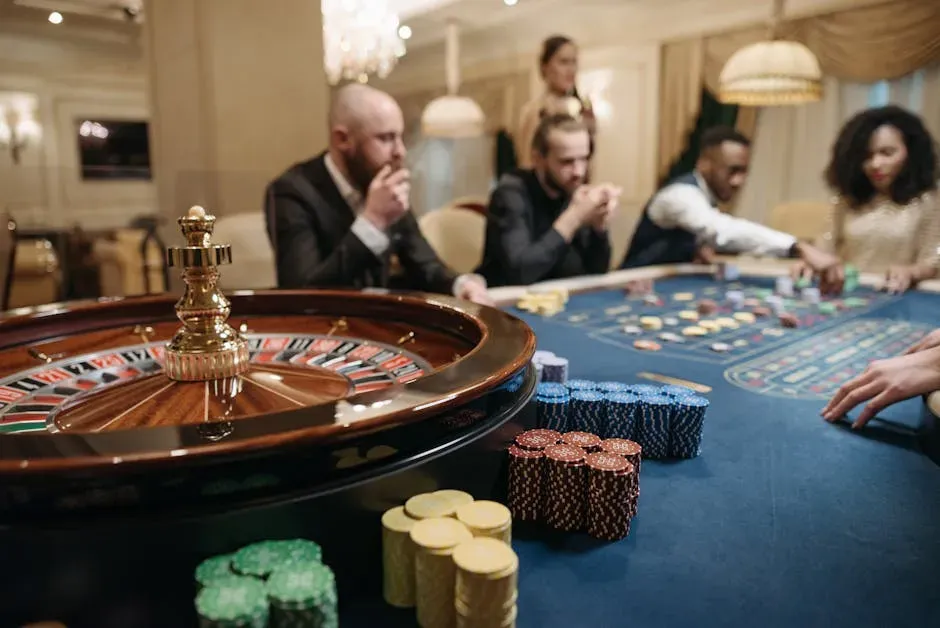
Here’s the thing about a locals’ casino. The scale of American casino culture is absolutely massive. U.S. commercial gaming revenue reached an annual record of $66.5 billion in 2023, according to the American Gaming Association’s Commercial Gaming Revenue Tracker. The commercial gaming industry set a new revenue record for the third consecutive year in 2023. That kind of scale only works because millions of people feel genuinely comfortable in these environments, especially the locals.
When you walk into a neighborhood casino as an outsider, you’re entering someone else’s living room. Not literally, obviously, but the social dynamics work almost the same way. Walking into a casino can feel thrilling, but beyond the fun, there’s a layer of behavior that separates seasoned players from beginners. Regulars notice newcomers instantly. They notice if you’re lost, nervous, or, worst of all, disruptive. The unspoken starting point is simple: observe before you act.
Rule #2: Watch the Flow Before You Sit Down

Honestly, this one trips up more people than any other. Nobody wants to admit they’re confused by a table game they’ve seen a hundred times in movies. But sitting down mid-hand and making a mess of everyone’s rhythm? That’s a cardinal sin.
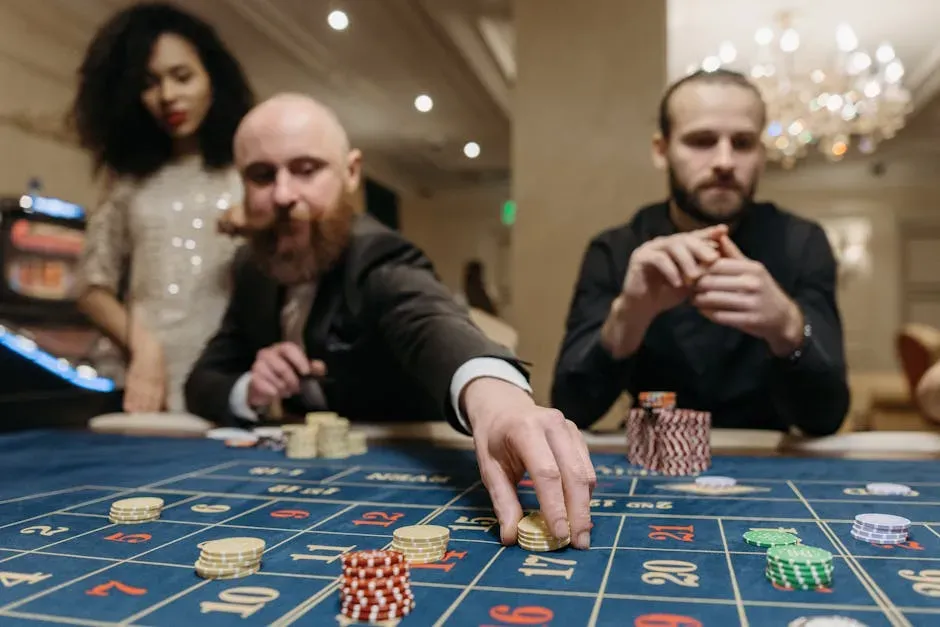
Before jumping in, watch others play. Casinos have a unique flow and observing can help you learn the unwritten rules quickly. You’ll pick up on habits, betting styles, and subtle cues that aren’t posted anywhere. Think of it like joining a pickup basketball game. You don’t just sprint onto the court while a play is happening. You wait on the sideline, read the game, and find your moment. The rule is clear: don’t jump into a hand in progress. Wait until the dealer signals it’s fine to join.
Rule #3: Handle Your Chips Like You’ve Done This Before

Few things mark a newcomer faster than improper chip handling. It’s not just about looking smooth. It’s about keeping the game fair, readable, and moving at a decent pace. Place your chips neatly when betting. Don’t throw them or “splash the pot,” which means throwing chips in a messy pile. Avoid reaching across the table or touching anything that isn’t yours.
There’s also a rule many first-timers completely ignore. Casino dealers aren’t allowed to take money directly from you. Instead, place your cash flat on the table. The dealer will spread it out, count it aloud, and exchange it for chips in view of surveillance cameras. This isn’t bureaucratic theater. It’s a fraud protection system, and it matters to everyone at that table. Mess with it, and you will get stared at. Hard.
Rule #4: Keep Your Hands to Yourself (Seriously)
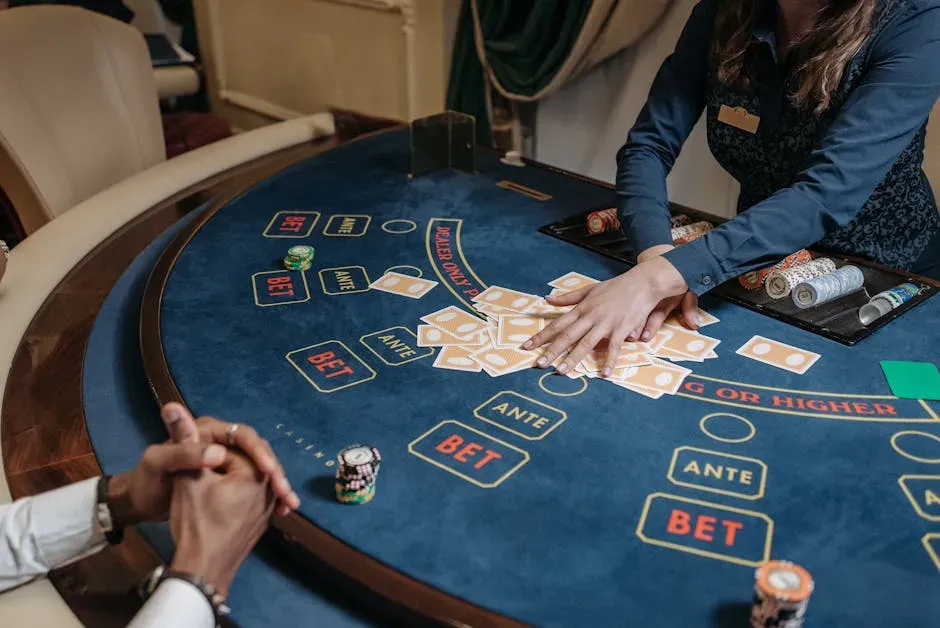
This might be the most literally enforced rule on the gaming floor. Don’t touch other players’ chips or cards. Respecting personal space is paramount. Refrain from touching other players’ chips or cards without permission, as this can cause confusion and discomfort.
It goes even deeper than politeness. The unwritten law of casino etiquette is that when your cards are dealt face-up, you never touch them. Alternatively, if your cards are dealt face down, then you can only touch your cards with one hand. There’s a reason for this. Touching cards after the dealer lays them down can indicate cheating, so always follow the rule. Even well-meaning actions can raise eyebrows. Even helping someone pick up dropped chips can look suspicious on camera. If you need help, ask the staff before taking action yourself. A quick word with the dealer is always safer than acting impulsively.
Rule #5: The Eye in the Sky Is Always Watching

You might think nobody notices that little thing you just did. They noticed. Cameras positioned strategically above tables and slot machines record every movement, including every card dealt, every dice rolled, and every bet placed. High-definition video can be reviewed to ensure that games are conducted properly, and any disputes can be resolved quickly and transparently.
If the winnings and experience aren’t quite enough incentive to be on your best behavior, you might want to remember that there’s always an eye in the sky. Disregarding the rules can get you more than penalized. A ban is also possible. I know it sounds dramatic, but it happens. At a locals’ casino, where the staff knows most regulars by face, a ban is both real and extremely awkward. Don’t be that person.
Rule #6: Put the Phone Away at the Table

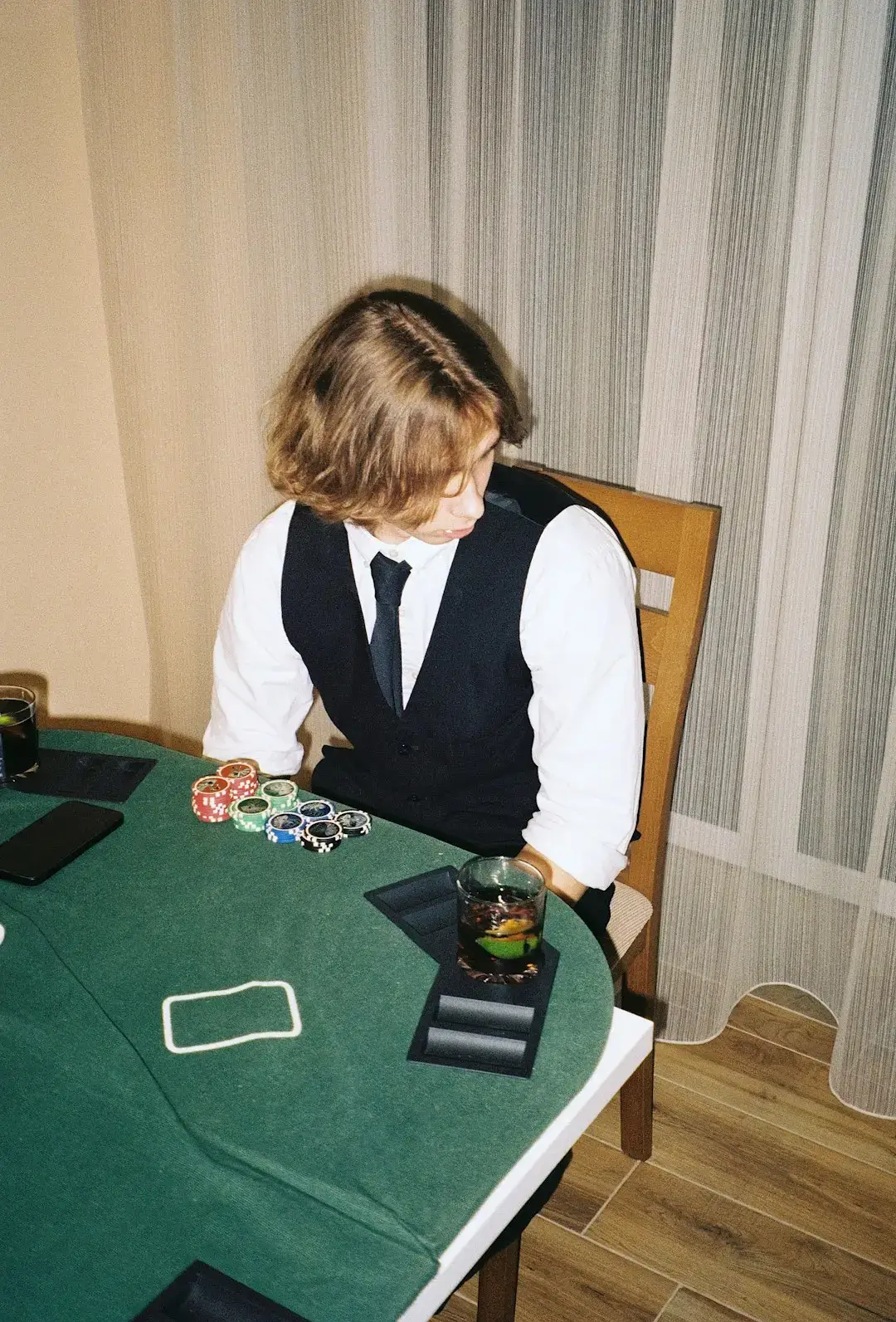
This one seems so obvious it shouldn’t need saying. Yet somehow, every weekend, someone is scrolling Instagram between hands. Most casinos ban mobile phones at table games. Step away to take a call or text. The reason is practical as much as it is social. Using the phone at the table is a big no in most casinos. It can distract other players, and some casinos even consider it suspicious behavior. If you need to call or send a message, move away from the table.
Partner offer

Think of it this way. You’re sitting around a shared game with strangers who are trying to concentrate. Someone pulling out a phone is like someone having a loud personal call during a chess tournament. Even if you’re only playing slots, the locals around you came here to focus, not to hear your text notification sound seven times in a row.
Rule #7: Tip the Dealer, and Tip Them Properly

Here’s a fact that surprises many newcomers. A big portion of a card dealer’s earnings comes from tips. Dealing is a demanding business and requires a significant amount of emotional, physical, and mental energy. At a locals’ casino, the dealers are often long-term employees who know the regulars personally. Stiffing a tip isn’t just rude here. It genuinely affects someone’s livelihood.
Tipping is an unspoken expectation of table game etiquette. Nobody expects you to part with your last dollar, but for small wins, a $1 shouldn’t be too hard to spare. If you’re on a hot winning streak, you can show a little gratuity with a $5 tip when you leave the table. Even for complimentary drinks, it’s common to tip $1 to $2 per drink. Doing so often results in faster, more frequent service. Bartenders and cocktail servers remember who tips and who doesn’t. The regulars definitely do.
Rule #8: Don’t Offer Unsolicited Advice to Other Players
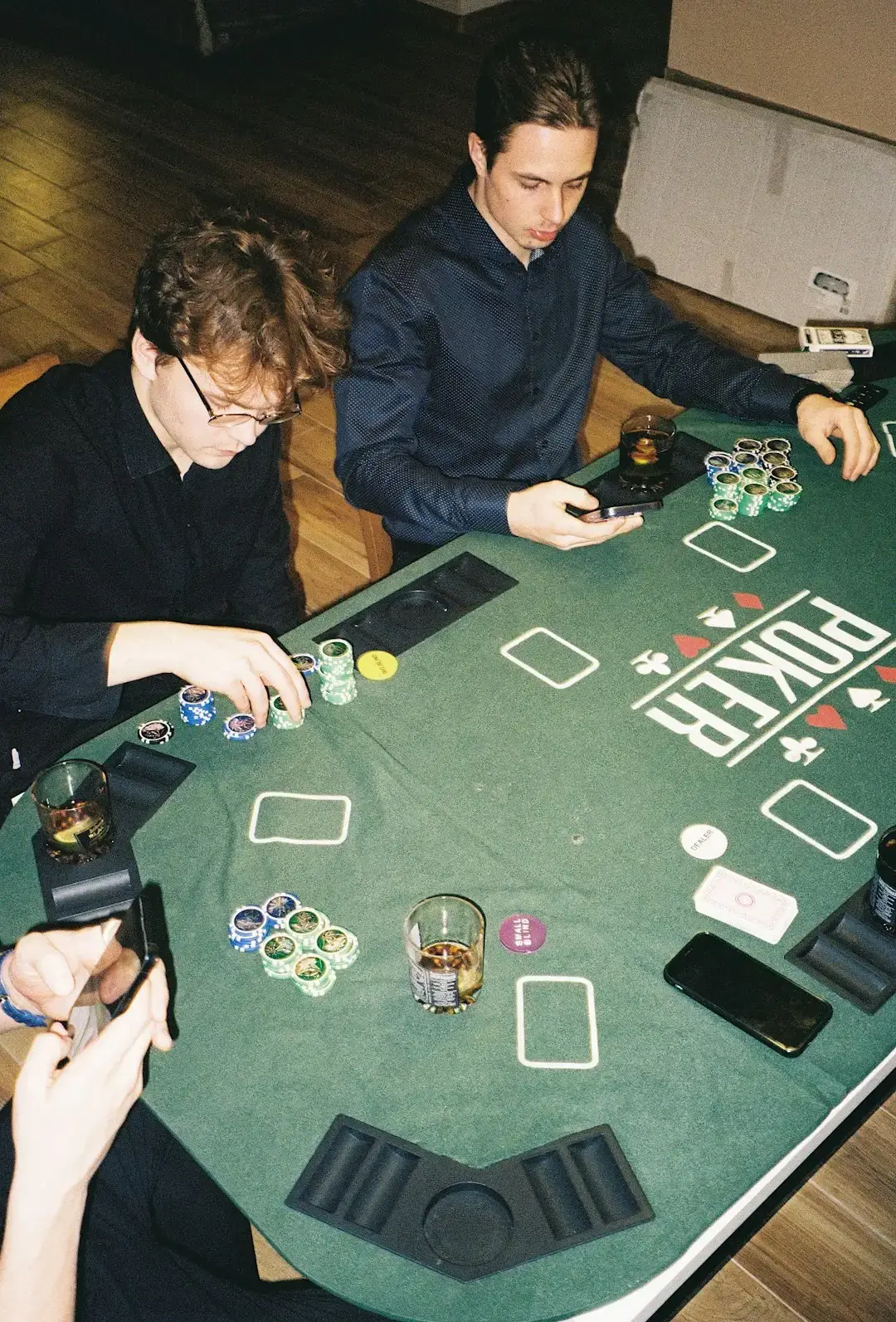
You think you spotted something. Maybe the person next to you made a questionable call, or their blackjack strategy looks a little shaky. Leave it alone. Helping another player at the table, whether friend or stranger, is frowned upon. Offering advice, no matter how well-meaning, can disrupt the game and annoy other players.
This rule is especially important at a locals’ casino, where players have often developed their own systems, superstitions, and habits over years of play. Nobody asked for your input. When playing poker in a casino, it is essential to observe certain rules and poker etiquette. As a player, it’s crucial to be aware of the unwritten rules, to respect the employees and other players at the table, and to behave in a professional manner. Coaching uninvited is almost always perceived as condescending, even if you’re just trying to help. Save the poker tutorial for a home game.
Rule #9: Control Your Reactions, Win or Lose

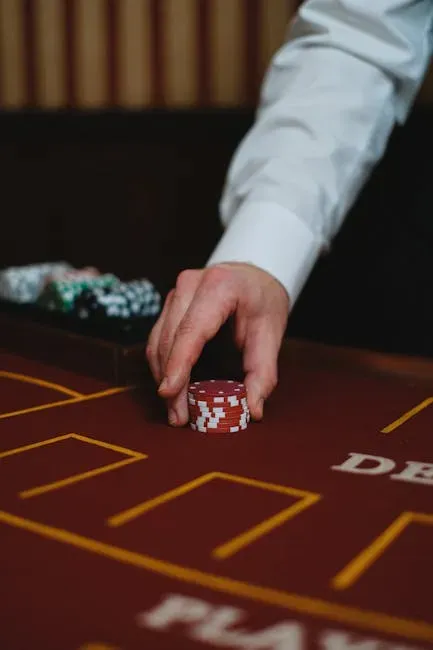
Celebrations happen. That’s part of the game. But there’s a line between natural excitement and making everyone else at the table feel awkward or disrespected. When you win or lose a pot, don’t overreact in joy or anger. Be respectful of the other players.
Breaking etiquette can lead to more than dirty looks. Casinos take certain behaviors seriously. Arguing with staff, being too drunk, or harassing other guests can get you booted or even banned. At a tourist casino, you might get away with one outburst in the noise and chaos. At a quiet locals’ venue where the pit boss knows everyone? You’ll be remembered. And not in a good way. Games in the casino can be intense, but it is important to remain calm. Don’t scream, swear, or show disappointment. If you need to cool down, take a break and move away from the table.
Rule #10: Learn the House Rules Before You Sit, Not During
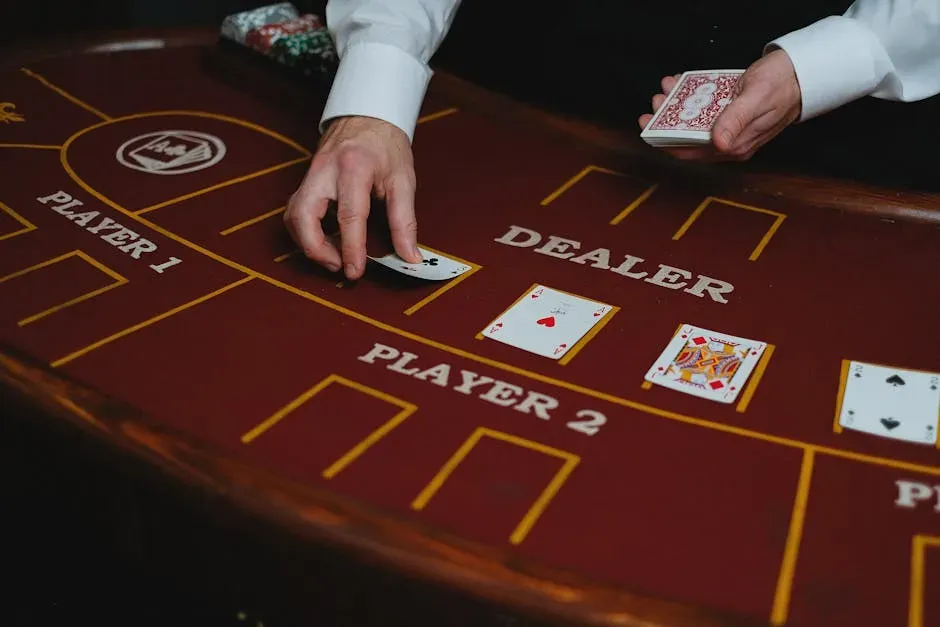
Every casino has its own specific set of written and unwritten rules, and the locals already know them all. You showing up and learning on the fly at the expense of everyone else’s time is, at best, mildly annoying. At worst, it slows down a game that people are genuinely there to play.
Every casino has its own unique set of rules that dictate gameplay and behavior within its premises. Before diving into the action, take the time to carefully read and understand these house rules. Ignorance is not an excuse, and violating these rules can lead to unintended disruptions and even financial penalties. Before you sit down at a gaming table, whether it’s blackjack, poker, or roulette, make sure you understand the basic rules of the game. Not only does this increase your chances of winning, but it also shows respect for the other players and the dealer. A five-minute walkthrough on your phone before you leave the car is worth more than any amount of mid-game fumbling.
A Final Word on Being a Guest in Someone Else’s Space

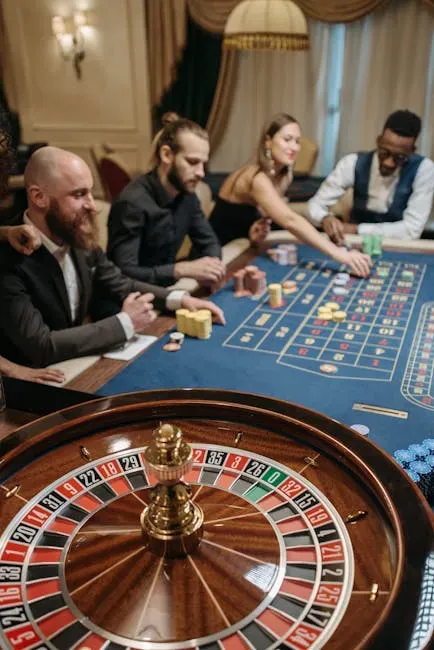
The locals’ casino is a community. A strange, neon-lit, occasionally smoke-filled community, but a community nonetheless. The people who show up there week after week have created something real, even if it’s informal and unspoken. There are rhythms, personalities, faces, and quiet rituals that outsiders don’t immediately see.
Casino etiquette is not just about adhering to social norms. It’s about creating an environment where all players can enjoy themselves without unnecessary disruptions. Maintaining mutual respect, patience, and mindfulness contributes to the seamless flow of the game and fosters a positive atmosphere for everyone involved.
The good news is none of this is complicated. It really comes down to being aware, being respectful, and resisting the urge to make yourself the center of attention. Casino etiquette isn’t just about rules. It’s part of the fun. Playing with grace and respect enhances your experience and helps you earn the same in return.
The locals will notice when you get it right. They just won’t say anything. And honestly? That’s the highest compliment you’ll ever get at a casino. So next time you walk into a locals’ venue, ask yourself: am I a guest who fits in, or am I “that guy”? The answer is entirely up to you.
Partner offer
Planning a trip to Vegas?
Compare hotel rates and show tickets on VEGAS.com.


