
have become an art form in their own right. They’re more than just visual accompaniments to songs. They’re cultural phenomena that shape how we experience music. But behind every iconic video lies a story most viewers never hear about.
From budget disasters to last-minute creative pivots, the making of these visual masterpieces involves drama, genius, and sometimes pure chaos. The stories behind the camera are often just as compelling as what we see on screen. Let’s dive into the fascinating, sometimes bizarre tales that shaped music video history.
Michael Jackson’s “Thriller” Nearly Bankrupted Its Director
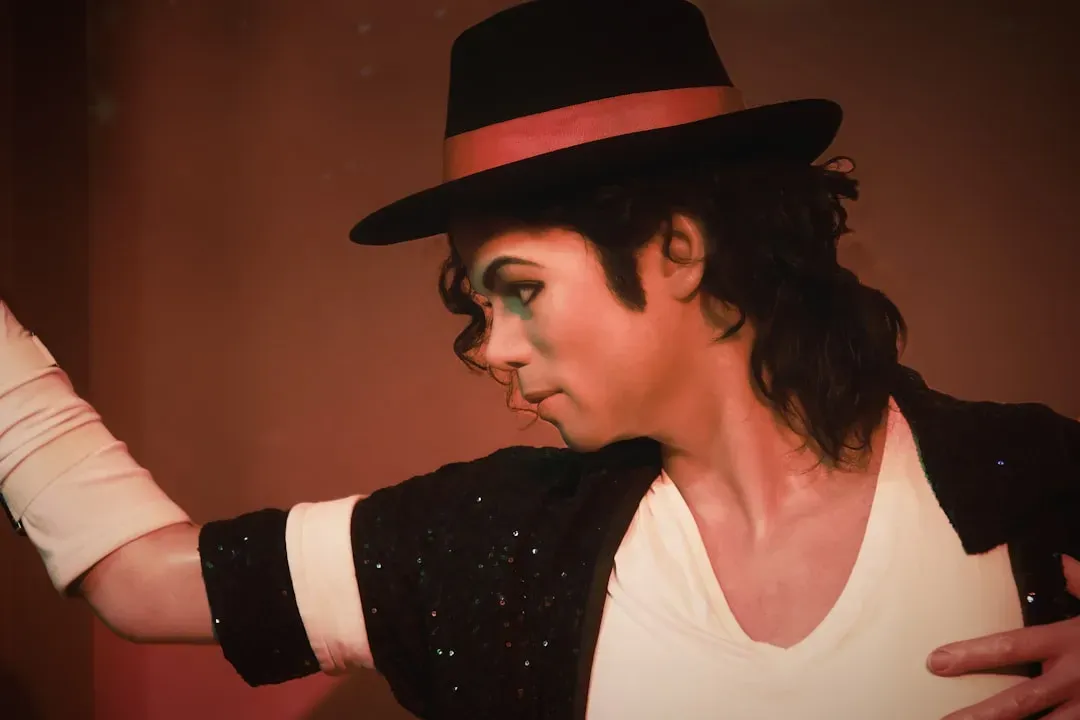
John Landis poured half a million dollars into creating what would become the most famous music video ever made. At the time, that budget was absolutely insane. Most videos cost maybe twenty thousand dollars. Landis mortgaged his house to finish the production.
The fourteen-minute short film required professional makeup artists, choreographers, and dozens of dancers dressed as zombies. Jackson himself was terrified of the final product. He wanted to destroy it because of his Jehovah’s Witness beliefs about promoting the occult. The compromise? Adding a disclaimer at the beginning stating the video doesn’t reflect Jackson’s personal beliefs.
Vincent Price recorded his iconic narration in just two takes. The legendary horror actor charged only twenty thousand dollars for his contribution. That laugh at the end became one of the most recognizable sounds in pop culture history.
Nirvana’s “Smells Like Teen Spirit” Featured Actual Janitors

Director Samuel Bayer had never made a music video before landing this project. The entire shoot took place in a high school gym over one chaotic day. Kurt Cobain specifically requested the setting feel like a punk rock show inside a school.
The janitor sweeping through several scenes wasn’t an actor. He actually worked at the facility. Bayer decided to keep him in frame because it perfectly captured the apathy and irony Nirvana represented. The band destroyed their instruments at the end in one take because they couldn’t afford replacements for a second attempt.
Cobain hated lip-syncing so intensely that he deliberately sang off-beat and exaggerated his mouth movements. He thought the whole concept of was ridiculous. That disdain somehow made the final product feel even more authentic and raw.
Madonna’s “Like a Prayer” Sparked Actual Riots

Pepsi paid five million dollars to debut this video during a commercial spot. Within days, they pulled all advertising because the imagery caused international controversy. The Vatican condemned Madonna. Religious groups organized protests outside theaters and television stations.
The video featured burning crosses, stigmata, and Madonna kissing a black saint. Director Mary Lambert wanted to explore themes of racial justice and religious hypocrisy. The backlash was immediate and fierce. Some countries banned the video entirely.
Madonna kept the Pepsi money. Her contract stated she’d appear in their commercial, which she did. Nothing specified what her actual music video could contain. It was a brilliant business move that made the controversy even more profitable.
OK Go’s Treadmill Dance Required Seventeen Takes
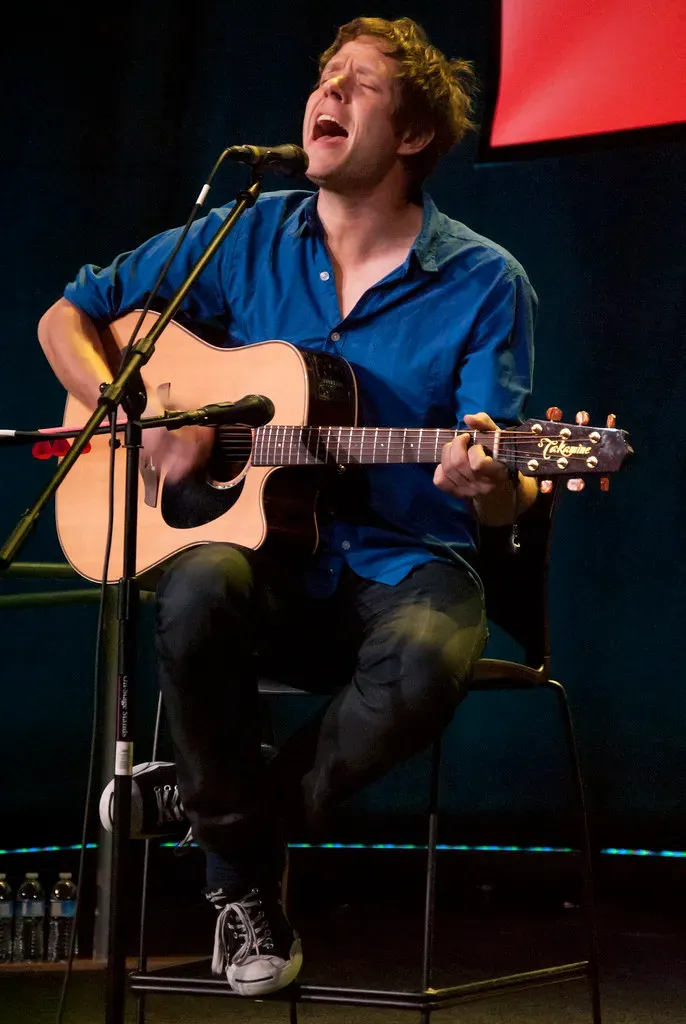
The band choreographed “Here It Goes Again” themselves in lead singer Damian Kulash’s backyard. They practiced for weeks before approaching director Trish Sie. The goal was creating something that looked effortless despite being incredibly difficult.
They filmed in one continuous shot with no edits or tricks. Each failed attempt meant starting completely over from the beginning. Band members suffered bruises, twisted ankles, and endless frustration. The seventeenth take finally worked.
This video launched a new era of viral music content. It proved bands didn’t need massive budgets to create something memorable. Creativity and dedication could beat out expensive production values. YouTube views skyrocketed into the tens of millions.
Fatboy Slim’s “Weapon of Choice” Almost Never Happened
Christopher Walken initially turned down the project. Director Spike Jonze spent weeks convincing him to reconsider. The concept was simple yet bizarre. Walken would dance alone through an empty hotel lobby for three and a half minutes.
Walken trained with a choreographer for two weeks before filming. He’d been a dancer earlier in his career but hadn’t performed in years. The flying sequences used hidden wires and clever camera angles. Some moments required over twenty takes to capture correctly.
The entire video was shot during one long night at the Marriott in downtown Los Angeles. Hotel guests were told to avoid the lobby. Walken wore the same suit he’d worn in another film. That deadpan expression mixed with fluid movement created pure magic.
Beyoncé’s “Single Ladies” Changed Pop Dance Forever

The black and white video was inspired by a 1969 Bob Fosse routine. Choreographer JaQuel Knight created moves that millions would attempt to recreate. Those hand movements and hip swivels became a cultural phenomenon. The simplicity was deceptive.
They filmed the entire video in one day using minimal equipment. Director Jake Nava wanted it to feel raw and immediate. Beyoncé and her two backup dancers performed the routine multiple times until they nailed it. One continuous shot with slight speed adjustments.
The video sparked thousands of tribute videos and parodies. Saturday Night Live featured it. Justin Timberlake dressed in drag to perform it. It proved that elaborate sets and special effects weren’t necessary for massive impact. Sometimes less really is more.
A-ha’s “Take On Me” Took Sixteen Weeks to Animate
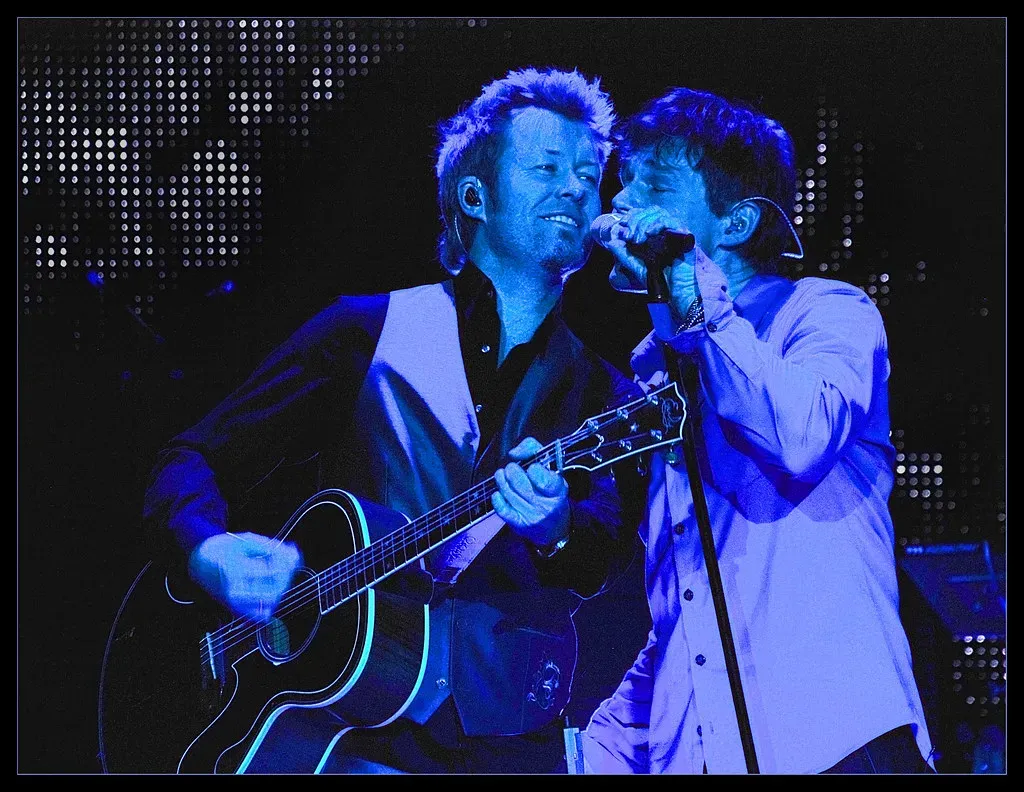
Animator Michael Patterson and his team drew over three thousand frames by hand. Each drawing was then photographed individually to create the rotoscoping effect. The technique blended live action with pencil sketches. It looked unlike anything else on MTV.
The video initially flopped when first released. A-ha’s label tried again a year later with better promotion. The second release turned it into one of the most iconic videos of the eighties. Sometimes timing matters as much as quality.
Lead singer Morten Harket performed opposite actress Bunty Bailey. Their romantic storyline captured viewers’ imaginations. The fantasy of being pulled into a comic book world resonated deeply. That transition between reality and animation still looks impressive decades later.
Johnny Cash’s “Hurt” Was Filmed During His Final Days
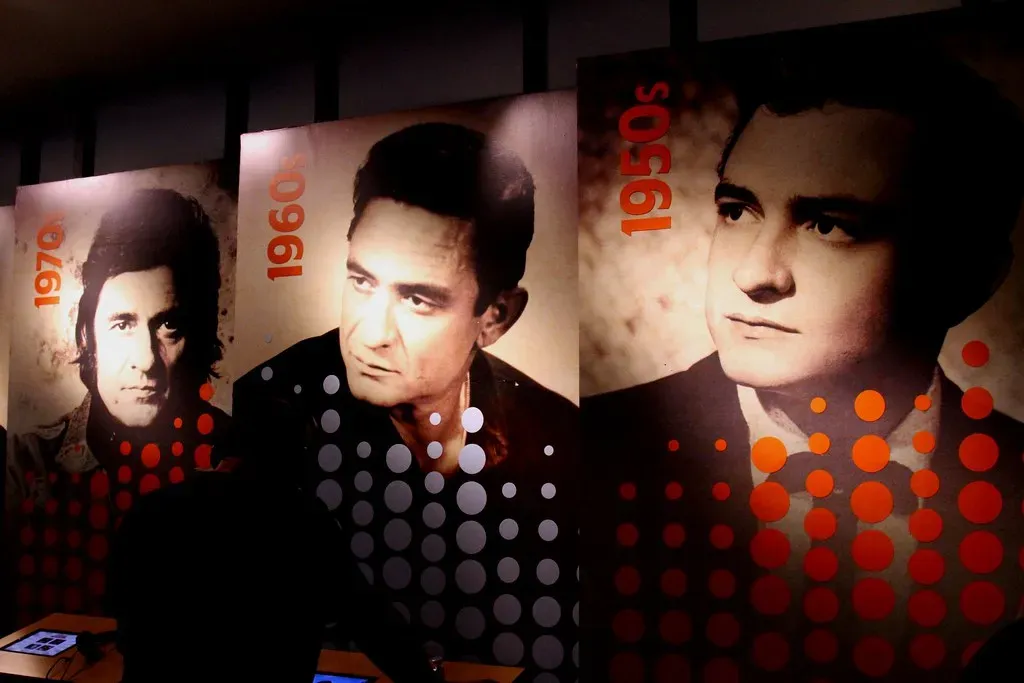
Director Mark Romanek captured Cash at his most vulnerable. The aging legend was sick and weak. His wife June appeared briefly in the video. She would die just three months after filming. Cash himself passed away seven months later.
The video featured footage from Cash’s museum, which had been badly damaged by flooding. Seeing his memorabilia destroyed added layers of melancholy. Romanek intercut this with close-ups of Cash’s weathered face and trembling hands. The raw emotion was almost unbearable to watch.
Nine Inch Nails frontman Trent Reznor, who wrote the song, said watching Cash’s version felt like the song wasn’t his anymore. That’s the highest compliment one artist can give another. Cash transformed it into something entirely different and profoundly moving.
Peter Gabriel’s “Sledgehammer” Required Twenty-Four Hours of Stop Motion
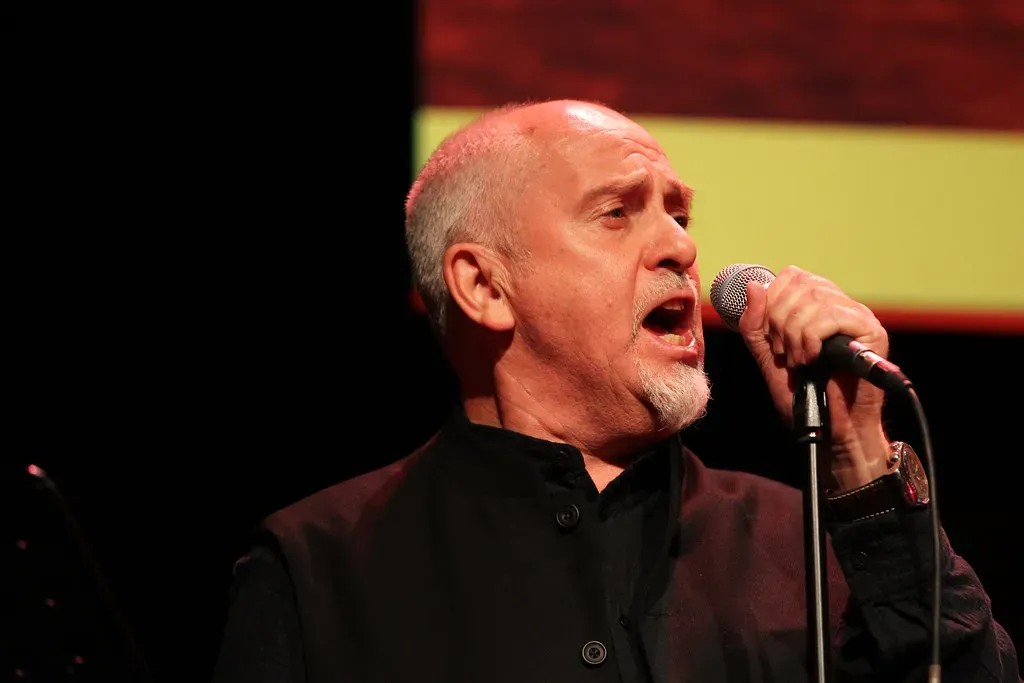
Gabriel lay on a specially designed table for sixteen straight hours during filming. His head was locked in place while cameras captured thousands of individual frames. The claymation and animation effects were painstakingly created frame by frame.
Brothers Quay and Stephen Johnson directed using techniques borrowed from experimental animation. Fruits danced across Gabriel’s face. His body transformed into moving trains and buildings. The surreal imagery pushed boundaries of what could achieve technically.
This video won nine MTV Video Music Awards. It held the record for most wins for decades. The production cost over eight hundred thousand dollars. That investment paid off by cementing Gabriel’s status as a visual innovator willing to suffer for his art.
The White Stripes’ “Fell in Love with a Girl” Used Lego Bricks

Director Michel Gondry spent weeks building and photographing Lego constructions. Each frame required careful placement and lighting. The stop-motion technique resulted in a pixelated, jerky aesthetic that perfectly matched the raw garage rock sound.
Jack and Meg White never actually touched any Legos during production. Gondry created their animated versions based on performance footage. The entire video runs barely two minutes because the song itself is extremely short. Every second required meticulous planning.
This approach inspired countless other artists to experiment with unconventional animation techniques. It proved could be artistic statements rather than just promotional tools. The playful creativity contrasted beautifully with the song’s aggressive energy.
Conclusion
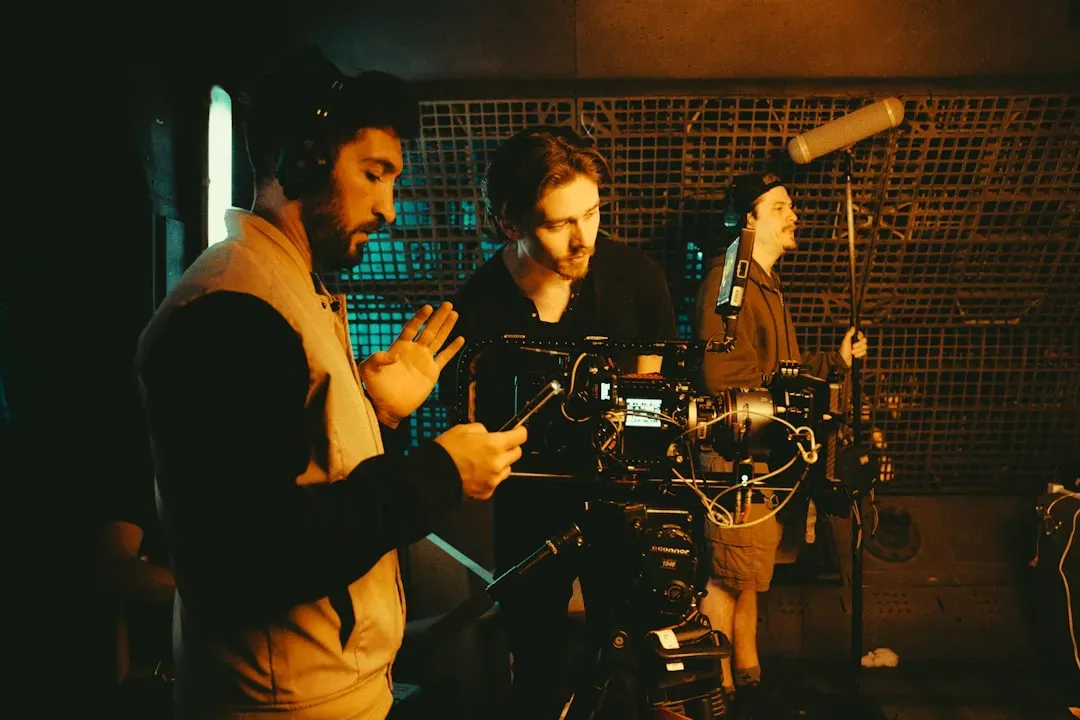
These stories reveal the passion, chaos, and creativity behind videos we’ve watched countless times. What seems effortless often required immense suffering, innovation, or sheer stubbornness. Directors pushed technical boundaries while artists sacrificed comfort and sometimes safety for their vision.
Next time you watch a music video, consider what might have happened behind the scenes. Someone probably bled, cried, or went broke creating those three minutes of entertainment. That’s what makes them truly iconic. What’s your favorite music video story? Tell us in the comments.