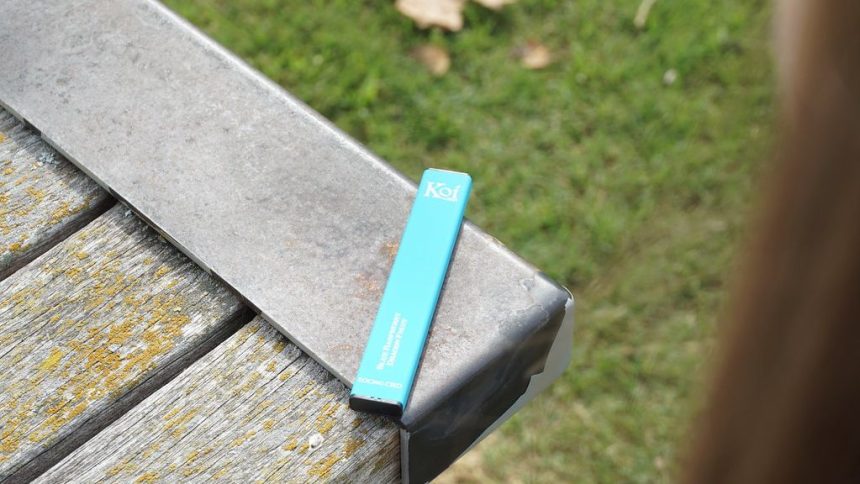
There is something deeply unsettling happening in the hallways, bathrooms, and parking lots of schools across the United States. A product that was never legally meant for children has quietly carved out a thriving underground economy right inside the buildings where kids are supposed to be learning. We’re talking about vapes, e-cigarettes, the disposable sticks of flavored vapor that look harmless enough in a colorful package but carry a payload of addictive nicotine powerful enough to rewire an adolescent brain.
It’s not just a big-city problem. It’s not limited to “troubled” schools. Honestly, the data tells a story that is both more complicated and more alarming than most parents realize. From rural communities to suburban campuses, the vapor trail leads everywhere. Let’s dive in.
The Scale of the Problem: What the Numbers Actually Say

Let’s start with the raw reality. In 2024, e-cigarettes were the most commonly used tobacco product among middle and high school students in the United States, with 1.63 million students currently using them. That’s a city the size of Philadelphia filling its schools with kids who vape.
In 2024, 2.25 million middle and high school students reported current use of any tobacco product, compared to 2.80 million in 2023. This decline was largely attributable to a significant drop in the number of students who reported current e-cigarette use, from 2.13 million in 2023 to 1.63 million in 2024. Progress, yes. Victory? Not quite.
E-cigarette use among middle and high school students steadily increased from 2011, reaching its peak at 27.5% of high school students using e-cigarettes in 2019. The numbers have come down since then, but the habit never left the building. Literally.
Illegal Products Are Flooding the Market
Here’s the thing that makes this story especially troubling. Most of what students are actually using isn’t just against school rules. Much of it is federally illegal to sell in the first place. Up to 85% of e-cigarette devices and pods sold in U.S. retail outlets are illegal products. That’s a staggering figure.
Thousands of flavored, high-nicotine, and relatively cheap e-cigarette products remain on the market, many of them illegally, driving youth use and nicotine addiction. The legal pathway for these products is narrow. As of September 2025, there are only 39 FDA authorized e-cigarette products for sale to persons over the age of 21.
Sustained e-cigarette use among young people can in part be credited to products remaining on the market illegally for years without FDA authorization. While the FDA has denied permission to market some e-cigarette products and has recently stepped up enforcement efforts, enforcement has been slow and many of the most popular e-cigarettes among youth remain on the market. Think about that for a moment.
The Disposable Vape: Cheap, Concealable, and Everywhere
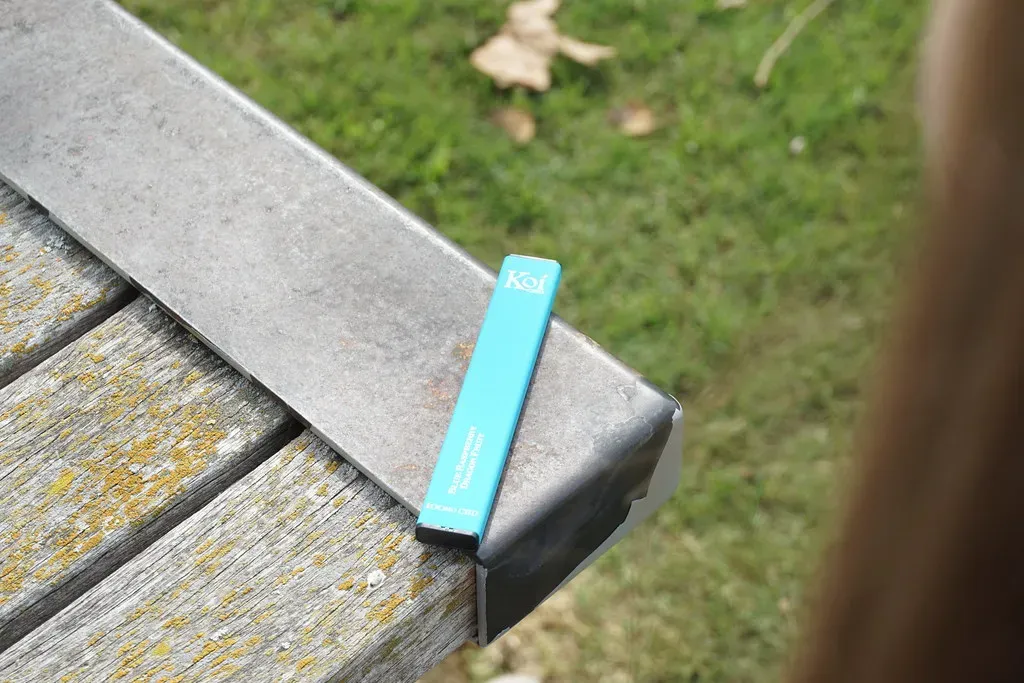
Disposable e-cigarettes were the most common type of vape used, at 55.6%, by current vape users in 2024. There is a reason for that. These single-use sticks require no charging, no refilling, and they slip easily into a backpack or a jacket pocket without anyone noticing.
The high percentage of students unsure about their device type reflects the constantly evolving product landscape and sophisticated disguise of vapes as everyday objects like USB drives, highlighters, or key fobs. You read that right. Kids are walking into classrooms with what looks like a school supply and taking hits off nicotine in plain sight.
Disposable e-cigarette use increased from 55.8% in 2024 to 66.7% in 2025, while pod and cartridge device use declined. The trend is moving in entirely the wrong direction when it comes to the most concealable, hardest-to-trace device type. The product landscape is not standing still.
Flavor as a Recruitment Tool

I know it sounds cynical to say that candy-flavored nicotine is a deliberate strategy. It is. In 2024, 87.6% of current e-cigarette users vaped flavored e-cigarettes. The flavors are not an accident. They are the point.
Over half of students who use e-cigarettes reported using products with “ice” or “iced” in the flavor name, indicating a preference for cooling effects combined with fruit or candy flavors. These products are engineered to go down easy, to feel refreshing rather than harsh. That smoothness is precisely what makes them more addictive faster.
Among students who currently use e-cigarettes in 2024, the most commonly reported brands are Elf Bar, Breeze, Mr. Fog, Vuse, and JUUL. Many of these brands have no FDA authorization for sale whatsoever, and they remain on shelves and in students’ pockets regardless. The most commonly reported brand among e-cigarette users in 2025 was Geek Bar, at 61.1%. The brands rotate. The habit doesn’t.
How Kids Actually Get Their Hands on Vapes

This is where the investigation gets uncomfortably real. Parents often assume their kids can’t buy a vape because the age limit is 21. Federal law, effective since December 2019, prohibits the sale of e-cigarettes and other tobacco products to individuals under 21. The law is clear. Enforcement is not.
A high school student told investigators that roughly three quarters of kids at his school vape and that almost everyone he knows does it. He said most kids he knows go to a local vape shop because they don’t card minors. “I just walk into the vape shop, pick what I want, and they sell it to me. No carding, no questions asked.” Troubling? Absolutely. Surprising? Sadly not.
In 2022, young people most commonly acquired e-cigarettes through social sources, at nearly 57%, followed by retail sources at roughly 43%. Social sourcing means older peers, siblings, even adults buying on their behalf. The school market doesn’t need a storefront when it runs on peer networks.
The School Bathroom as Ground Zero

Vaping typically begins in middle school and becomes entrenched by 9th and 10th grade. Educators report that school bathrooms serve as particular hot spots for vaping activity. Every teacher and administrator who has read this far is probably nodding right now. The bathroom pass has become something else entirely.
A high school student paces by the classroom door as the clock ticks down to the next period. Another student is irritable all class. A third student leaves the classroom at the same time every day, likely meeting up with friends in the bathroom. What is the common denominator among all these teenagers? Many educators will tell you: it’s the vape in their pocket.
The data shows that students still choose to vape despite knowing the consequences. Nearly all teenagers who vape view teen vaping as a problem, with around 61% of vaping teens considering themselves to be addicted and roughly 54% wanting to quit vaping altogether. That’s an addiction pattern. Not a choice. There’s a real difference.
What Nicotine Actually Does to a Teenager’s Brain

Think of the adolescent brain as a construction site in full swing. The scaffolding is still up. The walls are still going in. Disrupting that process has consequences that can last a lifetime. The human brain continues to mature until a person is in their mid-20s. The prefrontal cortex, the part of the brain responsible for functions like impulse control, develops significantly during adolescence and young adulthood. Using nicotine while the brain is still developing can have long-lasting effects because it dysregulates activity in the brain’s neuronal circuits.
Using nicotine during adolescence can harm the parts of the brain that control attention, learning, mood, and impulse control. Adolescents who use nicotine may be at increased risk for future addiction to other drugs. These are not theoretical warnings. This is documented neuroscience.
Many teenagers who vape experience poor concentration, anxiety, mood disorders, and sleep disturbance. A paper published in the New England Journal of Medicine in 2022 reported a case series where chronic vaping resulted in small airway fibrosis of the airways. A systematic review conducted in 2021 concluded that teenager vapers were three to five times more likely to take up tobacco smoking compared with non-vapers. The gateway isn’t theoretical either.
The Addiction Crisis Hidden Inside the Decline
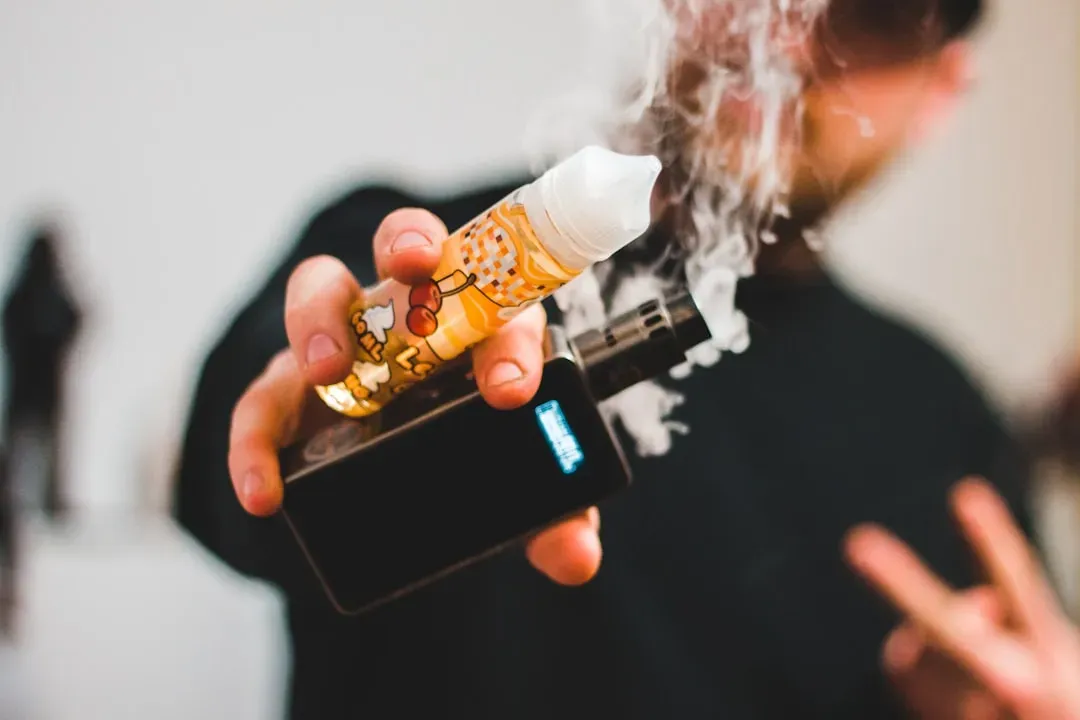
There is a genuinely deceptive number being celebrated in public health circles. Yes, overall youth vaping rates have declined. That’s real. What’s not being said loudly enough is what happens to the kids who keep using. Between 2020 and 2024, daily nicotine vaping nearly doubled among adolescents who vaped. Since 2019, overall rates of nicotine vaping have declined among U.S. youth, but those who continue to vape are showing signs of worsening addiction. The share of current users who vaped every day increased from 15.4% to 28.8%. Over the same period, the share of daily users who tried to quit but were unable to rose from 28.2% to 53%.
It is deeply troubling that of the youth who vape, more than a quarter do so daily, which shows a high addiction rate. Fewer kids are starting. The ones who started are trapped. That’s not a victory. That’s a new phase of the crisis.
Perhaps most concerning is the acceleration of daily vaping in rural communities. Research shows that daily vaping among rural youth jumped from 16.4% in 2020 to 41.8% in 2024, outpacing rates in urban and suburban areas. This spike has prompted researchers to investigate potential causes, including differences in product access, marketing exposure, and prevention messaging. Rural students, often with fewer resources and less prevention infrastructure, are bearing the heaviest load.
Enforcement Crackdowns: Raids, Seizures, and State-Level Battles
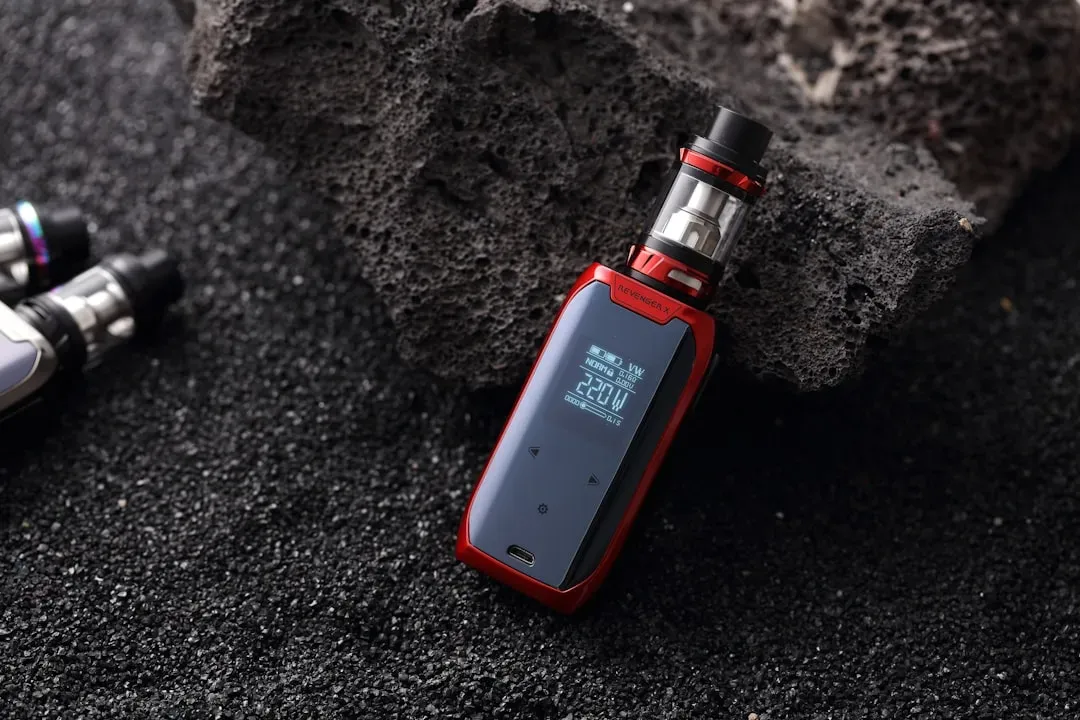
Federal agencies are not sitting entirely on their hands. Federal enforcement efforts have seized millions of unauthorized devices, but illegal sales persist. HHS and U.S. Customs and Border Protection announced the seizure of 4.7 million units of mostly Chinese unauthorized e-cigarette products with an estimated retail value of $86.5 million. The seizure was part of a joint federal operation in Chicago to examine incoming shipments and prevent illegal e-cigarettes from entering the country.
States are starting to legislate more aggressively. Texas enacted one of the nation’s most sweeping vape product bans, focused on product origin and packaging. Florida’s HB 1007 requires the Attorney General’s Office to create and publish a directory listing all single-use disposable e-cigarette products that are both deemed attractive to minors and lack FDA authorization. The problem is that each state is fighting its own battle while the illegal supply chain operates nationally.
New York City announced the successful closure of Price Point Distributors, a national company, from selling illegal e-cigarettes and vape products. In July 2023, the city had filed a federal lawsuit against four major distributors of illegal flavored vapes, including the nation’s largest vape distributor. In April 2024, a second lawsuit was filed against 11 wholesalers located in New York City. Both actions target distributors for their part in the illegal sale of flavored disposable e-cigarettes, the most popular vaping devices among middle and high school youth.
Schools Fight Back: Detection, Prevention, and the Road Ahead

Some middle schools and high schools are turning to vape detectors to crack down on student vaping. These sensors can detect the chemical signature of vapor in enclosed spaces like bathrooms, triggering alerts to administrators. It’s a technological arms race, and it’s expensive. Not every school district can afford it.
A quit program called This is Quitting has helped over 780,000 youth and young adults quit vaping by incorporating messages from other young people who have attempted to, or successfully quit, e-cigarettes. Research shows the quit-vaping program increased odds of quitting among young adult e-cigarette users aged 18 to 24 by nearly 40% compared to a control group. A separate study published in 2024 found that participants who used the program were 35% more likely to report not using nicotine after the 7-month study period. That’s meaningful, measurable progress at the individual level.
Still, the bigger picture requires more than apps and detectors. Including adults in anti-vaping efforts in meaningful ways is critical. Focusing only on the kids and not involving parents, caregivers, teachers, principals, coaches, and even after-school providers will fail to have a meaningful impact on curbing adolescents’ vaping use. The vapor doesn’t stay in the bathroom. It follows kids home, into their friendships, into their future health.
The valley of vapor spreading through local schools is not a niche story or an exaggerated headline. It is a fully documented, federally tracked public health crisis playing out in real time, in real buildings, affecting real kids. The evidence already points to a troubling cycle: stress leads to vaping, which leads to more stress and dependency. Breaking that cycle demands more than policy papers. It demands action from every adult in the room.
What would you do if you found out your child’s school was a market for illegal nicotine products? Tell us in the comments.