


A City Where Crime Anxiety Meets Legal Complexity


With a crime rate of 32 per one thousand residents, Las Vegas has one of the highest crime rates in America compared to all communities of all sizes, from the smallest towns to the very largest cities. That kind of statistic tends to stick in people’s minds, and it’s the type of number that makes some residents think twice about waiting for law enforcement to handle things. The frustration is understandable. The legal risks that follow from acting on it, however, are not always as obvious as people assume.
The Las Vegas crime rate is higher than the national average by 44%, with roughly 7,378 violent crimes recorded, equivalent to about 430 per 100,000 individuals, which places it above the national average by nearly a fifth. Against that backdrop, it’s no surprise that some residents feel compelled to step in. The problem is that Nevada law draws precise, unforgiving lines between what counts as lawful intervention and what crosses into criminal territory. Those lines are easier to cross than most people realize.
What Nevada’s Stand Your Ground Law Actually Allows


Nevada is a Stand Your Ground state, meaning residents do not have a legal duty to retreat from an attacker. That protection sounds broad, and in certain contexts it is. Under Nevada law, specifically NRS 200.120, if you are faced with an aggressor, you can use force to protect yourself without trying to flee first, as long as you are in a place where you have a legal right to be. That last qualifier matters more than people typically appreciate.
Nevada law allows individuals to defend themselves, their families, and their property, but using force in self-defense is not a free pass. The right to use deadly force is limited by strict legal standards, and misunderstanding those boundaries can result in serious criminal charges. The Stand Your Ground doctrine was never designed to be a license for intervention in someone else’s dispute. It protects a person responding to an immediate personal threat, not someone inserting themselves into a situation they witnessed from a distance.
The Thin Line Between Self-Defense and Retaliation


Even if you have a reasonable fear, Nevada law only permits you to use a degree of force that’s proportional to the threat you’re facing. If someone shoves you during an argument, you can’t legally shoot them and claim self-defense because the force wouldn’t be proportional. This proportionality requirement is one of the most common trip wires for people who believe their actions were justified. The law does not simply ask whether you felt threatened. It asks whether a reasonable person in your exact position would have responded the same way.
If the defendant’s actions, especially immediately following the use of force, demonstrate anger or a desire to punish the victim, the self-defense claim may fail. That distinction between defense and retaliation is precisely where vigilante-minded individuals get into serious trouble. Chasing someone who is already fleeing, continuing to use force after a threat has clearly ended, or returning to a scene to “finish” a confrontation are all actions Nevada courts have treated as criminal conduct rather than self-defense.
The Citizen’s Arrest Trap

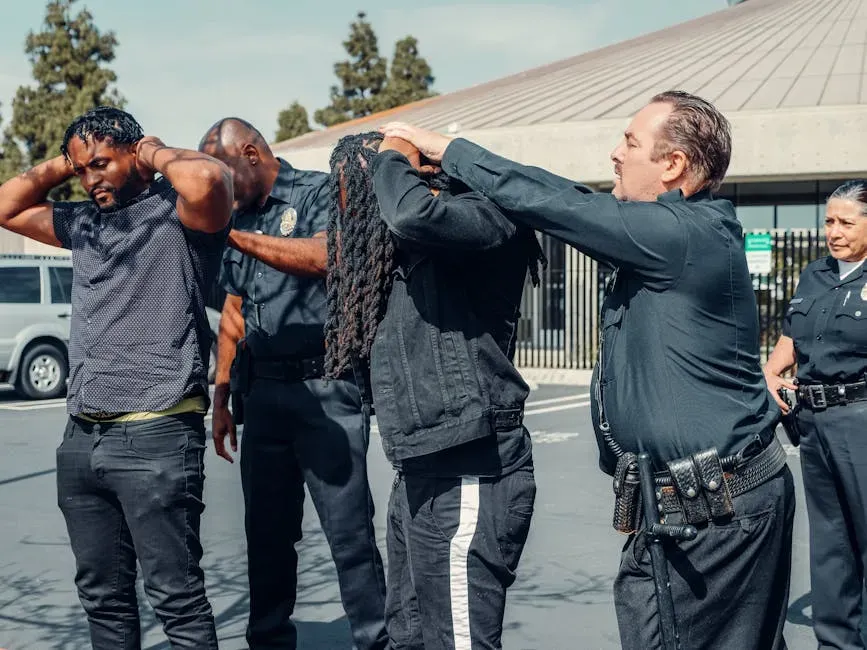
It is perfectly legal in Nevada for a private citizen with no law enforcement experience to arrest another if a crime has been committed. There are two circumstances where this applies: the suspect committed a misdemeanor or gross misdemeanor crime in the presence of the arresting citizen, meaning the arresting person witnessed the actual crime, or the suspect committed a felony apparently known to the arresting person. On the surface, that sounds like a fairly accessible tool. In practice, the conditions are narrow and the consequences of getting them wrong are severe.
You may use no more force than reasonably necessary to detain suspects. Deadly force is never allowed during citizen’s arrests unless you are acting in self-defense. If you execute an illegal citizen’s arrest, you face criminal prosecution depending on the circumstances of the case. Consider what that means for someone who physically restrains a person they only suspected of wrongdoing, based on incomplete information. False imprisonment under NRS 200.460 occurs when you illegally deprive another person of their freedom of movement. Holding someone down during an illegal citizen’s arrest could qualify as false imprisonment, and committing false imprisonment with the use of a deadly weapon is a category B felony carrying one to six years in Nevada State Prison.
When Mistaken Identity Turns Intervention Into a Nightmare

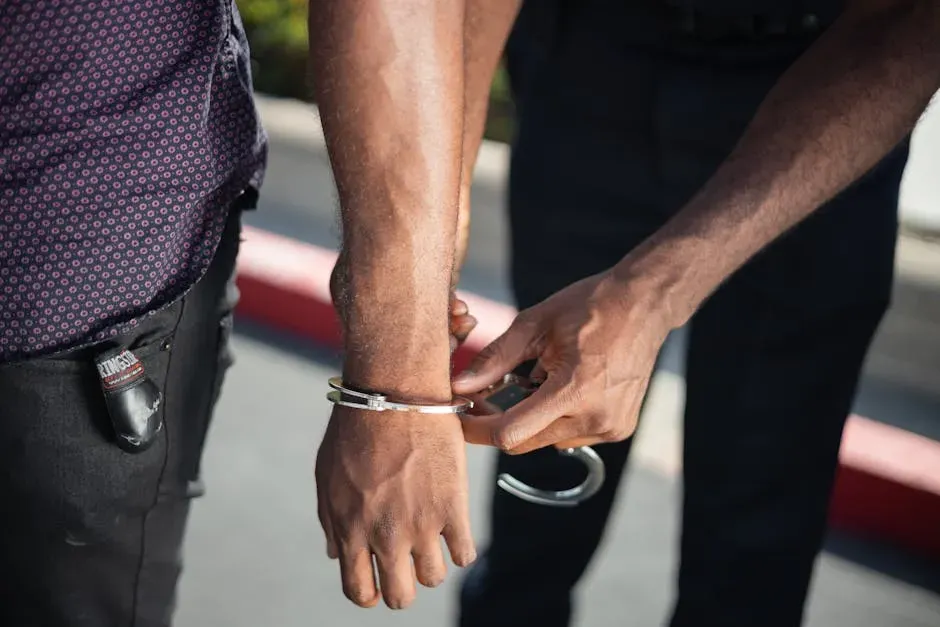
One of the most underappreciated dangers of vigilante action is the simple fact that people make mistakes. In a fast-moving street situation, with adrenaline running high, the likelihood of misidentifying a suspect is substantial. Cases across the country have documented instances where completely innocent people were physically detained, assaulted, or worse because a private citizen was operating on partial or incorrect information. Las Vegas, with its dense foot traffic, large tourist population, and high-stimulation environments, creates more opportunities for exactly that kind of error than most cities.
Partner offer

Unlike some states, Nevada does not provide automatic immunity from arrest or prosecution, and a judge or jury ultimately decides if your actions were legally justified. That means even if you genuinely believed you were stopping a criminal, you could still be charged, arrested, and tried. If you hurt an innocent person in the process, civil liability for damages follows almost as a matter of course, entirely separate from any criminal case against you.
The Civil Lawsuit Dimension Most People Overlook


Nevada law provides civil immunity under NRS 41.095 for individuals who justifiably use deadly force. The key word there is “justifiably.” That immunity does not extend to actions that fall outside the legal definition of justified force, and determining whether your actions qualify requires a full court process. Wrongful injury, false imprisonment, and excessive force can all form the basis of civil lawsuits that proceed regardless of whether criminal charges are ever filed.
Civil damages in these cases can be substantial. A plaintiff can recover for medical costs, lost income, emotional distress, and in some cases punitive damages designed specifically to punish conduct the court views as reckless or malicious. Even a person who genuinely believed they were doing the right thing can face financial consequences that last for years. The criminal system and the civil system operate independently, which means being acquitted of a crime provides no automatic shield from a civil judgment.
How Social Media Is Fueling the Problem


A study examining digital vigilantism on platforms like TikTok analyzed 50 vigilante videos and the hundreds of thousands of comments supporting them, exploring how people employ public exposure to pursue informal justice across a spectrum of perceived harms. That cultural momentum has real-world consequences. When someone watches a viral confrontation video and sees the person filming treated as a hero, it shapes expectations about what ordinary people are supposed to do when they witness wrongdoing. The gap between what looks justified on a phone screen and what is legally permissible in Nevada can be enormous.
Research has shown that digital vigilantism can be traced back to dynamics of social media brutalization, whereby verbal violence becomes an endemic feature of social media interaction, and that it emerged as the product of oppressive social media structures and narratives normalizing violent behaviors. In a city like Las Vegas, where so much daily activity is recorded and immediately shareable, the temptation to perform justice in front of an audience adds an extra layer of poor decision-making to an already dangerous situation. The crowd approving your actions online won’t be paying your legal fees or serving your sentence.
What You Should Do Instead When You Witness a Crime in Las Vegas

The most legally sound response to witnessing a crime in Las Vegas remains calling 911 and cooperating as a witness. Immediately reporting crimes or unusual behavior to the Las Vegas Metropolitan Police Department via 911 or non-emergency lines helps prevent escalation. That might feel frustratingly passive in a high-tension moment, but it preserves your legal standing, protects you from liability, and gives law enforcement the information they actually need to make a lawful arrest. A trained officer with legal authority can do things a private citizen legally cannot.
Self-defense rights require an honest, reasonable belief of imminent danger, and force must be proportional to the threat. Limitations apply when the defender is the aggressor or engaged in criminal activity, and self-defense claims must be supported by evidence in court. If you are ever in a situation where you feel you have no choice but to act, document everything afterward and contact a criminal defense attorney before making any statements to police. The moment following a physical confrontation is one of the worst possible times to try to explain your reasoning without legal counsel present.
The Real Cost of Playing the Hero
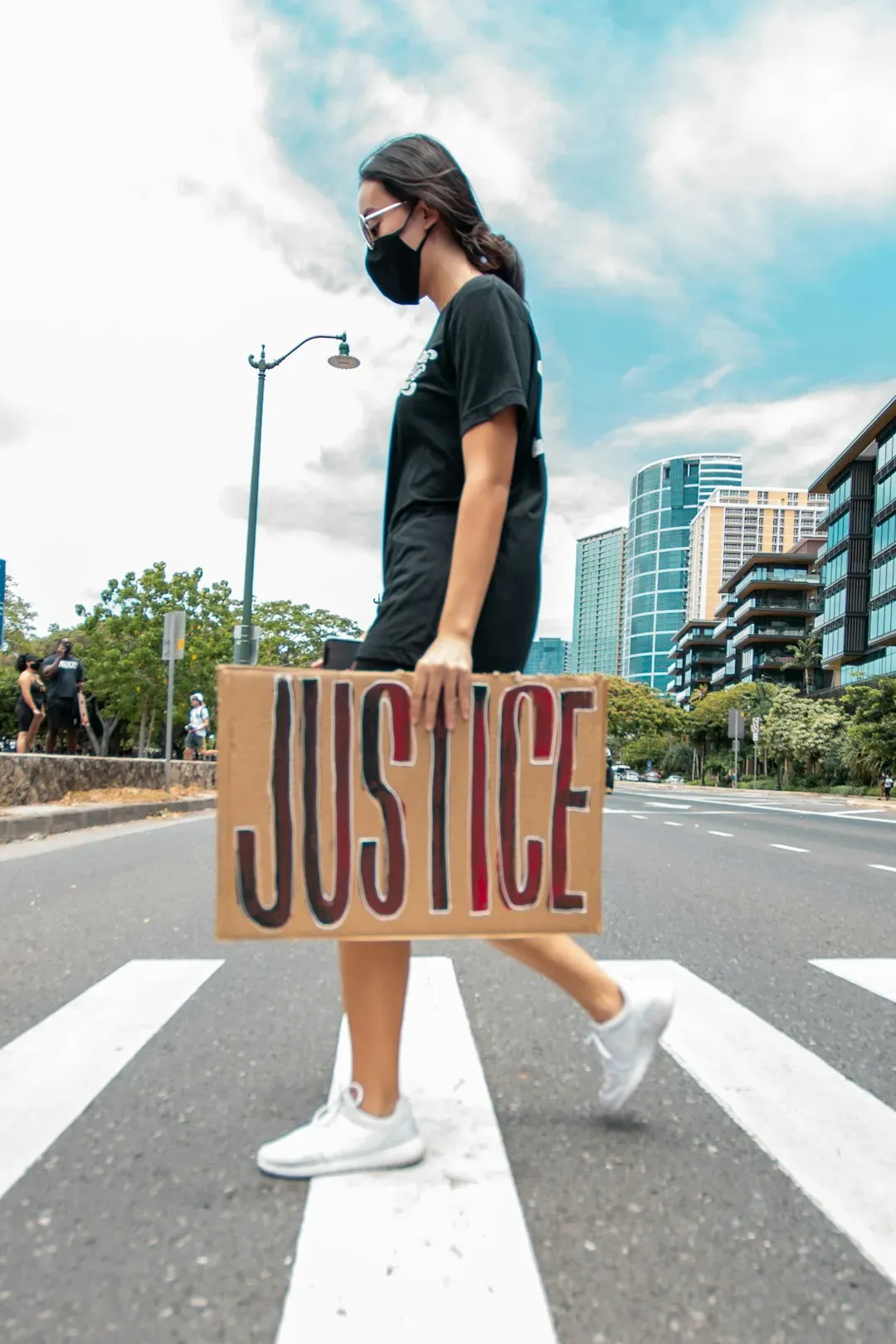
There is something genuinely understandable about the impulse to stop a wrong when you see it happening. That impulse is not irrational, and in narrow circumstances, Nevada law does give private citizens meaningful tools. The danger is in overestimating the breadth of those tools, or acting on emotion rather than legal knowledge. Criminal charges involving self-defense are highly fact-dependent, and success often comes down to an attorney’s ability to present your actions in the right legal light. What felt obvious in the moment rarely translates cleanly into courtroom fact.
Las Vegas is a city with real public safety challenges, and the frustration residents feel about crime is legitimate. Las Vegas has an overall crime rate that is 44 percent higher than the national average, which translates into roughly 143 daily criminal occurrences, including about 20 violent crimes per day. Those numbers matter. Still, the legal system in Nevada was built precisely to handle those cases through channels that protect both victims and accused parties from unchecked force. Bypassing those channels doesn’t fix the problem. More often than not, it creates a new one, with you at the center of it.
The vigilante trap isn’t just about bad intentions. It catches people with good ones too, people who simply didn’t know where the law drew the line until they were already on the wrong side of it.Partner offer
Planning a trip to Vegas?
Compare hotel rates and show tickets on VEGAS.com.


