Think about the last time a song stopped you dead in your tracks. Maybe it was playing in a casino lobby, or drifting from a car window on the Strip. Whatever it was, I bet you remember the voice. Not just the melody, not just the lyrics, but that unmistakable sound that grabbed your soul and wouldn’t let go.
Music history isn’t just about great songs. It’s about the voices that defined entire decades, that became the soundtrack to people’s lives, that changed what we thought a human voice could do. Some singers didn’t just top the charts. They rewrote the rules. They made us feel things we didn’t know we could feel. Let’s dive into the voices that truly shaped music as we know it.
Ella Fitzgerald: The Voice That Perfected Jazz
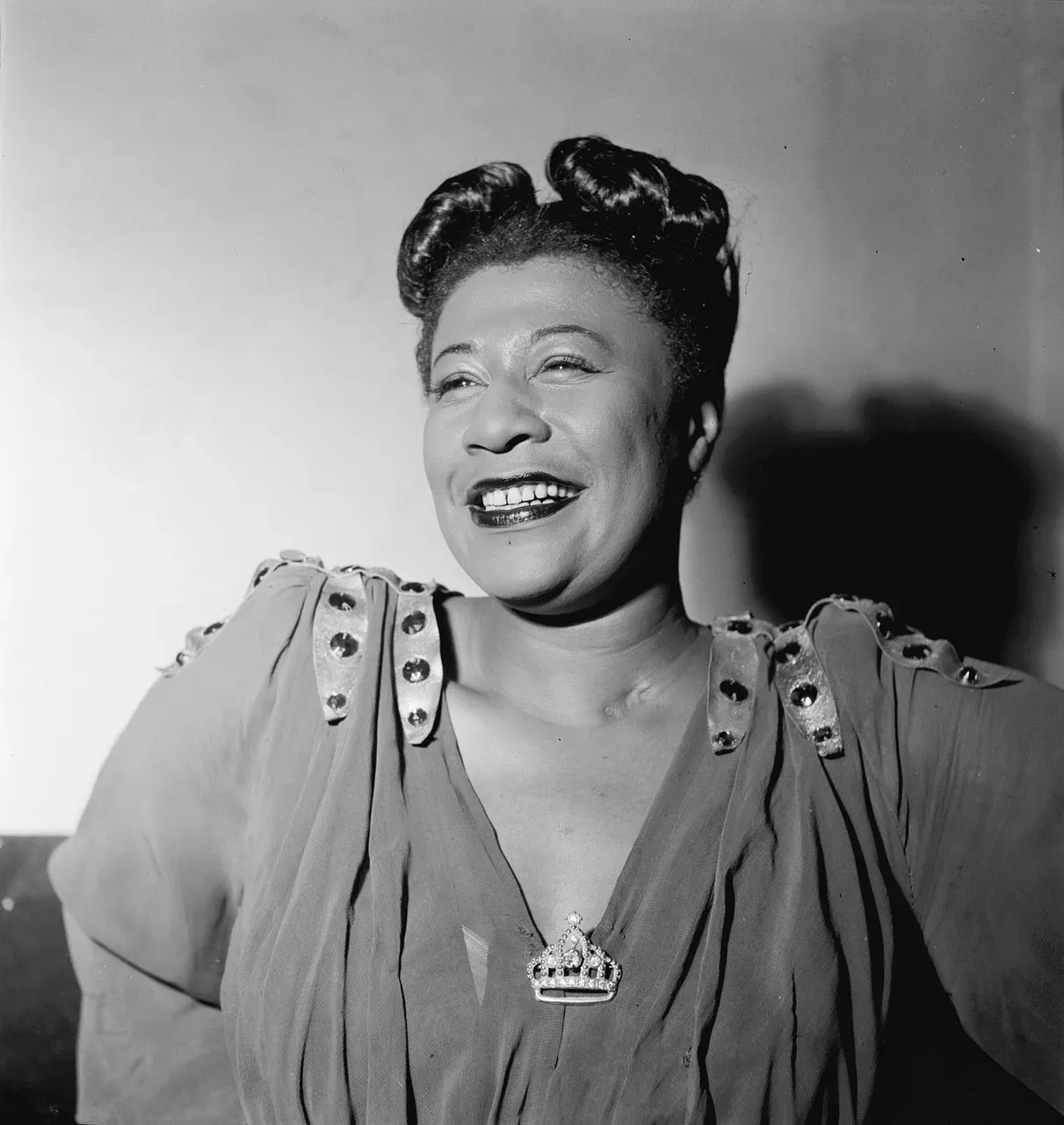
When Ella Fitzgerald opened her mouth, something magical happened. Her voice could do things that seemed physically impossible, hitting notes with precision that made seasoned musicians shake their heads in disbelief. She didn’t just sing jazz. She became jazz.
What made Ella special wasn’t just her three-octave range or her impeccable timing. It was how she made the most complex scat singing sound effortless, like she was having a conversation with the band. Her ability to improvise was legendary. She could take a standard tune and transform it into something entirely new, every single night.
Throughout the 1940s and 1950s, Ella’s voice defined what sophistication sounded like. She won 13 Grammy Awards and sold over 40 million albums worldwide. Even today, vocal coaches use her recordings to teach proper technique.
Elvis Presley: The Voice That Broke All the Rules
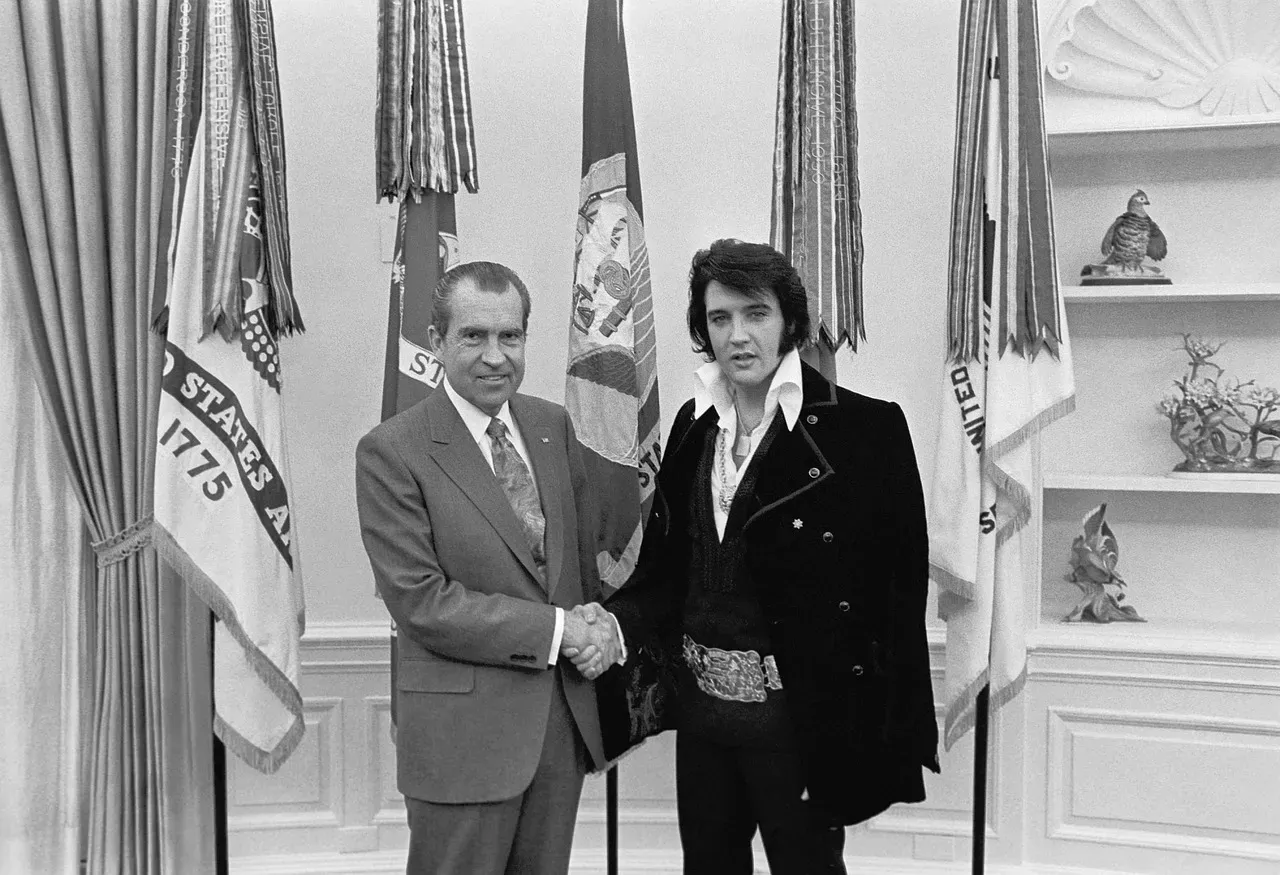
Elvis didn’t just have a voice. He had an entire attitude wrapped in vocal cords. When he burst onto the scene in the mid-1950s, parents were horrified and teenagers were electrified. His voice carried something dangerous, something that made the establishment nervous.
What people forget about Elvis is how incredibly versatile he was. He could croon a ballad that made grown women cry, then unleash a rock and roll number that had everyone on their feet. His vocal style borrowed from gospel, country, and rhythm and blues, creating something entirely new.
The raw emotion in his voice on songs like “Heartbreak Hotel” literally changed popular music forever. He proved that a white kid from Mississippi could channel Black musical traditions with genuine respect and create something revolutionary. The 1950s belonged to Elvis, and his influence echoes through every decade since.
Aretha Franklin: The Voice That Demanded Respect
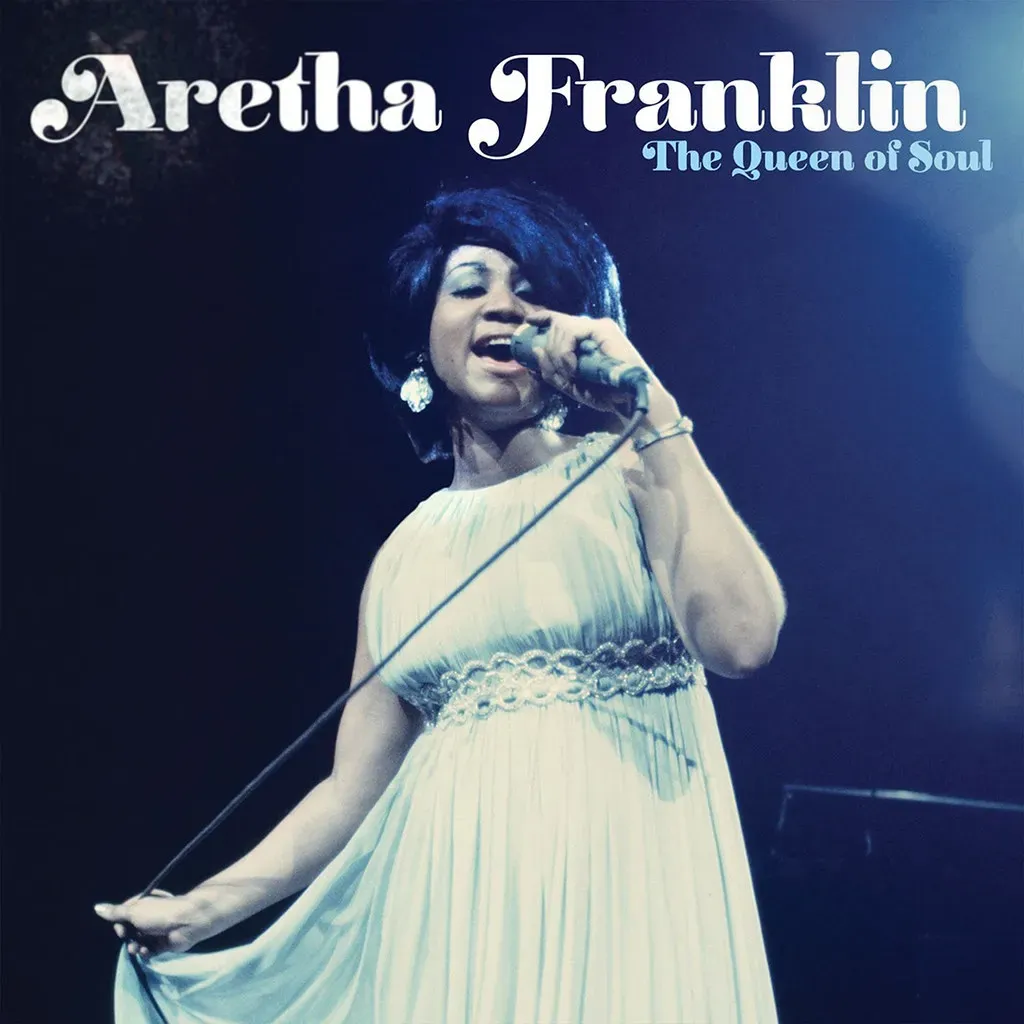
Let’s be real. When Aretha Franklin sang, you paid attention. Her voice carried the weight of centuries, the power of gospel churches, and the fire of the civil rights movement all at once. She didn’t ask for respect. She commanded it.
Her vocal runs were legendary, but it was the emotion behind every note that really got you. When she sang about heartbreak, you felt it in your bones. When she sang about joy, you couldn’t help but smile. Her voice was a force of nature.
Through the 1960s and into the 1970s, Aretha defined soul music. She won 18 Grammy Awards and became the first woman inducted into the Rock and Roll Hall of Fame. Her influence on every female vocalist who came after her is immeasurable. You can hear echoes of Aretha in singers across every genre today.
Freddie Mercury: The Voice That Knew No Limits
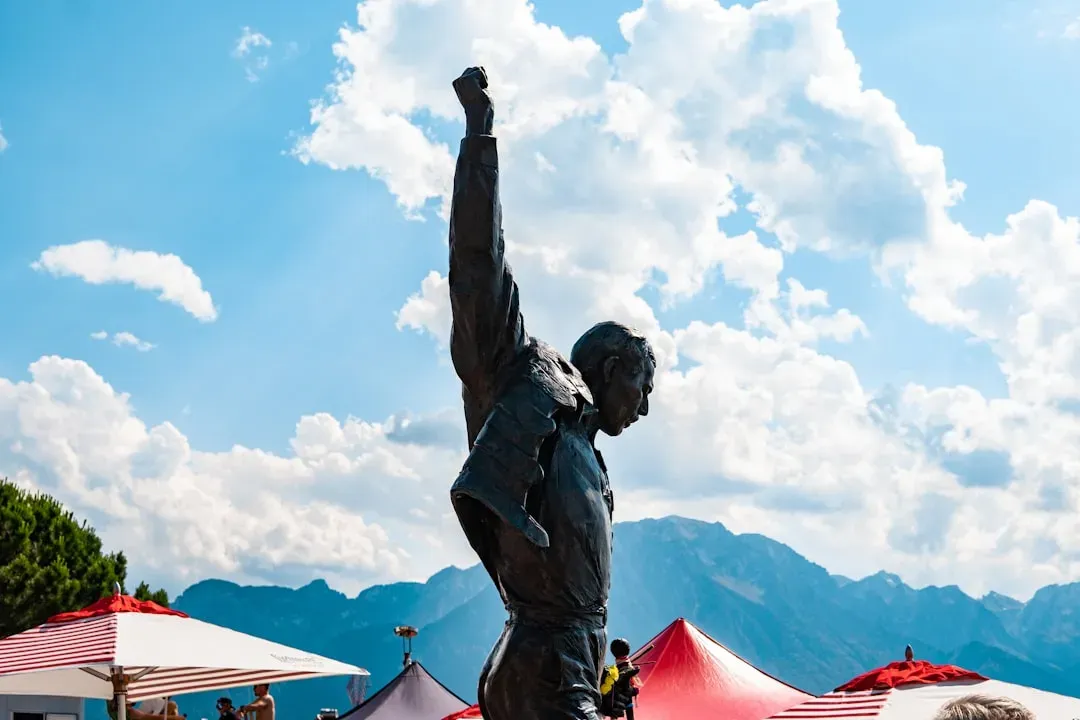
Freddie Mercury had one of the most distinctive voices in rock history, a four-octave range that could go from a tender whisper to a stadium-shaking roar in seconds. But honestly, it’s hard to say for sure where his power truly came from. Maybe it was his classical training, or maybe it was just pure, raw talent.
What made Freddie special was his theatrical approach to singing. He didn’t just perform songs. He inhabited them, creating characters and telling stories with every note. His voice could be operatic, then rock hard, then heartbreakingly vulnerable.
The 1970s and 1980s belonged to Queen, and Freddie’s voice was the crown jewel. Songs like “Bohemian Rhapsody” showcased his incredible range and willingness to experiment. He pushed rock vocals into territory nobody had explored before, blending rock, opera, and pure showmanship into something unforgettable.
Whitney Houston: The Voice That Set the Standard
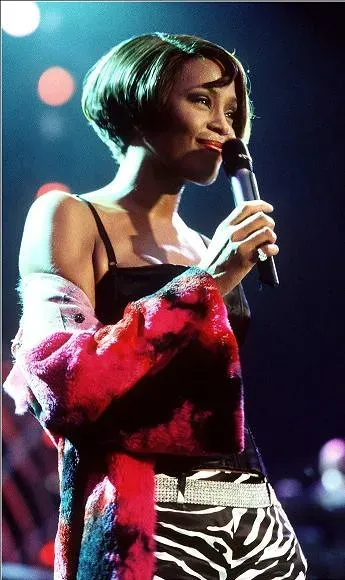
Whitney Houston possessed what many consider the greatest female voice of all time. Her technical ability was staggering. She could hit notes that seemed to exist in another dimension, holding them with a power and control that left audiences stunned.
But here’s the thing about Whitney. She didn’t just show off her range for the sake of it. She used her voice to convey genuine emotion, to tell stories that resonated with millions. When she sang “I Will Always Love You,” she wasn’t just hitting impressive notes. She was pouring out her soul.
The late 1980s and early 1990s belonged to Whitney. She sold over 200 million records worldwide and won six Grammy Awards. Her influence on modern pop and R&B vocals is impossible to overstate. Every vocal run, every power ballad since then owes something to Whitney.
Bob Dylan: The Voice That Made Poetry Matter
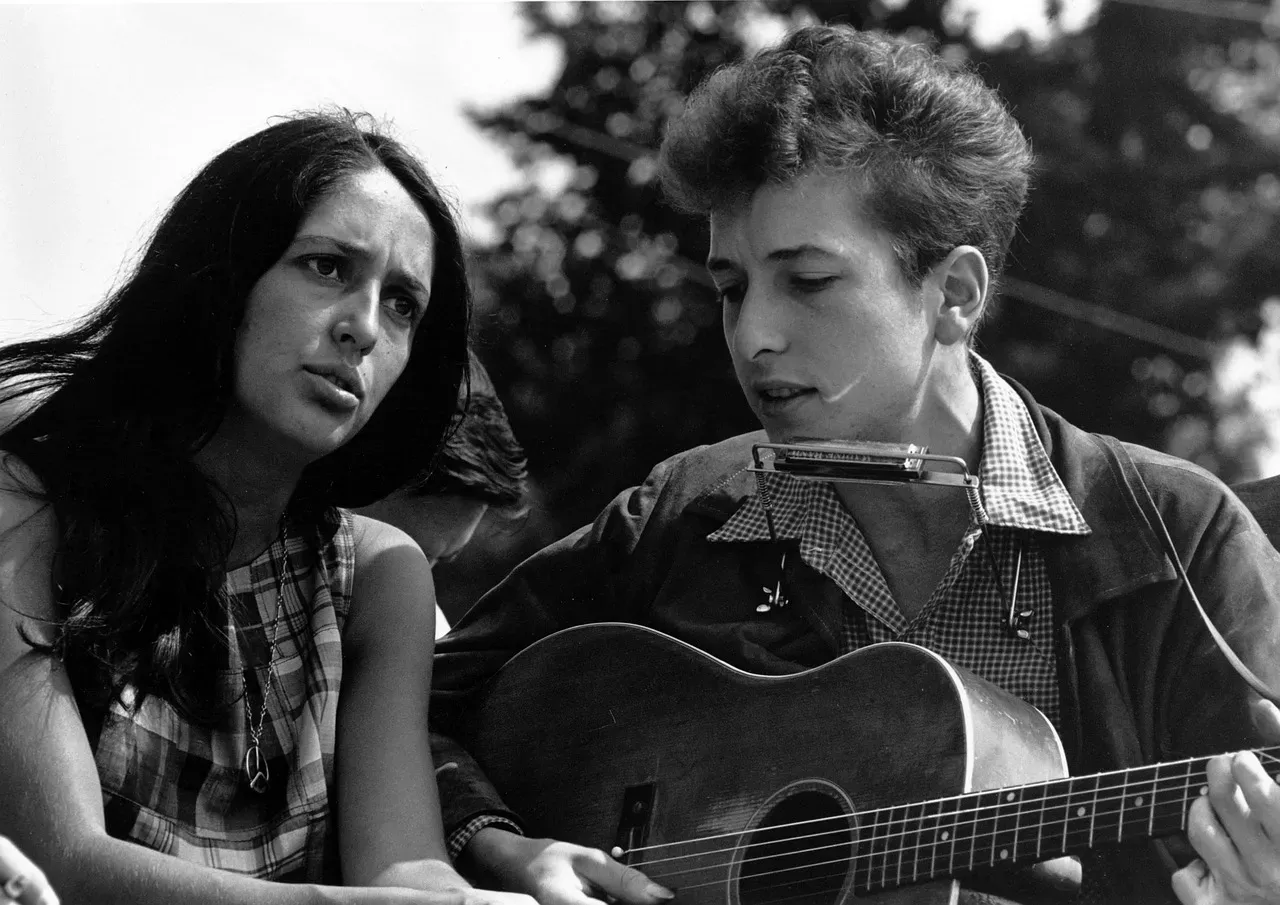
Bob Dylan never had what you’d call a “pretty” voice. It was nasally, sometimes off-key, and definitely unconventional. Yet somehow, it became one of the most influential voices in music history. Go figure.
What Dylan’s voice lacked in technical perfection, it made up for in authenticity. He sang like he was telling you secrets, sharing hard truths about society, politics, and the human condition. His voice carried the weight of folk tradition while pushing boundaries.
Throughout the 1960s, Dylan’s voice became the sound of a generation questioning everything. He proved that a voice didn’t need to be classically beautiful to move people. Sometimes a raw, honest voice speaks louder than technical perfection. His influence on songwriting and vocal delivery reshaped what popular music could be.
Conclusion: The Lasting Echo

These voices didn’t just make great music. They created blueprints that artists still follow today. They proved that a human voice, used with passion and authenticity, could change culture itself. Each one brought something unique, something that couldn’t be replicated, only admired and learned from.
Walking down the Las Vegas Strip today, you’ll hear their influence everywhere. In the showrooms, the lounges, even the street performers. These voices shaped not just eras, but the entire landscape of what music could be. They remind us that true artistry never really dies. It just keeps echoing through time.
Which voice moved you the most? Tell us in the comments.