Every place on the planet has rules meant to keep society running smoothly. Most make sense, some less so. Then there are those that leave you wondering whether lawmakers had a good laugh while drafting them or if there was some wildly specific incident no one wants to talk about. From being fined for having a dirty car to getting arrested for chewing gum, the world is full of regulations that feel like they belong in a comedy sketch rather than legal code. Let’s be real, you’d probably never guess half of these exist. These laws might sound harmless or outdated, yet many are still on the books and enforceable today in 2025. Trust me, after reading through this list, you’ll feel both amused and grateful for wherever you call home.
Singapore’s Battle Against Chewing Gum

Singapore implemented an anti-chewing gum regulation in 1992 to keep the city clean and tidy, introduced to eradicate problems created by chewing gum litter in public places like cinemas, parks, and common areas such as lifts, staircases, and corridors. The law is rigorously enforced, with significant fines for those caught importing or selling gum illegally. Honestly, this might sound extreme, yet when you think about gum stuck under restaurant tables or on sidewalks, the reasoning makes a bit more sense. In March 2004, the chewing gum ban was partially lifted after the government allowed the sale of gum restricted to those with therapeutic value, such as nicotine gum and oral dental gum.
Denmark’s Mandatory Child Check Before Driving

Drivers in Denmark are legally required to check under their cars for sleeping children before starting the engine. Imagine rushing to work, keys in hand, only to remember you must crouch down and peer beneath your vehicle.
This law underscores the country’s commitment to child safety and serves as a precaution in residential areas where children might play. While it may seem like something out of a parenting manual gone rogue, it reflects Denmark’s approach to preventing tragic accidents in neighbourhoods where kids roam freely.
Milan’s Mandatory Smile Law

In Milan, there’s a law that requires citizens to smile at all times, except during funerals or hospital visits, and it’s a very old law that has never been technically repealed. Picture walking around one of Italy’s most fashionable cities with a permanent grin plastered on your face.
To be more specific, it is not actually a law, but a local regulation from Austro-Hungarian times which requires every Milanese citizen to smile, and it is unclear if it also applies to people visiting the capital of Lombardy. Presently, this strange law is generally treated more as a cultural quirk rather than a serious regulation, so any fines associated with it are likely symbolic and not heavily enforced.
Russia’s War on Dirty Cars

Russians take vehicle cleanliness seriously, perhaps more seriously than anyone else on Earth. In Russia, driving a dirty car can get you fined if your car is too dirty and the license plate is not visible, and you may have to pay a fine of up to 2,000 roubles. The logic is straightforward: authorities need to identify vehicles for safety and law enforcement purposes.
Still, imagine getting pulled over not for speeding or running a red light, but because your sedan needs a wash. Cleanliness is close to Godliness in Moscow where you can be slapped with a fine for having a dirty car.
Germany’s Autobahn Gas Rule

It’s illegal to run out of gas on the autobahn, as well as to walk along it. This German regulation isn’t just about inconvenience; it’s a safety measure on one of the world’s fastest highways. Running out of gas on the Autobahn is considered a preventable circumstance and not an excusable reason to stop on the roadway, unlike experiencing a breakdown and pulling onto the shoulder.
Given that some stretches of the autobahn have no speed limits, an unexpected stop could be catastrophic. Germans expect drivers to plan ahead, fill up their tanks, and keep traffic flowing smoothly. No excuses, no exceptions.
Greece’s High Heel Ban at Ancient Sites

Officials in Greece banned high-heeled shoes at the Acropolis to protect it and other antiquities from wear and tear. In Greece, wearing high heels at historical sites has been prohibited since 2009, and while it may seem random, this law is to protect the ancient monuments from any damage. Think about thousands of tourists clicking across marble that’s over two millennia old.
Each stiletto strike could chip away at irreplaceable history. It’s hard to say for sure how much damage one pair of heels can do, yet when you multiply that by millions of visitors yearly, preservation becomes crucial.
Thailand’s Underwear Requirement

It’s illegal to leave your house in Thailand without wearing underwear, though this law is rarely enforced. Let that sink in for a moment. Tourists traveling to Thailand should keep their shirts on at all times when touring in a rental car, zipping through city streets on a scooter, taking a scenic ride on a bike or exploring with the public transportation system.
These regulations speak to Thailand’s cultural expectations around modesty and public decorum. This rule may seem surprising to visitors from countries where such a dress code for driving is unheard of, however it underscores Thailand’s cultural expectations and legal efforts to maintain a certain level of decorum in public spaces.
Scotland’s Bathroom Hospitality Law

In Scotland, if someone knocks on your door and asks to use the bathroom, you are legally required to let them in, stemming from an extension of the old Scottish common law that requires hospitality to be shown to guests. Imagine a stranger ringing your doorbell in Edinburgh asking to use your loo. This derives from an extension of old Scottish common law regarding hospitality and is technically still enforceable today even though it was never officially authorised by Parliament.
While it sounds bizarre by modern privacy standards, it reflects Scotland’s historical commitment to hospitality and helping those in need. Whether you’re likely to find much success upon attempting it, however, might be a different story.
Denmark’s Strict Baby Naming Rules
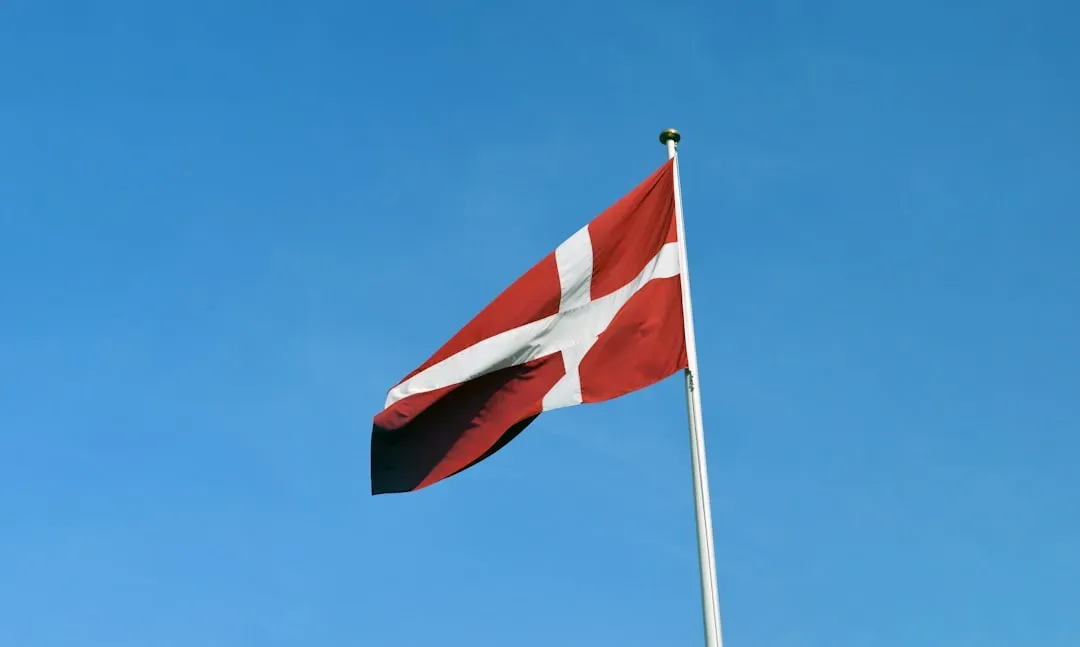
Denmark has a list of 7,000 pre-approved baby names, and parents must choose from this list or get approval from the government, and if you wish to give your child a name that isn’t on the approved list, you’ll need to seek special approval from your local church, and the name will be reviewed by government officials. This means no spontaneous creative naming inspired by your favourite TV character or a unique spelling you dreamt up.
The government maintains control over what parents can name their children to protect kids from embarrassing or inappropriate names. Similar restrictions exist in Sweden, where names like Elvis and Metallica have been rejected according to reports. It might feel controlling, yet it prevents children from being saddled with names that could impact their lives negatively.
Venice’s Pigeon Feeding Ban

Under Italian law, feeding pigeons in Venice is prohibited, established in 2008 primarily due to hygiene concerns, as the numerous birds have been blamed for spreading filth and ruining the city’s monuments due to their highly acidic excrements. One study even estimates that cleaning up the monuments and repairing the damage caused by pigeons cost each Venetian taxpayer 275 euros a year, and if you are caught feeding a pigeon in Venice, you could face a fine of US$80 to US$775.
The romantic image of tossing breadcrumbs to birds in St. Mark’s Square could now land you with a hefty penalty. Honestly, when you consider the cost of maintaining centuries-old architecture, the law makes perfect sense.
Canada’s Tree Climbing Ban in Oshawa

Next on the list of craziest laws in the world is the strict legislation concerning tree protection in Oshawa, Canada, where in 2008, a law was implemented to prohibit any interference with any tree located on municipal property. A law adopted in 2008 expressly prohibits any interference with any tree located on municipal property, therefore it is illegal to climb or attach any object to a tree.
This means kids can’t climb trees in public parks, no hammocks strung between trunks, and definitely no carving initials into bark. While environmental protection is admirable, banning tree climbing feels a touch extreme. Trees survived millennia of human interaction, yet Oshawa decided enough was enough.
UK’s Salmon Act and Suspicious Fish Handling

Britain’s Salmon Act, originally implemented in 1986 by the UK Parliament, covers a set of very detailed rules regarding salmon fisheries, and the most controversial part of the Act is Section 32 entitled: Handling fish in suspicious circumstances. This section states that it is an offence in England and Wales when a person receives or disposes of a fish that was illegally fished.
The phrase “handling fish in suspicious circumstances” sounds like something from a spy thriller rather than legitimate legislation. The maximum penalty is two years imprisonment. While the intent is to prevent illegal fishing and poaching, the wording invites endless jokes about what exactly constitutes suspicious fish behaviour.
Cyprus’s Eating While Driving Ban

It is illegal to eat or drink anything while driving in Cyprus. Eating or drinking anything while driving is prohibited, including water, and this regulation aims to reduce distractions and ensure drivers maintain full control over their vehicles at all times. Not even a sip of water on a scorching summer day is allowed.
The law targets driver distraction, which is fair considering how many accidents stem from momentary lapses in attention. Yet imagine explaining to a police officer that you got pulled over for taking a gulp from your water bottle.
Indonesia’s Extramarital Sex Law

This new law came into effect in 2025 and mainly applies to Indonesian citizens, though it’s worth knowing, and extramarital sex could result in one year in prison, while unmarried couples living together could face six months’ jail time. This legislation represents one of the strictest moral codes still enforced in 2025.
For travellers, it’s a reminder that cultural and religious values shape legal systems dramatically. What might be perfectly acceptable behaviour in one country can carry serious legal consequences elsewhere. The law targets citizens primarily, yet tourists should remain aware of local customs and regulations to avoid complications.
What do you think about these laws? Would you be able to follow them all if you travelled the world? Some seem reasonable when you dig into the reasoning, while others feel like relics from another era that somehow survived into modern times. Either way, they remind us that what’s normal in one place can be utterly bizarre elsewhere.