
There are books you read and forget by Tuesday. Then there are books that crack something open inside you – something you didn’t even know was there. The kind that make you put the book down, stare at the ceiling, and rethink a belief you’ve carried for years without ever questioning it.
Honestly, that’s a rare thing. Most content we consume today is designed to confirm what we already think. In 2026, with AI-driven content, short-form distractions, and information overload, readers are craving depth, authenticity, and actionable wisdom. These ten books offer exactly that. Each one has, in its own strange or brilliant way, shifted how millions of people see the world. Be surprised by what you find on this list.
1. Sapiens: A Brief History of Humankind – Yuval Noah Harari
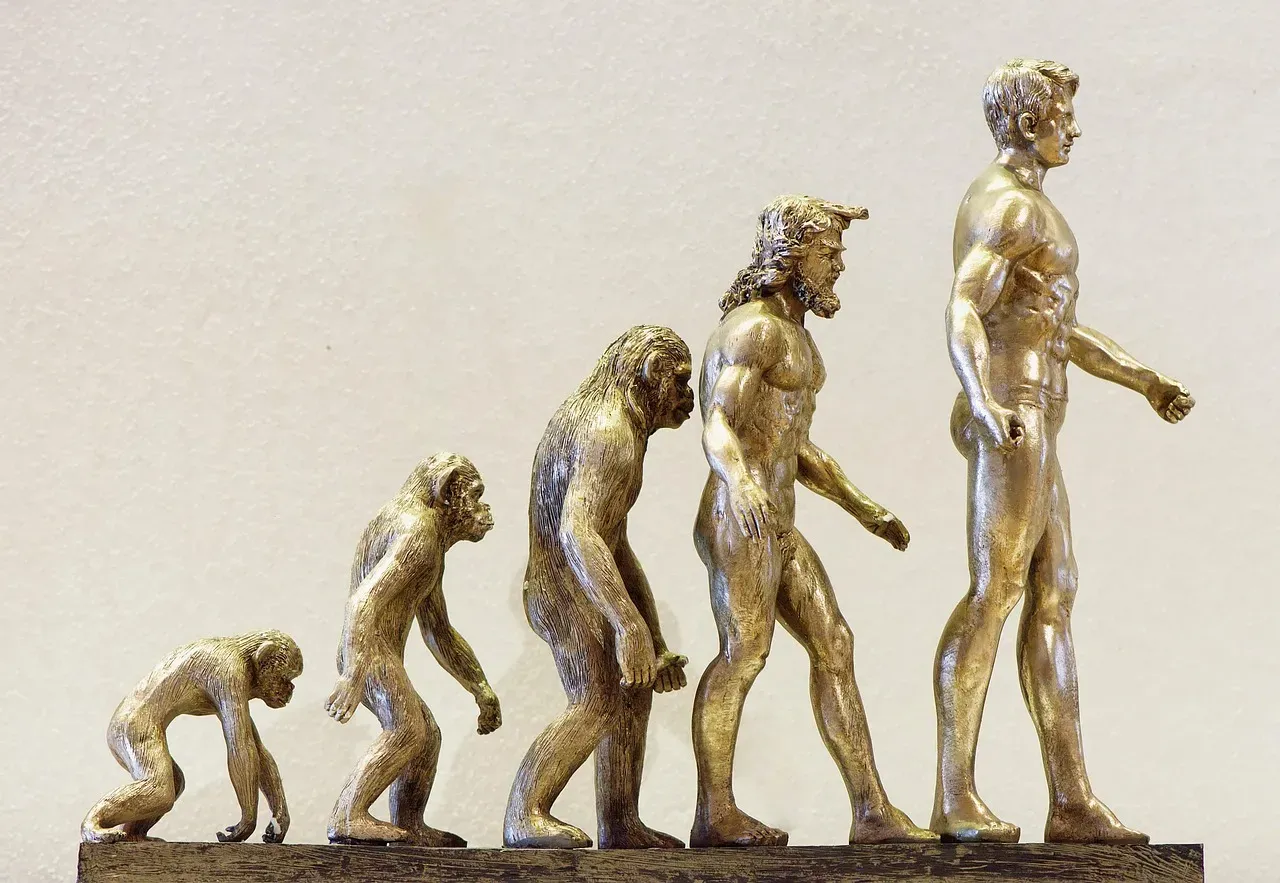
What if everything you assumed about human progress was slightly wrong? Sapiens surveys the history of humankind, beginning in the Stone Age and ending in the 21st century. Harari discusses how cognitive revolutions, agricultural advancements, and technological progress have influenced human development, encouraging readers to reflect on where humanity is heading and how past decisions shape our current society.
Harari argues that the ability of Homo sapiens to cooperate in large numbers arises from its unique capacity to believe in things existing purely in the imagination, such as gods, nations, money, and human rights. That idea alone is worth sitting with for a week. Sapiens alone has sold 25 million copies since it was first published in 2013, and it has spent over 220 weeks on the New York Times bestseller list. Few books of our era have earned that kind of sustained attention.
2. Man’s Search for Meaning – Viktor E. Frankl
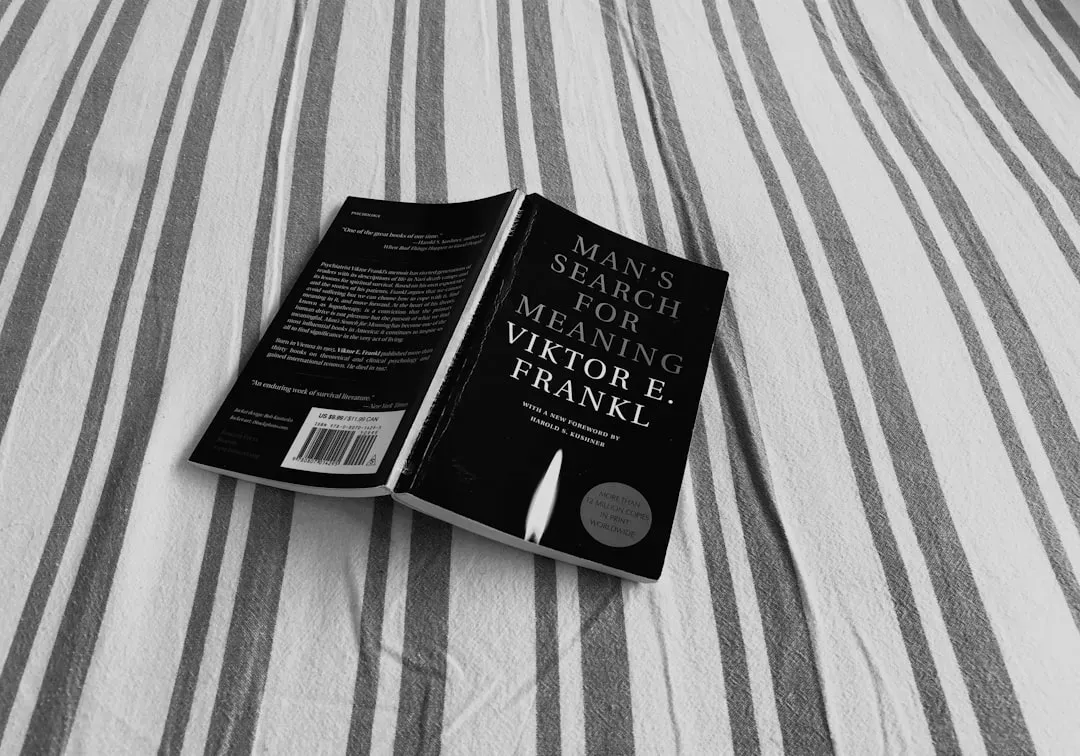
This one is not an easy read. It’s not supposed to be. Psychiatrist Viktor Frankl’s memoir has riveted generations of readers with its descriptions of life in Nazi death camps and its lessons for spiritual survival. Between 1942 and 1945 Frankl labored in four different camps, including Auschwitz, while his parents, brother, and pregnant wife perished.
Based on his own experience and the experiences of others he treated later in his practice, Frankl argues that we cannot avoid suffering but we can choose how to cope with it, find meaning in it, and move forward with renewed purpose. His theory, known as logotherapy, holds that our primary drive in life is not pleasure, as Freud maintained, but the discovery and pursuit of what we personally find meaningful. It has sold more than 16 million copies in 50 languages, and a reader survey for the Library of Congress that asked readers to name a “book that made a difference in your life” found Man’s Search for Meaning among the 10 most influential books in America. That is not a small thing.
3. Thinking, Fast and Slow – Daniel Kahneman
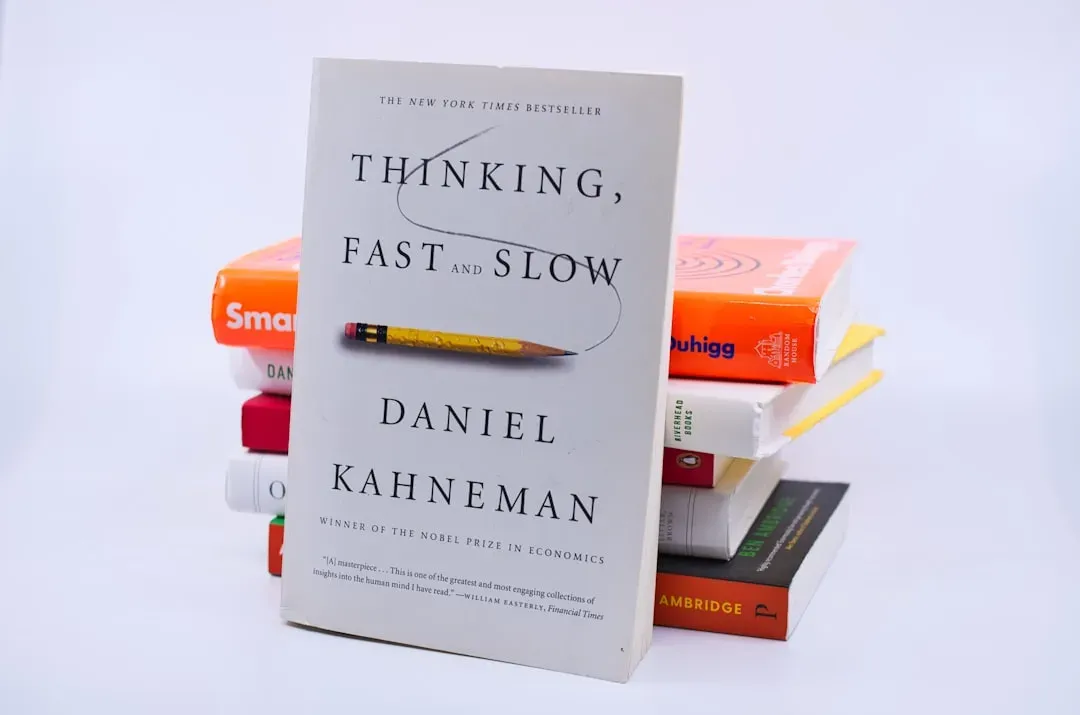
Here’s the thing – most of us like to believe we’re rational. We’re not, and Kahneman proves it rigorously. Daniel Kahneman’s Thinking, Fast and Slow delves into the dual-process model of human thought, dividing cognition into two systems: the quick, intuitive “fast” thinking and the slow, analytical “slow” thinking. Kahneman exposes the cognitive biases and errors that arise from our reliance on intuition, such as overconfidence and availability bias.
The book was a major New York Times bestseller, winner of the National Academy of Sciences Best Book Award in 2012, and was selected by the New York Times Book Review as one of the best books of 2011. The book offers profound insights into how humans make decisions in economics, politics, and everyday life. By recognizing these mental shortcuts and pitfalls, readers can improve judgment and decision-making processes. Think of it like discovering your brain has an autocorrect function – and it’s been wrong far more often than you knew.
4. The Power of Now – Eckhart Tolle

This one divides people. Some call it life-changing. Some call it abstract. I think both reactions are valid – and somehow that makes it more interesting, not less. The Power of Now is a transformative book about perspective that invites readers to break free from the confines of their own minds and live in the present moment. Tolle’s teachings offer a powerful antidote to the chaos and stress of modern life, guiding readers towards a deeper understanding of themselves and the world around them. Through simple yet profound insights, Tolle encourages readers to let go of their attachment to the past and future, and embrace the beauty and tranquility of the present moment.
In The Power of Now, a number one national bestseller, the author describes his transition from despair to self-realization soon after his 29th birthday. Tolle took another ten years to understand this transformation, during which time he evolved a philosophy that has parallels in Buddhism, relaxation techniques, and meditation theory but is also eminently practical. In The Power of Now he shows readers how to recognize themselves as the creators of their own pain, and how to have a pain-free existence by living fully in the present. Whether you find that enlightening or frustrating probably says something about you, too.
5. 1984 – George Orwell
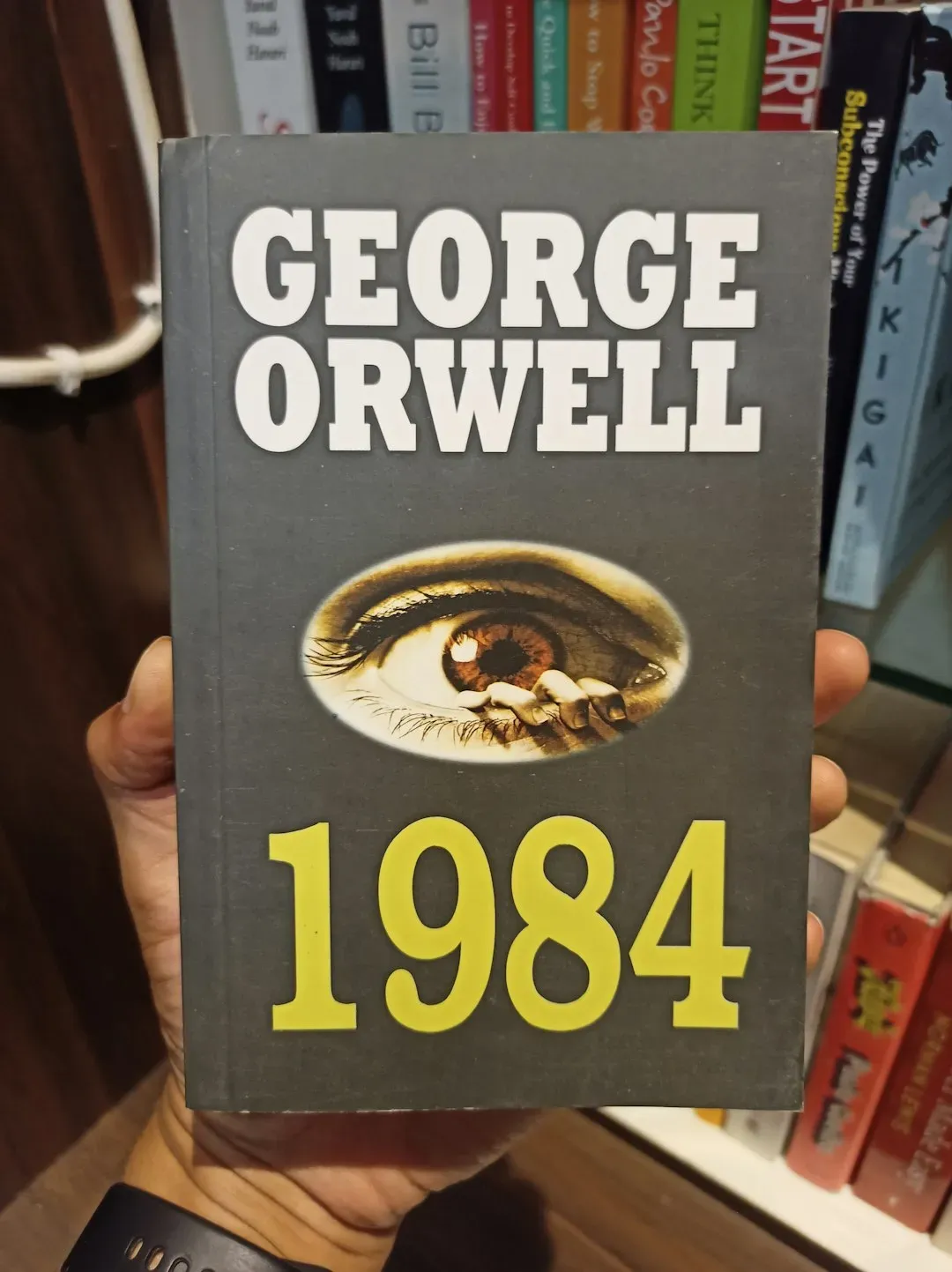
It was written in 1949. It keeps becoming more relevant. That fact alone should give anyone pause. A masterpiece of dystopian literature, 1984 presents a chilling vision of a totalitarian society where government surveillance and propaganda control every aspect of life. Orwell’s insights into power, truth, and free will remain relevant in today’s digital age.
The novel follows Winston Smith, a low-ranking member of the Party, who begins to question the oppressive regime led by Big Brother. Through its depiction of thought control, censorship, and the manipulation of history, 1984 serves as a stark warning about the dangers of authoritarianism and the importance of preserving personal freedom. Book sales of 1984 increased by roughly 9,500 percent following recent political events – a staggering number that tells you everything about how urgently people felt they needed this book. Still, reading it yourself is something else entirely.
6. The Righteous Mind – Jonathan Haidt
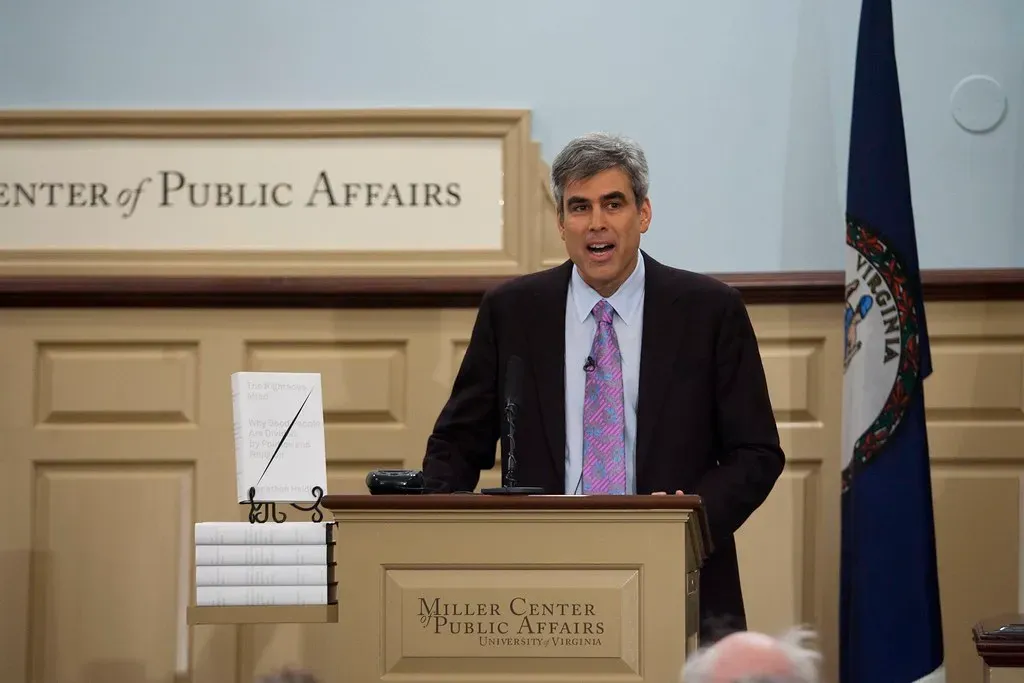
Ever wonder why smart, reasonable people can look at the exact same fact and reach completely opposite conclusions? Haidt has a scientific answer for that. Jonathan Haidt’s The Righteous Mind investigates the psychological underpinnings of morality and why individuals and groups often hold conflicting beliefs, especially in politics and religion. Using moral psychology, Haidt explains that moral judgments are largely intuitive, with reasoning serving as a post-hoc justification. He identifies core moral foundations such as care, fairness, loyalty, authority, and sanctity that vary in importance across cultures and ideologies.
This book is genuinely uncomfortable. It suggests that your political opponents are not simply irrational, but operating from a different moral framework that is internally consistent on its own terms. Books can have a life-altering effect, with a simple idea able to provide the catalyst for change. They allow us to see through the eyes of others and experience ways of living that can transform our original view of the world. From reflecting on our individual actions to understanding the complexities of life, books can inherently change us. The Righteous Mind does exactly that.
7. Behave: The Biology of Humans at Our Best and Worst – Robert Sapolsky
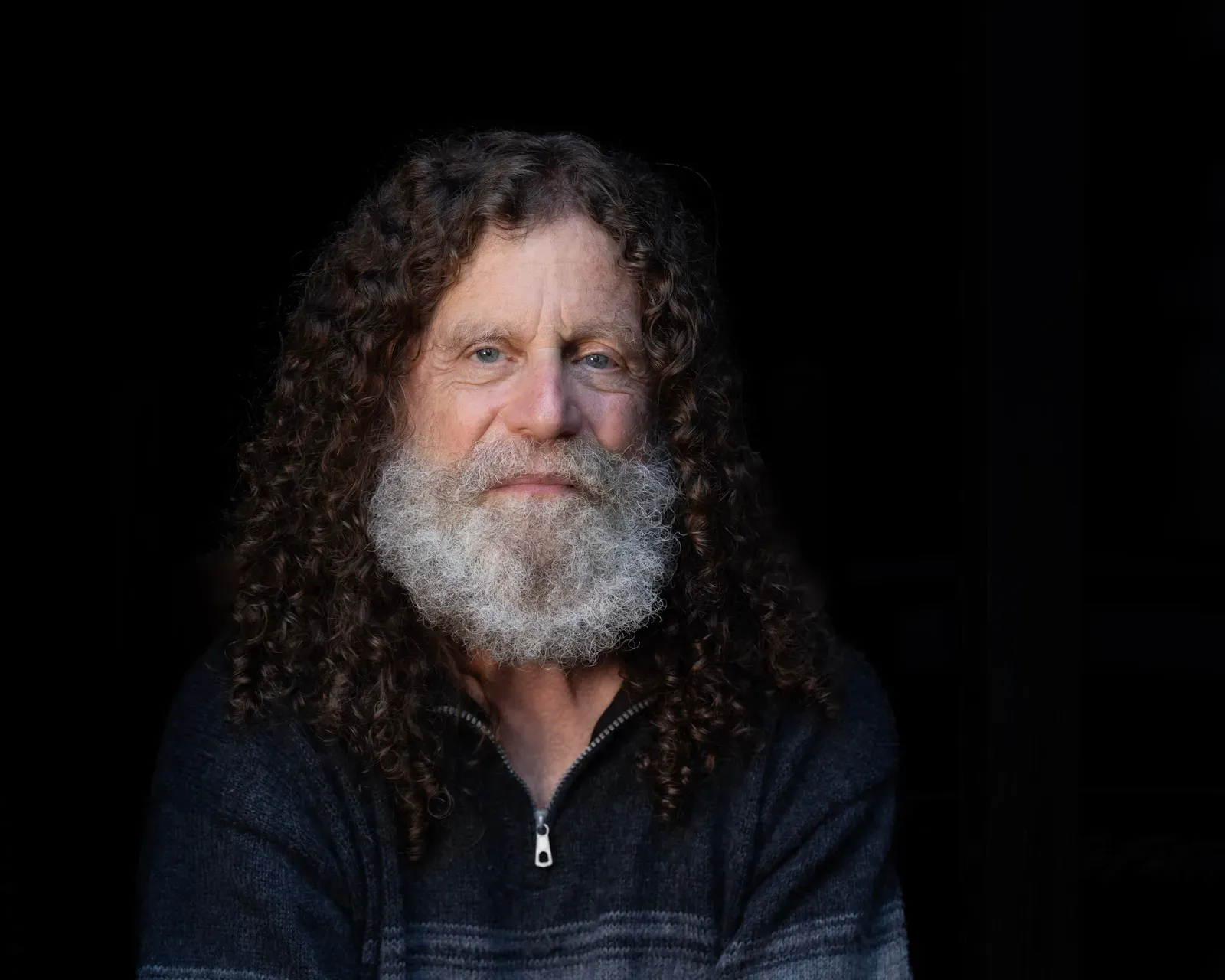
If you’ve ever asked yourself why people do terrible things or extraordinary acts of kindness, this book goes further toward answering that question than almost anything else out there. Robert Sapolsky’s Behave is an extraordinary exploration into the biological and environmental factors that shape human behavior. Drawing from neuroscience, psychology, endocrinology, and sociology, Sapolsky unpacks why we act the way we do – from acts of kindness to violence. The book delves deeply into brain chemistry, genetics, and social influences, illustrating the complex interplay between nature and nurture.
It’s a thick book. It will take effort. But it’s the kind of effort that pays back in clarity. It’s a bit like finally getting the owner’s manual for the human species after thousands of years of driving blind. These kinds of books are far more than mere reading material; they serve as powerful catalysts for profound transformation. For those dedicated to personal development, social consciousness, and intellectual depth, they are essential guides on the path to a more enlightened understanding of ourselves.
8. The Midnight Library – Matt Haig

Not everything on this list is strictly nonfiction, and honestly, that’s the point. Sometimes fiction reaches the places that data simply cannot. Imagine a library where every book represents a different version of your life. This is the intriguing premise of The Midnight Library. Matt Haig explores themes of regret, choices, and the infinite possibilities life holds.
Matt Haig explores themes of regret, choices, and the infinite possibilities life holds. The novel encourages readers to reflect on their own life choices and understand that every decision, big or small, shapes who we are. It’s also worth noting that The Midnight Library has resonated deeply with readers dealing with mental health challenges. The Midnight Library offers emotional comfort at a time when many people genuinely need it. Sometimes a novel understands you better than a self-help manual ever could.
9. The Wisdom of Insecurity – Alan Watts

Most of us spend enormous energy trying to make life feel certain and stable. Watts argues this is precisely the source of our suffering. The Wisdom of Insecurity is a thought-provoking book on perspective that challenges our traditional views on security and embraces the idea of living in the present moment. Watts delves into the concept of how our relentless pursuit of security and certainty actually leads to anxiety and dissatisfaction. Through a blend of Eastern philosophy and Western psychology, he encourages readers to embrace the inherent uncertainty of life and find peace within it.
This book invites readers to shift their mindset and see the beauty in embracing the unknown, rather than constantly seeking control. Watts’ profound insights and philosophical wisdom make this a compelling read for anyone seeking a deeper understanding of human existence. It’s a short book. You can read it in a weekend. The ideas inside it, though, will stick around for years – like a quiet voice reminding you to loosen your grip.
10. How to Do Nothing: Resisting the Attention Economy – Jenny Odell

In a world that rewards constant output and frantic engagement, this book reads almost like an act of rebellion. Jenny Odell urges readers to reclaim their time and mental space by resisting the attention economy fueled by social media and consumer culture. Through reflections on ecology, art, and history, she advocates for mindful engagement with our environments and communities. The book encourages deliberate disengagement from constant distraction as a form of resistance and self-preservation. Odell’s message is a call to value presence, creativity, and meaningful connection over the superficial metrics of modern life.
It’s hard to say for sure whether this book will resonate with everyone. But in 2026, with attention spans fragmenting and screen time at record highs, it feels almost urgently necessary. Reading a transformative book isn’t a passive activity – it’s a dialogue between your mind and the author’s insights. Odell’s book makes that dialogue feel genuinely worthwhile. It doesn’t tell you to quit social media. It asks something harder: to decide what is actually worth your attention.
A Final Thought

Ten books. Ten different doors into a wider world. Some of these will resonate with you immediately. Others might frustrate or challenge you. That discomfort, honestly, is usually a sign that something important is happening.
Books can have a life-altering effect, with a simple idea able to provide the catalyst for change. They allow us to see through the eyes of others and experience ways of living that can transform our original view of the world. The most remarkable thing about a good book is that it asks nothing from you but time – and gives back something you didn’t know you were missing.
Which of these ten would you pick up first? Tell us in the comments.