There’s a pattern that runs through art history, quiet but persistent: the works that seemed most wrong at the time have a way of becoming the ones we can’t imagine living without. Critics dismissed them, institutions rejected them, and audiences walked away confused or offended. Then something shifted. The world caught up, or the paintings simply waited long enough.
What makes these reversals so compelling isn’t just irony. It’s what they reveal about the limits of contemporary taste and the courage it takes to make something genuinely new. Here are ten paintings that were once written off as too strange, too crude, or too nothing at all, and ended up reshaping how we understand art itself.
1. Impression, Sunrise – Claude Monet (1872)

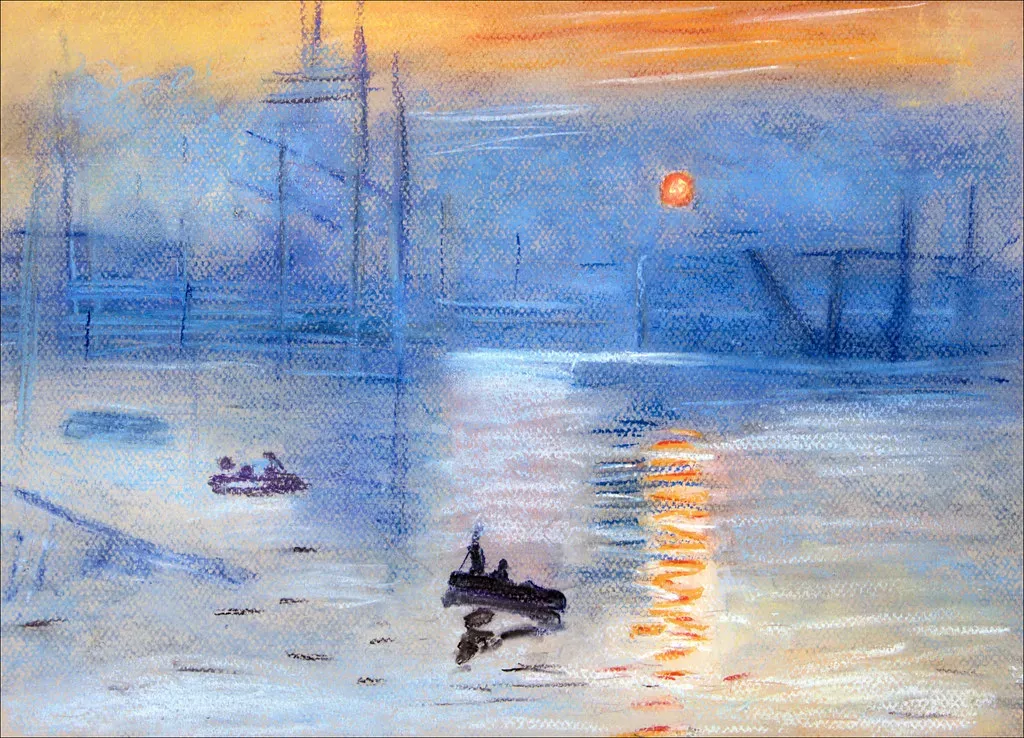
When Claude Monet exhibited “Impression, Sunrise” in 1874, art critic Louis Leroy derisively coined the term “Impressionists” to mock Monet’s loose, unfinished style and his peers. Leroy meant the term as an insult, but it ended up becoming the name of an entire artistic movement. The review was meant to bury the painting. Instead, it named a revolution.
Monet’s unblended strokes of color, the fleeting quality of the scene, and the unconventional use of light over detail scandalized the critics, with one particularly venomous reviewer dismissing the work as nothing more than an “impression.” Critics dismissed the movement as amateurish and sloppy, but Monet’s innovative use of light and color would later revolutionize art. Today, Impressionism is one of the most celebrated movements in art history, and this painting is housed in the Musée Marmottan Monet in Paris.
2. Les Demoiselles d’Avignon – Pablo Picasso (1907)

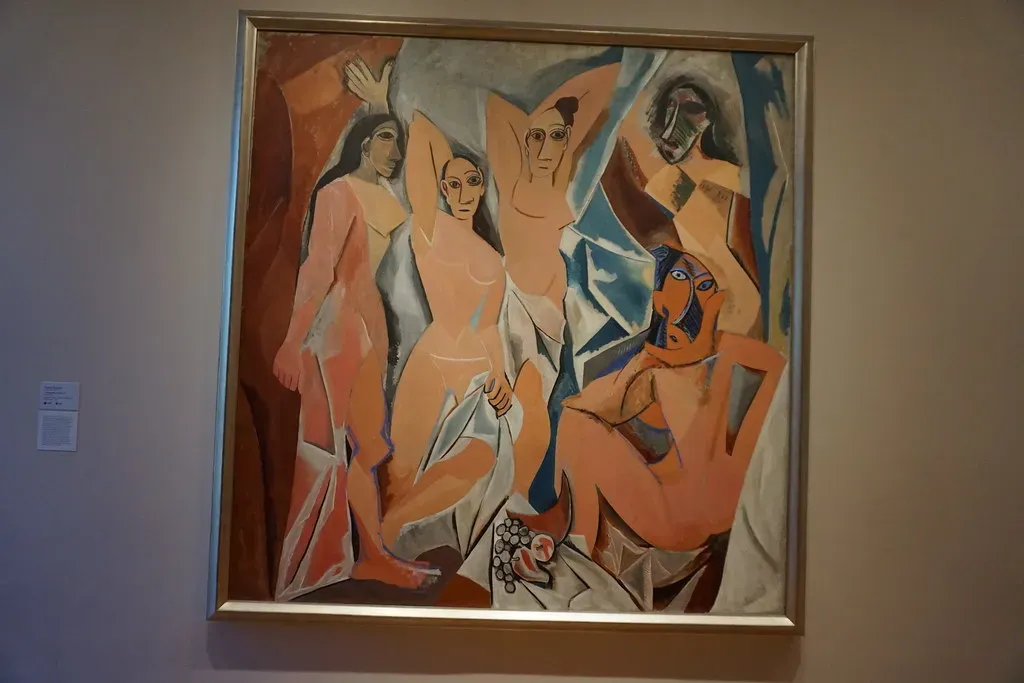
When Pablo Picasso finished “Les Demoiselles d’Avignon” in 1907, even his closest friends and fellow artists recoiled in horror. The painting’s jagged forms and mask-like faces shattered the conventions of beauty and realism. Picasso’s monumental Cubist painting of five nude women in a brothel shocked not only the public, but the critics and even other artists as well, including Matisse. The women’s faces are composed to look like African masks; their bodies are constructed from distorted shapes and hard angles.
Critics called it ugly and incomprehensible, and it languished in Picasso’s studio for years before being shown publicly. Yet this bold experiment marked the birth of Cubism, a movement that would forever alter the course of modern art. After the exhibition, the piece was forgotten in Picasso’s studio for years. It was later exhibited in the early 1920s by Jacques Doucet, a famous French art collector. Today, it is considered priceless.
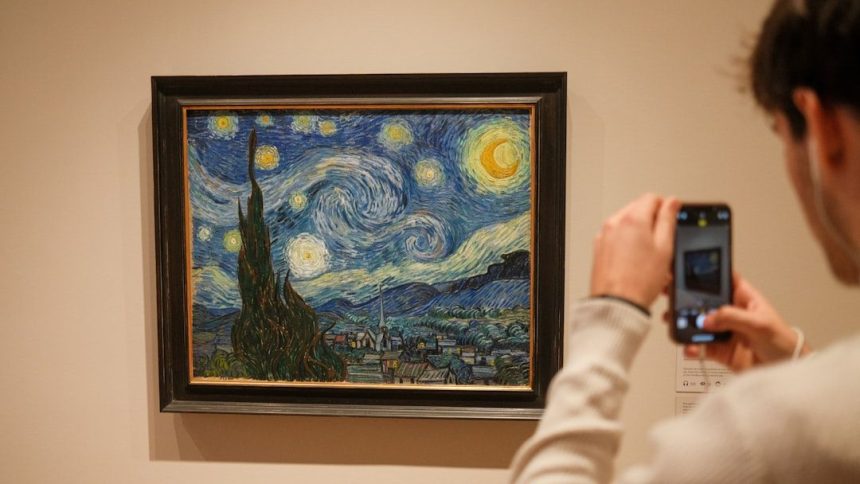
3. The Starry Night – Vincent van Gogh (1889)

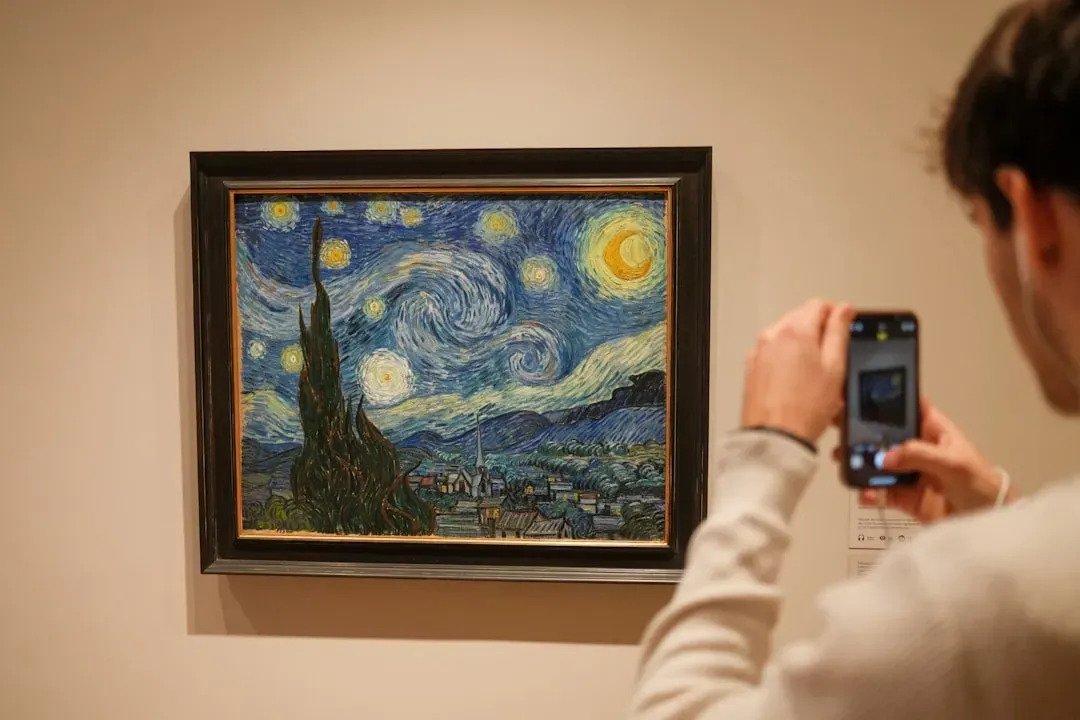
It’s almost impossible to imagine now, but when Vincent van Gogh painted “The Starry Night” in 1889, his work was met with little but confusion and rejection. Van Gogh, plagued by mental health struggles and poverty, sold only one painting during his lifetime. Critics often dismissed his intense brushstrokes and vivid colors as signs of instability, and “The Starry Night” was viewed as a wild, almost reckless experiment.
Today, the painting stands as an icon of emotional expression and artistic brilliance. It draws millions of visitors to the Museum of Modern Art in New York every year and is valued at well over $100 million. The swirling, dreamlike sky that once seemed so strange is now beloved around the world. Van Gogh’s journey from obscurity to global fame is one of the most poignant stories in art history.
4. Olympia – Édouard Manet (1865)

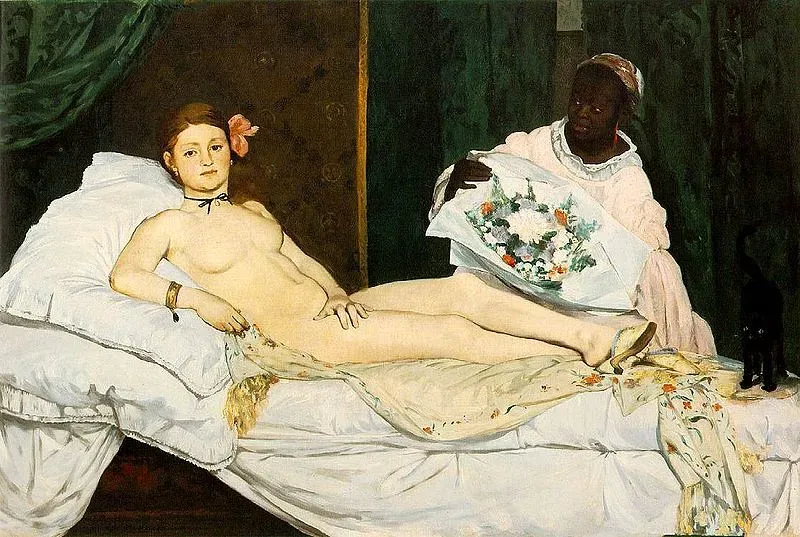
The 1865 Salon accepted Olympia, a painting of a reclining nude glaring out at the viewer, but its reception was one of outrage. The public was aghast by the unflattering manner in which Manet painted her, the harsh lighting on her pale skin, and the fact that he laid bare the fact that she was a prostitute awaiting her next client. Manet’s irreverent approach to an established, traditional subject painted by masters like Titian and Ingres was too much for some to handle.
Manet’s refusal to idealize his subject broke with centuries of convention, but he paid a heavy price in criticism and rejection. Decades later, “Olympia” is recognized as a groundbreaking work that changed the way women were represented in art. It now hangs in the Musée d’Orsay and is considered one of the museum’s crown jewels. The direct, unapologetic gaze of the figure was, it turns out, precisely its power.
5. The Persistence of Memory – Salvador Dalí (1931)

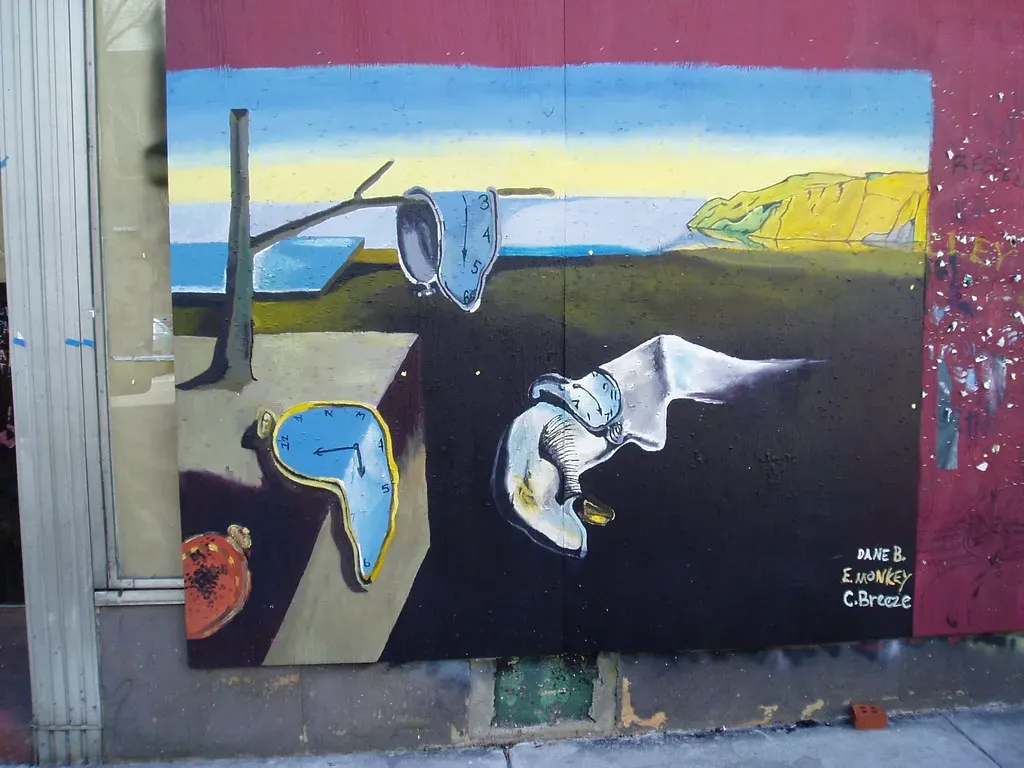
Critics dismissed it as bizarre and unsettling, asking why anyone would paint droopy timepieces on a dreamlike landscape. Dalí’s surreal vision seemed too strange for the mainstream. Yet, as Surrealism gained popularity, people started to see the beauty in his madness. The painting was small enough to fit in a carry-on bag, but the ideas inside it were enormous.
By 2017, the painting was valued at around $100 million, its once-criticized weirdness now celebrated for capturing the slippery, surreal nature of memory itself. What was once described as an inexplicable descent into visual nonsense is now taught in schools and referenced in films, advertising, and popular culture at a rate few paintings can match.
6. Arrangement in Grey and Black No. 1 (Whistler’s Mother) – James McNeill Whistler (1871)
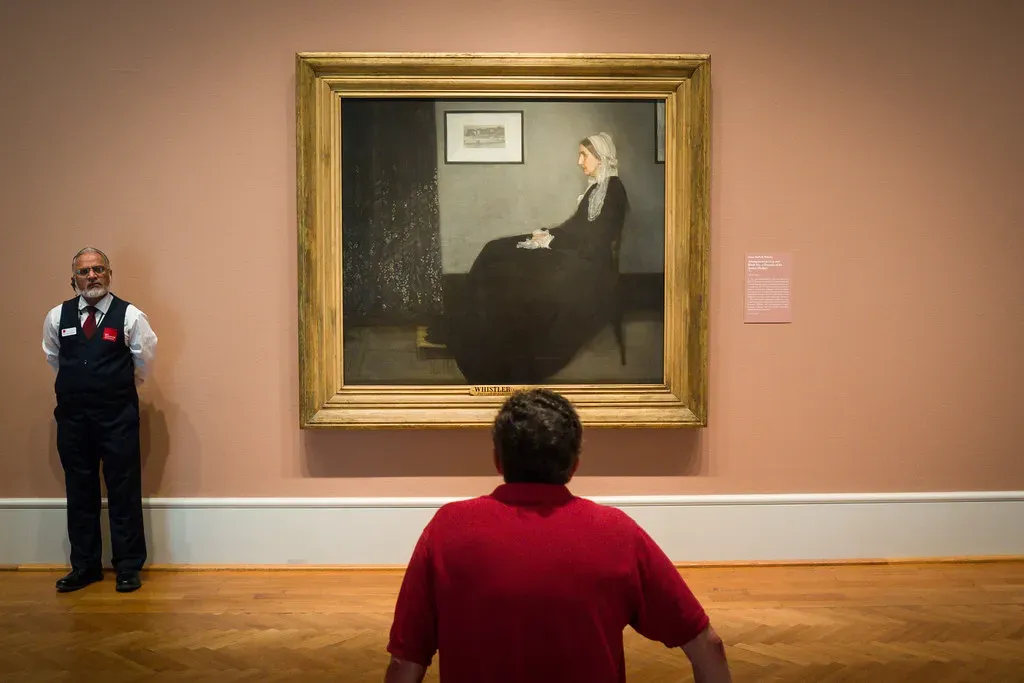
Although Whistler later referred to the work as a portrait of his mother, he originally titled the painting “Arrangement in Grey and Black” to emphasize its aesthetic qualities rather than its subject matter. The painting received mixed reviews when it was first exhibited at the Royal Academy in 1872, with many critics puzzled by its unconventional pose, spare composition, and nearly monochromatic palette. The work was shown at the 104th Exhibition of the Royal Academy of Art in London after coming within a hair’s breadth of rejection by the academy.
Debuting in London when flamboyance and romanticism were all the rage, Whistler’s Mother was not what the art world wanted. The London Times sneered that an artist who could deal with large masses so grandly might have shown a little less severity. Eventually, in 1891, the painting was purchased by the French state and became part of the collection at the Musée du Luxembourg, a rare honor for a living foreign artist. It later transferred to the Louvre, and finally found its current home at the Musée d’Orsay.
7. The Death of the Virgin – Caravaggio (c. 1606)

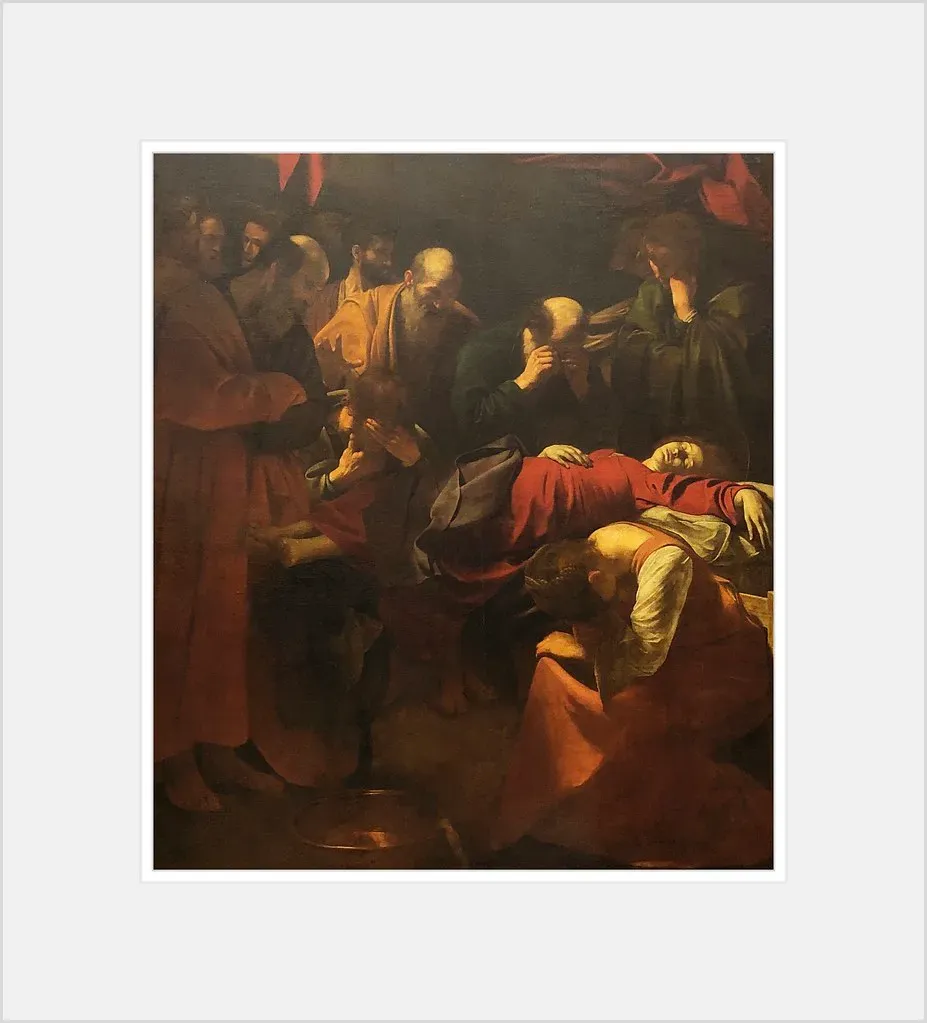
Caravaggio’s “The Death of the Virgin” was outright rejected by the church due to its realistic and unidealized depiction of the Virgin Mary. Unlike traditional religious paintings, Caravaggio portrayed Mary as a lifeless, earthly figure, shocking viewers. Though initially banned, it is now regarded as a masterpiece of the Baroque period, housed in the Louvre Museum.
Caravaggio’s paintings were as scandalous as his lifestyle. A notorious scofflaw, Caravaggio painted the most sacred of subjects with a harsh realism never before witnessed by the Catholic Church. “Death of a Virgin” was commissioned for a chapel in the church of Santa Maria della Scala in Rome but was rejected due to its blunt treatment of the holy subject. The insistence on painting saints as ordinary, flawed human beings was radical then. Today, it’s considered his genius.
8. The Kiss – Gustav Klimt (1907–1908)

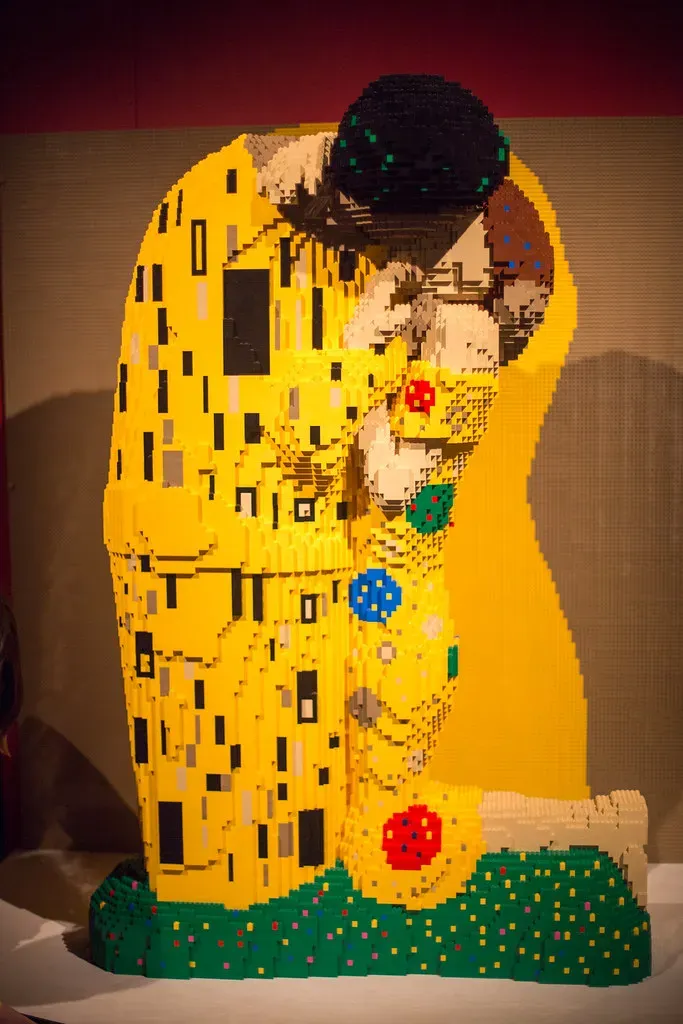
Gustav Klimt’s “The Kiss,” painted between 1907 and 1908, was initially dismissed by critics as gaudy and even obscene. The painting’s use of gold leaf and its intimate, entwined lovers were seen as overly decorative, with some accusing Klimt of sacrificing substance for style. Public response was divided, with some praising its beauty and others recoiling from its sensuality.
Critics accused Klimt of being pornographic, while Austrian authorities were scandalized by his use of gold leaf and sensual imagery. Over time, tastes changed, and “The Kiss” became celebrated for its luxurious detail and emotional power. Today it is one of the most reproduced images in Western art history, appearing on posters, mugs, phone cases, and museum gift shops across the world. The journey from scandal to icon took decades, but the painting simply waited.
9. Autumn Rhythm (Number 30) – Jackson Pollock (1950)

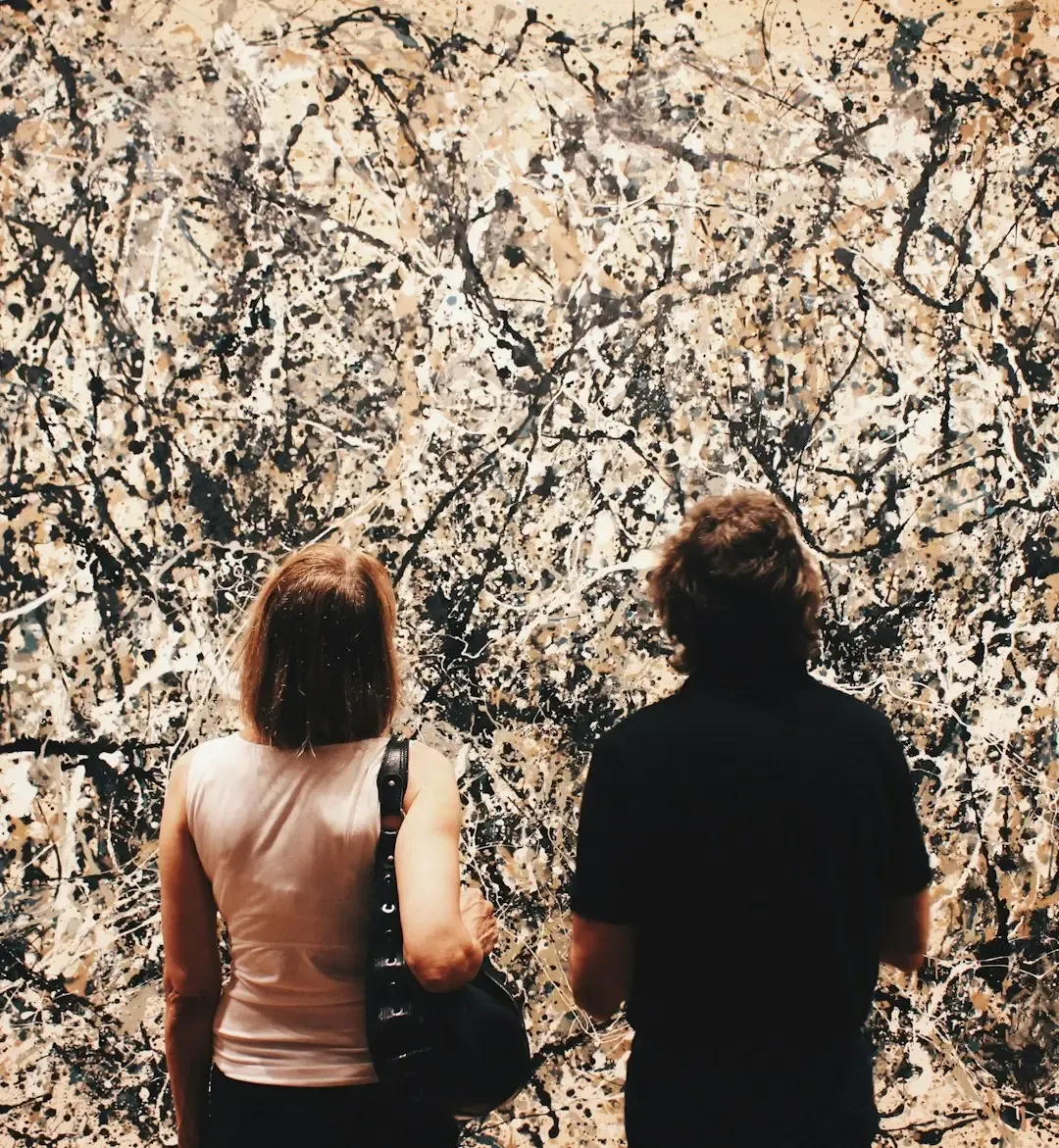
In the 1950s, Jackson Pollock’s drip paintings were seen as chaotic and nonsensical. Many critics dismissed his work as childish splatter. Pollock was one of the most influential Abstract Expressionists and is best known for his large “action” paintings, which he made by dripping and splattering paint over large canvases on the floor. Disillusioned with humanity after the horrors of the Second World War, Pollock began to portray the irrationality of the modern human condition in his wild drip paintings.
Pollock’s radical action painting technique became a defining characteristic of Abstract Expressionism. Today, his works are highly valued, with some selling for over $100 million at auction. “Autumn Rhythm (Number 30)” is now displayed at the Metropolitan Museum of Art in New York. The true uproar surrounding one of his pieces arose in Australia when the Australian Government paid $1.3 million, which was the most money spent on an American painting at that time. It became a controversial topic amongst the population, especially taxpayers who saw it as a waste of funds.
10. Campbell’s Soup Cans – Andy Warhol (1962)

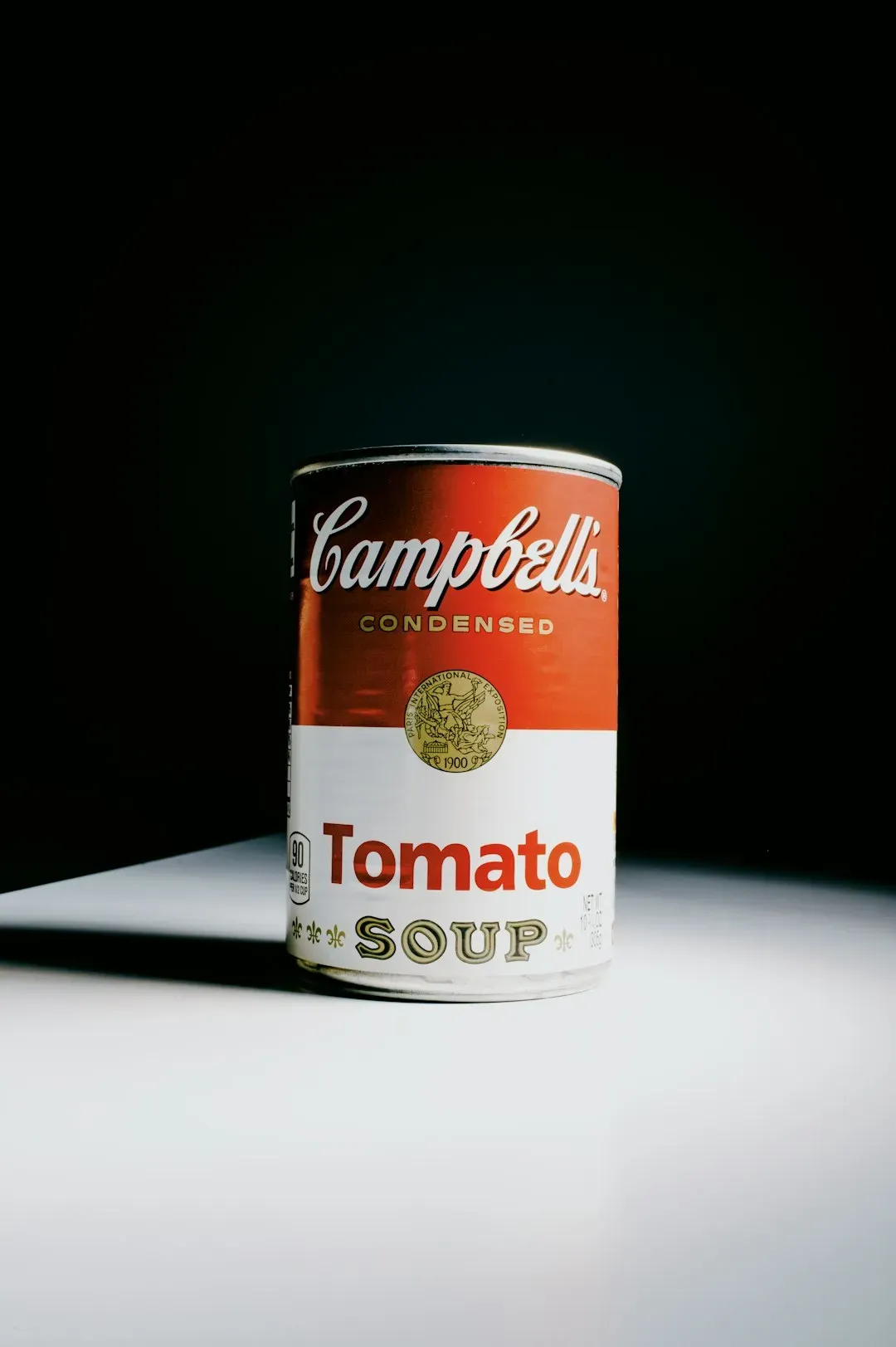
Warhol’s world-famous 1962 silkscreen painting “Campbell’s Soup Cans” caused a stir when exhibited in Los Angeles, with some intrigued while many dismissed it and were disdainful. Critics went practically insane asking how an artist could reduce an institutionalized field like art to a simple visit to the supermarket. However, Pop Art went beyond these ordinary objects and included the themes of mass culture, those which aligned with the reality of the consumer society.
According to one contemporary account, one critic wrote that this young artist was “either a soft-headed fool or a hard-headed charlatan,” signaling the disapproval and skepticism that greeted the work on arrival. What was once considered radical, incomprehensible, or even offensive can, with the passage of time and the development of new critical frameworks, become canonical. The history of art is peppered with examples of artists who were initially dismissed or ridiculed, only to be later celebrated as visionaries. Warhol’s soup cans now sell for tens of millions of dollars and are central to any serious account of postwar American art.