Memory has never been a purely private affair. Long before flash cards and productivity apps, people whose lives or livelihoods depended on remembering – monks reciting scripture in candlelit cells, intelligence agents memorizing codes under pressure, magicians building routines around astonishing recall – developed techniques that were passed down, refined, and kept close. Some of these methods are thousands of years old. A few are deeply counterintuitive. All of them still work.
What’s remarkable is how different the contexts were, yet how similar the underlying logic turned out to be: make information strange, spatial, emotional, or narrative, and the brain holds on to it. The thirteen tricks below trace that insight across the most unlikely corners of history.
1. The Memory Palace (Method of Loci) – Ancient Greek Orators and Medieval Monks


The method of loci is traditionally associated with the Greek poet Simonides of Ceos, who is said to have used it to recall the seating arrangement at a banquet hall that collapsed, allowing him to identify the crushed victims by remembering where each person had been seated. From that grim origin, the technique spread steadily across civilizations. It is a mnemonic technique that uses visual imagination and spatial memory to organize and recall information, involving mentally associating pieces of information with specific locations in a familiar environment, such as rooms in a house or landmarks along a well-known route.
The use of memory palaces extended beyond academic or rhetorical purposes, finding a place within spiritual practices as well. Medieval Christian monks employed the method of loci to memorize prayers, psalms, and entire sections of the Bible, transforming physical spaces into sacred landscapes of the mind. This technique not only aided in the retention of religious texts but also facilitated meditation and contemplation, allowing the monks to walk through their memory palaces in prayer. Today, the method of loci is employed by many participants in memory competitions, including events such as the World Memory Championship, where they use it to memorize items such as shuffled decks of cards, long strings of numbers, and lists of words.
2. The Jesuit Adaptation – Missionary Memory for Foreign Texts

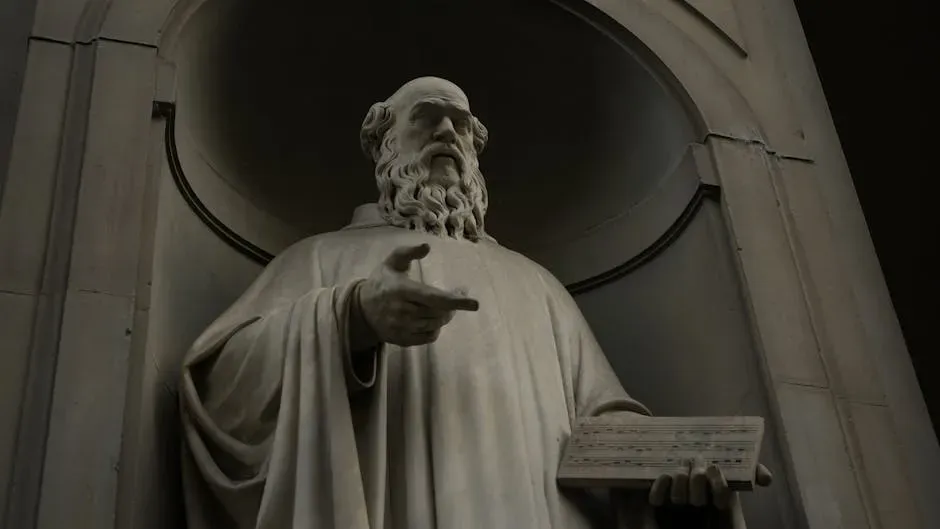
The method of loci experienced a significant revival during the Renaissance, notably through the work of Matteo Ricci, a 16th-century Italian Jesuit missionary. Ricci adapted the technique to help memorize Chinese characters, Confucian texts, and Christian teachings while carrying out his missionary activities in China. It was a genuinely bold repurposing of an ancient tool – taking a Greek rhetorical device and bending it to serve cross-cultural scholarship on the other side of the world.
In 1596, Ricci published a treatise titled Xīguó jìfǎ, meaning A Treatise on Mnemonics, written in Chinese. This work introduced the method of loci to East Asian audiences as a means of intellectual development. Another prominent figure of the Renaissance, Giordano Bruno, further developed the method by incorporating esoteric elements. In his 1582 work De umbris idearum, Bruno combined the method of loci with Hermetic philosophy and elaborate astrological symbols to construct complex memory theaters designed for storing philosophical and symbolic knowledge.
3. The Hand Mnemonic – Buddhist Monks on the Silk Road

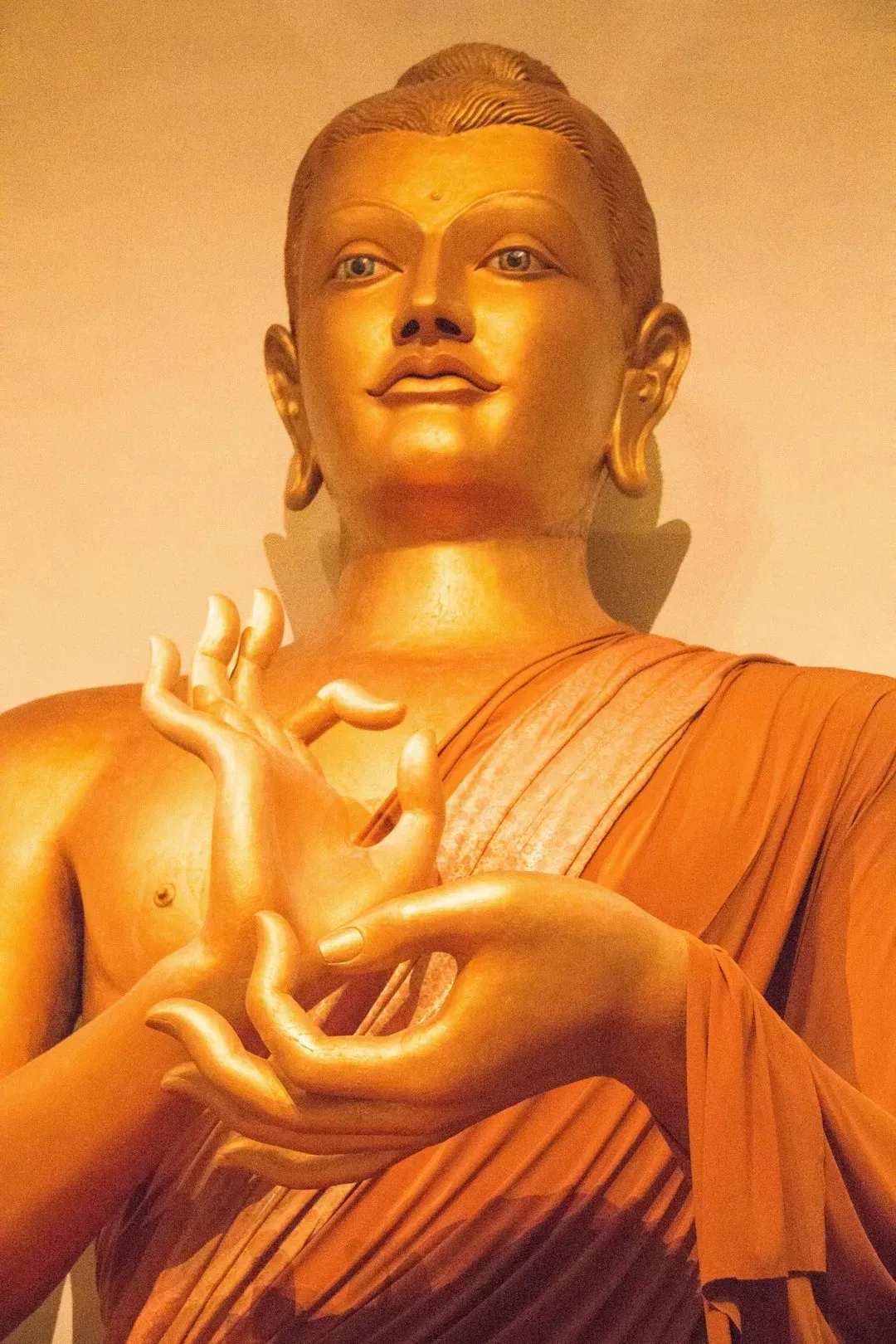
Before humans stored memories as zeroes and ones, they turned to digital devices of another kind – preserving knowledge on the surface of fingers and palms. Buddhist monks, Latin linguists, and Renaissance musicians all practiced varieties of hand mnemonics for remembering what might otherwise elude the mind. One of the oldest surviving records of this kind is a drawing discovered in a sealed library in China’s Mogao Caves, the work of an eighth-century monk, perhaps a member of an esoteric Buddhist cult traveling the Silk Road, who used the hand as a structured memory map.
The arts of memory are well known, but the role of the hand in these arts is often overlooked. Beginning with the pioneering work of Frances Yates, Western scholars started to piece together a rich tradition of mnemonic practices that originated in antiquity. Using memory palace techniques, skilled practitioners could memorize vast collections of facts by nesting them in familiar places. Hand mnemonics extended this same principle to the body itself, making the fingers and palm a portable, always-available architecture for knowledge.
4. Sacred Symbol Anchoring – Monks Using Icons as Memory Triggers


Symbols like crosses, mandalas, or the lotus flower aren’t just spiritual icons – they’re powerful memory anchors. Monks would associate a lesson or story with a sacred symbol, making it easier to recall in meditation or teaching. This works because our brains are wired to remember emotionally charged or meaningful images. For a monk who meditated on the same cross or icon every day for years, that symbol became densely loaded with associated knowledge – a single image containing multitudes.
Monks used memory techniques to memorize scriptures and religious texts, viewing the act of memorization as a form of meditation and a pathway to closer communion with God. The practice of memory techniques was also seen as a form of spiritual discipline, a way of cultivating the mind and soul towards higher states of awareness and enlightenment. In various spiritual traditions, the cultivation of memory is considered a path to enlightenment, a way of harnessing the mind’s capacity to reflect on spiritual truths and internalize sacred teachings.
5. Chunking – The Spy’s First Line of Defense Against Forgetting
Chunking is a memory trick that spies have relied on for generations. Faced with long codes, addresses, or sequences, they break the information into smaller, manageable chunks – like splitting a 10-digit phone number into three groups. The logic is simple, but the science behind it is substantial. The concept was introduced by cognitive psychologist George Miller in his landmark 1956 paper “The Magical Number Seven, Plus or Minus Two,” which proposed that working memory can hold approximately seven items. Subsequent research revised this estimate downward – most current models suggest the true capacity is closer to three to five chunks.
The letter sequence F-B-I-C-I-A-N-A-S-A looks like nine separate items. Recognized as FBI-CIA-NASA, it becomes three chunks – well within working memory capacity – even though the total information content is identical. Spies would practice breaking information into patterns, making recall under pressure not just possible, but fast. This method is now standard in everything from credit card numbers to social security numbers.
6. The Narrative Encoding Method – Spies Who Turned Facts into Stories

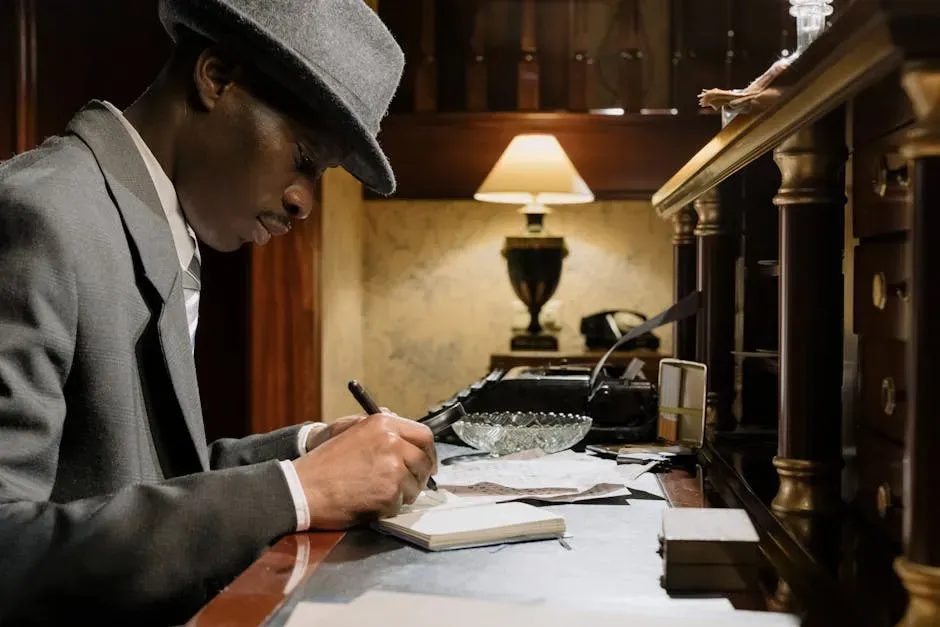
Spies know that stories stick. They would weave facts and figures into short, vivid narratives, making the details hard to forget and harder for enemies to decode. Rather than memorizing raw data, an operative would construct a small internal scene – characters, actions, a sequence of events – that encoded the information within a story structure the brain could naturally follow. Intelligence agencies still train recruits to encode information into memorable tales, because even under stress, a good story is hard to lose.
Instead of memorizing “1945,” a spy might imagine a story about a cat chasing mice over hills – each number becomes part of the plot. The human brain naturally remembers stories better than random data, a fact supported by cognitive psychology research in 2025. This is one of the oldest principles in cognitive science, and it explains why oral cultures across the world encoded their entire histories in myth and verse rather than lists.
7. The Mnemonic Cipher – Spies Who Hid Information in Rhyme

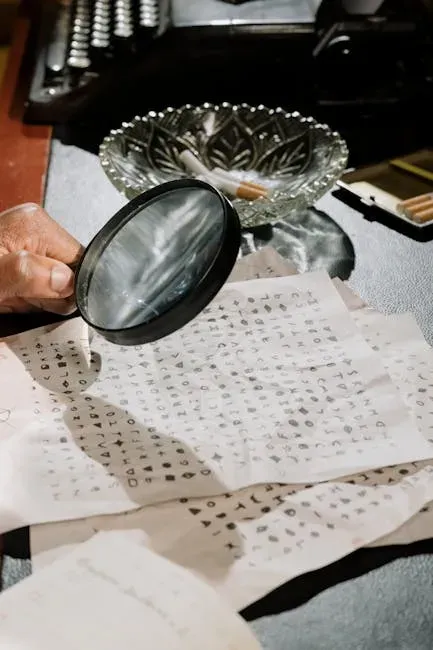
Mnemonic ciphers are secret codes disguised as rhymes or catchy phrases. Spies would invent personal jingles or poems, each word or sound standing for a piece of classified information. This not only helped them remember but also hid the message in plain sight. The double function – both a memory aid and a concealment device – made these ciphers extraordinarily practical in the field. A memorized tune or innocuous phrase could carry operational details that no written note could safely hold.
During World War II, agents used song lyrics with altered lines as impromptu ciphers. The underlying cognitive principle has been well studied since then. First-letter mnemonics, acronyms, and acrostics compress lists into memorable words or sentences – “ROY G BIV” for rainbow colors, “Every Good Boy Does Fine” for music notes. Rhythm and rhyme create predictable patterns that the brain can anchor information to far more effectively than plain prose.
8. The Peg System – A 17th-Century Invention That Still Works Today

The mnemonic peg system, invented by Henry Herdson, is a memory aid that works by creating mental associations between two concrete objects in a one-to-one fashion that will later be applied to to-be-remembered information. The basic version maps numbers to rhyming words – one is a gun, two is a shoe, three is a tree – and then links each item to be remembered to its corresponding “peg” through a vivid mental image. The pegword method is a really useful mnemonic device for learning a list of items in order, particularly when those items are concrete, visual objects rather than abstract concepts.
Another interesting aspect of this technique is that it’s just as easy to recall items in backwards order as forwards. This is because the peg words provide direct access to the memorized items, regardless of order. The brain reacts vigorously to these associations due to its ability to deal with images far better than abstract concepts or words alone. Neuroscientific research has shown that visual and affective associations are dealt with in memory-processing parts of the brain, which renders this technique very effective in memorizing lists, numbers, or activities.
9. The PAO System – Stage Magicians and Their Person-Action-Object Scenes

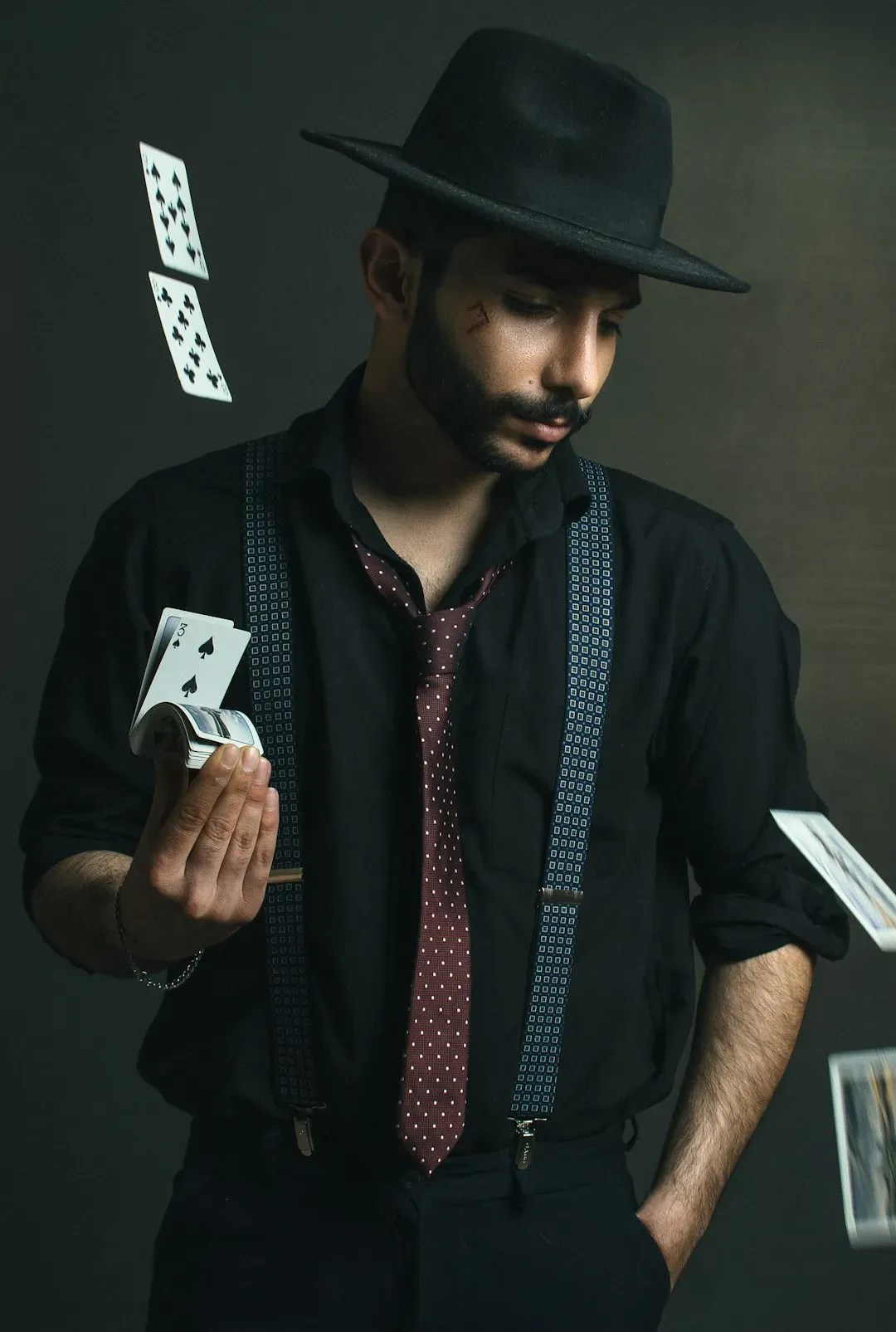
Street performers, especially magicians, love the PAO system for its power and versatility. They assign a person, an action, and an object to each card or number – for example, “Albert Einstein dancing with a banana.” When memorizing, they simply imagine a wild scene for each card. By creating a three-part image for every unit of information, performers can compress enormous amounts of data into a manageable sequence of memorable mental scenes. The stranger and more vivid the scene, the more reliable the recall.
The technique takes advantage of the fact that the brain remembers images more easily than words, a phenomenon known as the picture superiority effect. One hypothesis is that the method boosts memory by tapping into a couple of the brain’s naturally evolved skills: visuospatial memory and navigation. In other words, it serves as a cognitive shortcut for remembering things because it takes information out of the abstract realm and into a vivid world of images. Magicians have exploited this principle for centuries, long before neuroscience gave it a name.
10. The Memorized Deck – Card Performers and Structured Sequence Recall


Magicians often use a stacked deck, such as the famous Si Stebbins order, where every card’s position is predetermined. Memorizing this sequence turns the ordinary into the extraordinary: the performer can seemingly read minds or predict the future. The trick lies in practice – magicians drill the order until it becomes second nature. What looks like supernatural ability from the audience’s perspective is actually a highly trained, mnemonic-reinforced recall system running silently in the background.
Knowing how to memorize a deck of cards is not just for magicians and memory athletes. The same structured association process applies to any ordered list a person needs to recall reliably. Cognitive psychology studies in 2024 reported that such structured memorization creates deep, almost automatic recall pathways in the brain. Stacked decks are a blend of discipline, pattern recognition, and a little bit of showbiz flair.
11. Emotional Pegging – Street Performers and the Art of the Absurd Image

Emotions make memories sticky. Street performers create outrageous, hilarious, or shocking images to attach to facts they want to remember. Imagine picturing a pink elephant dancing on your mother’s head to remember a phone number – the absurdity makes it unforgettable. This is not just performer folklore. Neurological research from 2024 demonstrates that emotionally charged images activate the amygdala, locking memories in place. Magicians and mentalists use this effect to deliver astonishing feats of recall on stage, leaving audiences both amazed and baffled.
The more uncomfortable or ridiculous an image is, the harder the brain works to process it – and that extra processing creates a stronger memory trace. This principle appears in virtually every serious mnemonic tradition, from ancient Greek rhetoric to modern competitive memorization. One way to remember something is to associate it with vivid and even strange or disproportionate images. These unexpected images form solid memory traces, which is why you can improve memory palace results with hyperbole and personification of objects.
12. The Association Chain (Link Method) – Performers Who Built Memory Dominos
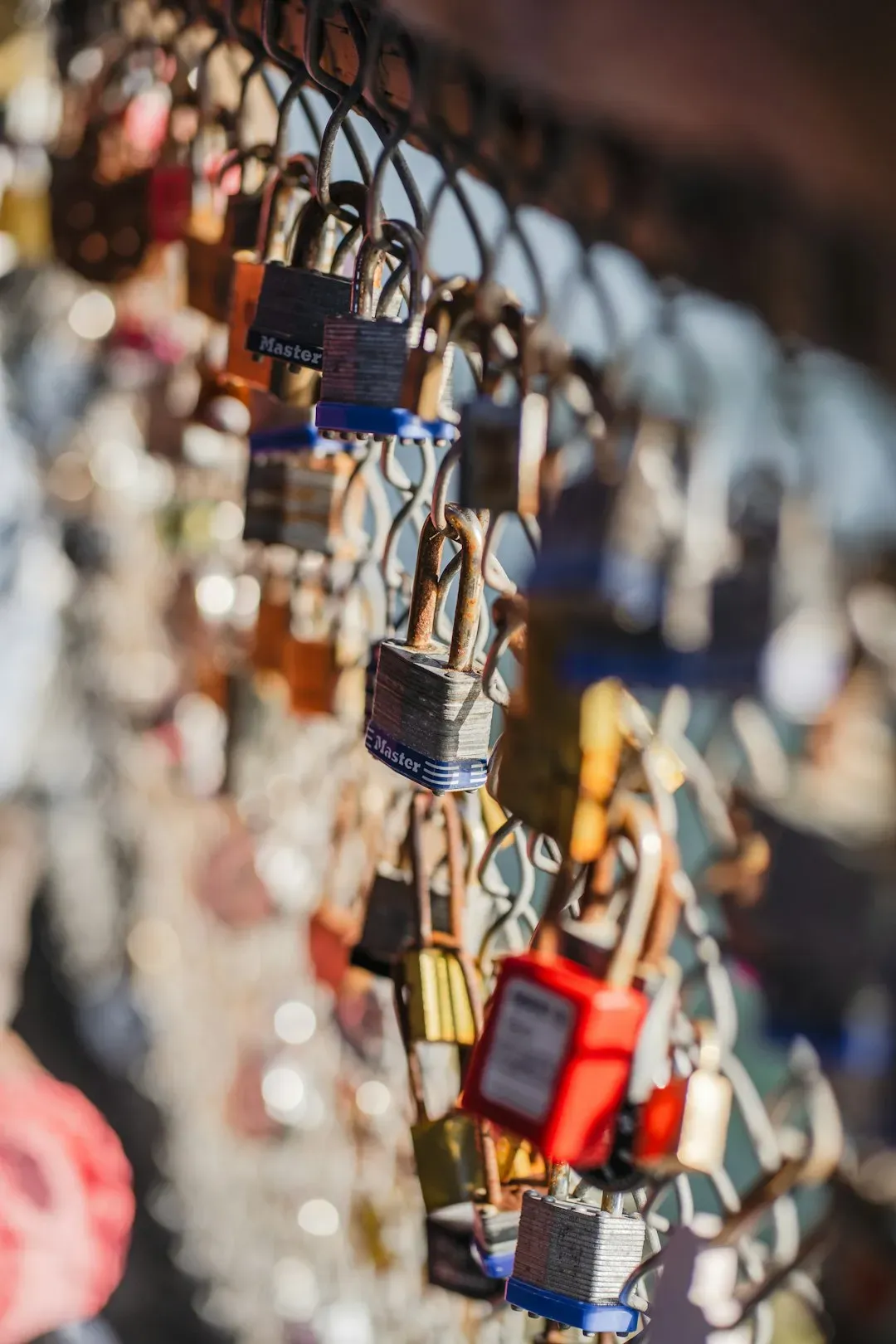
In the world of memory magic, association chains are a go-to method. Performers link one idea to the next in a domino effect – each mental picture triggers the next in the sequence. For example, to remember a shopping list of milk, bread, bananas, and soap, you might imagine a cow pouring milk over a loaf of bread, which turns into a banana, which slips and lands in a bar of soap. The chain turns a random list into a connected story, and the brain retrieves the story like a film rather than a disconnected set of facts.
The Link Method works by creating connections between new items and existing knowledge, or between the items themselves. The more connections a memory has, the more retrieval paths exist, and the easier the memory is to find. Street performers who worked crowds without props relied heavily on this technique to retain the details of audience interactions – names, numbers called out, seemingly random choices – that they’d need to recall moments later in the act.
13. Spaced Repetition – The Monk’s Daily Office as Cognitive Engineering

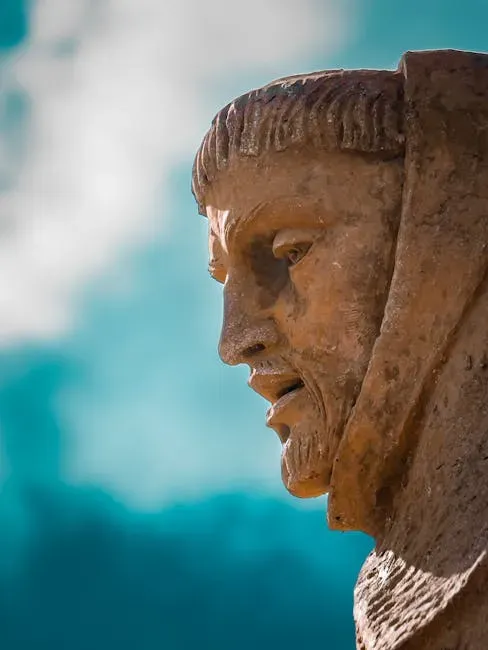
Spaced repetition is a simple technique for remembering things better. To use it, you review the information you’re trying to memorize at increasing intervals. After learning new material, you might create a review schedule – the increasing intervals help you maintain the information in your memory. Medieval monastic life was, in practice, a precisely engineered spaced repetition system. The daily liturgical hours – praying and chanting the same psalms, antiphons, and prayers in a rotating weekly cycle – ensured that sacred texts were revisited constantly, at widening distances, for years on end.
The act of retrieving a memory strengthens that memory more than the act of reviewing it. Re-reading notes feels productive but produces weak retention. Testing yourself – forcing your brain to actively pull the information from storage – produces dramatically stronger retention. This is the basis of active recall and spaced repetition, which together form what cognitive scientists consider the most evidence-supported study strategy available. Monks didn’t have the neuroscience vocabulary for it, but their daily rhythm anticipated by centuries what researchers have since confirmed in laboratory settings.
What unites all thirteen of these techniques – across monasteries, safe houses, and street corners – is a shared understanding that the brain doesn’t store information neutrally. It stores what’s vivid, emotional, spatial, or tied to a story. Every trick on this list is really just a different way of dressing information in those qualities. The people who mastered memory throughout history weren’t gifted with unusual minds. They simply understood how an ordinary mind actually works.