History tends to remember the names that made the front pages. Al Capone, John Gotti, Pablo Escobar. These men became cultural shorthand for organized crime, their faces on magazine covers and their stories retold in blockbuster films. Yet behind nearly every notorious criminal empire, there was almost always a quieter figure. Someone who never sought the spotlight, never gave press conferences, and whose name rarely appeared in newspaper headlines.
These are the architects. The ones who built the systems that made the visible gangsters possible. Some ran financial networks across continents. Others controlled enforcement arms that carried out hundreds of killings. A few operated under assumed identities for decades. Their relative obscurity wasn’t accidental. It was the strategy. Here are thirteen figures who quietly steered some of history’s most powerful crime rings from the shadows.
1. Meyer Lansky: The Mob’s Accountant

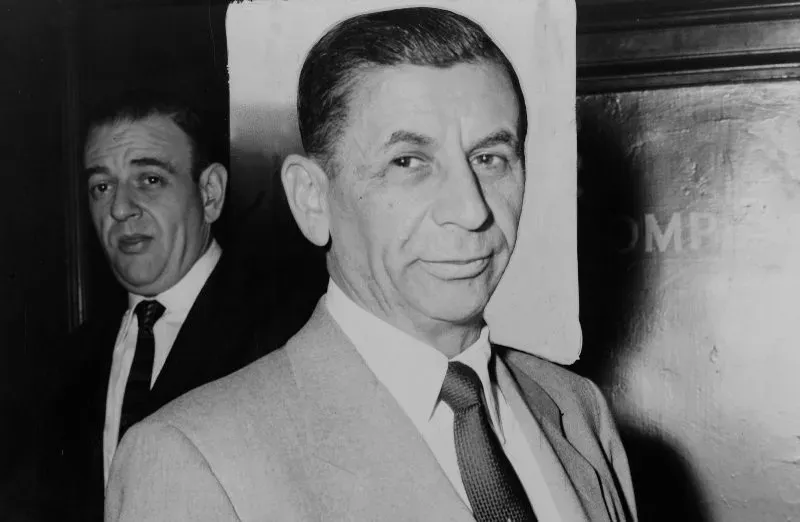
Meyer Lansky, known as the “Mob’s Accountant,” was recognized for his financial savvy, which he used to help transform the Mafia into a businesslike organization. Between 1932 and 1934, Lansky joined Luciano and Johnny Torrio, among others, in forming the national crime syndicate and became one of its major overseers and bankers, often laundering funds through foreign accounts. His genius wasn’t in intimidation. It was in spreadsheets, offshore accounts, and casino revenues that moved money invisibly.
He was involved in narcotics smuggling, pornography, prostitution, labour racketeering, and extortion, and had control of such legitimate enterprises as hotels, golf courses, and a meatpacking plant. Monies were secreted in Swiss banks. By 1970, his total holdings were estimated at $300 million. Despite being heavily monitored by the FBI, authorities never managed to convict him of anything, and he died of natural causes at the age of 80.
2. Louis “Lepke” Buchalter: The Hidden Executioner

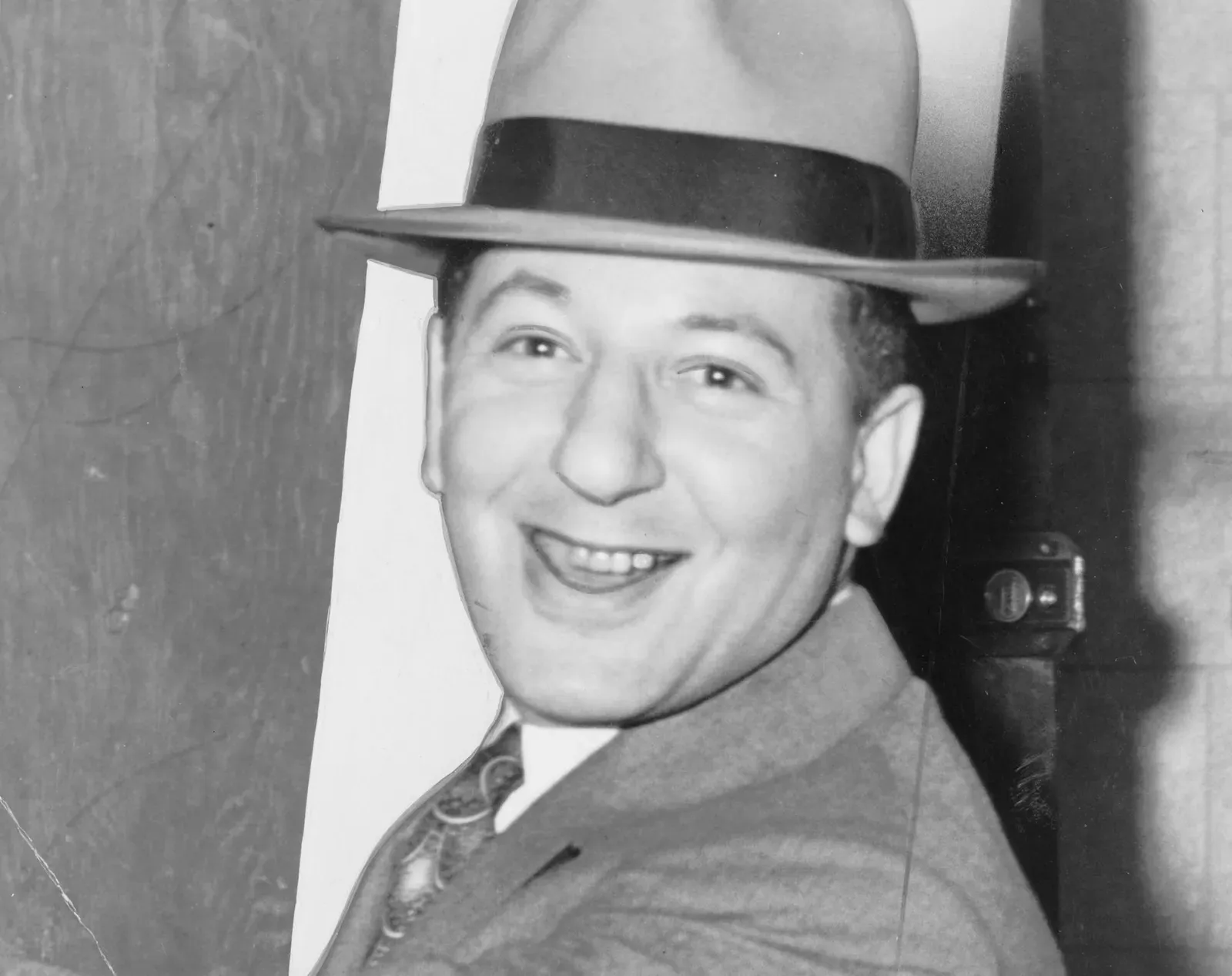
Members of Murder, Inc. committed crimes in New York City, acting as enforcers for New York Jewish mobster Louis “Lepke” Buchalter, and they accepted murder contracts from mob bosses all around the United States. Buchalter operated largely beneath the public radar while running what was effectively a national contract killing service. Murder, Inc. was believed to be responsible for between 400 and 1,000 contract killings, until the group was exposed in 1941 by former member Abe “Kid Twist” Reles.
In the 1930s, Buchalter used Murder, Inc. to murder witnesses and suspected informants when he was being investigated by crusading prosecutor Thomas Dewey. His reach into labor racketeering made him particularly powerful in industries most people never connected to organized crime. On March 4, 1944, when he was electrocuted, he became the only major mafia head in the history of the United States to have been executed.
3. Carlo Gambino: The Ghost Boss

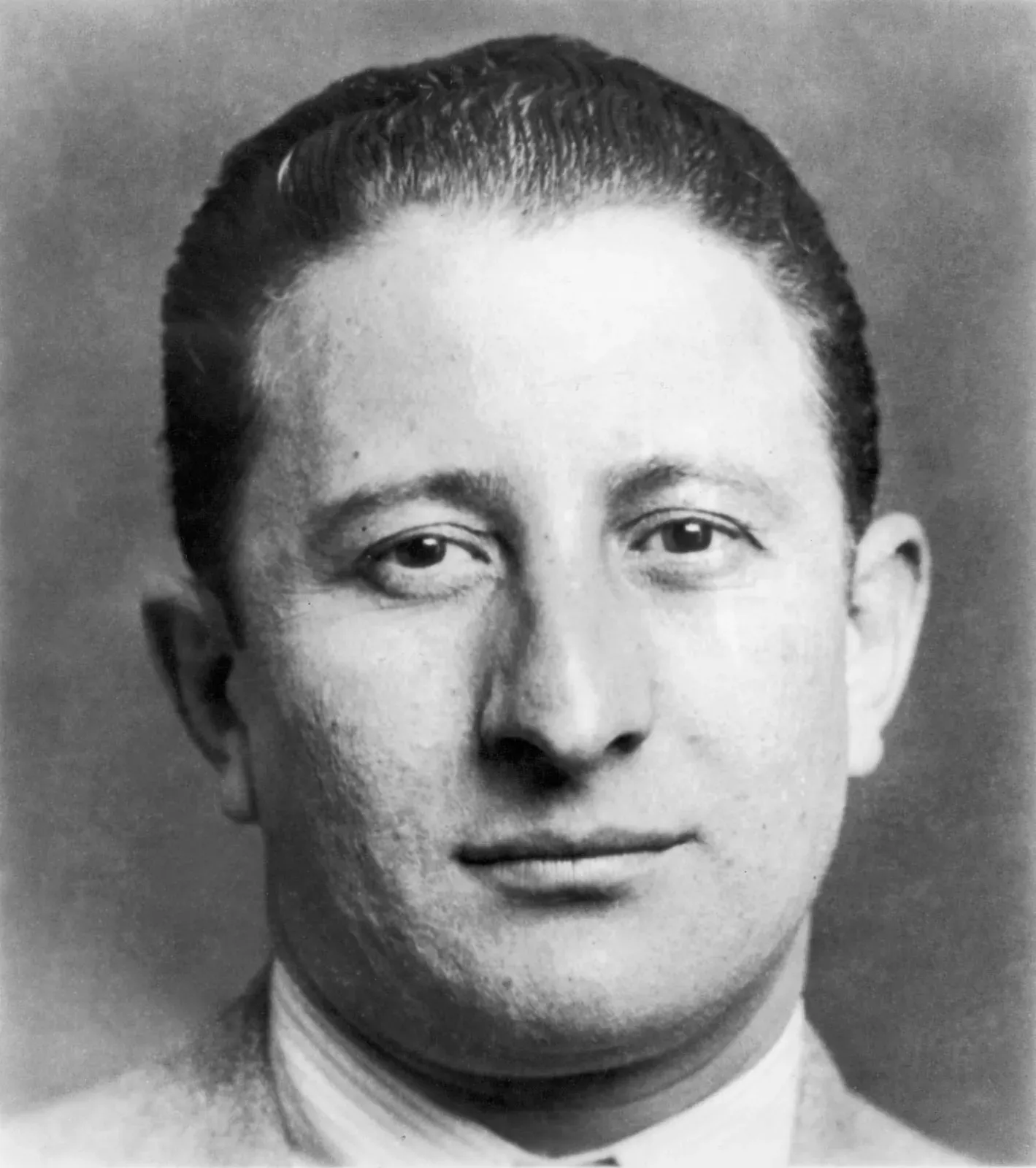
Carlo Gambino of the Gambino crime family ruled the American mafia for nearly 20 years. He became involved in bootlegging during Prohibition, eventually rising through the ranks and taking control of the family and even heading the Mafia’s national governing body, the Commission. A fan of discretion, he managed to avoid any significant prison time and died of natural causes in his home. While other bosses craved status and visibility, Gambino treated anonymity as a professional advantage.
Gambino quickly built the family into the most powerful crime family in the United States. He was helped by Meyer Lansky’s offshore gaming houses in Cuba and the Bahamas, a lucrative business for the Cosa Nostra. Carlo earned the family over $500 million a year and in 50 years of crime he served only 22 months in prison, between 1937 and 1938.
4. Frank Costello: The Prime Minister Nobody Voted For

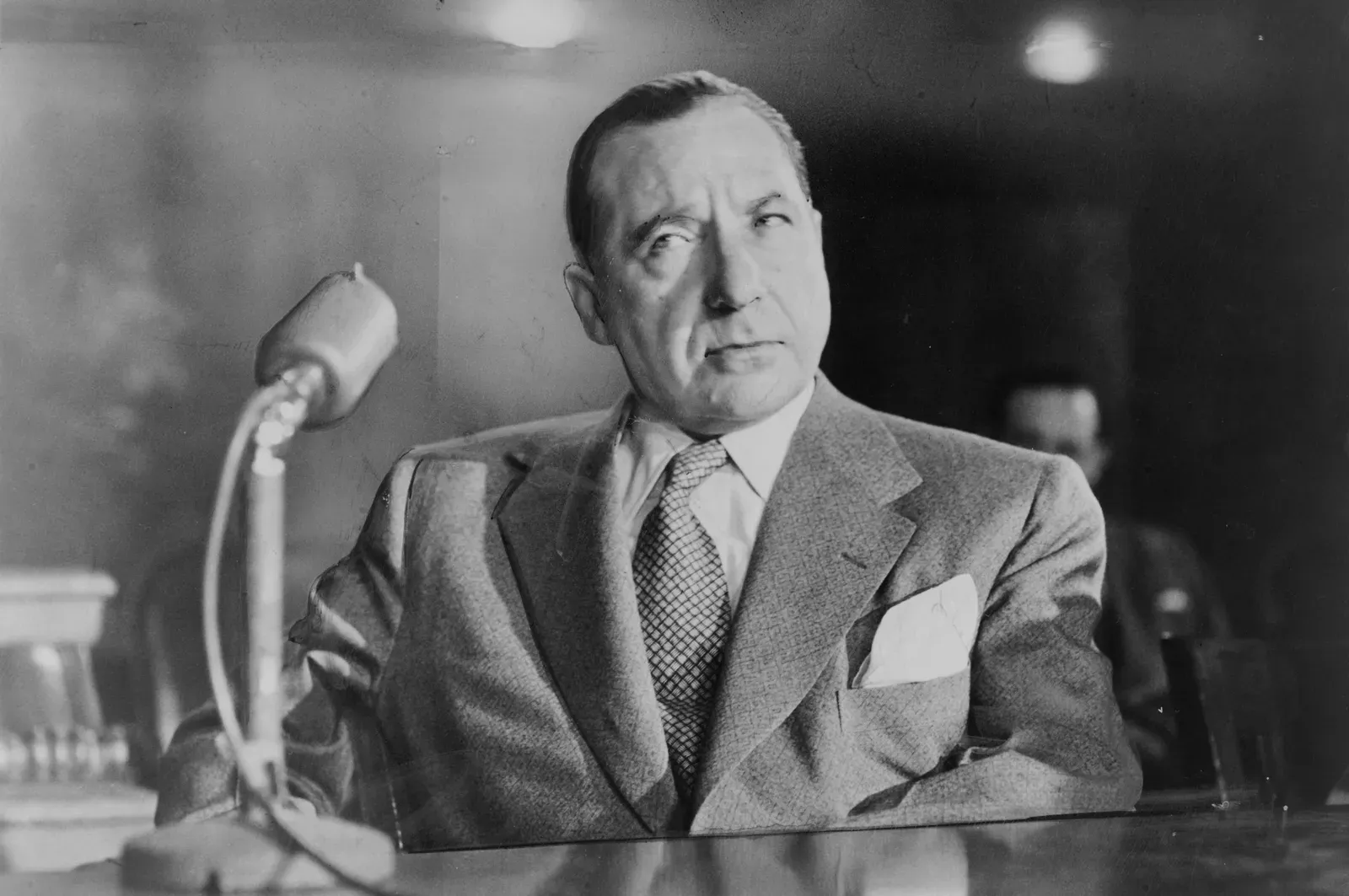
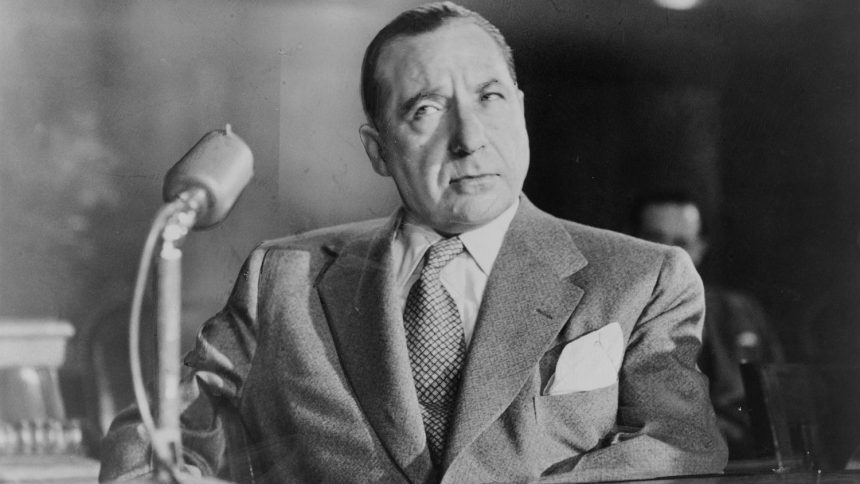
Frank Costello, nicknamed “Prime Minister of the Underworld” because of the immense influence he amassed, specialized in political corruption and gambling. He controlled extensive gambling operations in New York City and helped consolidate the Mafia under The Commission. His real power wasn’t firepower. It was his web of political connections that made him nearly untouchable for years.
As a young man, he partnered with Lucky Luciano, Meyer Lansky, Owney Madden, and other underworld pioneers to become one of the Founding Fathers of the New York Mob, but Costello eschewed violence. His great skill was negotiating sensible, lucrative partnerships with mobsters of all ethnicities. He had a large role in establishing links between the underworld and Tammany Hall, the political machine that elected mayors, governors, and presidents.
5. Tony Accardo: Eight Decades Without a Conviction

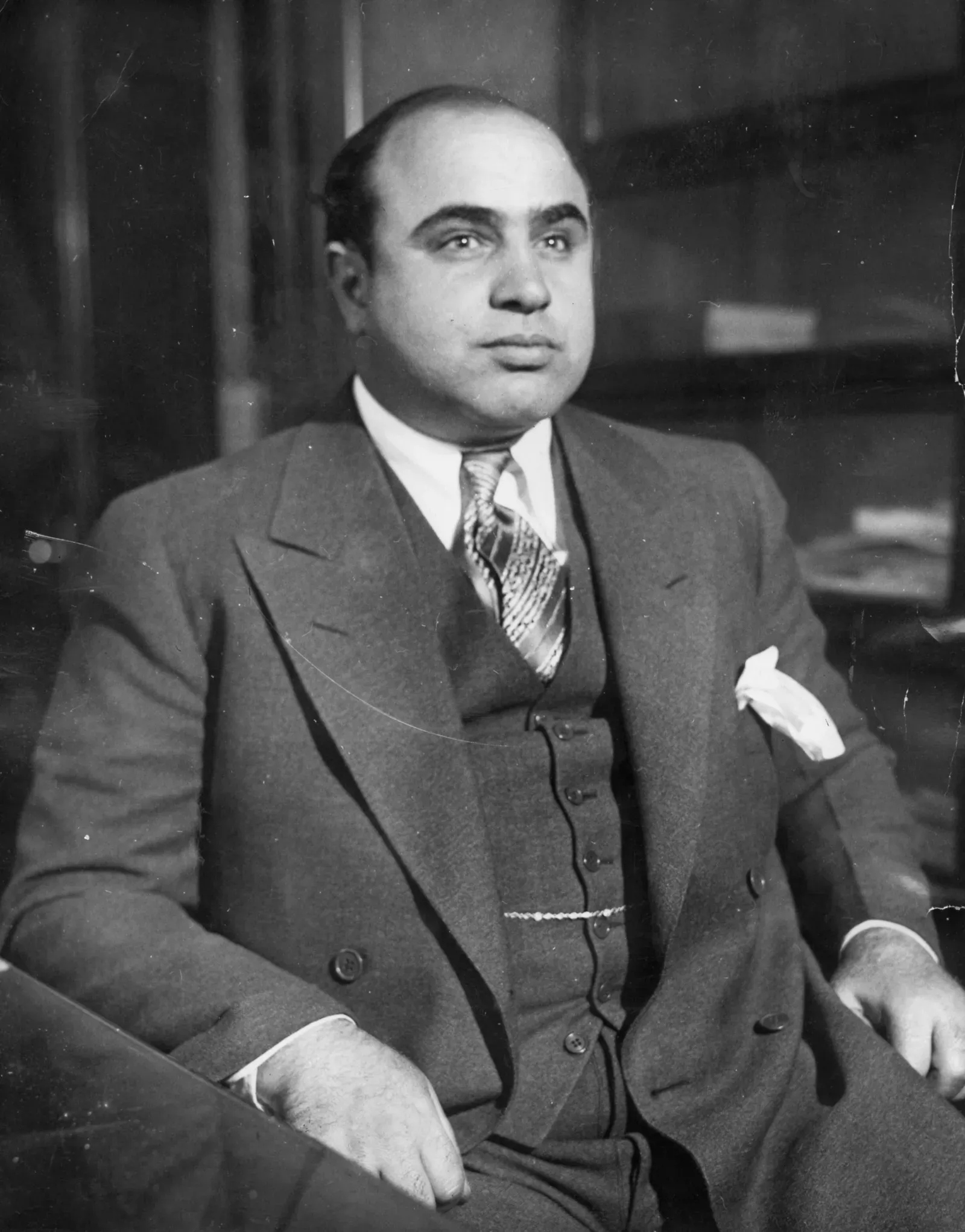
Anthony Accardo was the longtime boss of the Chicago Outfit, helping it expand into one of the most powerful criminal enterprises in the United States. He got his nickname “Joe Batters” because of his reputation for using a baseball bat as a weapon. He rarely appeared in public, which allowed him to avoid being arrested for decades. Accardo understood that the most dangerous criminals are the ones prosecutors can never quite reach.
Accardo controlled one family that spanned across the whole of Chicago, where New York was split into five families. From 1906 until his death in 1992, he only spent one night in jail in a criminal career that spanned eight incredible decades. That record alone speaks to how methodically he kept himself insulated from the consequences of the empire he ran.
6. Arnold Rothstein: The Brain Before the Mob Was Modern

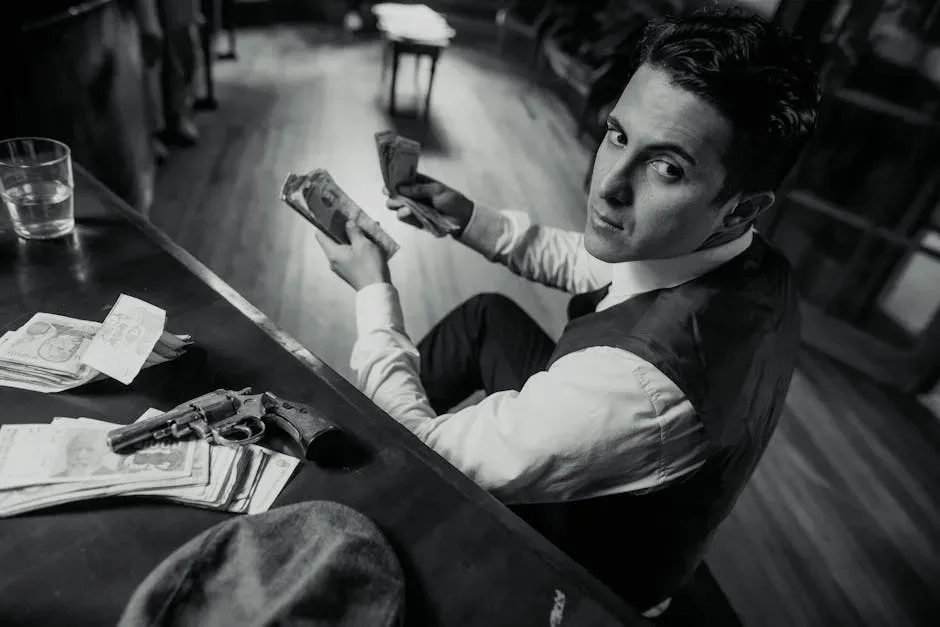
Arnold Rothstein, nicknamed “The Brain,” was known for his use of cunning and manipulation instead of violence to gain power. He got involved in organized crime despite coming from a wealthy family. Rothstein operated more like a venture capitalist than a traditional gangster. He financed criminal ventures, took his cut, and kept his own hands technically clean. His method of using money instead of muscle became the template many later organized crime figures adopted.
Rothstein was widely believed to have been the key financial backer behind the fixing of the 1919 World Series, one of the largest sports scandals in American history. He ran illegal gambling operations and loan-sharking networks across New York with an almost corporate detachment. When he was shot in 1928, he refused to name his killer to police, saying only that he had “nothing to say.” He took his secrets to the grave.
7. Russell Bufalino: The Boss Nobody Knew

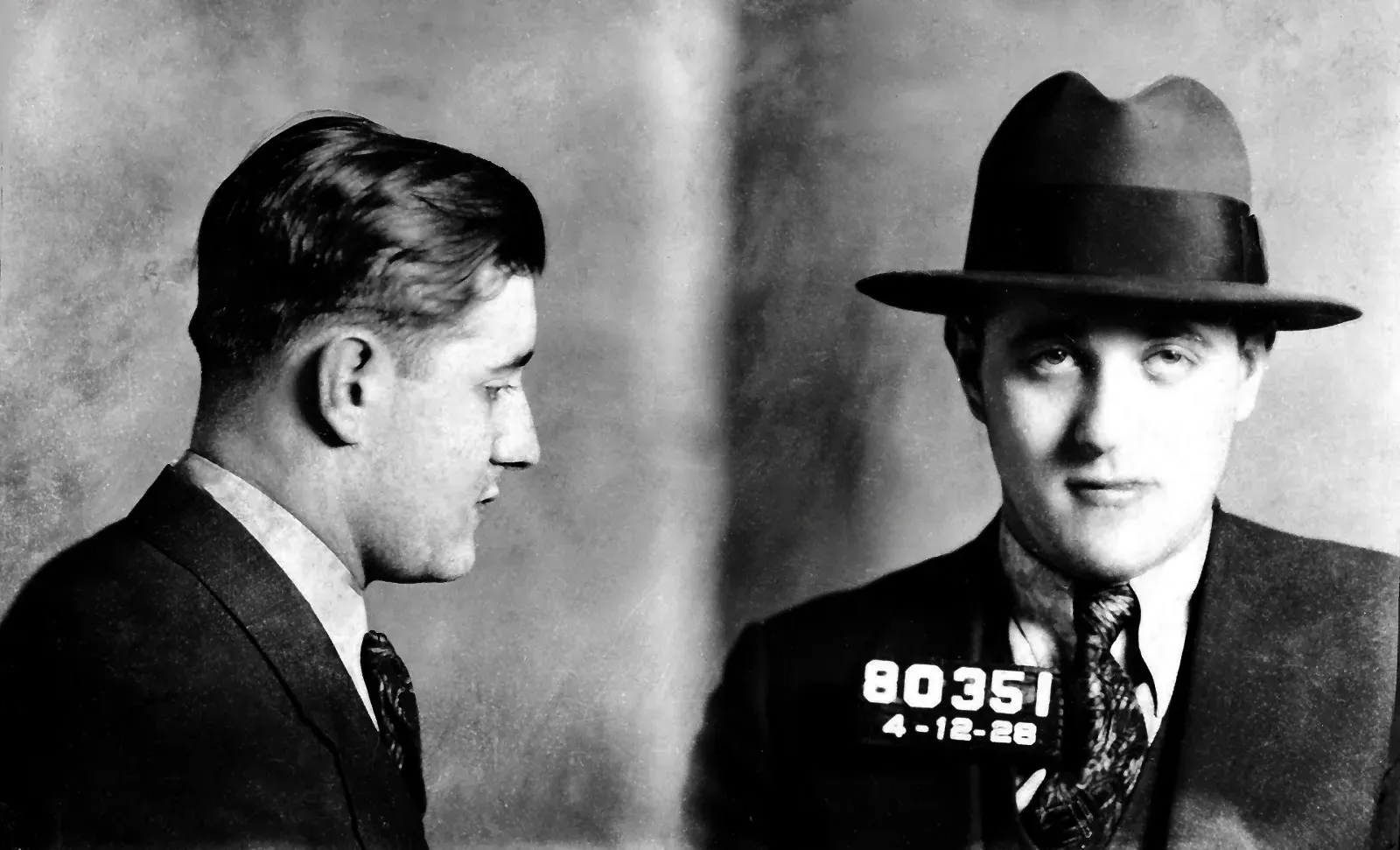
That you probably never heard the name Russell Bufalino before watching Joe Pesci play him in “The Irishman” is a testament to the low profile he maintained. The head of the northeastern Pennsylvania crime syndicate became one of America’s most influential mobsters and built a fortune estimated by some at $1 billion. Bufalino operated so quietly that even career law enforcement officers described him as one of the most difficult mob figures to investigate.
Rumored as one of the dons who ordered the killing of Jimmy Hoffa, Bufalino has also been tied to other significant events in organized crime history. He maintained a public image as a garment industry businessman in northeastern Pennsylvania while allegedly pulling strings far beyond his regional base. His name surfaced in congressional investigations but convictions proved elusive for years.
8. Jonathan Wild: London’s Original Hidden Crime Boss

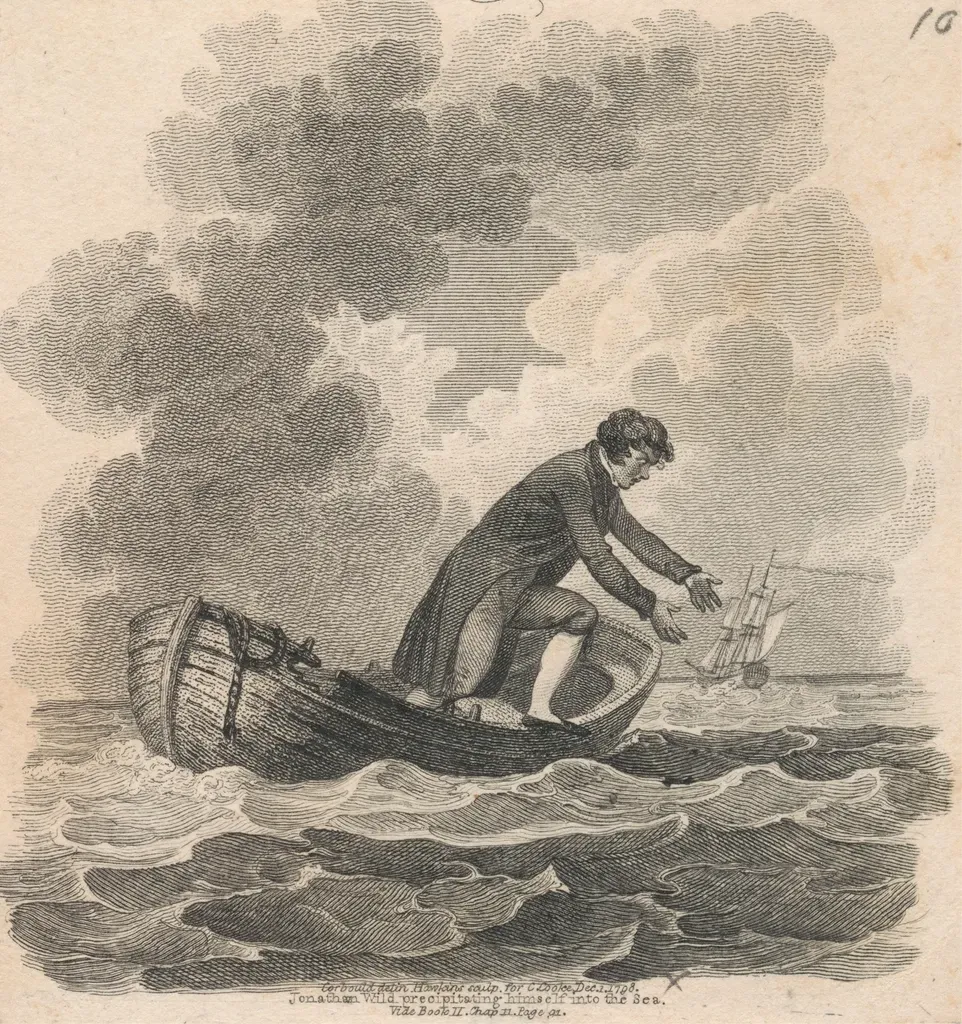
Jonathan Wild was an Englishman involved in several robberies during the early 18th century in London. According to Britannica, he was the leader of an organized crime ring and was responsible for distributing the stolen goods. After 15 years leading a life of crime, Wild was arrested and hanged. What made Wild particularly remarkable was his extraordinary cover. He presented himself publicly as a crime fighter and “Thief-taker General,” helping citizens recover stolen property.
Jonathan was a popular figure in the London underworld in the 1700s. He posed as a vigilante crime fighter who was in fact in on the crimes and would quite often get a cut of the profit. His public image eventually suffered, however, and he was hung at the gallows. In practice, he was running both sides of a criminal racket simultaneously, organizing thefts and then charging victims a fee to get their property back, all while maintaining a reputation as a public servant.
9. Paul Le Roux: The Digital Age Crime Architect

Paul Le Roux was the frighteningly powerful creator of a 21st century cartel, brought down after a decade-long global manhunt. From its origins as a prescription drug network supplying hundreds of millions of dollars worth of painkillers to online customers, Le Roux’s business evolved into a sprawling multinational conglomerate engaged in almost every conceivable aspect of criminal mayhem. He operated largely out of sight, using encrypted communications systems he designed himself.
An investigation revealed a new age of international crime in which a reclusive entrepreneur could thrive, combining the ruthlessness of a drug lord with the technological capabilities of a Silicon Valley firm to build an empire in the shadows of the networked world. Le Roux’s operation reportedly included mercenary armies, weapons deals, and methamphetamine networks. He represents a distinctly modern type of criminal mastermind: invisible, digital, and borderless.
10. Gerald Blanchard: Canada’s Most Sophisticated Operator

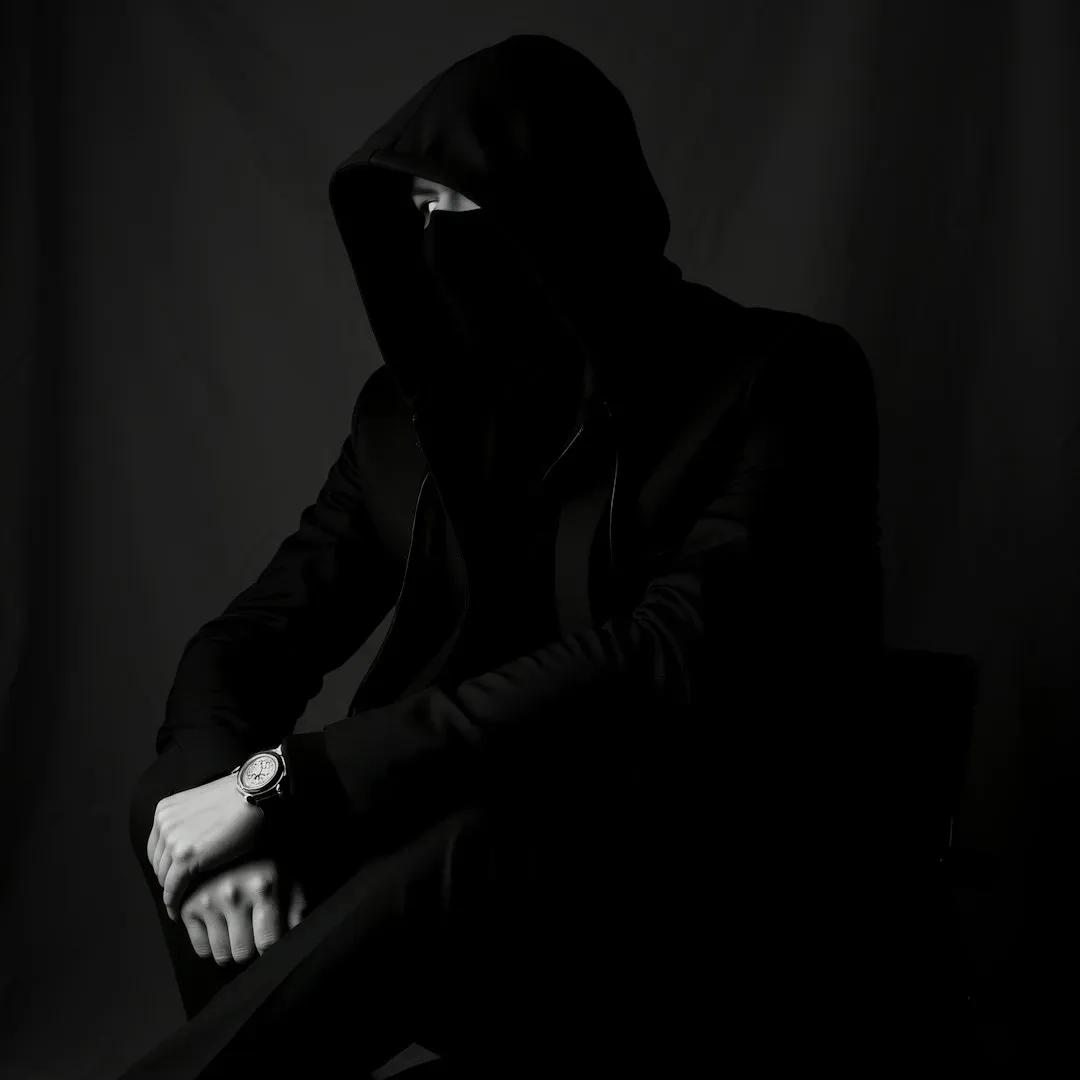
Gerald Blanchard has already been considered by Canadian police as “one of Canada’s most sophisticated criminal masterminds.” He was the ringleader behind a scheme that stole millions from financial institutions. Blanchard operated for years with a combination of technical skill and theatrical audacity that left investigators baffled. His methods ranged from complex bank fraud to physically daring thefts that seemed almost theatrical in execution.
Canadian police described Gerald as Canada’s “most sophisticated” criminal mastermind ever. He once parachuted into Vienna’s Schönbrunn Palace and stole the Star of Empress Sisi, leaving a fake version behind him. After serving his time in jail, he has now embarked on a new career as a security consultant. The arc of his story is almost implausibly cinematic, which is perhaps why he stayed off the radar for so long.
11. Bernardo Provenzano: The Ghost of the Sicilian Mafia

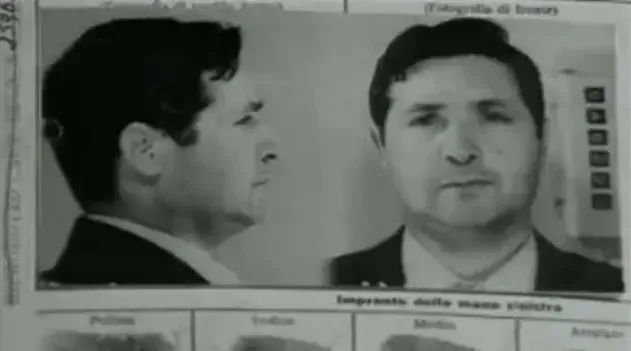
Bernardo Provenzano was a notorious Sicilian gangster and leader of the Sicilian Mafia beginning in the 1980s. He was known for his methodical and cautious leadership style. He was finally arrested in 2006 at the age of 73, convicted of murder, and sentenced to life in prison. Provenzano spent roughly four decades as one of Italy’s most wanted men, eluding authorities while effectively running one of the world’s most powerful criminal organizations.
During the decades he spent in hiding, Provenzano communicated with associates through tiny handwritten notes delivered by trusted couriers, a practice that became one of organized crime’s most studied security methods. He avoided phones, cars registered to him, and any regular routine that could give investigators a pattern to follow. Major syndicates like the one Provenzano led operated on a global scale, coordinating a wide range of illegal activities while maintaining power through sophisticated networks and strategic alliances across different regions.
12. Adam Worth: The Napoleon of Crime

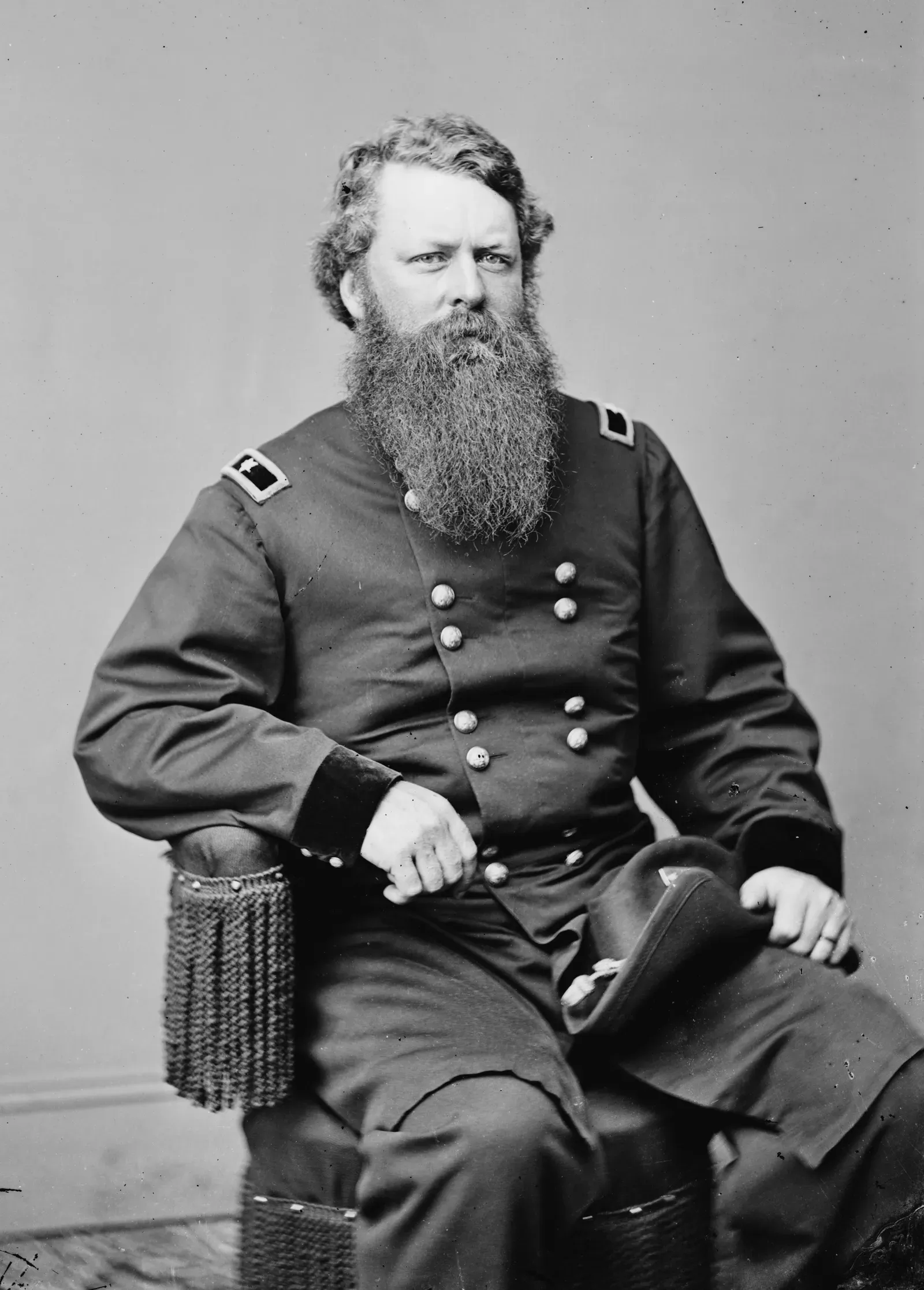
Without any acts of violence, Adam Worth, the criminal mastermind, grew a global network of crime. What started off as a gang of pickpockets grew into organized robberies. After drawing the attention of U.S. law enforcement, he fled to Europe with his crime partner, Charley Bullard. There, they both continued their criminal enterprise under assumed identities. He was called the “Napoleon of Crime” because he was elusive and far-reaching.
He was mostly known for his part in the theft of the “Duchess of Devonshire” painting. Worth liked the painting, kept it hidden, and didn’t try to sell it. He was later arrested and convicted in 1893. His legacy inspired Sir Arthur Conan Doyle’s “Professor Moriarty” in the Sherlock Holmes series. Worth’s reputation rested on his insistence on operating through intelligence and deception rather than violence, making him genuinely unusual among 19th century criminal figures.
13. The ‘Ndrangheta’s Shadow Leadership

Relatively unknown for most of the twentieth century, the ‘Ndrangheta in the last 25 years has emerged as one of the most violent criminal forces in Western Europe. More and more headlines announcing audacious murders on the streets of European capitals can be traced back to Calabria, that stretch of Italy at the very southern tip where the ‘Ndrangheta originated. The family federations at its core have deliberately avoided the kind of visible bosses that make organizations vulnerable to prosecution.
While the mafia is organized in a pyramid formation, the ‘Ndrangheta is much more a family federation, a series of organized gangs connected by family ties. For this reason, the ‘Ndrangheta has remained more secretive and hard to break into than the mafia, since the ‘Ndrangheta insures its insularity with strict family ties and oaths of secrecy. They started by kidnapping noted Italian businessmen and investing their profits in a slice of the European heroin market. Eventually, through ties with the Colombian drug cartels, the ‘Ndrangheta took over the cocaine market. The leadership behind these operations has remained, by design, largely nameless to the outside world.
What each of these figures shared was an understanding that visibility is a liability. The crime bosses who appear in textbooks are almost always those who made the mistake of wanting recognition. The ones listed here built something more durable: systems that outlasted them, organizations that ran on anonymity, and legacies that only became visible long after the damage was done.