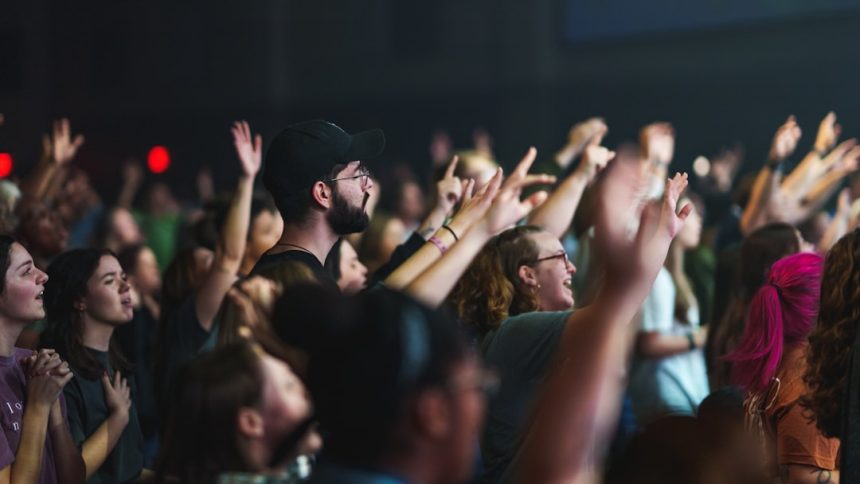
There’s a particular kind of magic that happens when a recording studio can’t contain an artist. Every note is controlled, every mistake corrected, every impulse smoothed over in service of the perfect take. Yet every so often, something happens on a stage that the studio simply never captured. The crowd noise, the nerves, the weight of a real moment – all of it combines into something irreversible.
A few performances in music history didn’t just compete with their studio originals. They replaced them. The version fans reach for, the one that plays on the radio, the one passed from generation to generation – it’s the live recording. These three are among the most remarkable examples of that phenomenon.
Johnny Cash – “Folsom Prison Blues” at Folsom State Prison (1968)
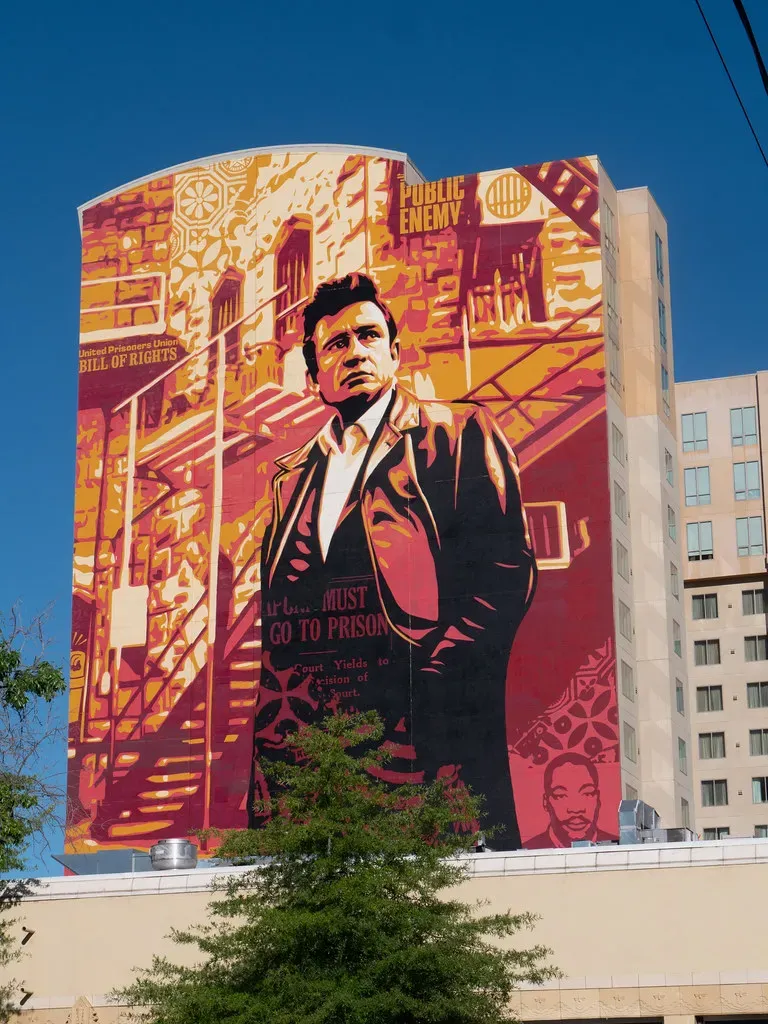
“Folsom Prison Blues” is a song by Johnny Cash that was written in 1953 and first recorded and released as a single in 1955. Though the single went on to moderate success on the country and western chart, it wouldn’t achieve international acclaim until Cash performed the song for prisoners at Folsom Prison on January 13, 1968.
In the midst of depression and a steep decline in his musical career, Cash arrived to play for inmates at California’s Folsom Prison – and the concert and subsequent live album launched him back into the charts and re-defined his career. He rehearsed feverishly in the days leading up to the concert, and despite the presence of armed guards on the walkways above them and the warden’s prohibition against standing during the show, Cash’s audience was raucous, invigorating the performers and lending a unique verve to the live recording.
The Album That Rewrote His Legacy
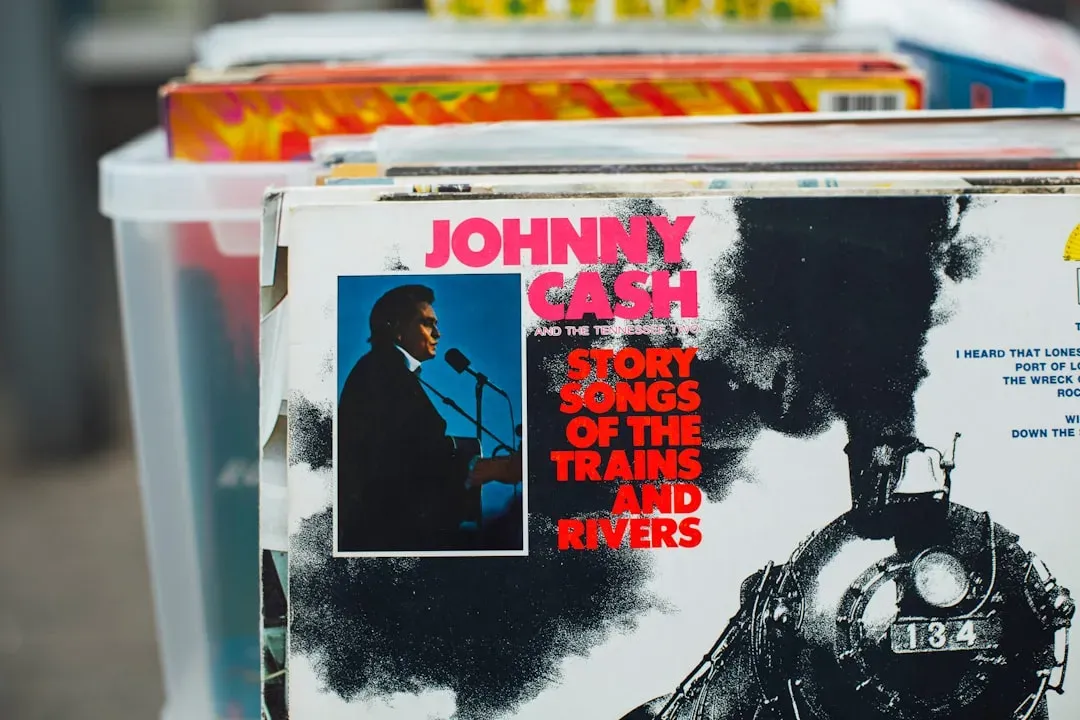
“Folsom Prison Blues” became Cash’s first number one country hit in five years, and the live 1968 version has supplanted in popular memory the original studio track, a minor hit that appeared on the artist’s debut 1957 album. At the 11th Annual Grammy Awards in 1969, the album won the award for Best Album Notes, and “Folsom Prison Blues” won for Best Country Vocal Performance, Male.
Since its release, At Folsom Prison has been acknowledged by Rolling Stone, Blender, Time, and Country Music Television as one of the greatest albums of all time, and after achieving triple platinum status from the RIAA in 2003, the Library of Congress chose it for addition to the National Recording Registry. The popularity of At Folsom Prison electrified Cash’s career, taking him from playing county fairs to major rock arenas such as Madison Square Garden and the Forum in Los Angeles, while attracting international audiences that opened markets for the wider country music industry.
Bob Marley – “No Woman, No Cry” at the Lyceum, London (1975)
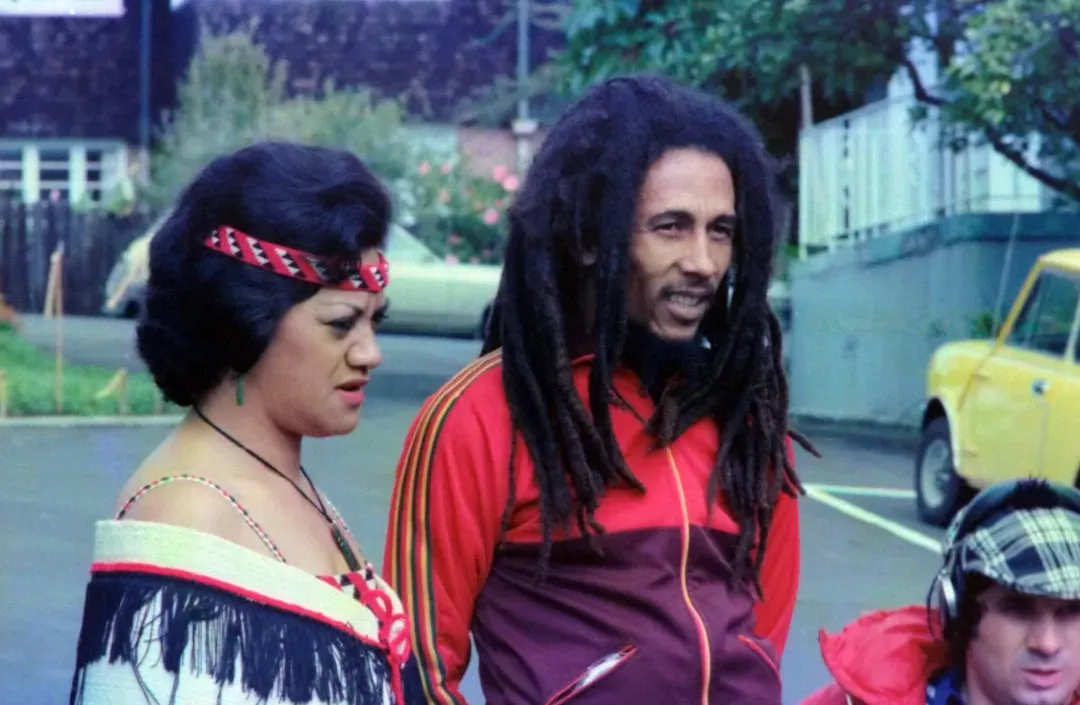
“No Woman, No Cry” first appeared on Natty Dread in 1974, riding a drum machine rhythm. The original version on Natty Dread was nothing like the live performances – it was shorter and sped-up, with little of the energy Marley brought to it in concert.
On July 17 and 18, 1975, Bob Marley and The Wailers played a pair of stunning shows at the Lyceum Theatre, London, which were recorded for the Live! album released on December 5, 1975, with the bulk of the songs coming from the first set. Backed by a full band, “No Woman No Cry” was stretched out to a leisurely seven minutes and seven seconds, with not a single moment wasted.
The Night a Song Became a Standard
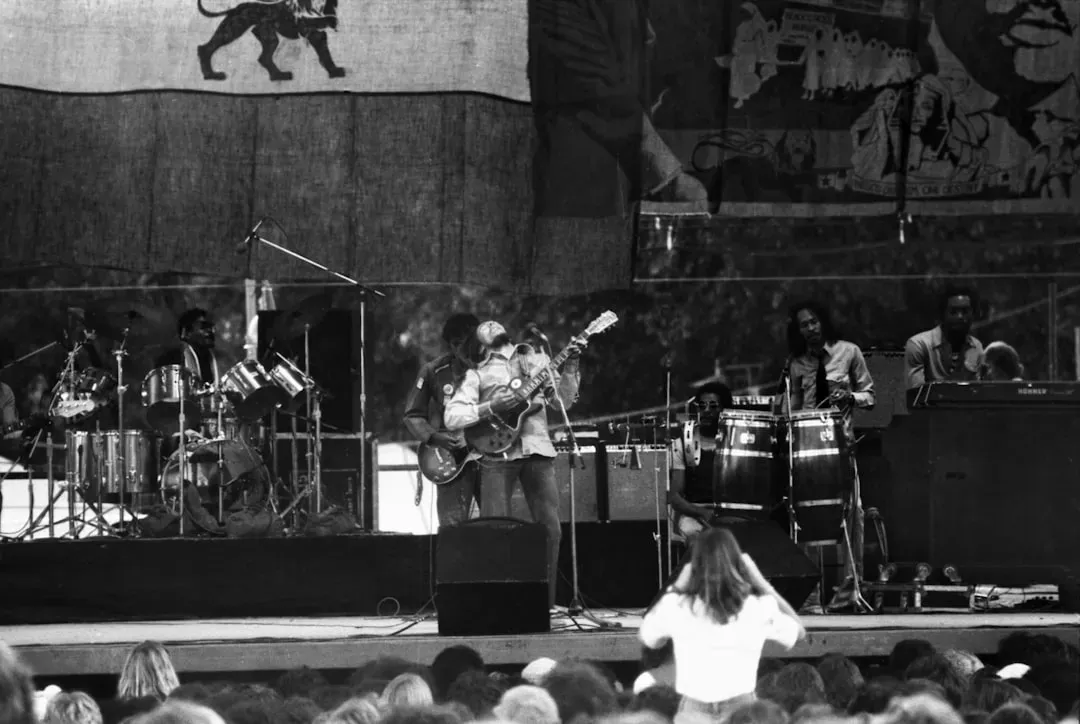
It was this live version that was released as a single in 1975, and immediately became the definitive one – every major Bob Marley compilation includes the live version of “No Woman No Cry,” rather than the Natty Dread studio take. When first released as a single in 1975, the live version reached number 22 in the UK, edited down to a radio-friendly three minutes and fifty-seven seconds.
A 1981 re-release after Marley’s death did even better, going as high as number 8. The single went Platinum, selling over 600,000 copies, and the live version also appears on Legend, which topped the charts in the UK, went to number 5 in the US, and has sold an estimated total of 25 million copies worldwide. Marley had polished and tightened his sound for the 1975 tour in order to compete with the slick arena acts that were popular at the time, and received a great response – glowing reviews led to sold out shows in the US, and by the time the tour hit London, they were a huge success, with Marley having developed a powerful stage presence.
Nirvana – “About a Girl” and the MTV Unplugged Session (1993)
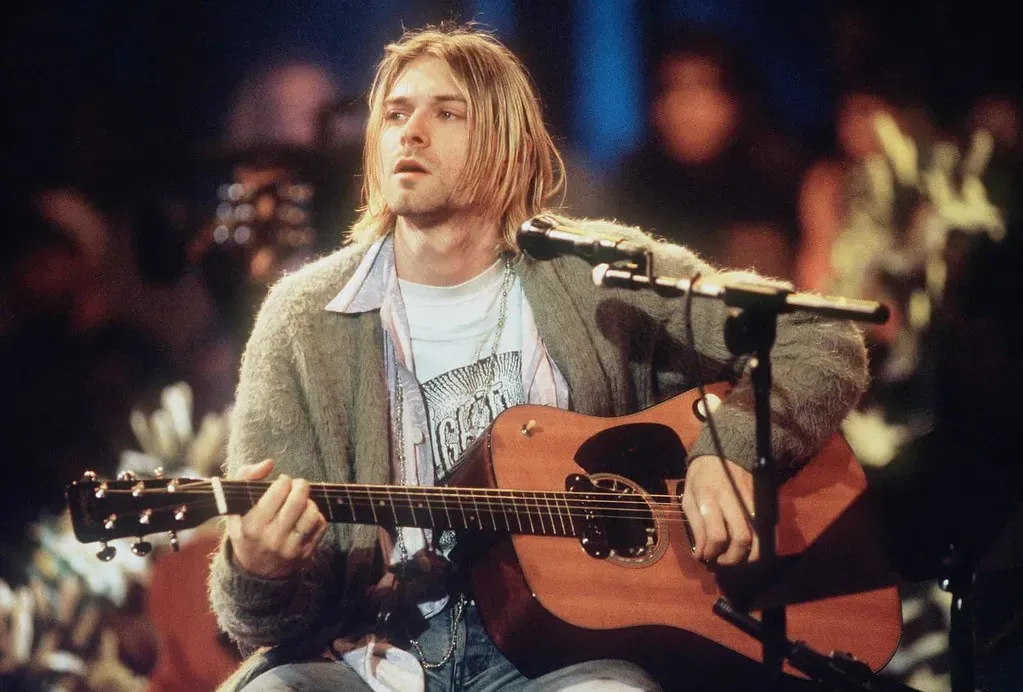
Nirvana’s MTV Unplugged performance was a haunting, stripped-down set that showcased the band’s raw emotional depth, with Kurt Cobain delivering deeply personal renditions of their songs and covers. Cobain’s distressed presence transformed familiar songs into confessions, and the stripped-down arrangements revealed layers of meaning that electric guitars had previously masked, creating an intimacy that felt almost invasive to witness.
The vulnerability on display influenced an entire generation of musicians to embrace rawness over polish, and for many fans, this version is the one they return to when they want to feel something real. The Unplugged session didn’t just reframe a song or two. It reframed the entire band, and the album that followed became one of the most enduring live records in rock history.
What the Unplugged Format Did to a Song’s Meaning
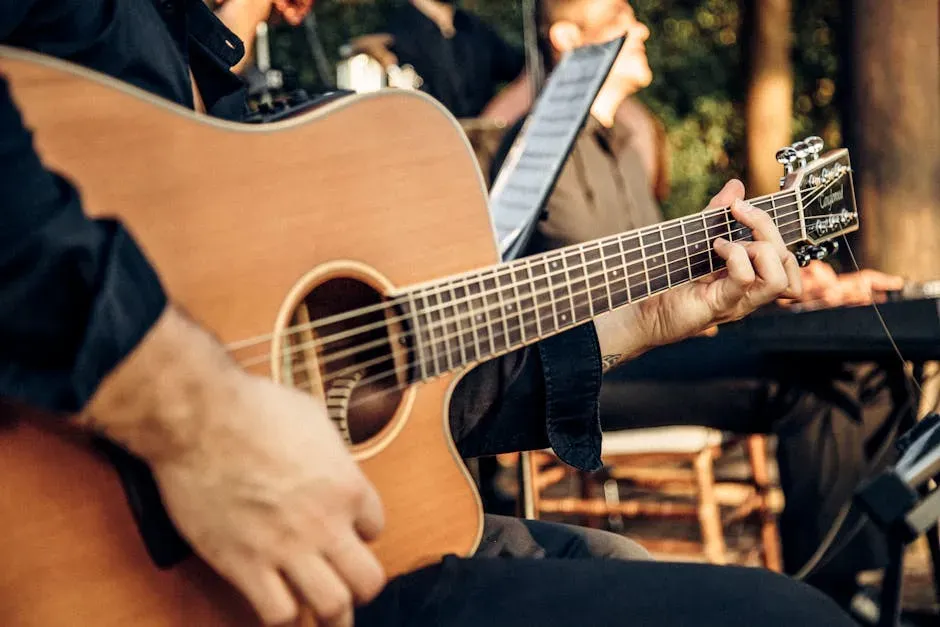
A great concert is not just a reproduction of a song – it is a reinvention. That is why fans still return to these historic moments decades later: they reveal what music sounds like when risk, emotion, and performance all peak at the same time. The Unplugged format, in particular, had a way of stripping songs down to their emotional core, making them feel almost confessional in a way the electric originals rarely managed.
Eric Clapton’s MTV Unplugged performance demonstrated the same principle: a gorgeous song takes on heightened tone and meaning in an intimate live setting. Sometimes, it’s better when a band can’t fix it. You have one shot to get it right. On good nights, you experience a flow state – the state of mind where you’re not self-conscious, the letting go every creative person aims for.
Why Live Versions Sometimes Win
In all of these cases, the live performance energy connected with an audience and gave the song – and usually the album that housed it – a successful life of its own. Every once in a while, the stars align, and a live recording eclipses its more refined studio twin – an overshadowing so complete that even radio must acquiesce and the live version becomes the definitive one.
In the long history of music, the recorded era is relatively short. The earliest recordings captured live performances. However, artists like The Beatles and The Beach Boys later transformed the studio into a tool of expansion and perfection, with multiple takes, multitrack recorders, and studio effects creating hi-fi versions of songs. The irony is that all that precision sometimes strips away the very thing that made a song matter in the first place.
The Role of the Audience in Making History
These moments are not just about technical skill or flawless execution. They are about energy, risk, emotion, and the rare chemistry between artist and audience that turns a show into history. Legendary performances often happen when something extraordinary aligns: a band at its creative peak, a cultural turning point, or a moment of spontaneity that could never be recreated.
Cash felt a personal responsibility to put on a good show at Folsom, rehearsing feverishly in the days leading up to the concert and even teaching himself “Greystone Chapel,” a song written by a Folsom inmate, learned just the night before. That kind of preparation, meeting that kind of audience, in that kind of room – it wasn’t a performance. It was a reckoning. The audience didn’t just witness it. They completed it.
When the Live Version Outlives the Original
When the studio version of “Turn the Page” came out in 1973, it was never a charted hit for Bob Seger. Like others on this list, however, the song became a signature tune when part of a live record. Seger’s performance of the track on 1976’s Live Bullet became the preferred listening option for fans. This pattern repeats throughout rock history – a studio recording that exists, is appreciated, and then is quietly set aside once the live version arrives and takes hold.
Seger’s studio recording of his haunting ballad about life on the road was released as a single but did not chart. The take from Live Bullet was not released as a single but became a rock-radio staple anyway thanks to its spare arrangement, arena-sized ambience, and the late Alto Reed’s saxophone. In many cases, the live version becomes the definitive version – not because the studio original failed, but because the stage revealed something no studio could plan for or reproduce.