Picture this. You hit play on an album and suddenly you’re not just hearing songs, you’re entering a world. Characters emerge. Conflicts unfold. Emotional arcs build and break and resolve. Some albums don’t just deliver tracks, they deliver entire narratives that burrow into your chest and refuse to let go.
The thing is, music has always been about storytelling. From ancient folk ballads to modern concept records, we’ve used sound to make sense of our lives. These days though, something interesting is happening in the album format. Despite the streaming era’s obsession with playlists and singles, certain artists are doubling down on cohesive storytelling, crafting full-length records that demand to be experienced from start to finish. Let’s dive in.
Kendrick Lamar’s “good kid, m.A.A.d city” Transforms Compton Into a Coming-of-Age Epic
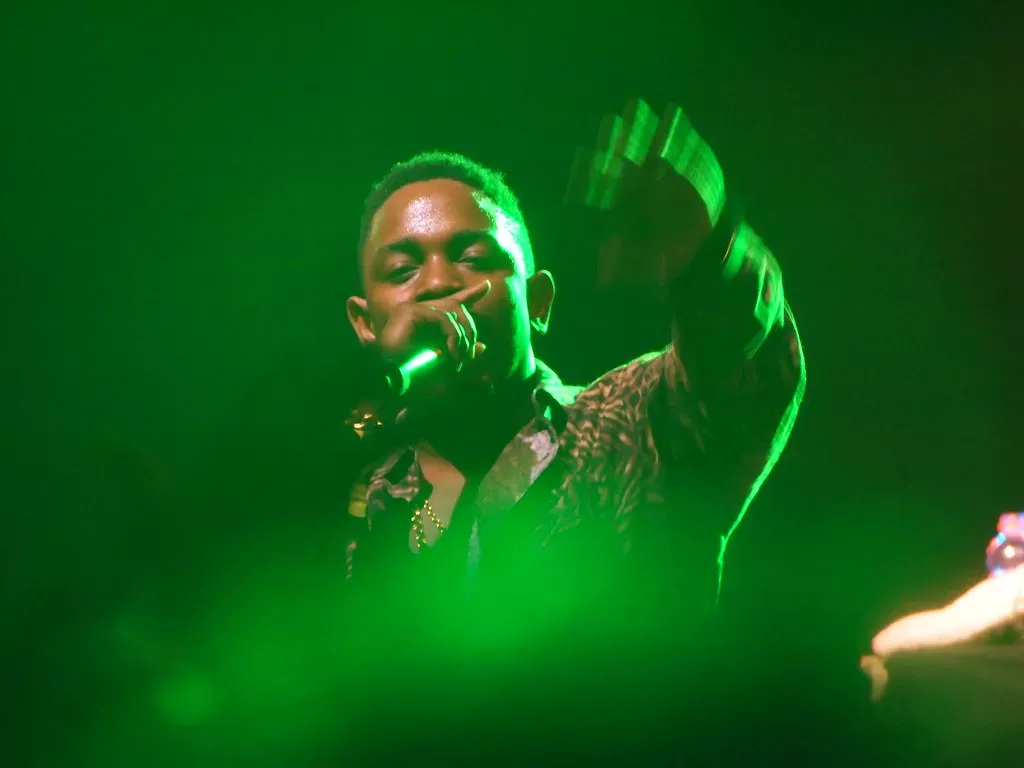
Kendrick Lamar’s 2012 masterpiece portrays his adolescence in Compton, California through a vivid narrative arc exploring themes of violence, temptation, and redemption. The genius lies in how Lamar structures the album like a day in his teenage life, complete with voicemails from his parents and skits that push the story forward. The album’s intricate lyricism brings to life the struggles of peer pressure, gang violence, and the quest for identity, interwoven with skits and voice messages showcasing a cinematic display of survival and redemption.
Think of tracks like “The Art of Peer Pressure” as chapters in a novel. You’re right there with K. Dot as he makes terrible decisions under the influence of friends. The album’s production, interludes, and voice messages all contribute to the storytelling, making it a landmark in Hip Hop for its ambition and execution. It’s storytelling at its finest, using music to build a world you can’t escape.
Pink Floyd’s “The Wall” Constructs a Psychological Journey Brick by Brick
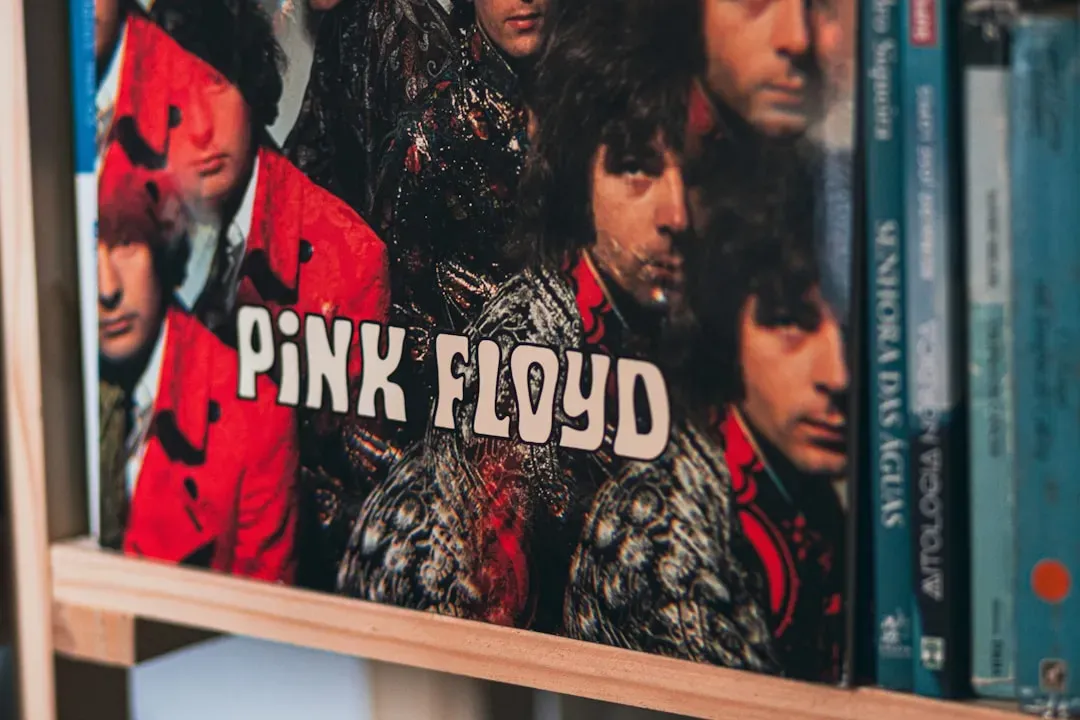
Pink Floyd’s album tells the story of Pink, a famous singer/musician battling against addiction and his past traumas, as he slowly builds a “wall” against others, isolating himself within his own mind. Released between the late 1970s and early 1980s, this double album doesn’t mess around. Over 26 tracks, you watch a character descend into madness, one brick at a time.
What makes it so powerful is the way the metaphor physically manifests. The songs tackle issues like mental health, childhood and adult trauma, and self-image issues that many people didn’t talk about during that era. Each song adds another layer of isolation, another defensive barrier. Through the songs, the listener is able to follow the full trek that Pink takes as he struggles to cope with his mental health issues and continues to embrace self-destructive behaviors. You don’t just hear Pink’s story, you feel the walls closing in around you too.
The Roots’ “Undun” Tells a Life Story in Reverse Chronology

Here’s where concept albums get really innovative. The Roots’ Undun tells the tragic story of Redford Stephens, a fictional character entangled in a life of crime, with the narrative unfolding in reverse chronological order, beginning with Stephens’ death and tracing back through pivotal moments that led to his demise. It’s like watching a tragedy unfold backwards, understanding the weight of each decision only after you’ve seen where it leads.
The album’s poignant lyrics and haunting production are packed with themes of existentialism, morality, and the socio-economic challenges that steer individuals toward destructive paths. Honestly, the reverse structure makes you think differently about cause and effect, about fate versus choice. It’s a bold narrative technique that wouldn’t work in many mediums, but in album form? It’s devastating.
J. Cole’s “4 Your Eyez Only” Weaves a Dual Narrative of Loss and Legacy

This album tells a dual narrative, one of Cole’s own experiences and another of a character inspired by his friend who passed away. The entire project functions as a letter from a father to his daughter, a message he’ll never get to deliver in person. Through songs like “Neighbors” and the title track, Cole delves into issues such as racial inequality, fatherhood, and mortality.
The album’s power comes from its intimacy. You’re not watching this story from a distance, you’re inside it, feeling every regret and hope. Based on a true story, 4 Your Eyez Only revolved around James McMillan Jr., who symbolized a slain friend of Cole’s and represented the struggles of many young Black men in America. It’s personal storytelling that carries universal weight, the kind that makes you rethink your own relationships and mortality.
My Chemical Romance’s “The Black Parade” Stages Death as a Theatrical Journey

My Chemical Romance’s The Black Parade follows the story of The Patient, a character facing death and reflecting on his life. This 2006 album is pure rock opera, complete with theatrical costumes and a storyline that unfolds like a dark Broadway show. The genius is in how it makes death feel like an event, a parade you march through rather than an ending you simply reach.
The band’s theatrical live shows and striking visual style, including uniforms and pyrotechnics, only added to the album’s impact. Each track represents another station in The Patient’s journey through death, memory, and acceptance. It’s melodramatic in the best possible way, turning what could be maudlin into something cathartic and strangely hopeful.
Coheed and Cambria’s “The Amory Wars” Saga Spans Multiple Albums and Mediums

Coheed and Cambria’s “The Amory Wars” saga spans multiple albums and comic books, weaving a complex narrative that blended science fiction and fantasy. We’re talking about a story so expansive it can’t be contained in a single album. The band has built an entire science fiction universe, complete with characters, wars, and mythology that unfolds across their discography.
What’s fascinating is how the narrative structure encourages full-album listening. You can’t just dip into one song and understand what’s happening, you need the full context. Coheed and Cambria’s “The Amory Wars” has been adapted into comic books, graphic novels, and if rumors are to be believed, a forthcoming TV series. The story has grown beyond music into a transmedia experience, proving that album narratives can spawn entire fictional universes.
Ethel Cain’s “Preacher’s Daughter” Chronicles a Dark American Gothic Tale
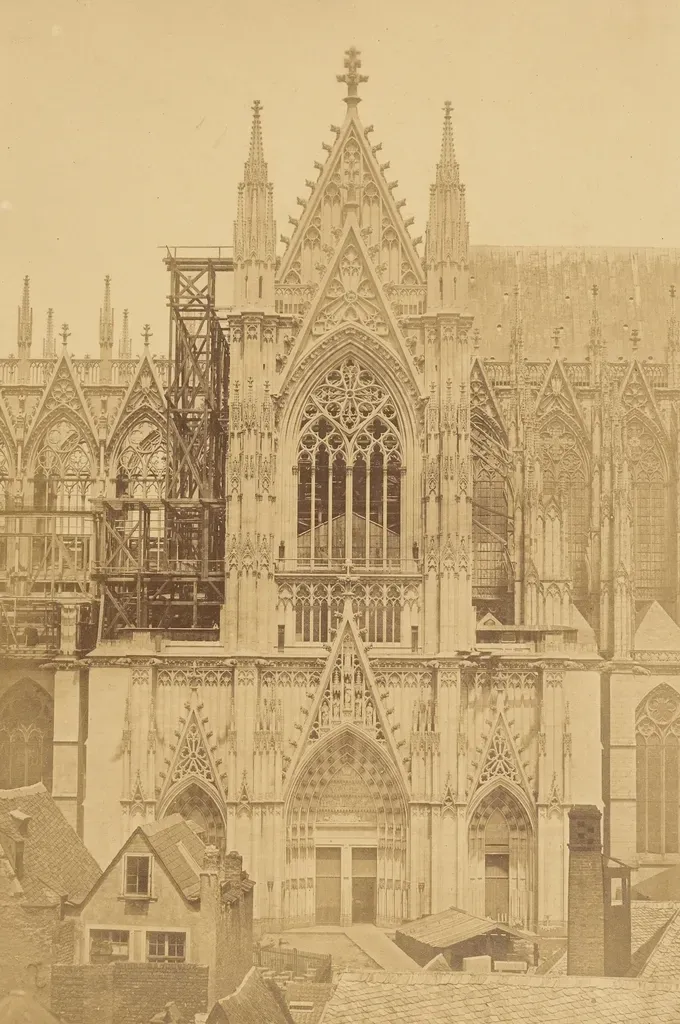
Preacher’s Daughter by Hayden Anhedonia (known professionally as Ethel Cain) takes an equally impassioned approach through a fictional story of Ethel in a small town whirled up in a life of religious and romantic trauma. This 2022 album is a descent into the darker corners of American life, following a preacher’s daughter through love, loss, violence, and ultimately tragedy. It’s Southern Gothic at its finest, soaked in religion and dread.
The midpoint indicates a new path for Ethel, running away from her hometown and developing affection for a new man, Isaiah, beginning a life in California consumed by sex work and drug dependency, until the lifestyle contradicts the religious values she was brought up on. Cain’s voice and production create an atmosphere thick enough to choke on. Some of the last tracks on the album narrate the downfall of Ethel’s demise, and honestly, it’s a gut-punch you won’t forget.
Kanye West’s “The College Dropout” Uses Education as a Narrative Thread

Kanye West used The College Dropout and its themes of higher education to tell his life story, rapping about his time in college and his struggles in the music industry before he finally became successful. While not as tightly structured as some concept albums, the educational framework gives the album cohesion. Skits about college life punctuate the tracks, creating a loose narrative of ambition versus convention.
What makes it work is the specificity. You feel Kanye’s frustration with the traditional path, his determination to succeed on his own terms. The album becomes an argument, a manifesto, a story of choosing creativity over stability. It’s personal enough to resonate but universal enough that anyone who’s ever questioned their path can relate.
The Dear Hunter’s “The Acts” Series Follows an Unnamed Character Through Betrayal and Redemption

The Dear Hunter’s The Acts series followed the story of a nameless character he navigated a world of greed, betrayal, and redemption. This sprawling narrative across multiple albums tells the story of a boy born into a brothel during World War I, following his life through love, war, and corruption. It’s ambitious storytelling that requires serious commitment from listeners.
The Acts series proves that albums can sustain long-form narratives. Each installment adds depth and complexity to the character’s journey. It’s like reading a multi-volume novel, except with gorgeous progressive rock instrumentation guiding you through each chapter. The level of detail and continuity across albums is staggering.
Tyler, the Creator’s “Chromakopia” Examines Identity Through Personal Storytelling
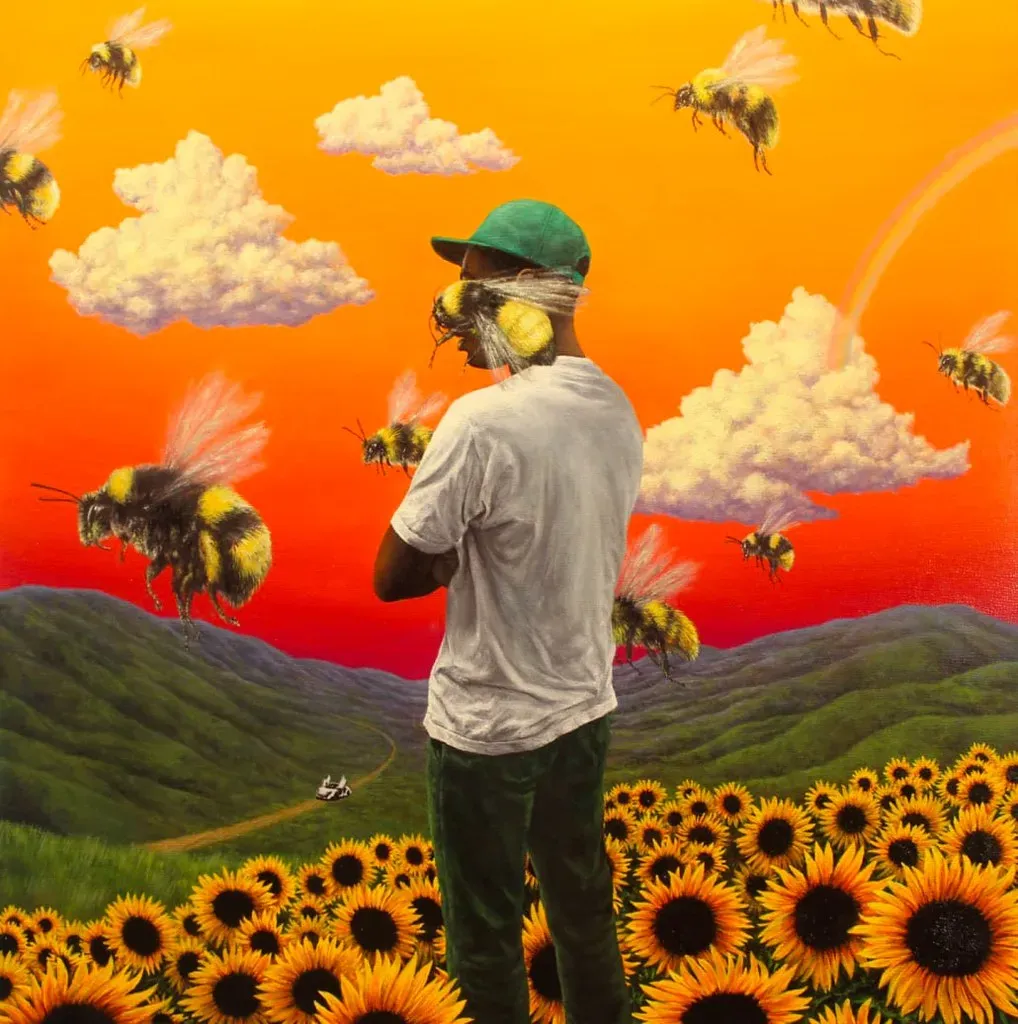
Examining ideas of identity, monogamy, aging, parenting, and paranoia, the California native’s rap skills shine through bold declarations and slick wordplay, fully displaying Tyler’s commitment to rap music not only as an artist but also as a student exploring style and sampling sounds from other regions. Released in late 2024, this album finds Tyler in self-examination mode, using his mother’s voice throughout to provide advice and context.
He called on rising rap star Doechii and featured samples paying homage to Hip-Hop predecessors, including Lil Wayne, Missy Elliott, and Pharrell Williams, showing an apparent and deep reverence appreciated in his creative flair. The album’s narrative isn’t strictly linear, but the thematic threads create a cohesive portrait of an artist wrestling with his identity, responsibilities, and creative evolution. It’s introspective storytelling that rewards repeated listens.
What do you think about albums that tell complete stories? Do you find yourself drawn to records that demand your full attention from first track to last? Let us know in the comments.